How to Troubleshoot a Juicer
That fresh juice craving can hit hard, but so can the frustration when your juicer decides to take a break. When your appliance starts acting up, it’s easy to feel stuck. Before you consider it a lost cause or rush out for a replacement, take a moment to troubleshoot.
Many common juicer problems have straightforward fixes that can save you time and money.
Often, the issue isn't a major malfunction but something simple, like a misaligned part or a clogged filter. Understanding the basic workings of your juicer, whether it's a centrifugal model or a masticating juicer, is key. For instance, manufacturer specifications often indicate that motor components are designed for intermittent use, meaning overheating can sometimes be resolved by simply giving the machine a break.
Let's dive into how to get your juicer back in working order.
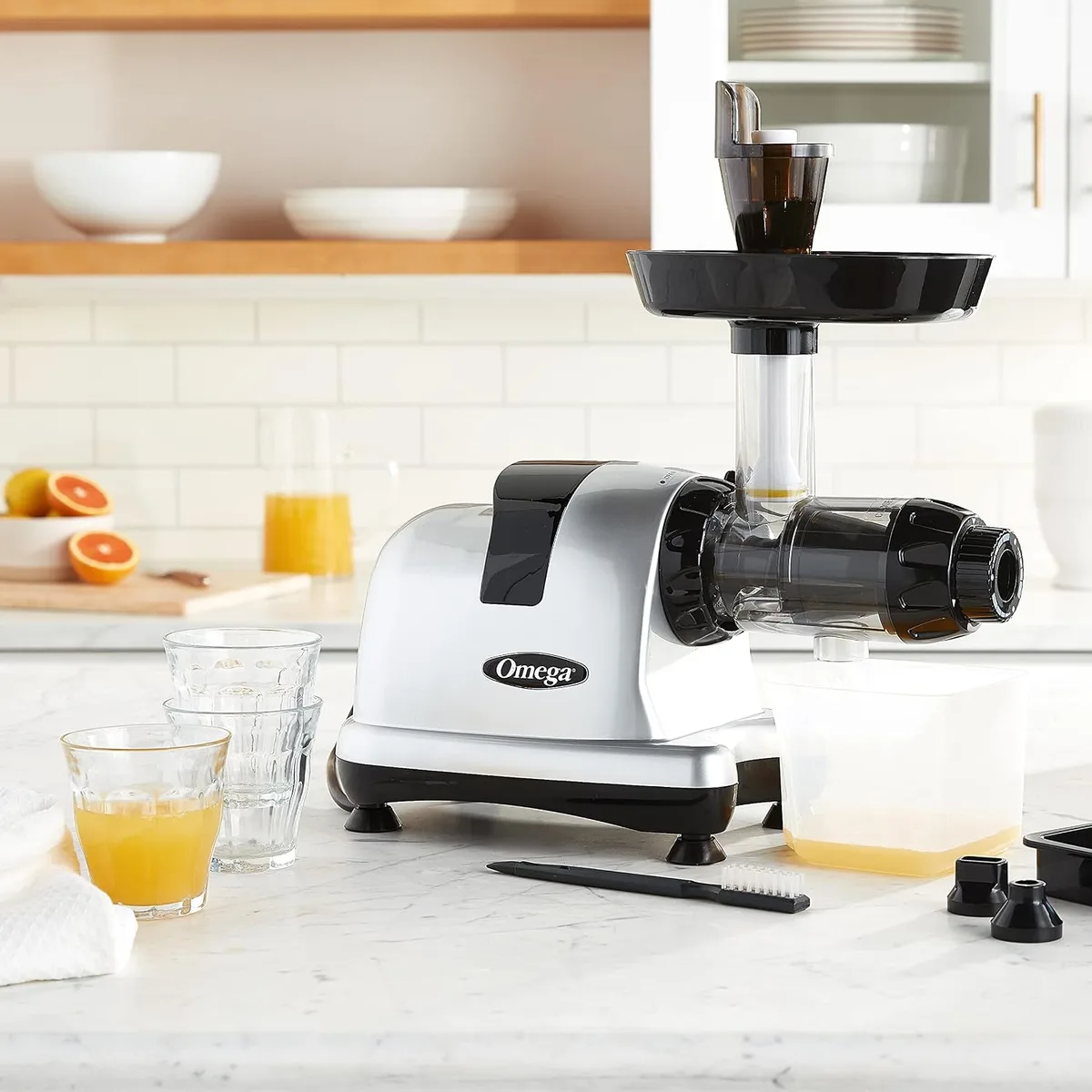
Image source: Bing (Web (fair-use with source credit))
Quick Answer for a Speedy Fix
Troubleshooting a juicer typically involves checking power, ensuring parts are correctly assembled, and clearing any blockages. If your juicer isn't turning on, verify the power source and ensure safety locks are engaged. For jamming or slow operation, reduce the size of ingredients or ensure they’re not too soft or fibrous.
Leaks often stem from a loose or improperly seated pulp collector or juice cup.
Juicer Not Turning On? Let's Check the Power
This is probably the most common first hurdle. You plug it in, hit the button, and… nothing. Don't panic; it's usually a simple fix.
First things first, is it plugged in securely? Even a slightly loose plug can prevent power from flowing. Check the outlet itself by plugging in another small appliance, like a lamp or phone charger, to confirm the outlet is working.
If the outlet is fine and the juicer is firmly plugged in, the issue might be with the juicer’s internal safety mechanisms. Most juicers won't operate unless all parts are correctly assembled and locked into place.
- Safety Lid Lock: Check that the lid is securely attached and the locking arm or mechanism is fully engaged. Many models have a switch that the lid mechanism activates. If this isn't fully pressed, the motor won't start.
- Base Assembly: Ensure the motor base is sitting flat and stable on the counter, and that any removable parts, like the chute or pulp container, are properly seated. Some units have a sensor that prevents operation if a component isn't perfectly aligned.
- Circuit Breaker: In rare cases, a juicer might have tripped its own internal circuit breaker due to an overload. This usually requires unplugging the unit and letting it sit for a few minutes before trying again.
If none of these steps revive your juicer, it might be time to consult your owner's manual for model-specific troubleshooting or contact the manufacturer.
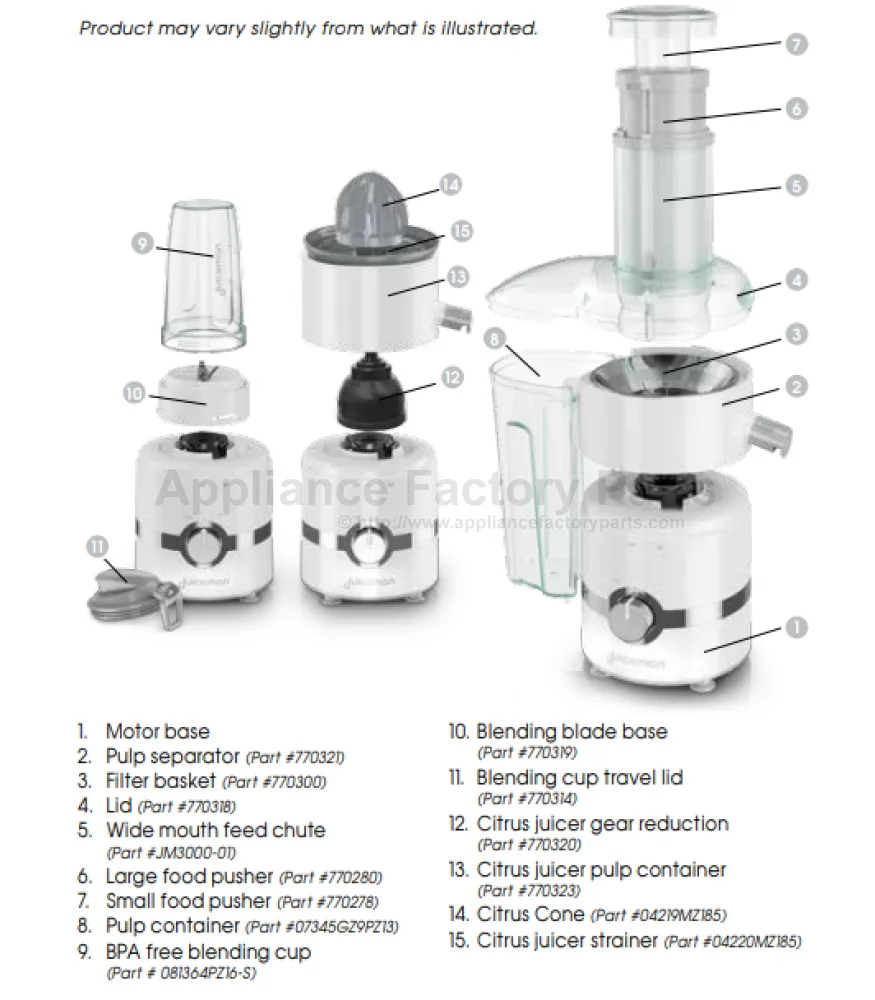
Image source: Bing (Web (fair-use with source credit))
Jamming or Slow Juicing: What's Getting Stuck?
When your juicer starts to slow down, makes a straining noise, or stops altogether mid-juicing, it’s usually a sign of a blockage or an overload. This can happen with both centrifugal and masticating juicers, though the causes can differ slightly.
For Centrifugal Juicers:
These models spin at high speeds to extract juice. They can jam if you feed them ingredients that are too soft and mushy, like overripe bananas, or too fibrous, like celery stalks that are too thick.
- Reduce Ingredient Size: Cut your fruits and vegetables into smaller, manageable pieces. For things like carrots or celery, cut them into lengths that easily fit down the feed chute without forcing.
- Alternate Ingredients: If you’re juicing a mix, alternate between softer and harder items. This helps the juicer process everything more smoothly and prevents fibrous material from building up too quickly.
- Don’t Overfeed: Avoid pushing too much produce into the chute at once. Let the juicer process one piece before adding the next.
- Check the Filter: The fine mesh filter or basket is often the first place a clog forms. If it’s packed with pulp, it can impede the flow of juice and pulp, causing the motor to strain.
For Masticating Juicers (Slow Juicers):
These operate by grinding and pressing ingredients. They are generally better with fibrous items but can still jam.
- Too Much Soft Produce: Overloading with very soft fruits or vegetables can sometimes overwhelm the mechanism.
- Stringy Vegetables: While designed for them, very tough, stringy vegetables like string beans or some types of leafy greens can twist and clog the auger if not prepared correctly. Chop them into smaller segments.
- Pulp Ejection: Ensure the pulp ejection chute isn't blocked. If pulp can't escape, it will back up into the juicing mechanism.
If your juicer jams, turn it off immediately. Then, unplug it before attempting to clear any blockage. Carefully use a wooden spoon or the provided brush to dislodge trapped pieces.
Never use your hands or metal objects inside a juicer, especially when it’s plugged in.
Image source: Bing (Web (fair-use with source credit))
Too Much Pulp or Low Juice Yield: Optimizing Your Extraction
Getting a ton of pulp in your juice or finding you’re not getting much liquid at all can be disappointing. These issues often go hand-in-hand and point to how efficiently your juicer is working.
Excessive Pulp in Juice:
This usually means the juicer’s filtering system isn't doing its job effectively, or pulp is finding its way into the juice container prematurely.
- Filter/Mesh Screen Clog: As mentioned, a clogged filter is a prime suspect. If the holes are blocked with pulp, juice can't pass through cleanly. Make sure to thoroughly clean the filter after each use.
- Improper Assembly: Double-check that all parts, especially the filter/basket and lid, are seated correctly. A small gap can allow pulp to escape into the juice.
- Juicing Technique: For some ingredients, especially leafy greens, you might need to roll them up tightly or feed them very slowly. If you just stuff a bunch of spinach in, it can bypass the filter.
- Juicer Type: Centrifugal juicers tend to produce juicier pulp than masticating juicers, but they can sometimes let more fine pulp through into the juice.
Low Juice Yield:
This is the opposite problem, your juicer is working, but not much liquid is coming out.
- Ingredient Moisture Content: The juicer can only extract the liquid that's there. Watery fruits like watermelon or cucumber will yield more juice than drier items like apples or carrots if they aren't juicy enough.
- Overheating: If the motor overheats, it can sometimes reduce efficiency. Letting the juicer cool down might help.
- Worn Parts: Over time, parts like the filter screen or the auger (in masticating juicers) can wear down, reducing their effectiveness.
- Using the Pulp Collector: Make sure the pulp collector isn't overfilled, which can impede the juicer's operation and reduce yield. Some users report that running the collected pulp through a masticating juicer a second time can extract more liquid.
Manufacturer specifications for juice yield can vary greatly depending on the type and freshness of produce. For example, aggregate user reviews for high-quality centrifugal juicers often report yields in the 60-80% range for common fruits and vegetables.
Leaks and Noises: Digging into the Details
A juicer that leaks is not only messy but can also be a safety hazard. Leaks usually occur at the seams where parts connect or from overflowing containers. Meanwhile, unusual sounds can range from minor annoyances to indicators of a more serious problem.
Common Leak Points and Solutions:
- Juice Cup Not Positioned: Ensure the juice collection cup is directly under the spout. If it’s slightly off, juice can pool and spill.
- Pulp Collector Issues:
- Not Seated Properly: Just like with the motor not starting, the pulp collector might need to be perfectly aligned for the unit to seal correctly.
- Overfilled: If the pulp collector is full, pulp can be forced back into the juicing mechanism or out of any small gaps. Empty it regularly, especially when juicing large batches.
- Damaged Seal or Gasket: Some juicers have rubber gaskets or seals. If these are cracked, torn, or missing, leaks are almost guaranteed. Check your manual for replacement parts.
- Cracked Housing or Parts: Visually inspect the main housing, chute, lid, and collection cups for any cracks or damage. Even a small hairline crack can lead to leaks.
- Filter Not Cleaned: A heavily clogged filter can cause juice to back up and find its way out of less secure points, like where the filter meets the main housing.
Unusual Juicer Sounds:
- Grinding or Straining: These typically mean the motor is working hard to push through an obstruction. This circles back to jamming issues. It could be a piece of produce stuck, pulp buildup, or the motor struggling due to an overload. Turn off and unplug the juicer to clear blockages.
- Clicking or Rattling: This could indicate parts aren't properly secured. Check that the lid, filter, and containers are firmly in place.
- High-Pitched Whining or Squealing: This is often related to the motor. It could signal overheating or bearing wear. If the juicer has been running for a long time, give it a break. Persistent noise when cool might indicate worn bearings.
If any of these noises are sudden, extremely loud, or accompanied by smoke or a burning smell, turn off and unplug the juicer immediately. These are critical signs of a motor or electrical fault that requires professional attention or replacement.