How to Use a Toaster Safely
Making toast is a simple morning ritual, but overlooking toaster safety can turn a quick breakfast into a serious hazard. Knowing the proper way to use and maintain your appliance is key to preventing kitchen fires and electrical accidents. This guide breaks down exactly how to use a toaster safely, covering everything from cleaning to dealing with common issues.
Toasters, like many electrical kitchen appliances, require basic awareness for safe operation. Manufacturer specifications often highlight cleaning and proper usage to prevent overheating, a common cause of appliance failure and fires. As of 2026, fire departments still report thousands of home fires annually linked to cooking equipment, underscoring the importance of appliance safety.
Let's dive into how to keep your toasting routine safe and sound.
Quick Answer
To use a toaster safely, always keep it clean, especially the crumb tray. Unplug it when not in use and never insert metal objects. Ensure good airflow around the appliance.
Address any sparks or smoke immediately by unplugging. Regular cleaning prevents fires.
Why Toaster Safety Matters
Safety with kitchen appliances isn't just about avoiding minor annoyances; it's about preventing potentially dangerous situations. Toasters are heating devices, and like any device that generates heat, they come with inherent risks if not used correctly. The primary concerns revolve around fire hazards and electrical shock.
Aggregate user reviews and fire safety reports consistently point to improper use and poor maintenance as significant contributing factors to appliance-related incidents.
For instance, a common cause of toaster fires is the buildup of flammable crumbs within the appliance. When these crumbs accumulate and ignite, they can quickly spread, leading to significant damage. Similarly, attempting to dislodge stuck food items with metal utensils creates a direct path for electricity, posing a severe risk of electric shock.
Understanding these potential dangers is the first step toward a safer kitchen experience.
Core Toaster Safety Rules
Keeping Your Toaster Clean
Cleanliness is paramount when it comes to toaster safety, and the primary culprit is accumulating crumbs. These dry particles are highly flammable and can easily ignite when they come into contact with the hot heating elements. This is why regular cleaning isn't just about aesthetics; it's a critical safety measure to prevent fires.
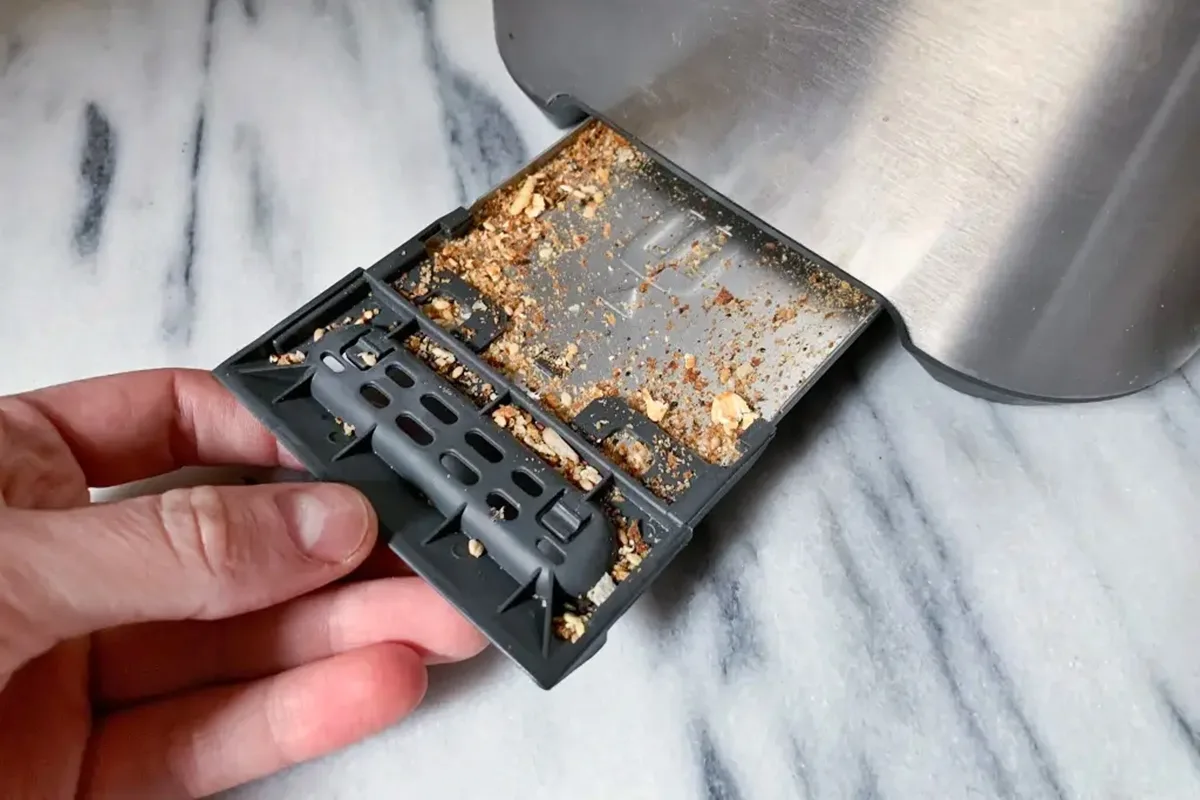
Image source: Bing (Web (fair-use with source credit))
Most toasters are designed with a removable crumb tray at the base. This tray collects all the fallen bread crumbs and other debris. You should aim to empty and clean this tray at least once a month, or more frequently if you use your toaster daily.
To do this safely, always ensure the toaster is unplugged and completely cool. Gently slide out the tray, discard the contents, and wipe it down with a damp cloth. For deeper cleaning, some trays can be washed with soap and water, but ensure they are thoroughly dried before reinserting.
The Importance of Unplugging
Think of unplugging your toaster when it's not in use as a simple, yet highly effective, safety habit. While modern appliances have safety features, they aren't foolproof. Leaving an appliance plugged in, even when switched off, still leaves it connected to the power supply.
This means a fault or surge could potentially cause an issue.
Manufacturer specifications often advise unplugging appliances when not in active use. This practice completely disconnects the toaster from the electrical current, eliminating the risk of overheating or electrical malfunction that could occur unnoticed. It’s a small action that significantly reduces the chance of unexpected problems, especially if you're away from home or asleep.
What NOT to Put in Your Toaster
This might sound obvious, but it bears repeating: only put bread products designed for toasting into your toaster. This includes slices of bread, bagels (often with a specific setting), and toaster pastries. Anything else poses a significant risk.
Never use metal utensils, such as knives, forks, or even metal tongs, to try and remove a stuck piece of toast or to clean the inside. Metal is an excellent conductor of electricity. Inserting it into a plugged-in toaster creates a direct pathway for the electrical current to travel through the utensil and potentially to you, resulting in a severe electric shock.
If something gets stuck, always unplug the appliance first and let it cool down completely.
Giving Your Toaster Breathing Room
Toasters generate a lot of heat through their internal elements. Proper ventilation is essential to prevent overheating and potential fire hazards. This means you should never place your toaster in an enclosed space or too close to flammable materials.
Ensure there's at least a few inches of clear space around the toaster on all sides. Keep it away from curtains, dish towels, paper napkins, plastic containers, or anything that could easily catch fire. It's also wise to avoid placing it directly under cabinets or shelves where heat could build up.
This simple spatial awareness is a critical part of safe toaster operation.
Common Toaster Problems and How to Avoid Them
Sparks, Smoke, and Burning Smells
If you ever see sparks flying from your toaster, or if it starts emitting smoke and a burning smell when you plug it in or turn it on, that's a major red flag. This is not normal operation and usually indicates an electrical issue within the appliance. It could be faulty wiring, a problem with the heating elements, or a more serious internal short circuit.
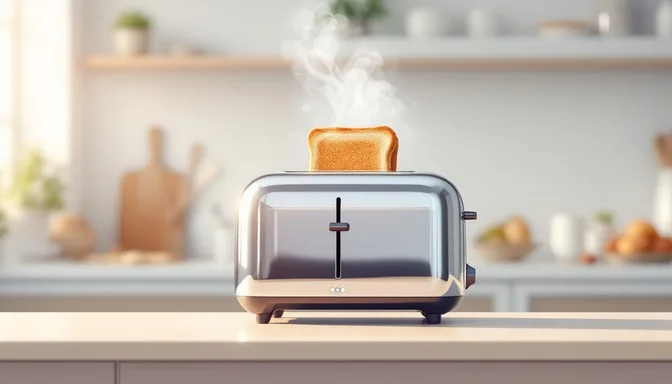
Image source: Bing (Web (fair-use with source credit))
The immediate and most crucial step is to unplug the toaster immediately. Do not attempt to use it again. If the smell persists or the issue reoccurs, it's time to consider replacing the appliance.
Continued use of a malfunctioning toaster significantly increases the risk of fire or electrical shock.
Dealing with Stuck Toast Safely
It's a common frustration: a piece of toast gets lodged in the toaster slot. While it's tempting to reach for a quick fix, remember the golden rule: safety first. Trying to dislodge stuck items while the toaster is plugged in is incredibly dangerous.

Image source: Bing (Web (fair-use with source credit))
Here’s the safe workflow:
- Unplug the toaster immediately from the power outlet.
- Allow it to cool down completely. This can take several minutes.
- Gently turn the toaster upside down over a sink or trash can and try to shake out the stuck item.
- If shaking doesn't work, use a wooden or plastic utensil (never metal) to carefully try and nudge the item loose. Be gentle to avoid damaging the internal elements.
If the toast remains firmly stuck after these steps, it's often safer to forgo that particular slice and consider if the toaster itself might be damaged or in need of replacement.
Toaster Oven Safety Differences
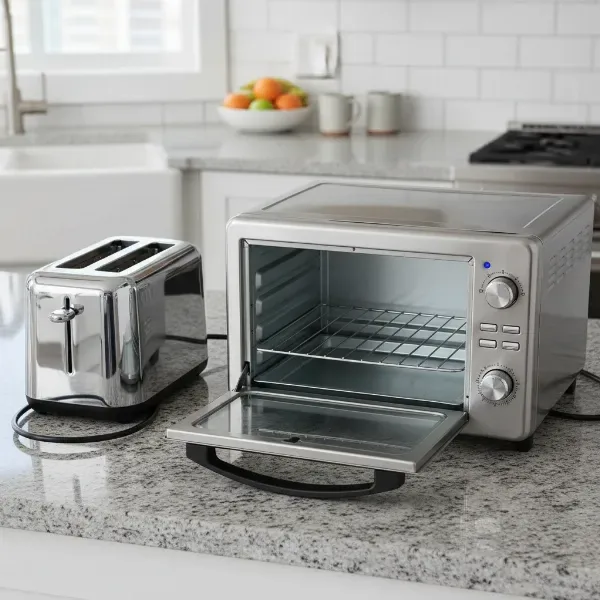
Toaster ovens, while offering more versatility, also come with their own set of safety considerations that differ slightly from standard pop-up toasters. Because they have a larger heating capacity and often include functions like broiling or baking, they require more attention to ventilation and clearance. Manufacturer specifications for these units usually emphasize maintaining adequate space around the appliance.
Unlike pop-up toasters, toaster ovens don't typically have a removable crumb tray for all internal debris. While some models may have a tray for baked-on messes, the general internal surfaces need periodic wiping. Flammable materials should be kept even further away from toaster ovens, as their operational temperatures can reach higher levels, especially during broiling cycles.
Always ensure the rack is properly seated before use, as a dislodged rack can lead to uneven cooking and potential hazards.
When to Replace Your Toaster
Sometimes, despite best efforts at maintenance, an appliance simply wears out. If your toaster is showing persistent signs of distress, it's often more cost-effective and safer to replace it than to risk injury or fire. Our research indicates that many toasters have an average lifespan of about 3-5 years, though this can vary widely based on usage and build quality.
Pay attention to the signals your toaster sends. Frayed or damaged power cords are a definite sign that it's time for a new unit, as these can easily cause shorts or electric shock. If your toaster consistently smells burnt even after thorough cleaning, or if you notice any unusual internal damage, it's prudent to cease using it.
Similarly, if it frequently trips circuit breakers or has malfunctioning settings, these indicate internal issues that are best addressed by upgrading.
Frequently Asked Questions About Toaster Safety
How long does it take for a toaster to cool down after use?
After unplugging and turning off the toaster, it typically takes about 5 to 10 minutes for the internal heating elements and exterior to cool down sufficiently to touch safely. Always wait until it's cool before attempting to clean it or dislodge stuck items.
Is it safe to toast something that's already buttered or has spread on it?
It's generally not recommended to toast items with butter, jam, or other spreads already applied. These can melt and drip onto the heating elements, causing smoke, difficult cleaning, and potential fire hazards. It's best to apply toppings after toasting.
Can I leave my toaster unattended while it's on?
No, you should never leave a toaster unattended while it is on and actively toasting. Although toasting cycles are usually short, unexpected issues like burning or appliance malfunction can occur rapidly, requiring immediate attention. Always stay in the vicinity while it's operating.
What should I do if my toaster starts smoking?
If your toaster begins to smoke, immediately unplug it from the power outlet. Allow it to cool down completely. Once cool, check for any burnt crumbs or food debris that might have caused the smoke and clean the crumb tray and interior thoroughly.
If the smoking persists after cleaning, discontinue use.
Are there any safety certifications I should look for when buying a toaster?
Yes, look for safety certifications from reputable organizations such as UL (Underwriters Laboratories) or ETL. These marks indicate that the appliance has been tested and meets established safety standards. This is a good indicator that the product has undergone safety evaluations.