How to Clean Kitchen Scale
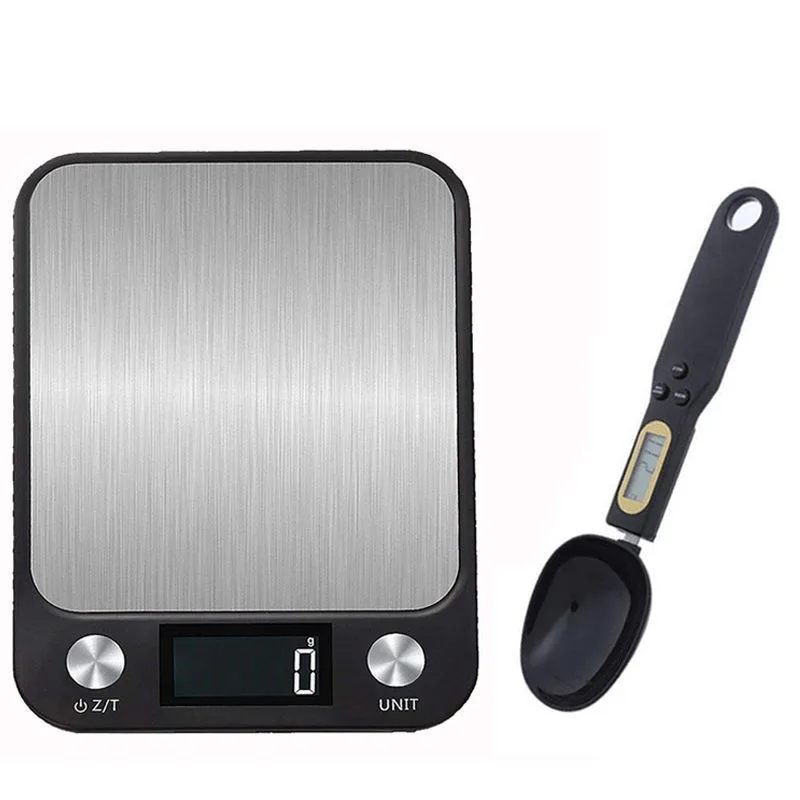
Image source: Bing (Web (fair-use with source credit))
When Your Kitchen Scale Needs a Spruce-Up: A Decision Guide
Your kitchen scale is a vital tool for consistent baking and precise cooking, but like any kitchen gadget, it can get grimy. Knowing how to properly clean a kitchen scale ensures its accuracy and longevity, preventing foodborne contaminants and lingering odors from affecting your meals.
Getting this right is more than just wiping; it involves understanding the scale's materials and electronics. For example, many digital kitchen scales, like those with a 0.1-gram precision, are sensitive to moisture, meaning submerging them is a sure way to damage them. We'll walk you through the best approaches based on the mess.
Quick Answer
To clean a kitchen scale, first remove batteries or unplug it. For dry spills like flour, gently brush them away. For sticky or wet messes, use a damp cloth with mild soap.
Always wipe surfaces clean and dry thoroughly. Never submerge digital scales or use abrasive cleaners.
What Mess Are We Dealing With? Identifying Scale Issues
Understanding the type of mess on your kitchen scale is the first step toward a clean and accurate tool. Different substances require different cleaning methods to avoid damaging the scale's surface or its delicate electronic components. Think of it like triage for your kitchen tools.
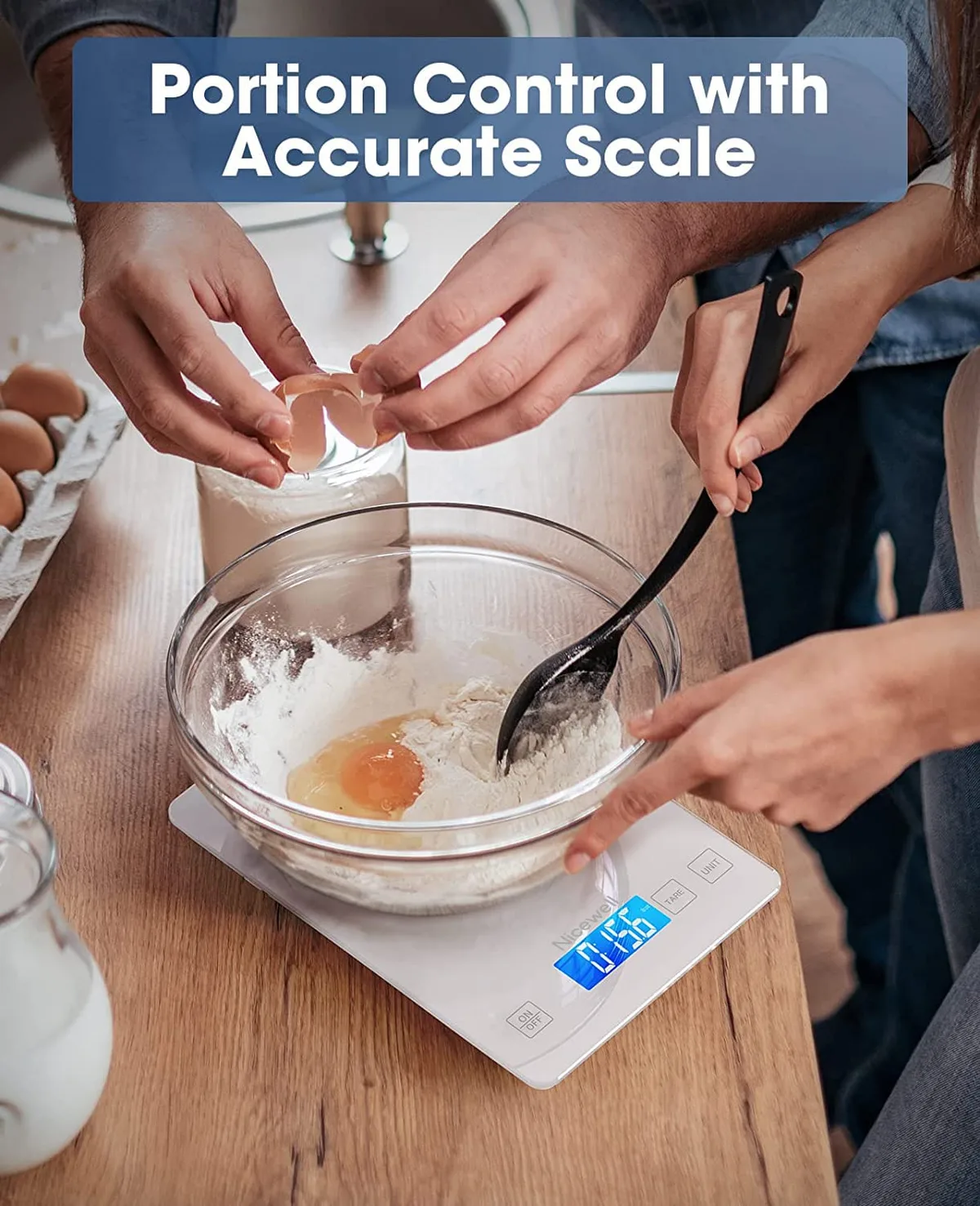
- Dry Spills: These include things like flour, sugar granules, salt, or spice dust. They're usually the easiest to deal with, often just requiring a gentle brush or wipe.
- Sticky Residue: Think honey, syrup, jam, or melted butter. These can harden and become quite stubborn, potentially requiring a bit more effort and a damp cloth.
- Liquid Gunk: This covers spills like oil, sauces, juice, or water. Liquids can seep into crevices, and some (like oil) can leave a greasy film that needs degreasing.
The material of your scale's surface, whether it's stainless steel, plastic, or glass, also plays a role in how you approach cleaning. We'll discuss tackling each of these scenarios next.
Quick Fixes: Tackling Light Messes on Your Scale
For minor dust or small, dry ingredient spills, you often don't need much more than a quick once-over. These light messes are usually superficial and don't require intensive cleaning. It’s about maintenance, keeping your scale ready for its next use.
Damp Cloth Wipe-Down and Drying
This method is ideal for light dry spills like a dusting of flour or sugar. It also works for slightly damp spots that haven't become sticky.
- Ensure Power Off: If it's a digital scale, always remove the batteries or unplug it first. This is a crucial safety step to prevent any accidental button presses or electrical issues.
- Gentle Wiping: Dampen a soft, lint-free cloth (microfiber works best) with a little water. Wring it out thoroughly so it's barely damp, not wet.
- Wipe the Surface: Gently wipe down the scale's platform and any other affected areas. For dry spills, you might find a dry soft brush helpful to lift particles before wiping.
- Immediate Drying: Use a separate dry, soft cloth to immediately and completely dry all surfaces. Moisture is the enemy of electronic scales, so thorough drying is non-negotiable.
This simple approach is perfect for daily upkeep and prevents small messes from becoming bigger problems. It helps maintain the appearance and basic hygiene of your scale.
Getting Serious: Deep Cleaning Stubborn Residue
When dry ingredients have been wet or sticky substances have left their mark, a simple wipe-down won't cut it. These tougher messes require a slightly more involved cleaning process to remove the residue without harming the scale.
The Tare Function's Role in Cleaning
While the tare function itself isn't for cleaning, understanding it helps with the process. The tare function zeroes out the scale, allowing you to weigh ingredients sequentially in the same bowl. When cleaning, this feature means you can place a bowl on the scale to help contain spills during cleaning or to weigh cleaning solutions if needed, though it’s usually best to clean the scale itself off the platform if possible.
The key is to ensure the scale is powered off if you're doing anything more than a light wipe on the platform.
Tackling Sticky Ingredients: Sugar, Honey, and Syrup
Sticky messes are a common culprit for a grimy scale. Ingredients like honey, syrup, or jam can dry into a hard, stubborn film.
- Power Down First: As always, remove batteries or unplug any digital scale before starting.
- Warm, Damp Cloth: Get a soft cloth damp with warm water.
- Mild Dish Soap: Add a tiny drop of mild dish soap to the damp cloth.
- Gentle Scrubbing: Gently rub the sticky areas. For really tough spots, you might need to hold the damp, soapy cloth over the residue for a minute to soften it before wiping.
- Rinse (Wipe) Thoroughly: Use a fresh cloth dampened only with water to wipe away all soap residue. It’s vital to get all the soap off, as it can leave its own film.
- Dry Completely: Pat the scale dry with a clean, soft towel. Ensure no moisture remains, especially around buttons or display screens.
This methodical approach ensures sticky residue is removed effectively. It's about patience and gentle persistence.
Banishing Flour Dust and Spice Grime
While dry spills are generally easy, fine dust like flour or spices can get into small gaps and create a dull film over time. If it’s just dusty, a dry brush might work. But if it’s become a film or mixed with a bit of moisture, a gentle cleaning is best.
- Power Off: Ensure your scale is unplugged or batteries are removed.
- Soft Brush: Use a clean, dry, soft-bristled brush (like a clean makeup brush or pastry brush) to sweep away loose dust.
- Damp Cloth: If a brush isn't enough, lightly dampen a soft cloth with water. Squeeze out excess water until the cloth is just moist.
- Wipe and Dry: Wipe the scale’s surface to remove the film. Immediately follow with a dry cloth to absorb all moisture.
For scales with stainless steel surfaces, as seen in many 6 Best Stainless Steel Kitchen Scale 2026 models, this gentle cleaning preserves the finish. Avoid abrasive cleaners that can scratch the metal.
What NOT to Do: Common Cleaning Mistakes
When cleaning your kitchen scale, it's just as important to know what not to do. Some common cleaning habits can quickly ruin a perfectly good scale, especially digital ones. Sticking to these guidelines will protect your investment.
Avoiding Submerging Electronics
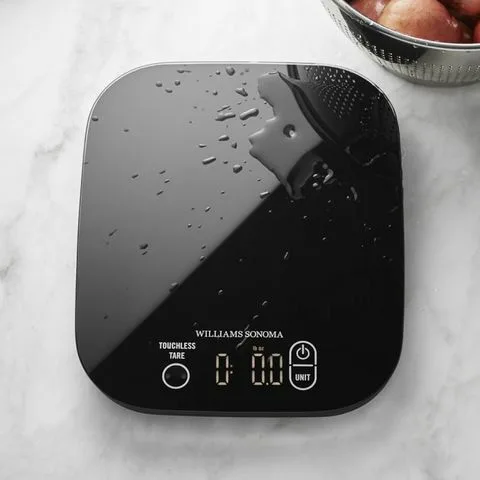
The cardinal rule for digital kitchen scales is never submerge them in water. Most digital scales are not waterproof. Water can seep into the internal electronics, causing short circuits, corrosion, and permanent damage.
This applies even if the scale is described as water-resistant; "water-resistant" doesn't mean "waterproof." Always opt for the wipe-down method, ensuring the scale is powered off and only a damp, not wet, cloth is used. This is crucial for scales with features like precise measurement down to the gram, often found in 6 Best Accurate Kitchen Scale 2026 models.
Steer Clear of Harsh Chemicals and Abrasives
Harsh cleaning chemicals like bleach, ammonia-based cleaners, or strong solvents can damage the scale's casing, display, and especially the surface finish. Abrasive scrub pads, steel wool, or even stiff brushes can scratch stainless steel or plastic surfaces, making them harder to clean in the future and looking unsightly. Stick to mild dish soap diluted in water.
For tough stains or odors, natural alternatives like baking soda paste (used sparingly and wiped away completely) are a safer bet than potent chemicals. This preserves the look and functionality of scales, whether they're a 6 Best Budget Kitchen Scale 2026 model or a high-end device.
Keeping Your Scale Accurate: Post-Clean Calibration & Checks
After cleaning, your scale might not immediately read correctly. This is normal, especially if it’s been exposed to moisture or its internal components have been disturbed. A few simple checks can ensure your scale is ready to provide accurate measurements again.
Testing Tare Functionality
A key feature of any modern kitchen scale is its tare function. After cleaning and drying, it’s a good idea to test this. Place a familiar, consistent object on the scale (like a mug).
Note its weight. Press the tare button. It should return to zero.
Remove the object and place it back on the scale. The weight should register the same as it did initially. This confirms the scale’s zeroing mechanism is working properly.
This is particularly important for precise tasks like coffee brewing, where accuracy matters, as found in many 6 Best Kitchen Scale for Coffee 2026 units.
Ensuring Accurate Readings
To verify the overall accuracy of your scale post-cleaning, use a known weight. Standard calibration weights are ideal, but if you don't have them, use an item with a consistent, known weight. For example, a bag of flour is often marked at 2 lbs or 5 lbs.
A roll of coins can also work as they have a standardized weight. Place the known weight on the scale.
- Check the Display: Does it match the known weight?
- Tolerance: Most scales have a small margin of error. For home use, a discrepancy of +/- 1-2 grams (or a fraction of an ounce) is often acceptable.
- Recalibrate if Necessary: Some digital scales have a recalibration mode, often accessed by holding down a button during power-up. Check your scale's manual for specific instructions, as this process can vary by manufacturer. For instance, if your scale is consistently off by more than a gram or two, it might need recalibration to ensure precise cooking results, vital for any 6 Best Baking Scale 2026 device.
When to Call It Quits: Signs Your Scale Needs Replacing
Even with diligent cleaning, kitchen scales don't last forever. At some point, you might notice persistent issues that cleaning can't fix. These are often indicators that the scale's internal components are failing or its accuracy has degraded beyond repair.
Is It Time for an Upgrade?
- Inconsistent Readings: If your scale gives wildly different weights for the same item even after recalibration, it's a major red flag. This suggests internal sensor issues.
- Display Problems: Flickering screens, unreadable numbers, or a display that won't turn on at all point to electronic failure. This is common in older digital units or those exposed to moisture.
- Tare Function Fails: If the tare button no longer resets the scale to zero, or it consistently shows an incorrect weight after taring, the scale's core functionality is compromised.
- Physical Damage: Cracks in the casing, a bent platform, or a display screen that’s been shattered means the scale is likely unsafe and unreliable.
If you're experiencing any of these, it might be time to consider a new scale. Investing in a quality unit, perhaps one of the 6 Best Digital Kitchen Scale 2026 options, can save you frustration in the long run.
Frequently Asked Questions About Cleaning Kitchen Scales
How often should I clean my kitchen scale?
Clean your scale after each use, especially if you've spilled something on it. For general upkeep, a quick wipe-down weekly is usually sufficient unless you're a frequent baker or cook.
Can I use disinfecting wipes on my kitchen scale?
It's best to avoid disinfecting wipes on most kitchen scales, especially digital ones. The chemicals can damage the plastic or metal surface and potentially affect electronic components. A mild soap and damp cloth are safer.
My scale smells funny. How can I get rid of odors?
For lingering odors, you can try wiping the scale's surface with a cloth lightly dampened with a solution of equal parts water and white vinegar. Ensure you wipe it again with a plain damp cloth and then dry it completely. Some scales also have a removable platform that can be washed more thoroughly (check your manual).
What's the difference between cleaning a digital and a mechanical scale?
Digital scales are sensitive to moisture and should never be submerged. Mechanical scales, which use springs and gears, are often more robust and might tolerate a more thorough wash of the platform, but you should still consult the manufacturer's instructions.
How do I clean the battery compartment if it's corroded?
If you notice corrosion in the battery compartment, remove the batteries. Use a cotton swab lightly dipped in white vinegar or rubbing alcohol to gently clean the contacts. Ensure the compartment is completely dry before reinserting new batteries.
Persistent corrosion might indicate the scale is nearing the end of its life.