How to Clean Kitchen Knives
Your kitchen knives are some of your most essential tools, and keeping them clean is more than just about appearances. Proper cleaning ensures they perform at their best, last longer, and are safe for preparing your food. Mastering how to clean kitchen knives is a fundamental skill for any home cook or professional chef.
Manufacturer specifications often highlight the importance of gentle cleaning to preserve the blade's integrity. For instance, many high-carbon stainless steel blades, common in professional kitchens, require immediate attention after use to prevent corrosion. This guide will walk you through the best practices.
Quick Answer
To clean kitchen knives, hand wash them immediately with mild dish soap and warm water. Use a soft cloth or gentle brush. Rinse thoroughly and dry completely before storing them in a knife block or on a magnetic strip.
Avoid dishwashers, as they can damage blades and handles.
Understanding Why Visuals Matter for Knife Cleaning
When you're learning how to clean kitchen knives, seeing is believing. Text can only go so far in explaining the right angle to hold a blade, the subtle pressure to apply, or how to identify a spot that needs extra attention. Visual cues help you understand the nuances that are hard to describe in words.
Think about a dull knife versus a sharp one; you can often see the difference in the edge, but feeling the difference is key. Similarly, spotting early signs of rust or a developing stain is easier when you can visualize what to look for. In our research, many users struggle with identifying microscopic rust spots or understanding the correct motion for removing residue without scratching the blade.
This is where clear visuals become invaluable.
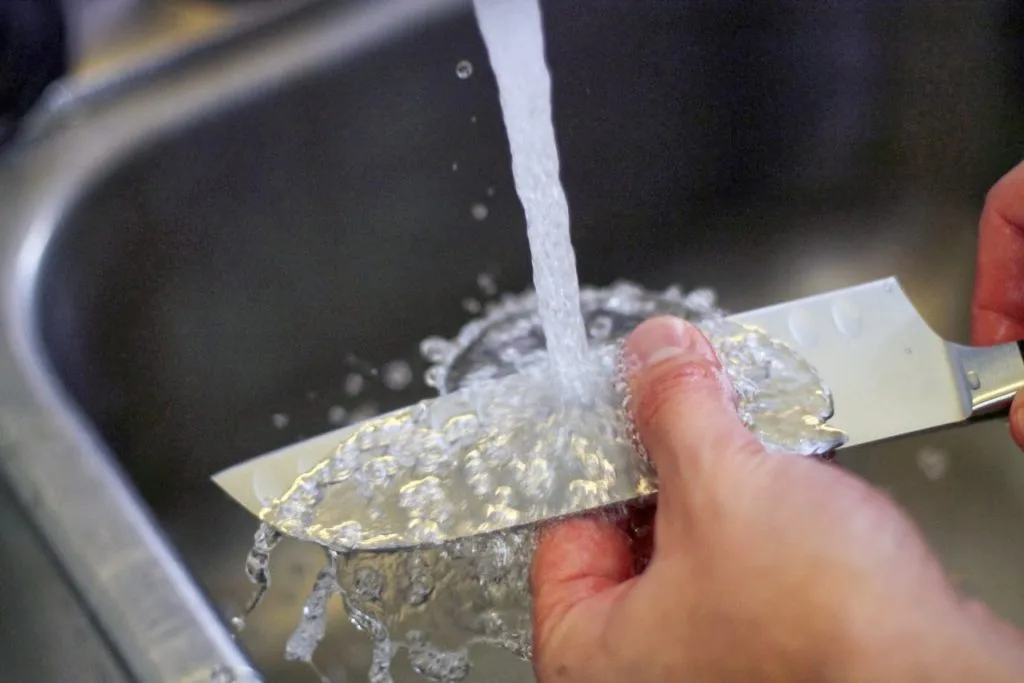
Image source: Bing (Web (fair-use with source credit))
Cleaning Your Kitchen Knives: The Gentle Hand-Wash Method
The most effective and safest way to clean kitchen knives is by hand. This method gives you direct control, allowing you to be gentle with the blade and ensure every part is properly cleaned and dried. It's the method recommended by most knife manufacturers to maintain the integrity and longevity of your tools.
Step 1: Immediate Rinse & Wash
The moment you finish using a knife, give it a quick rinse under warm running water. This removes loose food particles and prevents them from drying onto the blade, which can make cleaning much harder later. Don't let your knives sit in the sink or on the cutting board for extended periods.
Once rinsed, apply a small drop of mild dish soap directly to the blade or a damp sponge. Gently wipe the blade from the heel (where it meets the handle) towards the tip. Always wipe away from the sharp edge.
Do the same for the handle, ensuring no food debris is trapped in any crevices, especially if it's a wooden handle.
Step 2: Gentle Scrubbing Technique
For tougher bits of food or minor grime, a soft sponge or a gentle scrub brush is your best friend. Avoid abrasive scrubbers, steel wool, or harsh detergents, as these can scratch the blade's finish or even damage the edge over time. The goal is to clean effectively without causing any wear and tear.
When scrubbing, work with the grain of the blade's finish if it's visible. For serrated knives, a small, soft-bristled brush can get into those nooks and crannies without snagging. It's about a light, controlled motion.
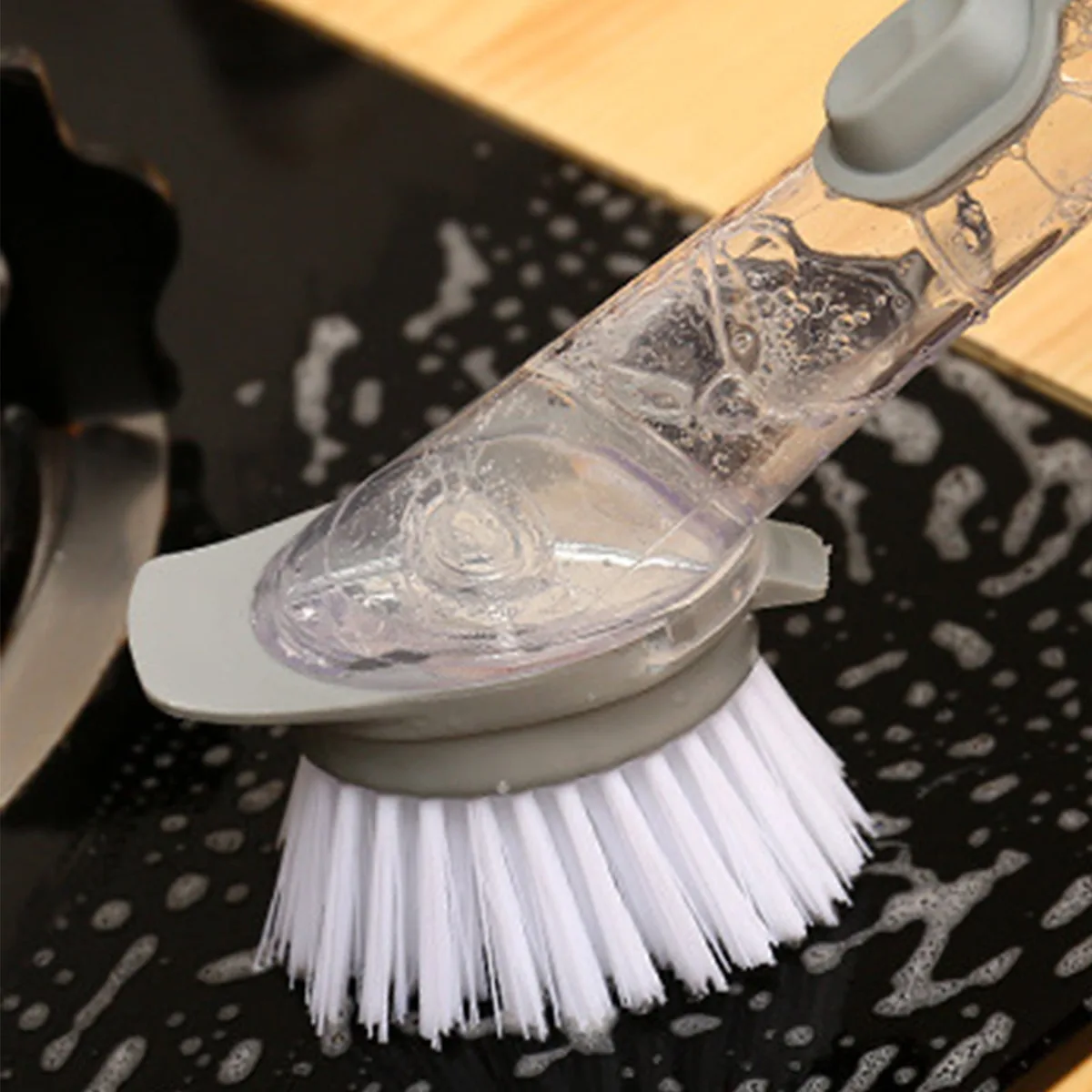
Image source: Bing (Web (fair-use with source credit))
Step 3: Thorough Drying is Key
This is arguably the most critical step after washing. Moisture left on the blade is the primary culprit behind rust and staining, especially for carbon steel knives. Use a clean, dry, lint-free cloth, like a microfiber towel or a soft cotton cloth, to thoroughly dry the entire knife, including the handle and the bolster (where the blade meets the handle).
Make sure to dry the knife completely before putting it away. If you notice any water droplets clinging, give it another gentle wipe. Don't air dry your knives, as this leaves them vulnerable to moisture for too long.
Step 4: Storing Your Clean Knives Properly
Once your knives are sparkling clean and completely dry, it's time to store them. Proper storage protects the blades from damage, keeps them sharp, and prevents accidental cuts. Avoid tossing them loosely into a drawer, where they can bang against other utensils, dulling their edges and potentially causing damage.
Ideal storage options include:
- Knife Block: This is a classic choice. Ensure the slots are clean and dry before inserting the knives.
- Magnetic Strip: A popular choice for easy access and display. Make sure the magnets are strong enough to hold the knives securely.
- In-Drawer Knife Organizer: These are designed to hold knives safely within a drawer, preventing them from sliding around.
- Knife Roll or Case: Excellent for chefs who transport their knives or for long-term storage, protecting each blade individually.
Storing knives with their sharp edges protected is paramount. For instance, a magnetic strip should be placed where it won't be bumped, and knives should be placed and removed carefully.
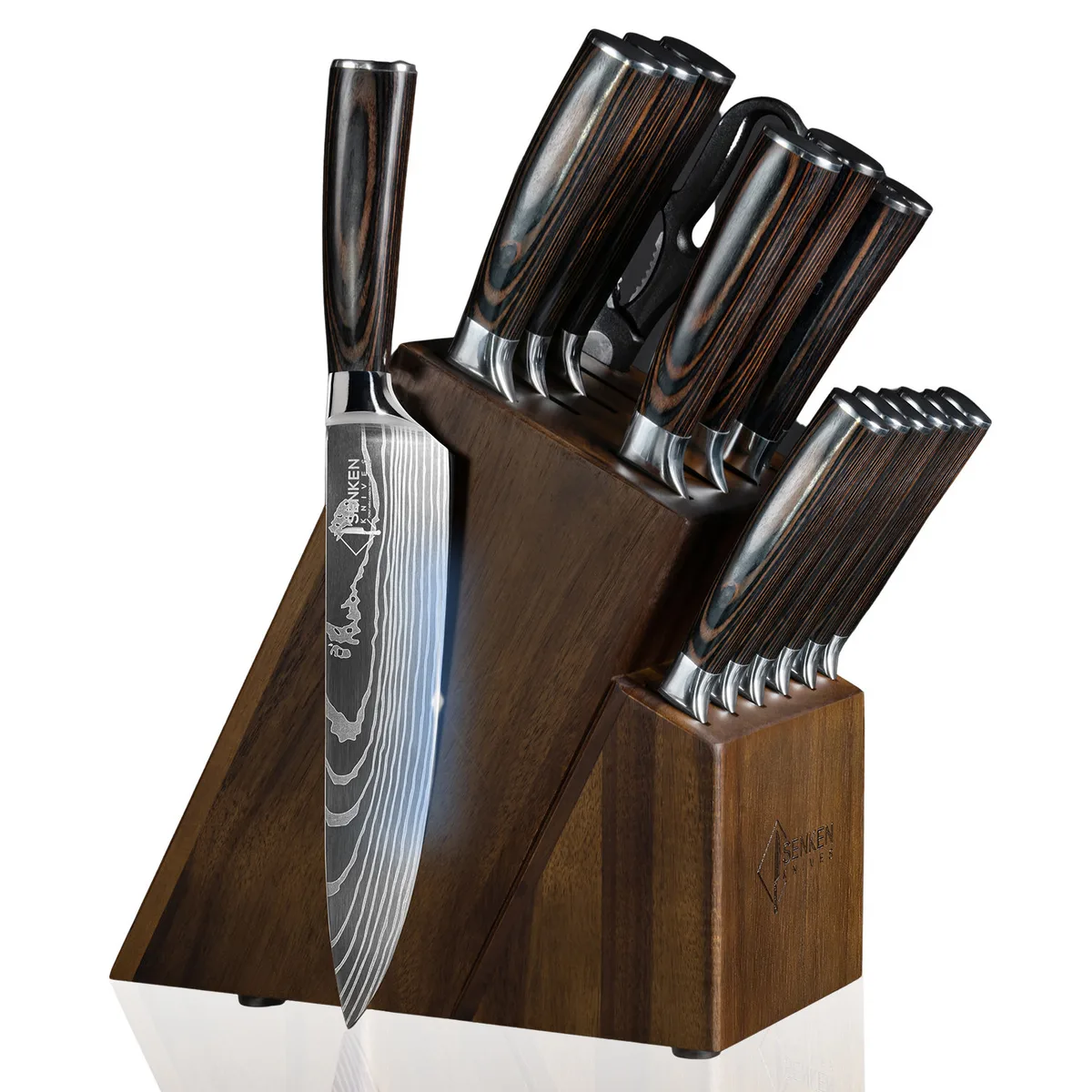
Image source: Bing (Web (fair-use with source credit))
Tackling Stubborn Stains and Rust Spots
Sometimes, despite your best cleaning efforts, you might encounter stubborn stains or the dreaded beginnings of rust on your knife blades. This is especially common with carbon steel knives, which are more prone to oxidation than stainless steel. Don't panic; these issues can often be resolved with a little extra care.
For minor rust spots, a paste made from baking soda and water can be very effective. Apply the paste to the rusted area and let it sit for a few minutes, then gently scrub with a soft cloth or sponge. Rinse thoroughly and dry completely.
For more persistent rust or tough stains, a non-abrasive metal polish specifically designed for knives can be used, but always follow the product instructions carefully. After using any polish, always wash and dry the knife again to remove any residue.
Aggressive scrubbing or using harsh chemicals could lead to permanent damage, so always start with the gentlest method. If you're dealing with a valuable or antique knife, it might be worth consulting a professional knife sharpener or restoration specialist.
Common Cleaning Mistakes to Watch Out For
It's easy to fall into some common traps when cleaning kitchen knives, but knowing what to avoid can save your blades from damage and extend their useful life. The biggest no-no? The dishwasher.
Here are a few pitfalls to sidestep:
- Dishwasher Danger: Most manufacturers strongly advise against putting your knives in the dishwasher. The high heat, harsh detergents, and constant jostling can cause blades to corrode, stain, warp, or even chip. Handles, especially if made of wood or certain plastics, can degrade or loosen. Aggressive wash cycles can also dull the blade edge. If you're looking for dishwasher convenience, you might consider dedicated options like 7 Best Dishwasher for Small Kitchen models, but your good knives are best kept separate.
- Soaking is a No-Go: Leaving knives to soak in a sink full of soapy water is a recipe for disaster, particularly for carbon steel. Prolonged exposure to water is the quickest way to encourage rust and can also damage wooden handles.
- Abrasive Tools: Using steel wool, scouring pads, or gritty cleaning powders can scratch the blade's surface, marring its finish and creating tiny nooks where bacteria can hide. Stick to soft cloths and gentle sponges.
- Air Drying: As mentioned, letting knives air dry is a risky practice. Even a small amount of lingering moisture can lead to rust spots or water stains, especially overnight. Always dry them thoroughly by hand.
Caring for Different Knife Materials: Stainless Steel vs. Carbon Steel
The material your knife blade is made from significantly impacts how you should clean and care for it. While the basic principles of hand washing apply to all, some materials have specific needs.
Stainless Steel Knives
Most modern kitchen knives are made from stainless steel alloys. These are prized for their excellent resistance to rust and corrosion. This makes them relatively low-maintenance.
- Cleaning: Hand wash with mild dish soap and warm water.
- Drying: Thoroughly dry with a soft cloth to prevent water spots.
- Stains: While resistant, they can still stain from highly acidic foods if left too long. A gentle scrub should remove most stains.
- Dishwasher: Still not recommended due to potential for edge damage and handle degradation, but more forgiving than carbon steel if accidentally run through.
Carbon Steel Knives
Carbon steel knives, often favored by chefs for their superior sharpness and edge retention, are more reactive to moisture and acids. They require more diligent care to prevent issues.
- Cleaning: Immediate hand washing after every use is crucial. Never let them sit.
- Drying: Absolute, thorough drying is non-negotiable. Wipe dry immediately and completely.
- Rust: Carbon steel is prone to rusting. Small spots can often be removed with baking soda paste or a non-abrasive metal polish. Regular conditioning helps prevent rust.
- Stains: They can develop a patina, which is a natural darkening of the blade from use and oxidation. This is not rust but can look like staining. It's often considered desirable by enthusiasts.
- Dishwasher: A definite no. It will almost certainly cause rust and can damage the blade and handle.
Understanding the material of your knives helps you tailor your cleaning routine for optimal results. For example, if you're concerned about corrosion, investing in models from the 7 Best Dishwasher collection might seem appealing, but your high-end knives deserve dedicated hand care.
Expert Tips for Keeping Your Knives in Top Shape
Beyond basic cleaning, a few extra steps can significantly prolong your knives' life and performance. This involves mindful maintenance and understanding what helps your tools thrive. For example, regularly oiling your carbon steel knives can create a protective barrier against moisture, preventing rust before it starts.
A thin coating of food-grade mineral oil, applied after cleaning and drying, is generally recommended by manufacturers for this purpose.
Sharpening is also a key part of overall knife maintenance, and it's closely tied to cleaning. A clean blade is easier to sharpen accurately. Over time, improper cleaning can lead to a duller edge, making tasks harder and more dangerous.
Investing in a good sharpening stone or a reliable electric sharpener and learning to use it properly will keep your knives cutting efficiently. Many culinary professionals suggest sharpening your knives at least once every few months, depending on use.
Here are some pro-level tips:
- Hone Regularly: Honing with a steel or ceramic rod realigns the microscopic edge of your blade, keeping it sharp between full sharpenings. Do this before or after each use.
- Inspect Handles: Check wooden handles periodically for signs of drying, cracking, or loosening. If they look dry, a light application of food-grade mineral oil can help restore them.
- Address Rust Immediately: Don't let rust spots linger. The sooner you tackle them with gentle methods, the easier they are to remove, and the less likely they are to cause permanent pitting.
- Avoid the Freezer: Never store knives in the freezer. Extreme cold can make blades brittle and prone to chipping or breaking. This is an important safety consideration, especially if you're looking at solutions for storing food, such as 7 Best Compact Freezer models, but keep knives separate.
Frequently Asked Questions About Knife Cleaning
How often should I clean my kitchen knives?
You should clean your kitchen knives immediately after each use. This prevents food from drying on the blade and minimizes the risk of rust or staining, especially for carbon steel knives.
Can I wash my good chef's knife in the dishwasher?
No, it's strongly advised against washing good chef's knives or any high-quality kitchen knives in the dishwasher. The harsh detergents, high heat, and physical agitation can damage the blade, dull the edge, and degrade the handle material over time. For everyday dishwashing needs, consider options like 7 Best Portable Dishwasher units to handle other kitchenware.
What's the best way to remove rust from a knife blade?
For minor rust spots on stainless steel or carbon steel knives, a paste of baking soda and water can be effective. Apply the paste, let it sit briefly, then gently scrub with a soft cloth. For more stubborn rust, a non-abrasive metal polish might be necessary, followed by thorough washing and drying.
How do I store knives safely to prevent damage?
Store knives in a knife block, on a magnetic strip, in a drawer organizer, or in a knife roll. The goal is to keep the blades separate from other utensils, preventing them from knocking against each other, which can chip or dull the edge. Proper storage also protects you from accidental cuts when reaching into drawers or knife blocks.