How to Backflush an Espresso Machine
Espresso machines are marvels of engineering, but even the best ones need a little TLC. If your shots have started tasting a bit off, or if you're just looking to keep your machine running like a dream, learning how to backflush an espresso machine is a fundamental skill. This simple maintenance task removes built-up coffee oils and grounds that can gunk up the works.
In our research, we've found that consistent backflushing, recommended by most manufacturers at least weekly, significantly extends a machine's lifespan and maintains optimal brewing conditions. Ignoring this can lead to poor shot quality and costly repairs down the line. Let's get your machine sparkling and your coffee tasting its best.
Why Backflushing Your Espresso Machine is a Must-Do
Keeping your espresso machine clean isn't just about aesthetics; it's crucial for the quality of your coffee and the longevity of the equipment. Over time, fine coffee grounds and oily residues from your espresso beans get trapped in the group head and shower screen. These microscopic bits can go rancid, imparting bitter, stale flavors to your freshly pulled shots.
Backflushing is the primary method for tackling this buildup. Per manufacturer specifications, regular backflushing can prevent clogs and ensure consistent water flow, which are vital for proper extraction.
Quick Answer
Backflushing an espresso machine involves running hot water and a specialized cleaner through the group head using a blind basket. This process removes coffee oils and grounds that accumulate, maintaining shot quality and machine health. Perform a quick rinse daily and a full backflush with cleaner weekly or bi-weekly, depending on usage.
Espresso Machine Backflushing: What It Is and Why You Need It
At its heart, backflushing is a deep cleaning process for the internal workings of your espresso machine, specifically targeting the group head. Imagine the fine coffee particles and oils left behind after brewing; they cling to the metal surfaces inside. Without regular cleaning, this residue hardens, acting like a mini-clog that degrades your espresso's flavor and can even stress your machine's pump.
The goal is to use pressurized water, often with a cleaning solution, to force these contaminants out of the system.
Manufacturer specifications for most commercial and high-end home espresso machines, like those from La Marzocco or Breville, emphasize regular backflushing. For instance, La Marzocco recommends backflushing with water daily and with a descaling solution or specific espresso machine cleaner weekly. This proactive maintenance prevents a cascade of issues, from bitter shots to premature wear and tear on vital components like the brew group seal and solenoid valve.
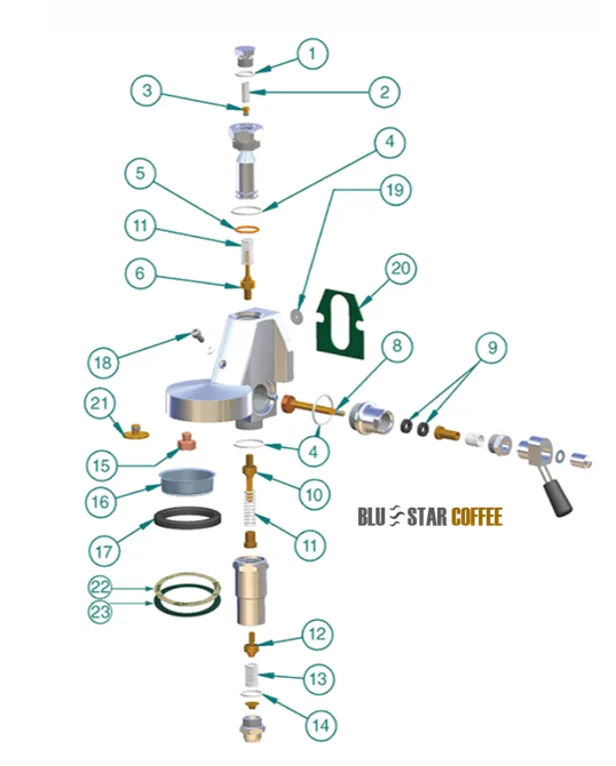
Image source: Bing (Web (fair-use with source credit))
Your Espresso Machine Backflushing Workflow: A Step-by-Step Guide
Getting started with backflushing is straightforward, but precision is key. You’ll need a few specific items to do it right.
1. Prep Your Machine and Gather Supplies
Before you begin, ensure your machine is warm and ready. This helps the cleaning solution work more effectively. You'll need:
- A blind basket: This is a portafilter basket with no holes. It's designed to hold water and cleaner, creating pressure.
- Espresso machine cleaner: Use a cleaner specifically designed for espresso machines, available as powder or liquid. Avoid harsh household cleaners.
- A soft cloth: For wiping down.
Make sure your portafilter is clean and ready to accept the blind basket. If you're using a plumbed-in machine, you won't need to worry about water supply.
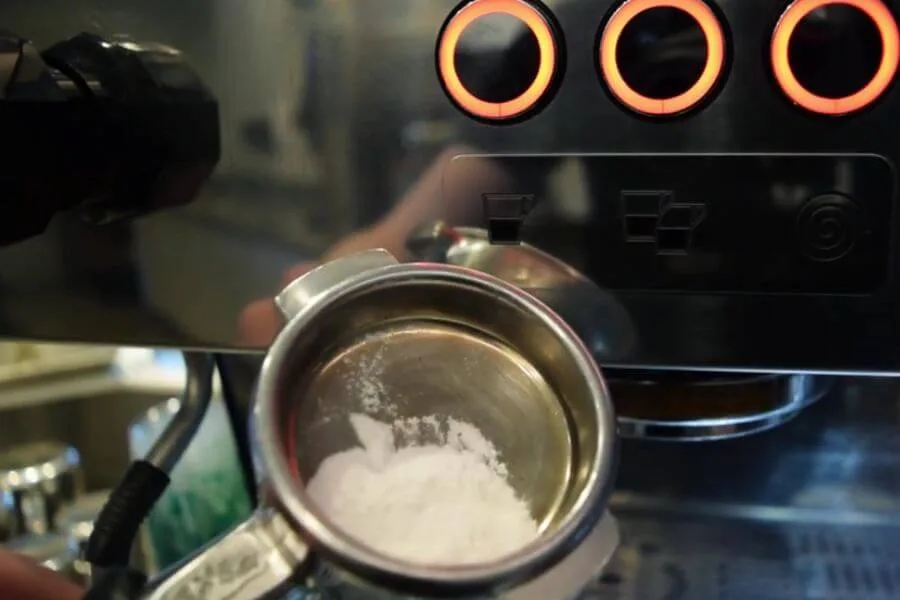
Image source: Bing (Web (fair-use with source credit))
2. Add the Cleaner and Start the Cycle
Place the blind basket into your portafilter. If you're using a powdered cleaner, add the recommended amount (check your cleaner's instructions, typically one teaspoon or a specific scoop). Lock the portafilter into the group head as if you were brewing an espresso shot.
Now, start the brew cycle. Let the water run for about 10-20 seconds. You'll notice water backing up into the blind basket and then potentially draining out through the machine's overflow system (like the drip tray).
This pressure is what forces the water and cleaner into the nooks and crannies of the group head. Turn off the brew cycle. You might repeat this "pulse" a few times.
3. Rinse Thoroughly to Remove All Residue
This step is critical. You must remove all traces of the cleaning solution. Remove the portafilter, dump out any remaining water and cleaner from the blind basket, and rinse it thoroughly.
Re-insert the empty blind basket into the portafilter and lock it into the group head. Run the brew cycle again, this time without any cleaner. You'll want to pulse the water through for 10-20 seconds, turn it off, and repeat this process at least 5-10 times.
Some manufacturers recommend a full 30-second run for each rinse. The goal is to flush out all the cleaning solution. You can tell it's clean when you no longer smell or see any suds or cleaning product.
4. Final Wipe-Down and Check
Once you've thoroughly rinsed the group head, remove the portafilter and blind basket. Wipe down the shower screen and the inside of the group head with a damp cloth to remove any loosened debris. Clean your portafilter and blind basket.
Re-insert your regular, perforated portafilter basket. Run a shot of hot water through it, just like brewing, to ensure everything is clear and the water flows freely. This final flush confirms that no cleaning residue remains and that your machine is ready for your next perfect espresso.
Common Backflushing Mistakes to Dodge
While backflushing seems simple, a few common errors can undermine its effectiveness or even cause issues. Being aware of these pitfalls can save you time and keep your machine in top shape.
- Using the wrong cleaner: This is a big one. Household cleaners, dish soap, or even generic descalers can damage your machine's internal components, especially seals and metal parts. Always use a cleaner specifically formulated for espresso machines. Manufacturers like Urnex or Cafiza are reputable choices, and their product instructions will detail the correct dosage.
- Not rinsing enough: This is perhaps the most frequent mistake. Leaving behind cleaning solution residue is worse than not backflushing at all. It can lead to bitter-tasting coffee and, over time, corrosion. You need to perform multiple, thorough rinse cycles without cleaner after the cleaning cycle. Aggregate user feedback suggests at least 5-10 long rinses are usually necessary.
- Skipping the blind basket: Trying to backflush by just running water through a regular, perforated basket won't create the necessary pressure. The blind basket is essential for building up that back pressure, which is what forces the water into the system to dislodge buildup.
- Over-cleaning or under-cleaning: Backflushing too often with aggressive cleaners can wear down seals. Conversely, not doing it often enough allows significant buildup, making future backflushes less effective and potentially requiring more drastic cleaning later. As of 2026, most guidelines suggest a full backflush with cleaner once a week for heavy use machines, or once every two weeks for lighter home use. Daily quick rinses without cleaner are always beneficial.
- Ignoring manufacturer instructions: Every machine is slightly different. While the core process is the same, your specific machine's manual will detail recommended cleaning agents, frequency, and any unique steps. Always defer to your espresso machine's user manual.
How Often Should You Backflush Your Espresso Machine?
The frequency of backflushing really depends on how much you use your machine and what kind of coffee you're brewing. Think of it like washing your dishes, if you're cooking three meals a day, you'll need to wash them more often than if you only use them once a day.
- Daily Quick Rinses: For most home users who make 1-3 shots per day, a quick rinse of the group head without cleaner at the end of each day is a great habit. Just lock in the blind basket (no cleaner needed) and run hot water for 10-20 seconds. This prevents fresh oils and grounds from hardening overnight.
- Weekly Backflush with Cleaner: For machines used daily, or for any machine producing multiple shots or milk-based drinks, a full backflush with a dedicated espresso machine cleaner is recommended weekly. This deep cleans the internal pathways.
- Bi-Weekly or Monthly (Light Use): If your machine is used only occasionally (e.g., a few times a week), you might get away with a full backflush with cleaner every two weeks or even monthly. However, paying attention to your coffee's taste is key. If it starts tasting bitter or dull, it's time for a clean. If your coffee maker is acting up, you might need to troubleshoot a coffee maker.
- Commercial Use: Machines in cafes or offices that are in constant use need daily backflushing with cleaner, as per most manufacturer guidelines and industry best practices. This is critical to maintain quality and prevent breakdowns.
If you're unsure, check your espresso machine's manual. Brands like Breville, Gaggia, and Rancilio usually provide specific recommendations for their models.
Backflushing vs. Other Espresso Machine Cleaning Methods
Backflushing is a cornerstone of espresso machine maintenance, but it's not the only cleaning task you'll need to perform. Understanding where it fits in the overall cleaning regimen helps ensure your machine runs smoothly.
Backflushing
- What it does: Cleans the internal pathways of the group head, shower screen, and brew valve system.
- When to do it: Regularly. Quick rinses daily, full cleanings weekly to bi-weekly for home use.
- Tools needed: Blind basket, espresso machine cleaner.
- What it doesn't do: Remove mineral scale (like from hard water) or clean the exterior and drip tray.
Image source: Bing (Web (fair-use with source credit))
Descaling
- What it does: Removes mineral buildup (limescale) from the boiler, heating element, and internal water lines. This is crucial if you have hard water.
- When to do it: Periodically, often every 1-3 months, depending on water hardness and machine use. Check your manual.
- Tools needed: Descaling solution (specifically for coffee machines).
- What it doesn't do: Remove coffee oils or grounds. Descaling solutions are acidic and target mineral deposits, not organic residue. You might need to descale a coffee maker periodically.
Group Head Scrubbing
- What it does: Manually cleans the shower screen and gasket to remove visible coffee grounds and oils.
- When to do it: Often done daily or after each use, especially for machines with visible residue.
- Tools needed: A group head brush.
- What it doesn't do: Reach deep into the machine's internal plumbing or remove buildup that backflushing targets. It's more of a surface-level clean.
Exterior Cleaning
- What it does: Cleans the machine's body, drip tray, and portafilter handles.
- When to do it: As needed, usually weekly.
- Tools needed: Damp cloth, mild soap if necessary.
- What it doesn't do: Affect the brewing mechanism or internal components.
Think of it this way: backflushing is like brushing your teeth, descaling is like a deep dental cleaning for mineral buildup, and scrubbing the group head is like rinsing your mouth. You need to do all of them for complete machine hygiene.
Expert Tips for Sparkling Group Heads and Better Coffee
Beyond the basic steps of how to backflush an espresso machine, a few pro tips can elevate your cleaning game and ensure your machine performs at its peak. These insights come from understanding the common challenges users face and the nuances of espresso machine mechanics. Always use food-grade espresso machine cleaners; generic brands can damage components.
Some users find that backflushing with a specialized espresso machine cleaner once a week is sufficient for daily home use.
If you notice your machine is taking longer to heat up, or if your steam wand pressure seems low, it might indicate mineral buildup rather than just coffee oils. In those cases, a descaling process is needed. If you're unsure about the specifics for your machine, consult the manufacturer's guidelines or a professional technician.
Here's a quick rundown of expert advice:
- Listen to your machine: Strange noises during or after a backflush can signal an issue. If you hear grinding or a high-pitched whine, stop and investigate. This could point to a blockage or a failing pump. If your coffee maker is acting up, learning how to fix a coffee maker might be necessary.
- Warm water is best: Always use warm, not boiling, water for backflushing. Very hot water can potentially damage seals or plastic components over time. Most manufacturers recommend water around 195-205°F (90-96°C) for brewing, so aim for a similar temperature for your cleaning cycles.
- Check your gasket regularly: While backflushing cleans the shower screen, the group head gasket (the rubber seal where the portafilter locks in) can also accumulate debris. Inspect it during cleaning and replace it if it looks worn, cracked, or deformed, as a faulty gasket can affect brew pressure and create leaks. If you notice leaks, you might need to fix a coffee maker leaking water.
- Don't forget the portafilter basket: Clean your portafilter baskets separately as well. Soak them in espresso machine cleaner and hot water periodically to remove any lingering oils that backflushing might not reach.
Frequently Asked Questions About Backflushing Espresso Machines
How long does backflushing take?
A quick rinse without cleaner takes about 1-2 minutes to run the cycles. A full backflush with cleaner, including the necessary thorough rinsing, typically takes 10-15 minutes from start to finish.
What kind of cleaner should I use?
Always use a cleaner specifically designed for espresso machines. Brands like Urnex Cafiza or similar products are widely recommended and effective at breaking down coffee oils and residues without harming your machine's components. Avoid general household cleaners.
Can I use vinegar to clean my espresso machine?
No, it's generally not recommended to use vinegar for backflushing. While vinegar can descale, it's acidic and can corrode internal metal parts and rubber seals within an espresso machine. It also leaves a strong odor that can affect coffee taste.
Use a dedicated espresso machine cleaner instead.
What if I don't have a blind basket?
A blind basket is crucial for creating the pressure needed for effective backflushing. If yours is missing or damaged, you’ll need to purchase a replacement. You can usually find them from your espresso machine's manufacturer or specialty coffee equipment retailers.
How can I tell if my backflushing worked?
Your espresso shots should taste cleaner and less bitter. You might also notice improved water flow from the group head. If you still experience dull or bitter flavors after a proper backflush, it could indicate other issues, such as mineral buildup needing descaling, or a need to troubleshoot a coffee maker.