Espresso Machine vs Coffee Maker
Choosing between an espresso machine and a coffee maker can feel like a big decision for any coffee lover. Both promise delicious morning brews, but they deliver them in fundamentally different ways, impacting everything from taste to complexity. Understanding these distinctions is key to finding the perfect machine for your kitchen and your palate.
Our research indicates that while both use hot water and coffee grounds, the core brewing method and resulting beverage are miles apart. For instance, manufacturer specifications for standard drip coffee makers typically cite a brewing temperature around 200°F (93°C), whereas espresso machines operate under significant pressure. This leads us directly into how these machines actually create your daily cup.
Quick Answer
Espresso machines force hot water under high pressure through finely-ground coffee for a concentrated shot. Coffee makers use gravity or immersion for a larger, less intense brewed coffee. Espresso machines are for lovers of rich, crema-topped shots and milk-based drinks, while coffee makers suit those wanting volume and simplicity.
What's the Real Difference? Espresso vs. Drip Coffee Basics
The most significant difference between an espresso machine and a coffee maker lies in the brewing method. A standard coffee maker, like a drip machine, uses gravity to slowly pass hot water over coffee grounds. This process extracts flavor over several minutes, resulting in a larger volume of coffee with a lighter body and less intense flavor profile.
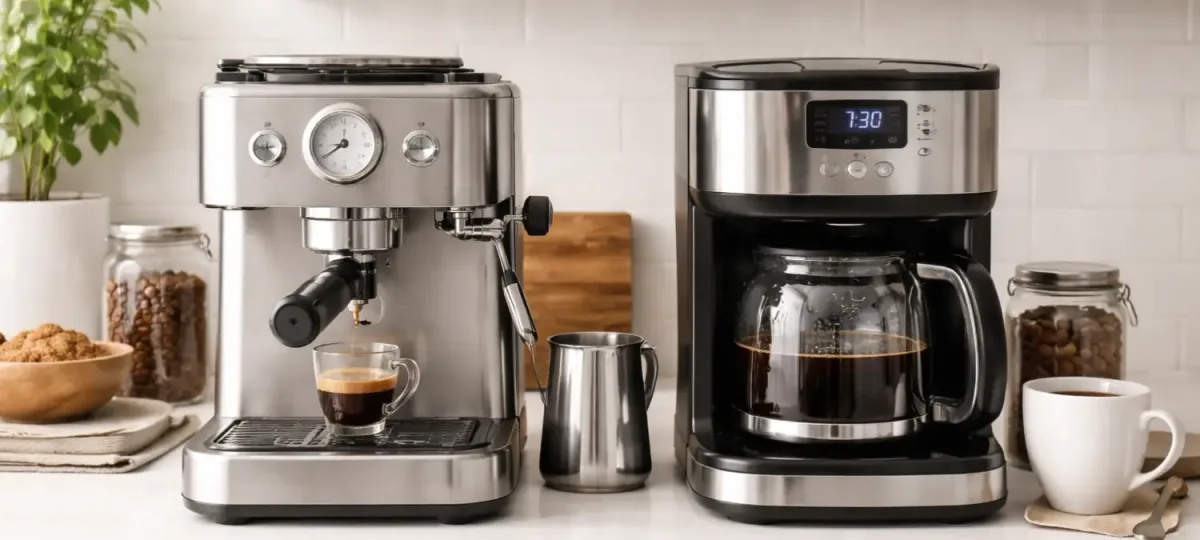
Image source: Bing (Web (fair-use with source credit))
In contrast, an espresso machine employs high pressure, typically between 9 to 15 bars (about 130 to 220 psi), to push hot water through tightly packed, finely-ground coffee in a short amount of time. This rapid, pressurized extraction yields a concentrated shot of espresso, characterized by its intense flavor and rich, reddish-brown crema on top. The result is a bolder, more complex base for a variety of coffee beverages.
Decoding the Brewing: How Espresso Machines and Coffee Makers Work
Espresso Machine Brewing Process
The magic of espresso starts with finely ground coffee, tamped firmly into a portafilter. The machine then heats water to a precise temperature, usually between 195°F and 205°F (90.5°C to 96°C).

Image source: Web (Bing) / isenlin.cn (Web image (fair-use with source credit))
This hot water is then forced through the coffee grounds by a pump, generating significant pressure. This high-pressure extraction, lasting typically 20-30 seconds, quickly pulls out the soluble compounds, oils, and aromatic molecules, creating that signature concentrated espresso shot. The specific pressure and flow rate are crucial for achieving proper extraction and that desirable crema layer.
For those interested in the mechanics, manufacturer specifications often detail the pump's bar rating and water flow rates.
Coffee Maker Brewing Process
Coffee makers operate on a simpler principle, primarily relying on gravity and time. For a drip coffee maker, water is heated and then dripped over coffee grounds held in a filter basket.
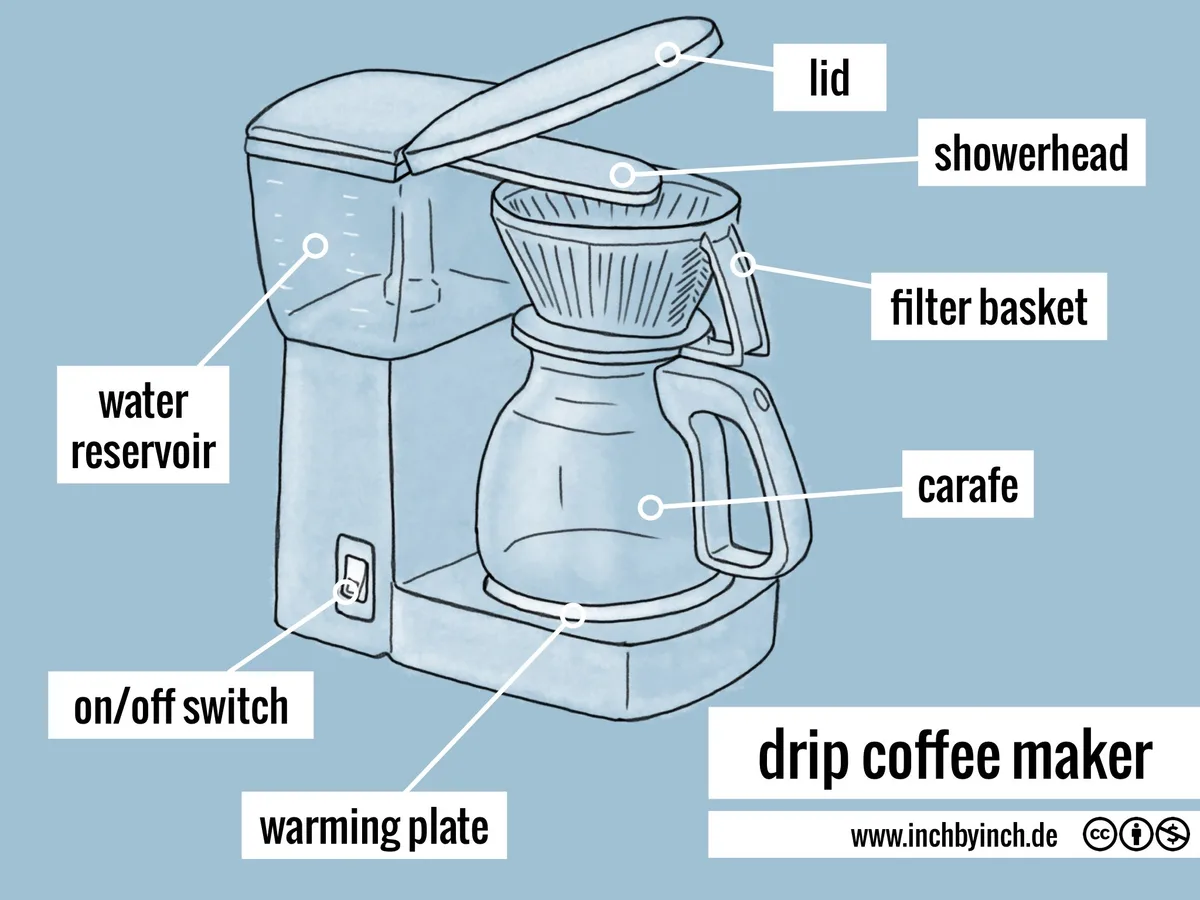
Image source: Bing (Web (fair-use with source credit))
The hot water slowly percolates through the grounds, extracting flavor compounds as it passes through. This process is much slower, often taking 4 to 10 minutes to brew a full pot, and doesn't involve high pressure. French presses, on the other hand, use immersion; coffee grounds steep in hot water for a few minutes before a plunger separates the grounds from the liquid.
Pour-over methods involve manually controlling the water pour over grounds in a filter. Per aggregate user reviews, the consistent, lower-pressure flow is key to the distinct flavor profile of brewed coffee.
Key Features: What to Expect from Each Machine
Espresso Machine Features
Espresso machines are engineered for precision and power. They typically feature a robust pump system capable of generating the high pressure needed for extraction. You'll find integrated boilers to maintain consistent water temperature and a portafilter to hold the coffee grounds.
Many machines also include a steam wand, a crucial component for frothing milk to create lattes, cappuccinos, and other milk-based espresso drinks. Features can range from manual controls for experienced users to semi-automatic and super-automatic options that automate some or all of the brewing steps. Some higher-end models even have built-in grinders, ensuring the freshest possible grounds for every shot.
For enthusiasts seeking fine control over their brew, models offering precise temperature and pressure adjustments are highly sought after. Many top-tier machines are designed with stainless steel boilers for durability and efficient heating.
Coffee Maker Features (Drip, Pour-Over, French Press)
Coffee makers are generally designed for simplicity and volume. Drip coffee makers typically have a water reservoir, a heating element, a filter basket, and a carafe. Programmable features are common, allowing you to set a brew time in advance, which can be a lifesaver on busy mornings.
Pour-over devices, like a Chemex or V60, are much simpler, often just a cone and a filter. They offer manual control over water flow and temperature. French presses are also straightforward: a glass or metal beaker with a plunger and filter.
While they lack complex electronics, their appeal is in their simplicity and the rich, full-bodied coffee they produce. The absence of paper filters in French presses means more of the coffee's natural oils make it into the cup. For those prioritizing ease of use, models with a "keep warm" function are also popular.
The Pros and Cons: Weighing Your Brewing Options
When deciding between an espresso machine and a coffee maker, it's helpful to look at the distinct advantages and disadvantages each offers. This isn't about declaring a winner, but about understanding what fits your lifestyle and coffee preferences best.
Espresso Machine Advantages & Disadvantages
The biggest draw of an espresso machine is its ability to produce authentic espresso. This means you unlock a world of drinks like macchiatos, americanos, and lattes right in your own kitchen. Many espresso machines, particularly semi-automatic and super-automatic models, offer impressive consistency once dialed in, meaning your morning shot tastes the same day after day.
Aggregates of user feedback also indicate that the ability to steam and froth milk for specialty drinks is a major plus for households with diverse coffee tastes. As of 2026, manufacturers continue to refine features like temperature stability and pump longevity.
However, espresso machines come with significant considerations. They are generally more expensive upfront than most coffee makers, and high-quality models can represent a substantial investment. Learning to pull a perfect shot often involves a learning curve, requiring practice with grind size, tamping, and extraction time.
Maintenance can also be more involved, with regular descaling and cleaning of specialized parts necessary to keep the machine performing optimally. For example, official guidance from standards bodies like ASME (American Society of Mechanical Engineers) emphasizes the importance of regular maintenance for complex machinery to ensure safe and effective operation.
Coffee Maker Advantages & Disadvantages
Coffee makers, especially drip machines, excel at convenience and volume. You can easily brew a full pot, often 8-12 cups, perfect for families or for having coffee ready throughout the morning. Their operation is typically very simple: add water, add grounds, press a button.
Many models offer programmability, allowing you to set a brew time in advance, which can be a lifesaver on busy mornings.
Their cost is also a significant advantage; you can find reliable drip coffee makers for well under $100. French presses and pour-over devices are even more budget-friendly and don't require electricity, making them great for portability or situations without power. The downside for some is the flavor profile; while pleasant, it lacks the intense, concentrated character and crema of espresso.
Some lower-end drip machines might also struggle with maintaining optimal brewing temperatures, leading to a less flavorful cup. French presses can also result in sediment if not prepared carefully.
Who Needs What? Best Brewers for Different Coffee Lovers
Espresso Machines: For the Dedicated Drinker
If you're drawn to the rich complexity of espresso, love crafting lattes, or just appreciate a potent, concentrated coffee kick, an espresso machine is likely your best path. These machines are ideal for those who see coffee making as more than just a necessity, but as a hobby or a craft. For example, the National Coffee Association (NCA) notes that many home baristas invest in espresso machines to replicate coffee shop quality.
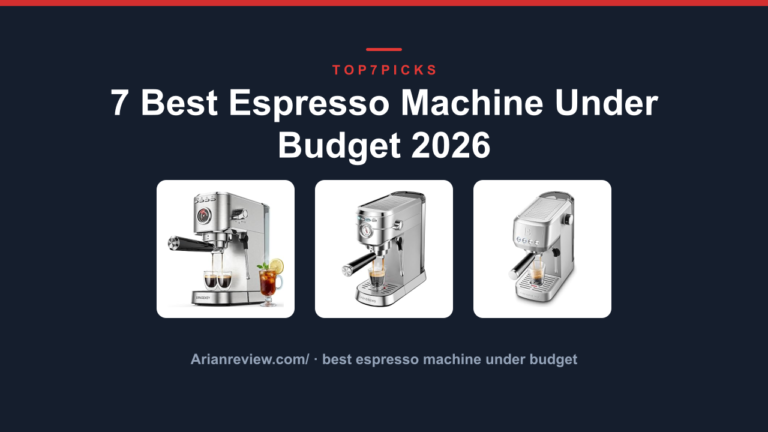
If you're interested in exploring machines that offer great value without breaking the bank, our research on affordable espresso options can provide a starting point. Similarly, if your heart is set on mastering the art of cappuccino, examining espresso machines designed for cappuccino could be very insightful. These machines cater to a user who enjoys experimenting with different beans and techniques to achieve their perfect shot.
Coffee Makers: For Everyday Ease and Variety
Coffee makers, particularly automatic drip machines, are champions of simplicity and volume. They're perfect for households where multiple people drink coffee, or for individuals who want a whole pot ready to go with minimal effort. If you prefer a straightforward, no-fuss way to get your caffeine fix, a drip coffee maker is hard to beat.
For instance, many models are programmable, allowing you to set a brew time the night before.
For beginners or those short on kitchen space, exploring beginner-friendly coffee makers or units designed for small kitchens can be a great starting point. These devices prioritize ease of use and affordability, making good coffee accessible to everyone. The variety of coffee makers available means there's an option for nearly any need, from single servings to full carafes.
Common Pitfalls: Mistakes to Avoid When Choosing and Brewing
One of the biggest mistakes people make when comparing espresso machines and coffee makers is assuming they serve the exact same purpose. If you buy an espresso machine expecting to easily brew a large pot of black coffee, you'll likely be disappointed. Similarly, trying to make an espresso shot with a drip coffee maker simply won't work due to the lack of pressure.
Understanding the fundamental brewing difference is paramount.
Another common error is skimping on the grinder, especially for espresso. Manufacturer specifications consistently highlight the need for a high-quality burr grinder capable of producing a very fine and consistent grind for espresso. Using a blade grinder or a low-quality burr grinder can lead to uneven extraction, bitter or sour shots, and a frustrating experience.
For regular coffee, a good burr grinder still significantly elevates flavor compared to pre-ground beans or blade grinders. Incorrect tamping pressure or water temperature can also ruin an espresso shot, turning potential perfection into disappointment.
The Price Tag: Understanding the Investment for Each
When you look at the cost, there's a broad spectrum for both types of machines. You can find basic drip coffee makers for as little as $20 to $50. Mid-range, programmable models typically fall between $50 and $150, and high-end or specialized brewers might cost $200 or more.
French presses and pour-over setups are generally very affordable, often under $50.
Espresso machines, however, represent a more significant investment. Entry-level espresso machines, often manual or very basic semi-automatics, can start around $100 to $200. However, good quality semi-automatic machines with reliable pumps and temperature control usually range from $300 to $1000.
Super-automatic machines, which offer push-button convenience for a wide range of espresso drinks, can easily cost $800 to $3,000 or even more. If you're considering a higher-end espresso machine, exploring top-rated semi-automatic options or fully automatic models can provide context on what to expect in terms of features and price.
Frequently Asked Questions About Espresso vs. Coffee Makers
Can I make espresso with a regular coffee maker?
No, you cannot make true espresso with a standard coffee maker. Espresso requires high pressure, typically 9 bars or more, to force water through finely ground coffee. Coffee makers use gravity or immersion at much lower pressures, producing brewed coffee, not espresso.
Which is better for making lattes and cappuccinos?
An espresso machine is essential for making lattes and cappuccinos. These drinks rely on a concentrated shot of espresso as their base, which coffee makers cannot produce. Espresso machines with steam wands also allow you to froth milk for the characteristic texture of these beverages.
Is a coffee maker cheaper than an espresso machine?
Generally, yes. Basic drip coffee makers are significantly less expensive than even entry-level espresso machines. While high-end coffee makers can approach the cost of basic espresso machines, the average price point for coffee makers is much lower.
Do I need a special grinder for espresso?
Yes, a high-quality burr grinder is crucial for espresso. Espresso requires an extremely fine and consistent grind to withstand the high pressure. Blade grinders and most regular coffee grinders cannot achieve this fineness or consistency, leading to poor espresso extraction.
For example, manufacturer specifications for espresso grinders often detail grind settings in microns.
Which is easier to use: an espresso machine or a coffee maker?
For basic brewing, most coffee makers, especially automatic drip machines, are easier to use than espresso machines. Operating an espresso machine, particularly learning to pull a good shot, often involves a steeper learning curve. Super-automatic espresso machines offer push-button simplicity but come with a much higher price tag.
Your Verdict: Making the Final Choice
Deciding between an espresso machine and a coffee maker boils down to your personal coffee habits and preferences. If you're looking for a simple, high-volume brew and the convenience of "set it and forget it," a coffee maker, particularly a drip machine, is likely your best bet. They're forgiving, affordable, and deliver a familiar cup every time.
For those who appreciate the ritual of brewing or enjoy a less filtered, more robust cup, a French press or pour-over setup offers excellent flavor and control at a lower cost and complexity.
On the other hand, if your coffee dreams involve rich, concentrated espresso, creamy cappuccinos, or experimenting with shot extraction like a barista, then an espresso machine is the way to go. Be prepared for a potentially higher upfront cost and a learning curve, especially with semi-automatic models. However, the reward is the ability to recreate your favorite coffee shop drinks at home.
For anyone considering this path, looking into beginner-friendly espresso machines can help ease the transition. Ultimately, the "better" machine is simply the one that consistently makes the coffee you love.