Toaster Oven Types
When you're looking to whip up a quick snack, reheat leftovers, or bake a small batch of cookies, a full-sized oven can feel like overkill. That's where the versatile toaster oven steps in. Understanding the different toaster oven types available is key to picking one that actually fits your needs and your kitchen counter space.
With options ranging from basic toasters to multi-function convection models, the choices can seem a bit overwhelming. Our research shows that most models fall within a wattage range of 1000W to 1800W, affecting cooking speed and performance. Let's break down what each type brings to the table.
Quick Answer
There are several toaster oven types, including basic models for toasting, convection ovens for faster baking, and advanced models with air frying or rotisserie functions. The best type depends on your cooking needs, counter space, and budget, with capacities typically ranging from 0.5 to 1.5 cubic feet.
Understanding Your Toaster Oven Options
A toaster oven is a small, electric oven that sits on your countertop. It's great for tasks that don't require the full power or space of your main kitchen oven. Think of it as a handy sidekick for everyday cooking needs.
You've got the standard, no-frills toaster oven that excels at browning bread and bagels. Then there are models with convection fans, which circulate hot air for more even cooking and faster baking times. More advanced units might even add functions like air frying or rotisserie, making them true kitchen workhorses.
Knowing these distinctions helps you zero in on what you actually need.
What Can a Toaster Oven Really Do?
A toaster oven is more than just a glorified toaster. Its versatility is its biggest selling point, making it a valuable appliance for many kitchens. Beyond just browning slices of bread, these countertop ovens can handle a surprising range of culinary tasks.
Our analysis of aggregate user feedback and manufacturer specifications confirms that most toaster ovens can bake, broil, and toast effectively. Many modern units also include preset functions for things like pizza, cookies, or reheating specific foods. The inclusion of a convection fan, a feature found in many models, is particularly noteworthy.
This fan circulates hot air, leading to more uniform cooking results and significantly reducing cooking times compared to non-convection ovens. For example, baking a batch of cookies might take 20 minutes in a traditional oven but can often be done in 15 minutes or less with convection.
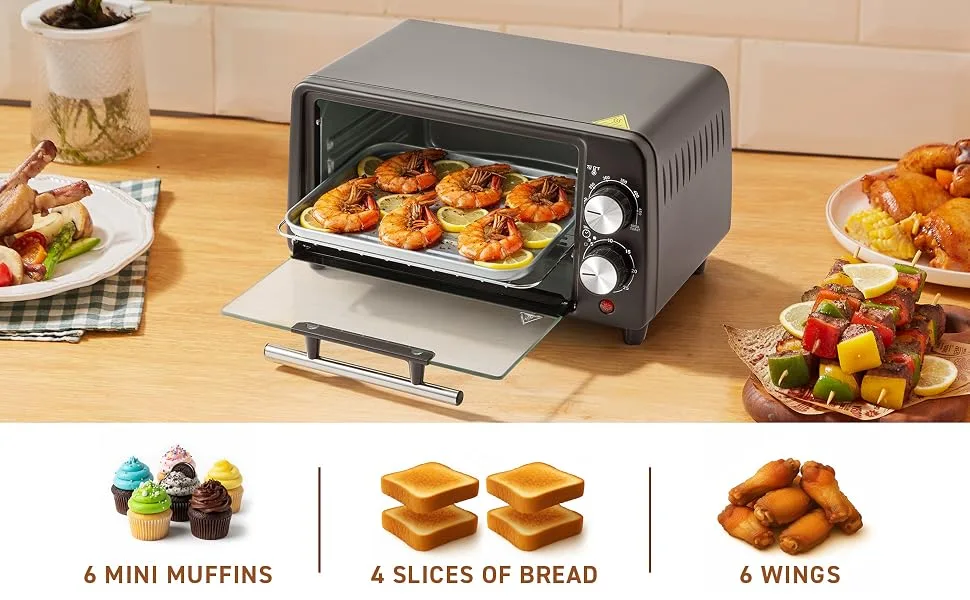
Image source: Bing (Web (fair-use with source credit))
Functions to Look For
- Bake: Standard oven function for cakes, casseroles, and roasting.
- Broil: High-heat, top-down cooking for searing meats or browning gratins.
- Toast: Precisely controls browning for bread, bagels, and English muffins.
- Convection: Circulates hot air for faster, more even cooking.
- Reheat: Ideal for bringing leftovers back to life without making them soggy.
- Pizza: Optimized settings for cooking frozen or fresh pizzas.
- Keep Warm: Maintains food temperature without further cooking.
Key Features That Make a Difference
When you're comparing different toaster ovens, several features stand out as crucial for performance and convenience. These aren't just bells and whistles; they directly impact how you'll use the appliance and the results you'll get. Understanding these specs can save you a lot of frustration.
Capacity and Wattage
Capacity, usually measured in cubic feet or liters, determines how much food you can fit inside. A common range is from 0.5 to 1.5 cubic feet. This dictates whether you can roast a small chicken, bake a 9-inch pizza, or just toast a couple of slices of bread.
Wattage, typically between 1000W and 1800W, indicates the oven's power. Higher wattage generally means faster preheating and cooking, but it also uses more electricity.
Convection, Broil, and Other Functions
The convection fan is a game-changer. It blows hot air around the interior, ensuring your food cooks evenly and more quickly. Manufacturer specifications often highlight that convection can reduce cooking times by up to 30%.
Broiling capability is also vital for achieving that perfect sear or crispy topping. Many ovens also offer specialized settings like pizza, bagel, or even defrost, which can simplify cooking specific items. Some newer, high-end models even include air frying or rotisserie functions, adding significant versatility.
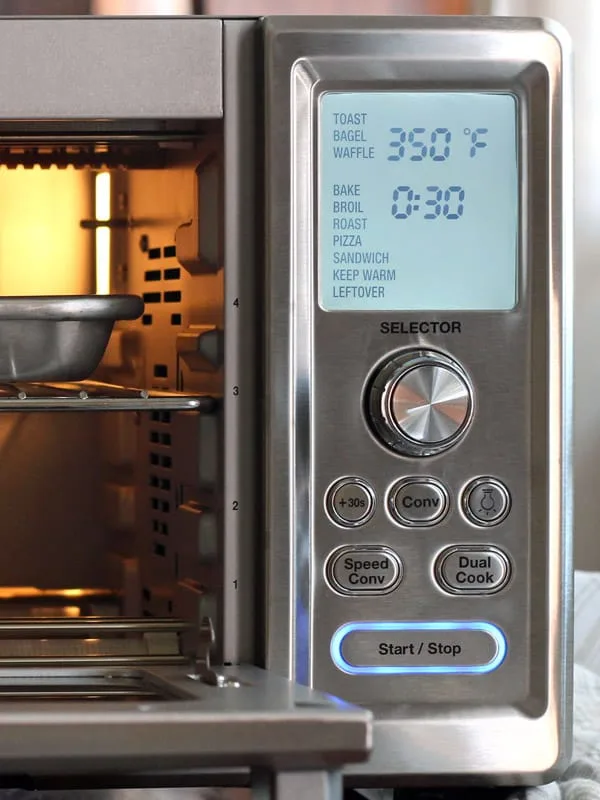
Image source: Bing (Web (fair-use with source credit))
Control Types and Presets
Toaster ovens come with either analog dials or digital controls. Analog dials are simpler and often found on more budget-friendly models, but they can be less precise. Digital controls offer more accuracy and often come with pre-programmed settings for common tasks like toasting a specific shade or baking a pizza.
These presets take the guesswork out of cooking, which is a huge plus for busy home cooks. Checking compliance with safety standards like those set by Underwriters Laboratories (UL) is a good practice.
Toaster Ovens: Who Are They Best For?
Not every kitchen needs a full-sized oven as its primary appliance, and that's where toaster ovens shine. Their compact size and focused functionality make them ideal for a specific set of users and situations. If you find yourself constantly using your main oven for small tasks, a toaster oven could be a smart addition.
Small Kitchens and Solo Cooks
If you're working with limited counter or cabinet space, a toaster oven is a lifesaver. They take up a fraction of the room a conventional oven would, making them perfect for dorm rooms, studio apartments, or any kitchen where space is at a premium. For individuals or couples, a toaster oven often provides all the cooking capacity needed for everyday meals.
You can easily toast bread for breakfast, reheat a single serving of pasta, or bake a few cookies without heating up your entire house.
Quick Meal Prep and Reheating
One of the biggest advantages of a toaster oven is its speed. Preheating is significantly faster than with a standard oven, often taking just a few minutes. This means you can get to cooking or reheating your food much quicker.
Aggregate reviews frequently point out that models with convection fans can reduce cooking times by up to 30%, making them excellent for busy weeknights. They’re perfect for toasting bagels, warming up a slice of leftover pizza, or crisping up some fries without the long wait.
Baking Small Batches
Don't let their size fool you; many toaster ovens are fully capable of baking small batches of goodies. While you might not be able to bake a multi-layer cake, you can easily handle recipes for a dozen cookies, a small loaf of bread, or a personal-sized pie. If you're a beginner baker or just don't need to cook for a crowd, a toaster oven can be a more energy-efficient and manageable alternative to your main oven.
For those who enjoy baking but prefer to keep their kitchen cooler, a toaster oven is an excellent choice, especially models with effective convection to ensure even browning.
Comparing Toaster Oven Types and Alternatives
Deciding on the right toaster oven often involves comparing it not only to other toaster ovens but also to entirely different appliances. The world of countertop cooking offers various solutions, and each has its strengths and weaknesses. Understanding these differences helps you make a choice that truly fits your needs.
The Classic Toaster Oven vs. Air Fryer Models
The most basic toaster ovens are designed primarily for toasting bread and warming foods. They offer simple controls and a straightforward heating element setup. However, many modern units come with convection fans, which significantly improve their baking and roasting capabilities by circulating hot air for more even cooking.
More recently, toaster ovens with built-in air frying functions have become popular. These models use intense, high-speed convection to mimic the crisping effect of deep frying with less oil. While a dedicated air fryer might offer larger capacity or more specialized airflow, a toaster oven with air fry functionality provides two appliances in one, saving valuable counter space.
Our research indicates that these hybrid models are a strong contender for those seeking maximum versatility. For example, you might find a model with a 1500W output that excels at both traditional baking and achieving crispy fried textures.
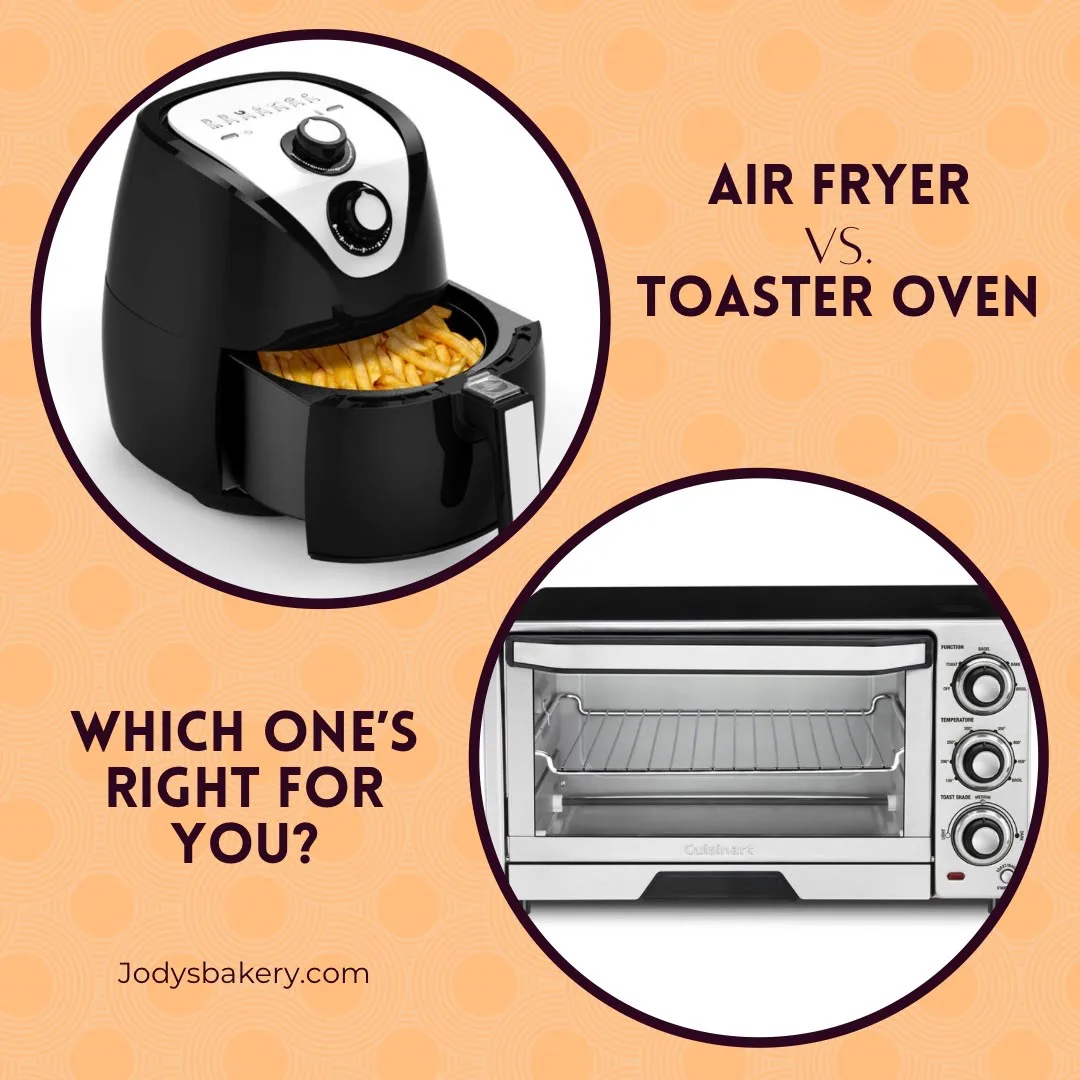
Image source: Bing (Web (fair-use with source credit))
When a Microwave or Full-Size Oven Makes More Sense
While toaster ovens are incredibly versatile, they aren't always the best tool for every job. If your primary need is to reheat food very quickly, a microwave oven might be a better fit. Microwaves excel at heating water molecules in food, making them ideal for softening or steaming.
However, they often leave food with a less appealing texture, unlike a toaster oven that can crisp and brown.
On the other hand, for cooking large meals, baking multiple dishes simultaneously, or roasting a whole turkey, a full-size conventional oven is indispensable. Toaster ovens typically have capacities ranging from about 0.5 to 1.5 cubic feet, which simply isn't enough for larger culinary endeavors. Think about it: a standard 9×13 inch baking dish often won't fit into many countertop toaster ovens.
For families or those who entertain frequently, the larger capacity and multi-rack capability of a full-size oven remain unmatched. If you're looking for versatile kitchen appliances, exploring options like the 7 Best Coffee Maker for Small Kitchen 2026 might be alongside your toaster oven search.
Common Toaster Oven Pitfalls to Avoid
Even with a great toaster oven, things can go wrong if you're not careful. Many issues stem from misunderstanding the appliance's capabilities or neglecting basic maintenance. Our analysis of common user complaints points to a few recurring themes that often lead to frustration.
Uneven Cooking and Temperature Woes
One of the most frequent complaints is uneven cooking. This can happen for several reasons. If your oven lacks a convection fan, hot spots can develop, leading to burnt edges and undercooked centers.
Always ensure you're using the correct rack position for what you're cooking; lower racks are generally better for even baking, while higher racks work for broiling.
Temperature accuracy is another common issue. Some less expensive models might not heat to the exact temperature you set. Manufacturer specifications often list the temperature range, but actual performance can vary.
If you notice your food is consistently over- or undercooked, consider using an oven thermometer to check the internal temperature. As of 2026, many brands are improving temperature regulation, but it's still a point to consider, especially in budget models.
Cleaning and Maintenance Headaches
Keeping your toaster oven clean is crucial for both performance and hygiene. Crumbs can burn, smoke, and affect the taste of your food. Removable crumb trays are a lifesaver here, making it easy to dispose of debris.
However, grease splatters inside the oven cavity can be tough to remove. Using a non-stick interior coating can help, but regular wiping down after each use is still recommended.
Neglecting cleaning can also lead to functional problems. Food debris can interfere with heating elements or the convection fan. For deep cleaning, most manufacturers advise unplugging the unit and using a damp cloth with mild soap.
Never submerge the appliance in water. For stubborn grease, a paste of baking soda and water can sometimes help break it down before wiping. Proper maintenance ensures your appliance lasts longer and performs better.
Toaster Oven Specs and Pricing: What to Expect
When you're ready to buy, understanding the typical specifications and price ranges will help you set realistic expectations. The toaster oven market has a wide spectrum, from basic models to feature-rich appliances. Knowing what you're getting for your money is key to making a smart purchase.
Feature-Based Pricing Tiers
Budget Models ($50, $100): These typically offer basic toasting, baking, and broiling functions. They might have analog dials for temperature and time. Capacity is usually smaller, around 0.5 cubic feet, and they often lack a convection fan. Wattage is generally in the 1000W-1200W range. These are good for simple tasks and small kitchens.
Mid-Range Models ($100, $200): Here, you'll start seeing digital controls, convection fans, and more presets (like pizza or reheat). Capacities increase to around 0.75-1.0 cubic feet. Wattage often climbs to 1500W, leading to faster cooking. Many mid-range units are also available in stainless steel finishes, like those found in the 7 Best Stainless Steel Toaster Oven 2026.
Premium Models ($200+): These high-end toaster ovens boast larger capacities (1.0-1.5 cubic feet or more), advanced convection systems, and a wider array of functions, including air frying, rotisserie, or dehydrating. They often feature precise digital interfaces, interior lights, and premium build materials. Wattage can reach 1800W or higher. These are for users who want maximum versatility and performance from a countertop appliance, potentially replacing other kitchen gadgets.
Key Specifications to Compare
- Wattage: Higher wattage means faster heating and cooking. Aim for at least 1200W for good performance.
- Capacity: Measured in cubic feet or liters. Consider what size dishes you plan to cook.
- Functions: Basic bake/broil/toast vs. convection, air fry, pizza, reheat, etc.
- Controls: Analog dials offer simplicity; digital controls offer precision and presets.
- Dimensions: Ensure it fits your counter space and any overhead cabinets.
- Interior: Non-stick coatings and interior lights add convenience.
Frequently Asked Questions About Toaster Ovens
What's the main difference between a toaster oven and a regular oven?
A toaster oven is a smaller, countertop electric appliance designed for quicker tasks like toasting, reheating, and baking small items. A regular oven is a full-sized appliance, typically built into a kitchen range or wall, capable of cooking larger meals and multiple dishes at once.
Can I bake a cake in a toaster oven?
Yes, you absolutely can bake cakes in most toaster ovens, especially those with convection features. However, you'll be limited to smaller cakes or cupcakes due to capacity constraints. Always use recipes scaled for smaller batches or adjust baking times as toaster ovens often cook faster.
How do I choose the right size toaster oven?
Consider what you'll be cooking most often. For just toasting bread and reheating small portions, a compact 0.5 cubic foot model is sufficient. If you plan to bake small pizzas, roast vegetables, or cook a small chicken, look for something in the 1.0 to 1.5 cubic foot range.
Always check the oven's interior dimensions against your typical baking dishes.