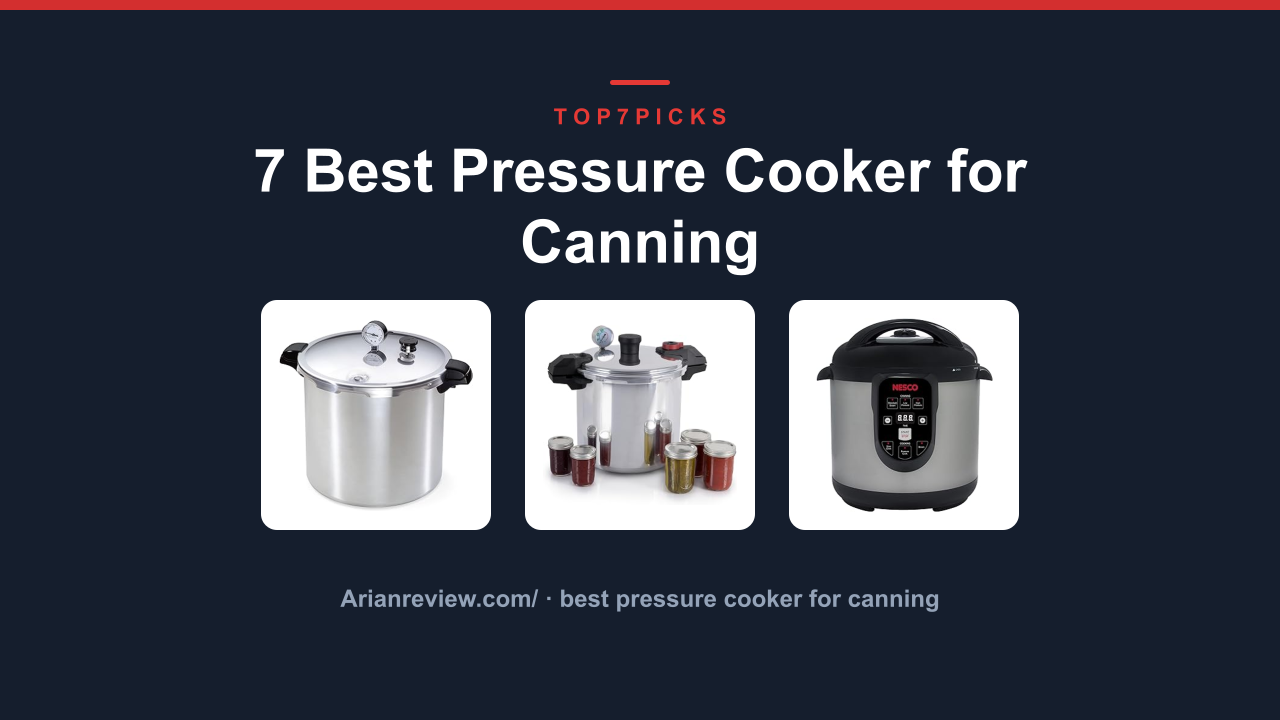
7 Best Pressure Cooker for Canning
Canning is such a rewarding way to preserve the fruits (and veggies!) of your labor, extending the bounty of the harvest long into the colder months. When it comes to canning, especially low-acid foods like vegetables, a pressure canner is non-negotiable. Using a pressure canner ensures your food reaches the high temperatures needed to destroy harmful bacteria like Clostridium botulinum, making it safe to eat.
The best best pressure cooker for canning is the Presto 01781 23-Quart Pressure Canner Cooker, a tried-and-true workhorse that has been trusted by home canners for years.
If you're looking for a more automated experience, the NESCO NPC‑9 Smart Electric Pressure Canner offers digital controls for simpler operation, though it comes with a smaller capacity. This guide will walk you through what makes a great pressure canner for canning, highlighting key features and helping you avoid common pitfalls. We’ll also cover who might be better off skipping this category altogether.
Remember, all the details you'll find below are based on the latest product specifications, manufacturer data, and feedback from verified buyers. We're not a lab, but we've dug deep to bring you the most practical insights.
As an Amazon Associate, I earn from qualifying purchases.
Quick Answer: The Best Pressure Cooker for Canning
The best best pressure cooker for canning is the Presto 01781 23-Quart Pressure Canner Cooker, offering immense capacity and a reliable pressure system for safe food preservation.
- Presto 01781 23-Quart Pressure Canner Cooker (Best Overall): A robust, large-capacity canner that’s a long-time favorite.
- T-fal 22-Quart Aluminum Pressure Canner (Best Value): A solid option with multiple pressure settings and included accessories.
- NESCO NPC‑9 Smart Electric Pressure Canner (Best Electric): Easy to use with digital controls for fuss-free canning.
- Presto 02152 17-Quart Digital Pressure Canner (Best for Small Batches): A digital option for those who don't need massive batches.
- 23 Qt Canning Pot Supplies Starter (Best Kit): Comes with essential canning tools to get you started right away.
- Presto 01784 23-Quart Induction Compatible Pressure (Best for Induction): Perfect for those with induction cooktops, offering flexibility.
- 25 Quart Pressure Canner Cooker & (Largest Capacity): Offers the absolute most space for canning large quantities.
Thinking about water bath canning or pickling? Jump to Who Should NOT Buy below before you spend anything.
Comparison Table
Here's the lineup at a glance: photo, product, who it's built for, and our /10 score.
| Photo | Product | Best for | Score | Buy |
|---|---|---|---|---|
 | Presto 01781 23-Quart Pressure Canner Cooker | Serious home canners | 9.4/10 | Check price → |
 | T-fal 22-Quart Aluminum Pressure Canner | Budget-conscious families | 8.9/10 | Check price → |
 | NESCO NPC‑9 Smart Electric Pressure Canner | Beginner cooks | 9.1/10 | Check price → |
 | Presto 02152 17-Quart Digital Pressure Canner | Smaller households | 8.8/10 | Check price → |
 | 23 Qt Canning Pot Supplies Starter | New canners | 8.7/10 | Check price → |
 | Presto 01784 23-Quart Induction Compatible Pressure | Induction cooktops | 9.3/10 | Check price → |
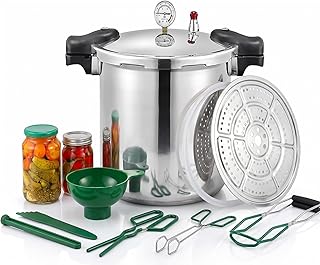 | 25 Quart Pressure Canner Cooker & | Maximum volume needs | 8.5/10 | Check price → |
Scroll sideways on small screens to see every column.
Presto 01781 23-Quart Pressure Canner Cooker: Best Overall for Serious Home Canners
T-fal 22-Quart Aluminum Pressure Canner: Best Value for Budget-Conscious Families
NESCO NPC‑9 Smart Electric Pressure Canner: Best Electric for Beginner Cooks
Presto 02152 17-Quart Digital Pressure Canner: Best for Smaller Households
23 Qt Canning Pot Supplies Starter: Best Kit for New Canners
Presto 01784 23-Quart Induction Compatible Pressure: Best for Induction Cooktops
25 Quart Pressure Canner Cooker &: Largest Capacity for Maximum Volume Needs
Buying Guide: Pressure, Capacity, and Safety Features
Choosing the right pressure canner is crucial for ensuring the safety and quality of your preserved foods. It’s not just about picking the biggest one; it's about finding the right fit for your needs and kitchen. Let's break down what to look for.
Pressure and Safety Mechanisms
The primary function of a pressure canner is to reach and maintain temperatures above boiling (240°F or 116°C for low-acid foods). This is achieved by building pressure inside the sealed unit. All pressure canners designed for food preservation operate within a safe PSI (pounds per square inch) range, typically controlled by a weighted gauge or a regulator.
- Weighted Gauges: These are simple and effective. They vent steam at specific pressure levels, making a jiggling sound to indicate the correct pressure is being maintained. This is common on models like the Presto 01781. They are generally reliable and don't require recalibration.
- Regulators: Some canners use a pressure regulator that locks in at a set PSI. The 25 Quart Pressure Canner Cooker & uses a regulator that maintains 15.5 PSI, a standard for many canning recipes.
- Digital Controls: Electric models, like the NESCO NPC‑9, often have digital displays that show exact pressure and temperature, and they automatically regulate it. This can be very user-friendly, especially for beginners.
- Safety Valves: All reputable pressure canners will have safety features like over-pressure release valves or plugs to prevent dangerous pressure build-up. Always inspect these before each use.
Capacity Considerations
How much food do you plan to can at once? This is a key question. The canners we've looked at range from 17 quarts to 25 quarts.
- Small Batches (17-20 Quarts): Ideal for individuals, couples, or those who can only a few times a year. These take up less storage space and are easier to handle. The Presto 02152 17-Quart Digital Pressure Canner fits this category.
- Medium to Large Batches (22-23 Quarts): These are the most popular sizes for home canners, offering a good balance between volume and manageability. They can typically hold 7-10 quart jars. The Presto 01781 and T-fal 22-Quart are in this range.
- Extra-Large Batches (25+ Quarts): If you’re a serious homesteader, have a large garden, or are canning for a very large family, a 25-quart canner like the 25 Quart Pressure Canner Cooker & is your best option. Be mindful of the weight and storage requirements.
When considering capacity, think not only about the number of jars but also the size of the jars (quarts vs. pints).
Material and Stovetop Compatibility
The material of your canner affects heating efficiency and durability.
- Aluminum: Lightweight and heats quickly and evenly, making it a popular choice for stovetop canners like the Presto and T-fal models. It’s generally affordable but can be prone to denting.
- Stainless Steel: More durable and resistant to staining and corrosion than aluminum. Electric canners often use stainless steel. If you have a stovetop, ensure your chosen stainless steel canner is induction-compatible if you have an induction cooktop. The NESCO is a good example of a stainless steel option.
Other Important Features
- Included Accessories: Some canners, like the 23 Qt Canning Pot Supplies Starter, come bundled with essential tools like jar lifters and tongs, which can save you money and hassle.
- Ease of Cleaning: Consider how easy the canner is to clean after use. Removable racks and simple designs can make this task much quicker. If you're curious about how to best clean your kitchen equipment, learning how to clean kitchen scales is a good parallel skill.
Who Should NOT Buy Best Pressure Cooker for Canning
This category of appliance, the pressure canner, is designed for a specific purpose: safe canning of low-acid foods. It's not the right tool for everyone.
You Need to Pickle or Can Fruits, Jams, or Jellies
If your primary goal is preserving high-acid foods like fruits, pickles, jams, and jellies, a simple boiling water bath canner will suffice. These foods don't require the high temperatures a pressure canner achieves because their acidity prevents the growth of harmful bacteria like Clostridium botulinum. Using a pressure canner for these items is unnecessary and can sometimes affect the texture or quality of the food.
For these tasks, a large stockpot or a dedicated water bath canner will be more suitable.
You Need to Cook Soups, Stews, or Grains Quickly
While pressure canners build pressure, they are not designed for general cooking like a stovetop pressure cooker. They are built to maintain a constant, high temperature for extended periods for sterilization, not for rapid cooking of meals. If you're looking for something to speed up cooking time for everyday meals, a dedicated stovetop or electric pressure cooker is a much better choice.
For instance, if you've ever wondered about how to clean a stand mixer after making dough, that process is unrelated to the high-pressure sealing required for canning.
You Primarily Need a Slow Cooker
Slow cookers operate at much lower temperatures and for longer durations, resulting in tender, flavorful dishes through gentle, consistent heat. Pressure canners work by creating high heat and pressure to preserve food safely by killing microorganisms. They are not designed to cook food slowly and gently over many hours.
If slow cooking is your main interest, you should look at dedicated slow cooker models.
Final Verdict
For those serious about preserving low-acid foods safely and efficiently, the Presto 01781 23-Quart Pressure Canner Cooker stands out as the top choice. Its substantial capacity, reliable weighted gauge, and durable aluminum construction have made it a trusted tool in home kitchens for years, making it perfect for canning large batches.
If you're looking for a more budget-friendly option that still offers significant capacity, the T-fal 22-Quart Aluminum Pressure Canner is a solid contender, especially with its included accessories. For those who prefer the ease of digital controls and the convenience of an electric appliance, the NESCO NPC‑9 Smart Electric Pressure Canner is an excellent choice for beginner cooks.
Need a smaller capacity with digital precision? The Presto 02152 17-Quart Digital Pressure Canner offers that balance. And if you’re just starting and want an all-in-one solution, the 23 Qt Canning Pot Supplies Starter kit provides everything you need to get going.
For kitchens with induction cooktops, the Presto 01784 23-Quart Induction Compatible Pressure canner is the way to go. Finally, for those who truly need the largest volume possible, the 25 Quart Pressure Canner Cooker & delivers unmatched capacity.
Before you make your final decision, consider if a pressure canner is truly what you need. If you're only canning fruits or making jams, a boiling water bath canner is sufficient. And if your focus is on speeding up everyday cooking or slow-cooking meals, a dedicated pressure cooker or slow cooker would be more appropriate.
FAQ
What's the best Pressure Cooker for Canning overall?
The Presto 01781 23-Quart Pressure Canner Cooker is our top pick for its large capacity, reliability, and long-standing reputation among home canners.
Can I use a regular pressure cooker for canning?
No, you should not use a standard stovetop or electric pressure cooker for canning low-acid foods. They do not reach or maintain the consistent, high temperatures (240°F/116°C) required to destroy harmful bacteria like Clostridium botulinum, which can cause botulism. Canning requires a canner specifically designed for the task, which has the necessary pressure monitoring and safety features.
How many jars can a 23-quart pressure canner hold?
A 23-quart pressure canner can typically hold seven one-quart jars or ten pint jars.
What is the difference between a pressure canner and a pressure cooker?
A pressure canner is designed to reach temperatures above boiling for safe preservation of low-acid foods. A pressure cooker is designed for faster cooking of everyday meals, reaching lower temperatures and pressures than a canner. They are not interchangeable for canning purposes.
What PSI should I use for canning?
For most canning recipes, especially those involving vegetables, you'll need to reach 10 PSI at sea level for a weighted gauge or 11 PSI for a dial gauge. Some recipes or higher altitudes may require higher pressures, as indicated in specific canning instructions. Always follow your recipe's guidelines precisely.
Do I need a gasket for pressure canning?
Yes, a properly sealing lid with a gasket (or a locking band and sealing mechanism) is essential for a pressure canner to build and maintain the necessary pressure for safe canning. Always check the condition of your canner's gasket or sealing components before use.