How to Troubleshoot a Hand Mixer
Image source: Bing (Web (fair-use with source credit))
So, your trusty hand mixer decided to throw a tantrum right when you needed it most? We've all been there. That moment when you’re in the middle of whipping up a cake or making a quick sauce and suddenly… nothing.
It’s incredibly frustrating when kitchen tools stop working.
But don't toss it just yet! Understanding how to troubleshoot a hand mixer can save you time, money, and a whole lot of baking stress. Many common issues have simple fixes.
We'll walk you through the most frequent problems and how to tackle them, drawing on manufacturer specifications and common user feedback.
Quick Answer
Troubleshooting a hand mixer involves checking power, beater seating, and looking for obstructions. If it's dead, test outlets and the power cord. If beaters don't spin, ensure they're locked in.
For odd noises or smells, unplug it and inspect for debris or motor issues, as a burning smell indicates immediate danger.
The Obvious Checks: Is It Plugged In and Switched On?
Before we dive into anything complicated, it's always worth double-checking the absolute basics. This is where many "broken" appliances get a second life. It’s easy to overlook these when you’re focused on your recipe.
Power Source and Switch Confirmation
First, ensure the appliance is securely plugged into a functioning electrical outlet. Manufacturer specifications confirm that a loose connection is a common cause of a mixer not powering on. If you suspect the outlet, try plugging in another small appliance to see if it receives power.
If other devices don't work in that outlet, the problem is with your home's wiring, not the mixer. Also, make sure the speed setting or trigger switch on the mixer is fully engaged and not stuck in the "off" position.
My Hand Mixer Has No Power: What's Going On?
When your hand mixer is completely unresponsive, no lights, no hum, absolutely nothing, it usually points to an issue with its connection to the power source or a critical internal failure. This is the most concerning symptom, but often the easiest to resolve if the problem is external.
Checking the Outlet and Cord
The initial step is to confirm the power source is active. A faulty wall outlet is a frequent culprit for a dead appliance. Test the outlet with a known working device.
If that outlet is confirmed to be functional, then inspect the mixer's power cord. Look for any visible damage, such as cuts, nicks, or fraying. According to electrical safety guidelines, a damaged power cord presents a serious fire and shock hazard and should not be used.
When a Dead Mixer Means a New Mixer
If you’ve tried multiple working outlets and the power cord appears to be in perfect condition, the issue might be internal. This could involve a problem with the mixer's internal wiring or a failure of the motor itself. For many consumer-grade hand mixers, the cost and complexity of diagnosing and repairing internal electrical faults or motor issues often exceed the price of a new unit.
Aggregated user feedback suggests that for mixers priced under $50, replacement is usually the most practical and cost-effective solution once external checks fail.
The Beaters Won't Spin: Why the Motor's Not Engaging
You flip the switch, the motor hums to life, but those beaters just aren't turning. This is a common hiccup, especially when you're trying to mix something with a bit more resistance. It’s frustrating, but usually fixable without much fuss.
Ensuring Beater Seating
A primary reason for this problem is that the beaters aren't fully or correctly attached. Hand mixers use a specific mechanism to lock the beaters into place, engaging them with the motor’s drive shaft. If a beater isn’t pushed in firmly enough, or if it’s slightly out of alignment, the motor might spin without actually turning the implement.
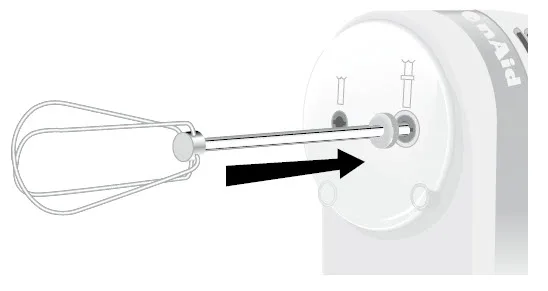
Image source: Bing (Web (fair-use with source credit))
To fix this, unplug the mixer. Remove both beaters, check them for any bent parts that might prevent full insertion, and then reinsert them firmly. You should hear a distinct click as each beater locks into its socket.
A gentle tug afterward confirms they are secure.
Addressing Overloads and Obstructions
Another significant cause for the beaters not spinning, especially mid-mix, is overloading the motor. Hand mixers have smaller motors with limited torque. Manufacturer specifications often warn against mixing excessively thick doughs or attempting to process very large batches, as this can strain the motor to the point it disengages or shuts off to protect itself.
If the mixer stops while mixing, try removing half of the contents from the bowl and see if it resumes operation. If it does, you'll need to work in smaller batches or consider a more powerful appliance for heavy-duty tasks.
Sometimes, small bits of food or debris can get lodged in the beater shafts or the drive mechanism, preventing them from turning freely. After unplugging the mixer, carefully inspect the area where the beaters attach. Use a toothpick or a small brush to gently remove any stuck-on batter or ingredients.
This ensures the shafts can move without hindrance and engage properly with the motor.
Weird Noises: Grinding, Sputtering, or Stalling Explained
A mixer that sounds "off" is usually giving you a clear signal that something isn't right. These noises aren't just annoying; they often point directly to the source of the problem, whether it's mechanical or electrical. Paying attention to the specific sound can help narrow down the issue significantly.
Pinpointing the Noise Source
First, try to isolate where the strange sound is originating from. Is it coming from the front where the beaters attach, or does it seem to emanate from the main body of the mixer, where the motor is housed? A grinding noise near the beaters could indicate a mechanical obstruction or worn gears within the beater housing.
Conversely, a sputtering or struggling sound from the motor housing might suggest the motor itself is under strain or beginning to fail.
Clearing Mechanical Blockages
If the noise seems mechanical, the first step remains the same: unplug the mixer. Then, meticulously check the beater shafts and the sockets they connect to for any lodged food particles, dried batter, or foreign objects. Sometimes, a small piece of ingredient can become trapped, causing friction and noise.
A gentle cleaning with a soft brush or toothpick can often resolve this. If the beaters themselves appear bent or damaged, they might be the cause of unusual sounds as they rotate unevenly.
When the Motor Might Be the Issue
If you’ve cleared any obvious obstructions and the noise persists, or if the sound clearly comes from the motor housing, it could indicate internal motor wear or a developing electrical fault. Motors contain gears and bearings that can wear down over time, leading to grinding or whirring sounds. Aggregate user reviews for many mid-range hand mixers suggest that after approximately 500-1000 hours of use, or about 5-7 years depending on usage frequency, motor issues can become more prevalent.
Diagnosing and repairing motor problems on most consumer hand mixers is rarely feasible for the average user; replacement is often recommended.
A Burning Smell? Stop Immediately!
If your hand mixer starts emitting a burning smell, this is an immediate red flag and a critical safety warning. This isn't a minor inconvenience; it indicates a potentially dangerous situation involving overheating components or electrical malfunctions. Do not hesitate to stop using the appliance.
Understanding the Danger
A burning odor, particularly if it smells like plastic or electrical insulation, means internal components, most commonly the motor, are overheating. This can occur due to prolonged use, an internal short circuit, or a failure in the motor's cooling system or windings. According to safety standards, overheating electrical components can pose a significant fire risk.
Continuing to use a mixer that emits a burning smell can lead to more severe damage to the appliance or even a fire.
What to Do When You Smell Burning
The absolute first step is to immediately unplug the hand mixer from the electrical outlet. Never try to continue using it or even briefly test it again if the smell is strong or persistent. Allow the mixer to cool down completely, which might take at least 30 to 60 minutes.
Once it's cooled, you can perform a brief visual inspection. Look for any signs of melted plastic on the exterior housing, especially around the motor vents. If you see any damage, discoloration, or if the smell returns even after a long cooling period when you briefly plug it in to test, it signifies a serious internal problem.
In such cases, the unit should be retired from use and replaced.
Essential Safety When Troubleshooting
When you're troubleshooting any electrical appliance, especially one that deals with moving parts and electricity like a hand mixer, safety has to be your absolute top priority. It's not just about fixing the problem; it's about ensuring you don't create a new, more dangerous one.
Electrical Hazard Awareness
Always remember that electricity can be dangerous. Before you touch any part of the mixer, particularly the internal mechanisms or the power cord, ensure it is completely unplugged from the wall outlet. Manufacturer guidelines consistently emphasize unplugging the device before any inspection or cleaning.
Water and electricity are a dangerous combination, so never attempt to troubleshoot a mixer in a damp environment or with wet hands. If you notice any damage to the power cord or the unit's housing, treat it as a significant hazard.
When to Prioritize Safety Over Repair
Sometimes, the urge to fix something yourself is strong, but it's crucial to know when to step back. If you see exposed wires, signs of melting, or if the burning smell persists even after cooling, the risk of electrical shock or fire is too high. According to safety standards, a damaged appliance that poses a risk should not be used.
For most hand mixers, especially less expensive models, the cost of professional repair would likely exceed the expense of purchasing a new one. It's often more practical and much safer to invest in a replacement unit than to risk injury or further damage.
Frequently Asked Questions About Hand Mixer Problems
Why does my hand mixer suddenly stop working?
A hand mixer can stop working for several reasons. It might be an issue with the power supply, like a tripped breaker or a faulty outlet, or the power cord itself could be damaged. Internally, the motor might have overheated and engaged a safety shut-off, or it could be experiencing a more serious mechanical or electrical failure.
Overloading the mixer with a very thick mixture can also cause it to stop.
Can I fix a hand mixer with a burning smell?
No, you should not attempt to fix a hand mixer that emits a burning smell. This indicates a serious internal problem, likely with the motor or electrical wiring, which poses a significant fire and shock hazard. Immediately unplug the unit and, for safety reasons, it's best to replace it rather than attempt a repair.
How do I know if my hand mixer is broken beyond repair?
If you've gone through basic troubleshooting steps like checking the power source, ensuring beaters are properly seated, and clearing obstructions, and the mixer still doesn't work, it might be beyond economical repair. Signs like a persistently strong burning smell, visible damage to the power cord, or a motor that makes severe grinding noises even after cleaning often indicate the mixer has reached the end of its usable life.
What's the most common hand mixer problem?
The most common problems users report with hand mixers involve the unit not turning on at all or the beaters failing to spin even when the motor seems to be running. These issues are often related to power connection problems, improper beater installation, or simple blockages in the mechanism.
Comparing Hand Mixers to Other Mixing Tools
When your hand mixer isn't cooperating, it’s natural to think about what else you could use. Understanding the strengths of other kitchen tools can help you decide if a repair is even worth it, or if it's time to invest in a different kind of mixer. Each tool has its sweet spot, making it suitable for different tasks.
When a Stand Mixer is the Better Choice
A stand mixer is the heavy hitter for serious bakers. It’s designed for larger batches and tougher jobs like bread dough or large quantities of meringue. Unlike a hand mixer, a stand mixer has a more powerful motor and a bowl that stays put, freeing you up to do other things.
If you find yourself frequently overloading your hand mixer or needing more consistent results for big recipes, a stand mixer is a worthwhile upgrade. We've covered top-rated brewers if you're exploring new kitchen appliances.
When a French Press or Pour Over is Needed
While not direct mixing tools, other coffee-making devices illustrate the concept of specialized tools. A French press is great for immersion brewing, creating a rich, full-bodied coffee, much like a hand mixer is great for quickly aerating batters. On the other hand, a pour-over method offers more control over extraction, similar to how a hand mixer gives you direct control over the mixing process.
Learning how to use a French press or how to use a pour over coffee maker can also be fun kitchen explorations.
The Simplicity of a Manual Whisk
For very small tasks or when you want a lighter touch, a manual whisk is indispensable. It’s perfect for lightly combining dry ingredients or quickly whisking eggs for a single serving. It requires more effort but offers absolute control and is, of course, impossible to "break" electronically.
It’s the simplest mixing tool available.
Common Mistakes When Troubleshooting Hand Mixers
Even with the best intentions, it’s easy to make missteps when you’re trying to get your hand mixer back in working order. Knowing these common errors can help you avoid further frustration or even damage. Most are simple oversights that happen when you’re in a hurry.
Forgetting the Power Cord
One of the most frequent mistakes is forgetting to unplug the mixer before inspecting or cleaning it. This is a critical safety oversight. Always disconnect the appliance from the power source first.
Another related error is not checking the power cord itself for damage. A frayed or cut cord is a hazard, and attempting to use it can lead to electrical shock or fire. If you see any such damage, the cord cannot be safely used.
Overlooking Beater Seating
A surprisingly common issue that leads people to think their mixer is broken is improperly seated beaters. Users might assume they're locked in when they're not quite clicked into place. This prevents the motor from engaging the beaters, leading to the "beaters won't spin" problem.
A quick tug on the beater after insertion will confirm if it's secure.
Ignoring Overheating Warnings
Another mistake is continuing to use a mixer when it starts to smell hot or shut off. Hand mixers have thermal protection, but pushing them beyond their limits can cause permanent motor damage. If the mixer overheats and stops, give it ample time to cool down completely, usually at least 30 minutes, before attempting to use it again.
Pushing through this safety feature can ruin the appliance.
When to Consider a Different Mixer Type
Sometimes, troubleshooting reveals that your hand mixer isn't just having a bad day; it might be the wrong tool for the job. Understanding the limitations of a hand mixer compared to other appliances helps you make informed decisions about your kitchen toolkit.
The Limits of Hand Mixer Power
Hand mixers are fantastic for lighter tasks like whipping cream, mixing cake batters, or creaming butter and sugar. However, their motors and design aren't built for heavy-duty work. Trying to knead bread dough or mix very thick cookie dough can easily overload the motor, leading to stalling, overheating, or even permanent damage.
If your baking involves these tougher tasks, you'll quickly find a hand mixer insufficient.
Stand Mixers for Serious Bakers
For consistent, heavy-duty mixing, a stand mixer is the clear winner. Its larger, more robust motor and stable base can handle thick doughs and large volumes effortlessly. If your troubleshooting reveals your hand mixer struggles with anything more than a standard cake batter, it might be time to explore options like a quality toaster oven or a stand mixer for your more demanding culinary projects.
This can prevent future frustration and potential damage to smaller appliances.
Other Tools for Specific Jobs
Don't forget about simpler tools. A good old-fashioned whisk is perfect for small tasks like beating eggs for breakfast or lightly combining dry ingredients. For tasks requiring more power but less of a batter-like consistency, a food processor can be useful.
Each tool has its niche, and knowing when to reach for each saves wear and tear on your appliances.
What If My Mixer Still Doesn't Work?
If you've diligently followed all the troubleshooting steps, checked power sources, ensured beaters are properly seated, and listened for any unusual noises or smells, and your hand mixer still refuses to cooperate, it's likely time to face the reality that it might be beyond simple repair. This is often the hardest part, but sometimes the most practical solution.
Assessing the Cost of Repair
For most common hand mixers, especially those in the lower to mid-price range, professional repair services are rarely cost-effective. Repair shops typically charge a diagnostic fee plus labor, which can quickly add up to more than the price of a new unit. Manufacturer warranties, if still valid, are your best bet for repair, but these usually cover manufacturing defects, not wear and tear or damage from misuse.
If your mixer is several years old, it has likely seen significant use, and its internal components may simply be worn out.
When Replacement is the Smart Choice
Consider the age and original cost of your hand mixer. If it's an older model or was an inexpensive purchase, the financial outlay for a new, reliable appliance is often a better investment than attempting to fix an aging one. Plus, newer models might offer improved features or efficiency.
For instance, many modern hand mixers as of 2026 come with improved motor designs and ergonomic grips, making them more comfortable and powerful to use. Exploring options that fit your baking needs, perhaps looking at reviews for reliable kitchen appliances, can help you find a suitable replacement quickly.
Deciding Your Mixer's Future: Repair or Replace?
After going through these troubleshooting steps, you'll likely have a pretty good idea of what's ailing your hand mixer. The decision to repair or replace often comes down to a few key factors, primarily the nature of the problem and the age or value of the appliance.
If the issue was something simple like a loose beater or a clogged mechanism, you've likely fixed it already. These are the easiest and most satisfying problems to solve, restoring your mixer to full working order with minimal effort. These types of fixes are well within the capabilities of most home users and don't require specialized tools or knowledge.
However, if you're facing issues like a persistent burning smell, a damaged power cord, or a motor that's making alarming noises, it's usually time to consider replacement. For many consumer-grade hand mixers, particularly those that are several years old or were not high-end models to begin with, the cost of attempting a repair, even if you could find parts, would likely be more than purchasing a new one. A new hand mixer, as of 2026, can range from $25 for basic models to $100 or more for premium ones with extra features, offering a fresh start with a reliable appliance.
Prioritizing safety and reliability means knowing when to let an old appliance go.