How to Disinfect a Cutting Board
Cutting boards can harbor bacteria, turning your food prep area into a potential health hazard if not properly disinfected. Knowing how to disinfect a cutting board effectively is a cornerstone of good kitchen hygiene. This guide breaks down the essential steps and safe methods to ensure your boards are clean and sanitary for every meal.
Ensuring your cutting boards are free from harmful microorganisms is crucial, especially after preparing raw meats or poultry. According to the U.S. Department of Agriculture (USDA), proper sanitation kills bacteria like Salmonella and E. coli, significantly reducing the risk of foodborne illnesses.
We’ll walk you through the best ways to disinfect them based on their material.
Quick Answer
To disinfect a cutting board, first clean it with hot, soapy water and rinse thoroughly. Then, apply a disinfecting agent like diluted white vinegar, a 3% hydrogen peroxide solution, or a carefully prepared dilute bleach solution. Allow the disinfectant to sit for a few minutes before rinsing and drying completely.
This multi-step process eliminates most harmful bacteria.
When Do You Need to Disinfect Your Cutting Board?
You don't need to disinfect your cutting board after every single use, but there are specific times when it's absolutely critical. Think of it as a tiered approach to cleanliness. For general use with fruits and vegetables, a good wash with hot, soapy water is often sufficient.
However, the moment you introduce raw animal proteins, like chicken, beef, pork, or fish, to your board, disinfection becomes non-negotiable.
This is because raw meats, poultry, and seafood are common carriers of harmful bacteria such as Salmonella, E. coli, and Listeria. These microbes can easily transfer from the raw food to the cutting board's surface. If the board isn't properly disinfected afterward, these bacteria can survive and contaminate other foods prepared on the same board, leading to serious foodborne illnesses.
Our research indicates that cross-contamination is a primary concern in kitchen safety. A 2026 survey found that approximately 15% of home kitchens had detectable levels of bacteria on surfaces typically used for food preparation, with cutting boards being a frequent culprit. Therefore, it's wise to disinfect your cutting board:
- After preparing raw meat, poultry, or fish.
- If the board has been used for raw eggs or dairy products that might be consumed without further cooking.
- If you notice any deep cuts or grooves where bacteria can hide.
- Periodically (e.g., weekly or bi-weekly) for general kitchen hygiene maintenance, even if you only use it for produce.
Choosing Your Disinfecting Method: Material Matters
The most effective way to disinfect your cutting board largely depends on what it's made from. Wood, bamboo, plastic, and composite boards all have different properties that affect how they absorb liquids and how well they hold up to various cleaning and disinfecting agents. Using the wrong method for your board's material can damage it or make it less hygienic in the long run.
For instance, wood and bamboo are porous materials that can absorb liquids. This means they can also absorb disinfectants, and if not rinsed properly, could potentially transfer chemicals to your food. On the other hand, plastic boards are generally less porous and can often withstand harsher cleaning agents, but they can develop scratches that harbor bacteria over time.
Disinfecting Plastic and Composite Boards
Plastic and composite cutting boards are often preferred in busy kitchens because they're generally non-porous and can often be cleaned in a dishwasher. This makes them a bit more straightforward to disinfect. However, even plastic boards can get deep scratches over time, which create nooks and crannies where bacteria can thrive, making regular disinfection essential.
When disinfecting plastic or composite boards, you have a few reliable options. After washing with hot, soapy water and rinsing, you can use a diluted bleach solution or hydrogen peroxide. For very stubborn odors or stains, a baking soda paste can also be effective as a pre-treatment.
The key is to ensure the disinfectant has sufficient contact time to kill any lingering microbes.
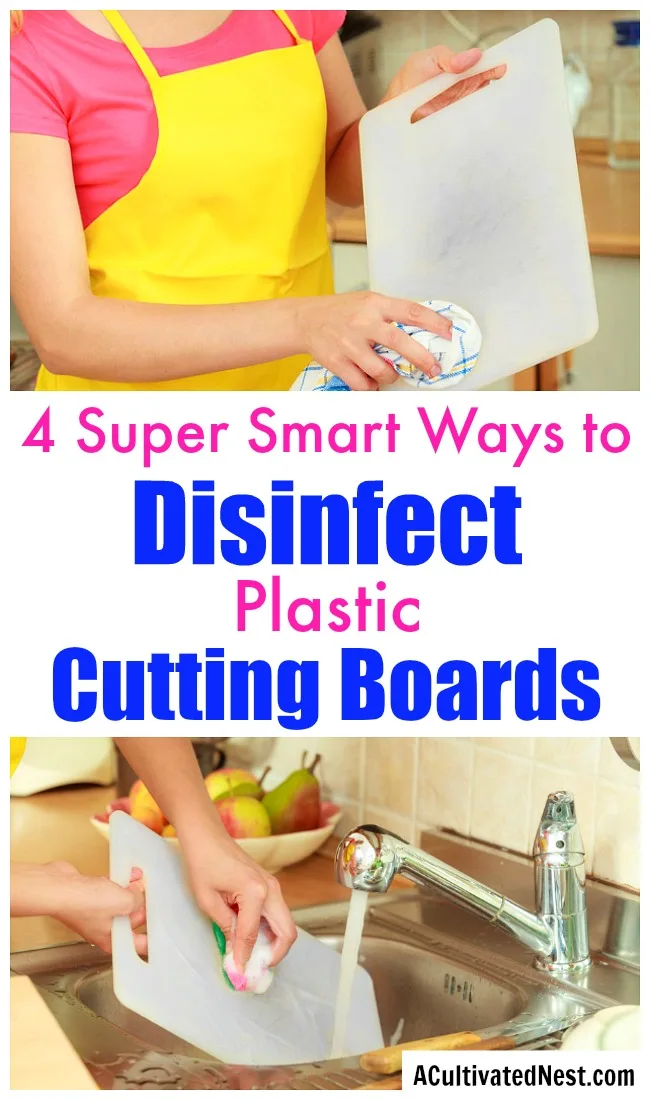
Image source: Bing (Web (fair-use with source credit))
A good rule of thumb for plastic boards is that if they show significant scoring or deep knife marks, it’s time to replace them, as disinfection becomes less effective. They are also usually dishwasher safe, which provides a high-heat sanitizing option, although always check the manufacturer’s guidelines for your specific board. Many compact dishwashers, like some models from our list of the 7 best compact dishwashers, can reach temperatures sufficient for sanitizing.
Disinfecting Wood and Bamboo Boards
Wood and bamboo cutting boards require a gentler approach than plastic. These natural materials are porous, meaning they can absorb liquids, including disinfectants. This absorption means they can also dry out, warp, or crack if not cared for properly.
Therefore, aggressive chemical disinfectants or excessive moisture should be avoided.
After washing your wood or bamboo board with hot, soapy water, rinse it well. Avoid letting it soak in water. For disinfection, white vinegar is a popular and effective choice because it's acidic and helps kill bacteria without damaging the wood.
Hydrogen peroxide can also be used, but it should be applied sparingly.
It’s crucial to dry wood and bamboo boards thoroughly after cleaning and disinfecting. Leaving them wet can lead to mold growth or warping. Many experts recommend applying a food-grade mineral oil or beeswax conditioner to wood boards regularly, about once a month, to keep the wood from drying out and cracking, which also helps maintain its protective properties.
This regular conditioning is part of good kitchen upkeep.
The Step-by-Step Disinfection Process
Disinfecting your cutting board involves a few simple but crucial steps to ensure maximum effectiveness and safety. It’s not just about slathering on some cleaner; it’s a process that starts with a thorough clean and ends with complete drying. Following these steps will help you maintain a hygienic food prep surface and prevent cross-contamination.
Step 1: Initial Cleaning
This is perhaps the most important step, as a clean surface allows your disinfectant to work more effectively. Remove any visible food debris from the cutting board. Use a stiff brush or a damp cloth to scrape away small particles.
Then, wash the board thoroughly on both sides using hot water and a good quality dish soap. Scrub well to remove any food residue, oils, or juices.
Step 2: Rinsing and Drying
Once you’ve scrubbed the board with soap and water, rinse it completely under hot running water. Make sure all soap suds are gone from the surface. After rinsing, pat the board dry with a clean towel or paper towels.
For wood and bamboo boards, it’s especially important to remove as much surface moisture as possible before applying a disinfectant.
Step 3: Applying Your Disinfectant
Now it’s time to apply your chosen disinfectant. The method and type of disinfectant will vary based on the board's material, but the goal is always to allow the disinfectant to sit on the surface for a specified contact time to kill bacteria. Avoid using too much liquid, especially on wood, to prevent excessive saturation.
Step 4: Final Rinse and Dry
After the disinfectant has had sufficient contact time (typically 5-10 minutes, depending on the agent), rinse the board thoroughly with cool running water. Again, ensure all traces of the disinfectant are removed. Finally, stand the board upright or place it on a drying rack so that air can circulate around both sides, allowing it to dry completely.
Never store a damp cutting board flat, as this traps moisture and can encourage mold growth.
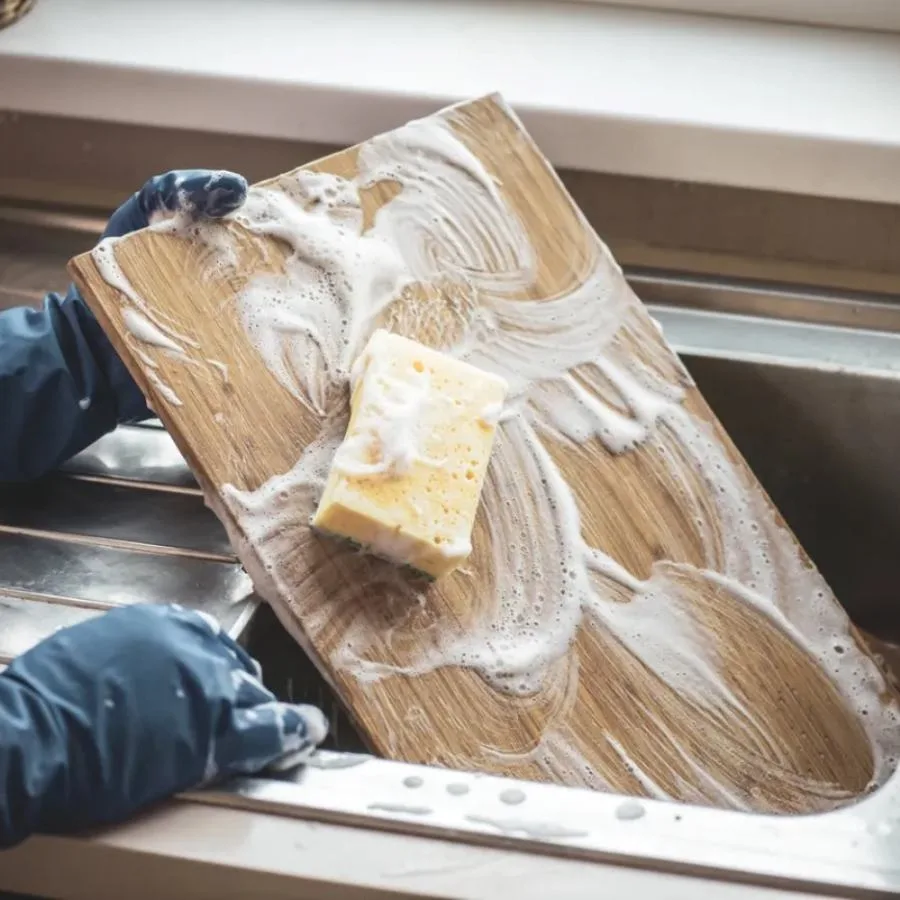
Image source: Bing (Web (fair-use with source credit))
Common Disinfectant Options and How to Use Them
When it comes to disinfecting your cutting boards, you don't need fancy commercial products. Common household items can be incredibly effective at killing bacteria and sanitizing surfaces. The key is to use them correctly and understand which ones are best suited for different board materials.
We'll cover a few of the most reliable and accessible options.
White Vinegar
White vinegar is a great natural disinfectant that’s safe for most cutting board materials, including wood and plastic. Its acetic acid content helps to kill many common household bacteria and viruses. It's also excellent for tackling odors.
- How to use: After washing and rinsing your board, simply pour undiluted white vinegar directly onto the surface. Let it sit for about 5-10 minutes. You can use a clean cloth or sponge to spread it around if needed. Then, rinse the board thoroughly with cool water and dry it completely. It's particularly good for removing lingering smells from garlic or onions.
Hydrogen Peroxide
A 3% solution of hydrogen peroxide, commonly found in most medicine cabinets, is another effective disinfectant. It’s a good option for both plastic and wood boards, though it’s generally a bit stronger than vinegar. It works by releasing oxygen, which helps to break down bacteria and organic matter.
- How to use: After washing and rinsing, apply 3% hydrogen peroxide directly to the cutting board using a clean spray bottle or by dabbing it on with a cloth. Let it sit for about 5-10 minutes. You might notice a slight fizzing action, which is normal. Rinse the board thoroughly with cool water and dry it completely, standing it upright to ensure air circulation.
Diluted Bleach Solution (Use with Caution)
A diluted bleach solution is one of the most powerful disinfectants available for cutting boards, especially for plastic and composite types. It's highly effective at killing a broad spectrum of bacteria and viruses. However, it’s crucial to use it correctly and with caution, as bleach can damage wood boards and needs to be thoroughly rinsed to avoid food contamination.
- How to use: Prepare a solution of 1 tablespoon of unscented household bleach mixed with 1 gallon of cool water. Never use scented bleach or more concentrated solutions, as they can be too harsh. After washing and rinsing your board, apply the diluted bleach solution using a sponge or cloth, ensuring all surfaces are covered. Let it sit for about 5 minutes. Rinse the board extremely well with cool running water, and then dry it thoroughly. For wood boards, it's generally better to stick to vinegar or hydrogen peroxide to avoid potential damage and discoloration.
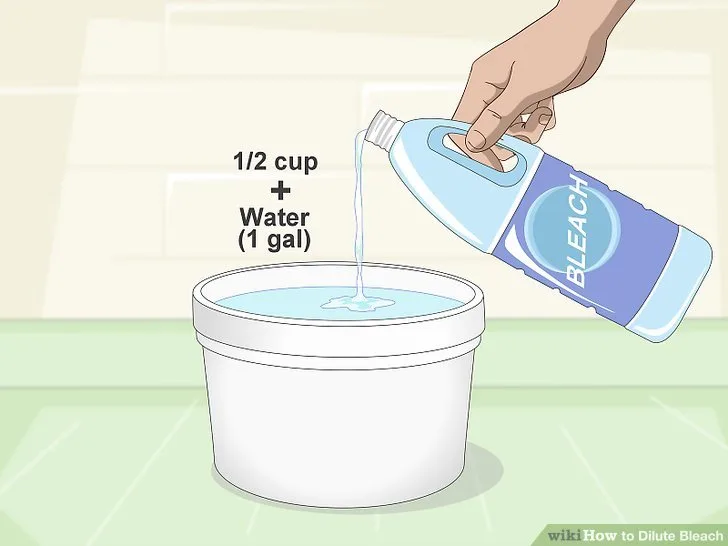
Image source: Bing (Web (fair-use with source credit))
It's important to note that bleach is a strong chemical. Always ensure good ventilation when using it and avoid mixing it with other cleaning products, especially ammonia, as this can create toxic fumes. If you're concerned about using bleach, especially on wood, milder options are usually sufficient for everyday home use.
If you're looking for high-heat sanitization, consider if your plastic boards fit into a small kitchen dishwasher.
Cutting Board Disinfection Mistakes to Avoid
Even with the best intentions, it's easy to make small mistakes when disinfecting cutting boards that can reduce their effectiveness or even damage the board. Being aware of these common pitfalls can save you time and ensure your kitchen stays truly hygienic. We've seen a few common slip-ups that people make.
Skipping the initial wash: Applying disinfectant to a board still covered in food particles or grease is like trying to clean a dirty window with a dry cloth. The debris acts as a barrier, preventing the disinfectant from reaching and killing the bacteria hiding beneath. Always wash thoroughly with hot, soapy water first.
Not drying the board properly: Dampness is bacteria’s best friend. Leaving a cutting board wet after rinsing, whether it’s from soap, disinfectant, or water, allows microbes to multiply. Always dry boards completely and store them upright so air can circulate on both sides. This is true even if you use a compact freezer to store food items separately.
Using too much bleach or the wrong type: While bleach is a powerful disinfectant, using it undiluted or using scented varieties can damage your board (especially wood) and leave behind harmful residues. Always stick to the recommended dilution ratio and use unscented household bleach. For wood boards, it’s generally better to avoid bleach altogether.
Soaking wood boards: Wood and bamboo are porous. Soaking them in water, even for cleaning, can cause the wood to swell, warp, and eventually crack. This damage creates more surface area for bacteria to hide. Always clean wood boards with a damp cloth or sponge and avoid prolonged submersion.
Not disinfecting after raw meat: This is the big one. If you've cut raw chicken, beef, or any other meat, failing to disinfect the board afterward is a recipe for cross-contamination. Don't just rinse it; a proper disinfection step is essential to kill off those potentially dangerous bacteria. If you're dealing with large amounts of food, a large cooking pot for prepping ingredients might be a helpful addition to your kitchen arsenal, but the cutting board still needs care.
Keeping Your Cutting Boards Hygienic: Ongoing Care and Tips
Maintaining a hygienic cutting board goes beyond just disinfecting it after preparing raw meat. It's about consistent care and incorporating good habits into your daily kitchen routine. Think of it as a long-term strategy to keep your food prep surfaces safe and your boards in good condition for as long as possible.
Regular maintenance helps prevent deep scratches and grooves where bacteria can accumulate, making disinfection more effective. For wood and bamboo boards, this means occasional oiling. Use a food-grade mineral oil or a beeswax-based conditioner.
Apply it generously with a clean cloth, let it soak in for a few hours or overnight, then wipe off any excess. This process keeps the wood from drying out, prevents staining, and makes the surface more resistant to bacterial penetration. Many sources suggest this about once a month.
Here are some ongoing tips:
- Use separate boards: If possible, dedicate different cutting boards for raw meats and produce. This significantly reduces the risk of cross-contamination. A brightly colored board for meats and a neutral one for vegetables can be helpful visual cues.
- Inspect your boards regularly: Look for deep cuts, cracks, or signs of wear. A heavily scarred board is much harder to disinfect thoroughly. If a board is too far gone, it’s time to replace it, even if you have a fantastic compact freezer to keep other items fresh.
- Sanitize the sink: Don't forget the sink! If your cutting board touches the sink or faucet, ensure the sink is also cleaned and disinfected. A clean sink helps prevent re-contamination.
- Wash utensils immediately: Any knives or utensils used on the cutting board should also be washed and disinfected right away.
- Consider dishwasher-safe options: For plastic and composite boards, running them through a hot cycle in a reliable dishwasher, like those found in our reviews of the 7 best dishwashers, can be a highly effective sanitizing method. Always check manufacturer guidelines first.
Frequently Asked Questions About Cutting Board Disinfection
How often should I disinfect my cutting board?
You should disinfect your cutting board every time you use it for raw meat, poultry, or fish. For general use with fruits and vegetables, a thorough wash with hot, soapy water is often sufficient. However, a periodic disinfection (e.g., weekly) is a good practice for overall kitchen hygiene.
Can I put my wooden cutting board in the dishwasher?
No, it's generally not recommended to put wooden cutting boards in the dishwasher. The prolonged exposure to hot water and harsh detergents can cause the wood to warp, crack, and become more porous, making it harder to keep clean and hygienic. Stick to handwashing and occasional oiling for wood.
How do I get rid of persistent odors on my cutting board?
Vinegar is excellent for odor removal. After washing, pour undiluted white vinegar onto the board, let it sit for 5-10 minutes, then rinse and dry. For wood boards, this method is ideal.
For plastic boards, baking soda paste can also help absorb tough smells before washing.
Is it safe to use bleach on my cutting board?
Diluted bleach can be used on plastic and composite cutting boards, but with caution. Always use unscented household bleach diluted with water (about 1 tablespoon per gallon) and rinse very thoroughly afterward. For wooden boards, bleach can be too harsh and cause damage or discoloration, so it's best to use gentler options like vinegar.