How to Clean a Kitchen Scale
Keeping your kitchen scale clean is essential for accurate measurements and a hygienic cooking environment. Whether you're weighing delicate baking ingredients or portioning out meals, a spotless scale makes a big difference. That's why knowing how to clean a kitchen scale properly is a basic but vital kitchen skill.
Proper cleaning prevents residual food particles from affecting future readings and keeps your scale looking its best. Manufacturer specifications often require maintaining surfaces below 80% humidity to prevent component damage, especially for digital units. This guide will walk you through everything you need to know to get your scale sparkling.
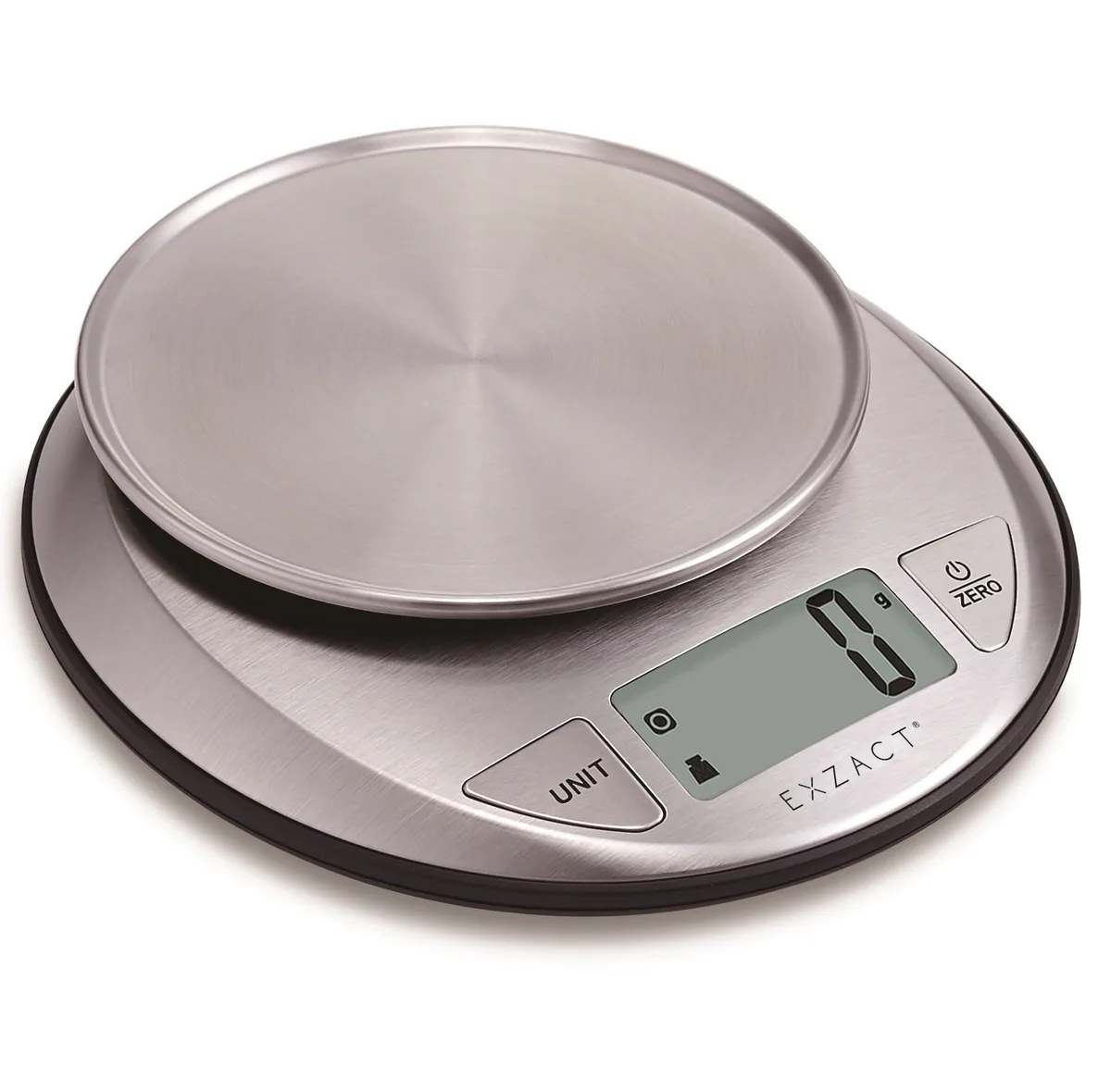
Image source: Bing (Web (fair-use with source credit))
Quick Answer: Cleaning Your Kitchen Scale
Wipe down your kitchen scale after each use with a damp cloth. For tougher messes like sticky spills or grease, use mild soap and water on a soft sponge, but avoid submerging digital scales. Always dry thoroughly.
For Sticky Spills
For sugar, honey, or syrup spills, use a cloth dampened with warm water and a tiny drop of mild dish soap. Gently work the sticky residue loose, being careful not to let liquid seep into the scale's internal components.
For Dry Crumbs
If you've just got dry flour or crumbs, a soft brush or a dry cloth is usually enough. For anything stuck, a slightly damp cloth will do the trick.
For Greasy Messes
Grease splatters can be tackled with a cloth slightly dampened with warm water and a degreasing dish soap. Wipe the area, then follow up with a clean, damp cloth to remove soap residue.
Understanding Your Scale: What You're Cleaning
Before you grab a sponge, it helps to know a little about the scale you're working with. This way, you can avoid damaging it.
Digital vs. Mechanical Scales
Digital Scales: These use electronic sensors to measure weight. They often have more features like tare functions and multiple unit options. Because they have internal electronics, they are much more sensitive to moisture. You must be extra careful not to get water inside them.
Mechanical Scales: These use springs and levers. They're generally more robust and can handle a bit more moisture, but they also require regular cleaning to maintain accuracy.
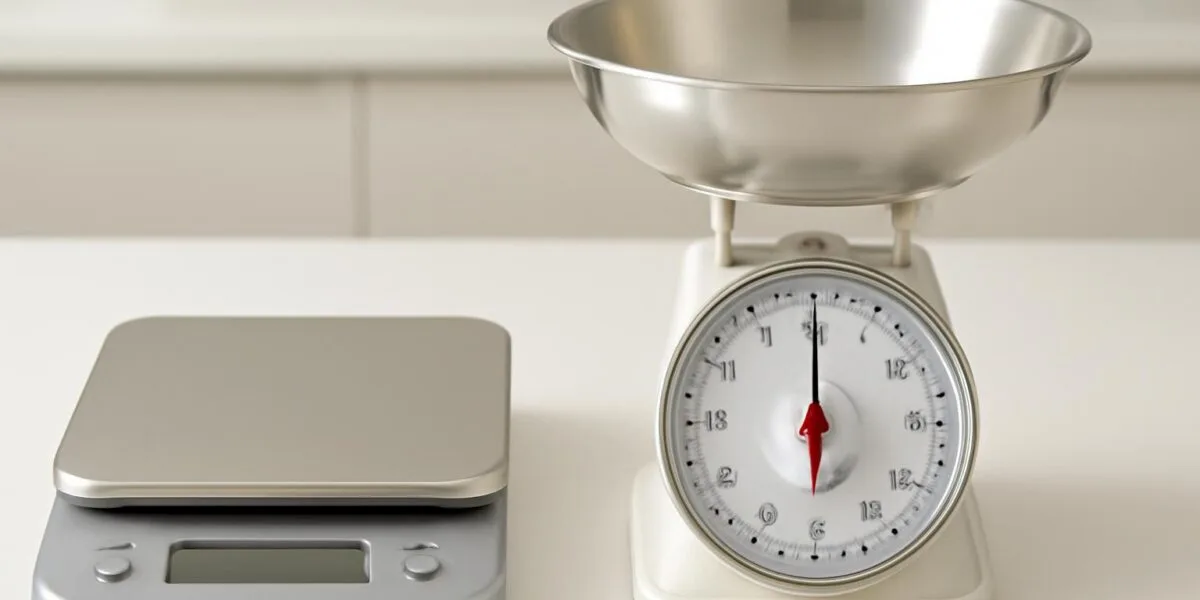
Image source: Bing (Web (fair-use with source credit))
Key Parts to Keep Clean
- Weighing Platform: This is the surface where you place your ingredients. It’s the part that gets the most direct contact with food and is often removable for easier cleaning.
- Buttons and Display: For digital scales, these can accumulate grime. Use a damp cloth, never spray liquid directly onto them.
- Body/Casing: The main housing of the scale also needs a wipe-down to keep things hygienic.
Your Cleaning Toolkit: What You'll Need
You don't need fancy products to clean your kitchen scale effectively. Most of what you need is probably already in your kitchen.
- Soft Cloths: Several clean, soft cloths or microfiber towels are essential for wiping and drying.
- Mild Dish Soap: A gentle, everyday dish soap is perfect for cutting through light grease and food residue.
- Warm Water: This is your primary cleaning agent.
- Soft Sponge or Brush: For any slightly tougher spots, a non-abrasive sponge or a soft-bristled brush (like an old toothbrush) works well.
- Optional: Baking Soda Paste: For very stubborn, dried-on messes, a paste made from baking soda and water can be a gentle but effective abrasive.
- Optional: Isopropyl Alcohol (for stubborn grime on stainless steel): A small amount on a cloth can help remove sticky residue, but use sparingly and ensure it evaporates fully.
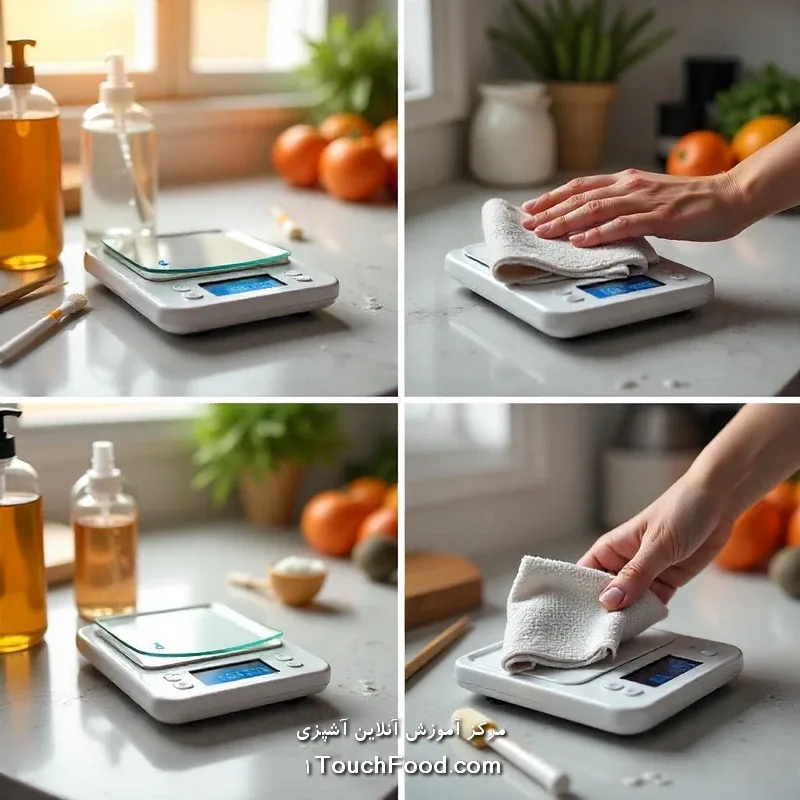
Image source: Bing (Web (fair-use with source credit))
Step-by-Step: How to Safely Clean Your Kitchen Scale
Here’s a straightforward process to get your scale clean without risking damage. Remember, the exact steps might vary slightly if your scale has a removable platform, which is a big plus for cleaning.
Step 1: Preparation and Initial Wipe
- Unplug or Remove Batteries: If your digital scale uses an AC adapter, unplug it. For battery-powered scales, it's safest to remove the batteries. This prevents accidental activation and protects the electronics.
- Remove the Platform (If Possible): Many scales have a removable weighing platform, often made of stainless steel or plastic. If yours does, lift it off carefully. This is usually dishwasher-safe or can be washed by hand easily.
- Brush Away Loose Debris: Use a dry, soft brush or cloth to sweep away any loose crumbs or dry ingredients from the main body of the scale and the platform.
Step 2: Tackling Tougher Stains (Gentle Scrubbing)
- For the Platform: If the platform is removable and not damaged by water, wash it in warm, soapy water. Use a soft sponge to gently scrub away any food particles or stains. Rinse it thoroughly under running water.
- For the Scale Body (Digital & Mechanical): Dampen a soft cloth or sponge with warm water and a small amount of mild dish soap. Never spray liquid directly onto the scale. Gently wipe down the surface of the scale. For stubborn spots, you can use the baking soda paste mentioned earlier or a soft-bristled brush. Work in small sections, always wiping in the direction of the scale’s finish if it’s stainless steel.
Step 3: Rinsing (for Removable Parts Only)
This step is crucial: only rinse parts that are designed to be washed with water. This typically means a removable stainless steel or plastic platform. Rinse these parts thoroughly under cool or lukewarm running water to remove all soap residue. Make sure no water gets into the main body of the scale.
Step 4: Thorough Drying
Drying is perhaps the most critical step, especially for digital scales.
- For Removable Platforms: Dry them completely with a clean, soft towel. Let them air dry for an additional hour or two in a well-ventilated spot to ensure all moisture has evaporated.
- For the Scale Body: Use a dry, soft cloth to wipe down the entire surface of the scale. Pay special attention to crevices, buttons, and the display area. You can also use a dry toothbrush or cotton swab to get into tight spots. For digital scales, it's often recommended to leave them to air dry for several hours, or even overnight, before reinserting batteries or plugging them back in. This ensures no internal moisture remains, which could cause corrosion or electronic failure.
Step 5: Reassembly and Final Check
Once all parts are completely dry, reassemble the scale. Reinsert the batteries or plug in the AC adapter. Turn the scale on and perform a quick test.
Place a known weight on it (like a bag of sugar or a bag of flour) to ensure it's reading accurately. If you notice any moisture still present, give it more time to dry. If your scale is designed to be recalibrated, you might want to do that after cleaning and drying.
Common Mistakes to Avoid When Cleaning
Even with the best intentions, it's easy to make a mistake that could damage your scale or lead to inaccurate readings. Being aware of these common pitfalls can save you a lot of trouble.
What NOT to Do with Digital Scales
- Submerging: Never put a digital kitchen scale in water or run it under a tap. Water can seep into the sensitive electronic components, causing corrosion or short circuits. This is the quickest way to ruin a scale.
- Spraying Directly: Avoid spraying cleaning solutions or water directly onto any part of a digital scale, especially the display or buttons. Always apply cleaner to your cloth first, then wipe.
- Using Harsh Chemicals: Strong solvents, abrasive cleaners, or even excessive amounts of alcohol can damage plastic casings or fade markings on buttons. Stick to mild dish soap and water.
Overlooking Hidden Grime
It's easy to just wipe the platform and call it a day, but grime can accumulate in unexpected places. Check the underside of the platform (if removable) and around button edges. Dried food particles can impact the scale's stability and therefore its accuracy.
Keeping Your Scale Accurate: Maintenance Tips
Cleaning isn't just about appearance; it directly impacts your scale's performance. Regular upkeep ensures it remains a reliable tool in your kitchen for years to come.
Regular Cleaning Schedule
- After Each Use: The best practice is a quick wipe-down after every cooking session. This prevents spills from drying and becoming harder to remove. It takes less than a minute but pays off in the long run.
- Weekly Check-up: Even if there are no visible messes, a quick once-over once a week can catch minor dust or residue buildup.
- Deep Clean as Needed: For more significant spills or sticky messes, a more thorough cleaning as described above is necessary.
Protecting the Scale from Damage
- Avoid Dropping: Kitchen scales, especially digital ones, are sensitive. Treat yours with care to avoid accidental drops or impacts that could knock the sensors out of alignment.
- Use Gentle Surfaces: When weighing, place your scale on a stable, flat surface. Avoid uneven or wobbly countertops.
- Store Properly: Keep your scale in a dry place, away from direct heat or excessive moisture. If possible, store it with the platform covered to prevent dust accumulation.
FAQs About Kitchen Scale Cleaning
### How often should I clean my kitchen scale?
It's best to give your scale a quick wipe-down after each use, especially if you've spilled anything on it. A more thorough cleaning can be done weekly or as needed, depending on how frequently you use it and what you're weighing.
### Can I put my kitchen scale in the dishwasher?
Only if the weighing platform is specifically marked as dishwasher-safe. Never put the main body of a digital scale in the dishwasher, as it will be ruined by water. Mechanical scales might also not be dishwasher-safe.
Always check your manufacturer’s manual.
### What’s the best way to clean a stainless steel scale?
For stainless steel, use a soft cloth dampened with warm, soapy water. Wipe in the direction of the grain to avoid scratches. For stubborn spots, a baking soda paste can work, but always rinse and dry thoroughly.
For greasy messes, a mild degreasing dish soap is effective.
### My digital scale seems to be acting up after cleaning. What should I do?
If your digital scale is behaving erratically or not turning on after cleaning, it's likely due to residual moisture. First, remove the batteries and let the scale air dry completely for at least 24-48 hours in a warm, dry place. If the problem persists, there may be internal damage, and you might need to consult the manufacturer or consider a replacement.
### How do I deal with odors on my kitchen scale?
Odors usually come from residue trapped in crevices. Clean thoroughly with warm, soapy water, paying attention to any nooks and crannies. For persistent odors, especially on a removable platform, you can create a paste of baking soda and water, apply it, let it sit for 15-30 minutes, then scrub gently and rinse.
Ensure everything is completely dry before reassembly.