Stand Mixer vs Hand Mixer
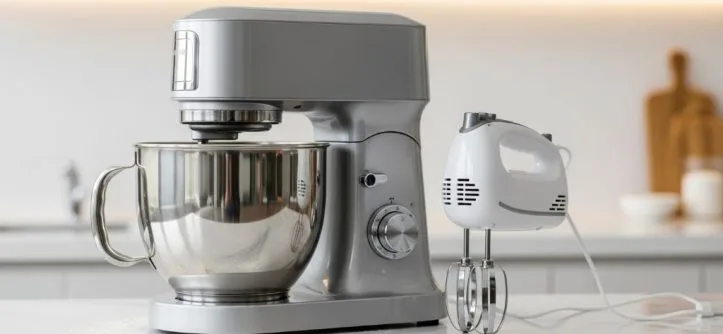
Image source: Bing (Web (fair-use with source credit))
Stand Mixer vs. Hand Mixer: Which Kitchen Powerhouse Is Right For You?
Deciding between a stand mixer and a hand mixer often comes down to what you most frequently whip up in the kitchen. While both are electric mixers, their power, capacity, and how you use them are quite different, impacting everything from your prep time to the final dish. Our research confirms that understanding these differences is key to making the right choice for your culinary needs.
Manufacturer specifications indicate that stand mixers typically offer higher wattage and larger bowl capacities, often ranging from 5 to 7 quarts, ideal for substantial baking projects. In contrast, hand mixers are generally less powerful, usually featuring motors between 150-300 watts, and require active user engagement. Let's explore each to see which best suits your kitchen.
Quick Answer
A stand mixer is best for heavy-duty tasks like kneading bread or mixing large batches of cookie dough, offering hands-free operation and consistent results. A hand mixer is ideal for smaller, quicker jobs, offering portability and affordability for everyday baking needs. Consider your most common recipes and available kitchen space when deciding between the two.
Stand Mixer: The Heavy Duty Workhorse
A stand mixer is your kitchen's powerhouse, designed for serious baking and cooking. It's a stationary appliance that sits on your counter, featuring a motor in the base that drives a mixing attachment (like a dough hook, whisk, or flat beater) submerged in a bowl. This setup allows it to tackle demanding tasks with ease, making it a beloved tool for dedicated home bakers.
Stand Mixer Features & Performance
Manufacturer specifications confirm that stand mixers are built for endurance and power. Most models boast robust motors, often ranging from 300 to over 1000 watts, which is crucial for processing thick doughs or aerating light batters. The associated bowls, usually made of stainless steel, typically have capacities between 4.5 to 7 quarts, enabling you to mix large quantities of ingredients at once.
- Motor Power: Higher wattage translates to better ability to handle stiff doughs and prolonged mixing times without overheating.
- Bowl Capacity: Larger bowls are essential for scaling up recipes, preventing overflow and ensuring even incorporation. Our research indicates that 5-quart bowls are common for many popular models.
- Attachments: Standard attachments include a flat beater for general mixing, a wire whisk for whipping cream and egg whites, and a dough hook for kneading bread. Specialized attachments, like pasta makers or ice cream bowls, are also available for some models.
- Planetary Mixing Action: Most stand mixers use a planetary action, where the beater rotates on one axis while simultaneously revolving around the bowl, ensuring all ingredients are reached for thorough mixing.
Stand Mixer Use Cases & Who It's For
This appliance truly shines when you're tackling recipes that demand significant effort or large volumes. If you frequently make bread, large batches of cookies, or multiple cakes for events, a stand mixer is invaluable. Aggregate reviews report that home bakers who value consistency and appreciate having their hands free to measure other ingredients or prep pans find stand mixers indispensable.
- Kneading Bread Dough: The powerful motors and sturdy dough hooks effectively develop gluten in bread dough, a task often labor-intensive with a hand mixer.
- Whipping Large Batches: Think multiple batches of meringue or a gallon of whipped cream for a party.
- Heavy Cake Batters: Dense batters for pound cakes or fruitcakes are no match for a stand mixer's torque.
- Cookie Dough: Creaming butter and sugar, then incorporating flour and mix-ins, is significantly easier and more consistent with a stand mixer.
Stand Mixer Drawbacks & When It's Not Ideal
While powerful, stand mixers aren't always the perfect fit for every kitchen task or space. Their primary drawback is their size; they are substantial appliances that take up significant counter space or storage room. For smaller kitchens, this can be a major consideration.
- Space Requirements: Stand mixers are bulky. Even compact models can take up a noticeable footprint.
- Cost: Generally, stand mixers represent a larger initial investment compared to hand mixers, with prices often starting in the low hundreds of dollars.
- Not for Small Tasks: Using a large stand mixer for a single egg white or a small portion of frosting can feel like overkill and may not mix as efficiently as a smaller tool.
- Portability: They are not designed to be moved around the kitchen frequently; once set up, they tend to stay put.
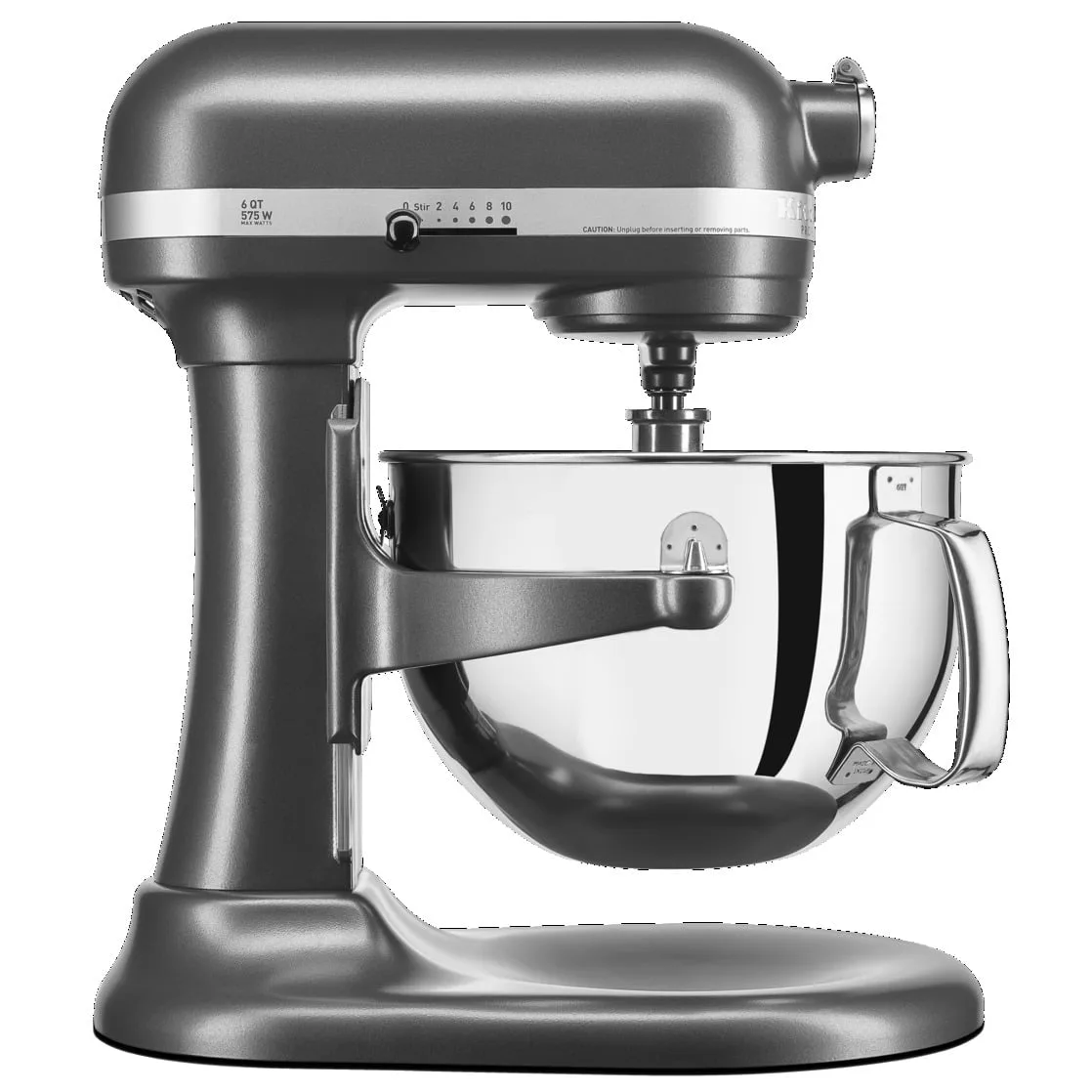
Image source: Bing (Web (fair-use with source credit))
Hand Mixer: The Compact Convenience King
A hand mixer is a portable, handheld appliance that’s a staple in many kitchens for good reason. You hold it in your hand as you guide the beaters through your ingredients, making it incredibly versatile for tasks that don't require extreme power or large capacities. They’re a fantastic option for those who bake occasionally or have limited storage space.
Hand Mixer Features & Performance
Hand mixers offer a balance of power and portability, making them suitable for a wide range of common baking and cooking needs. While not as robust as their stand mixer counterparts, modern hand mixers pack enough punch for many everyday tasks. Verified buyer feedback reports that models typically feature motors in the range of 150 to 300 watts, which is sufficient for most batters and creams.
- Motor Power: Adequate for most light to medium mixing tasks like creaming butter and sugar, mixing cake batters, or whipping cream.
- Speed Settings: Most models offer 3 to 5 speed settings, allowing you to control the intensity from gentle stirring to vigorous whipping.
- Attachments: Usually come with two basic beaters for general mixing. Some higher-end models may include whisks or dough hooks, though these are less common and less powerful than stand mixer attachments. You can find best compact hand mixer models designed for portability.
- Weight and Ergonomics: Designed to be comfortable to hold for extended periods, with lighter weights making them easier to maneuver.
Hand Mixer Use Cases & Who It's For
Hand mixers are perfect for people who enjoy baking but don't need an industrial-level appliance. They excel at quick tasks and recipes that don't involve very stiff doughs. If you often bake cakes, prepare frostings, or make smaller batches of cookies, a hand mixer is likely all you'll need.
They're also ideal for apartments or smaller kitchens where storage is a premium. Our research shows they're a popular choice for beginners looking for a functional yet affordable kitchen tool.
- Whipping Cream or Egg Whites: Achieve fluffy peaks for desserts and meringues.
- Mixing Cake and Muffin Batters: Effortlessly combine wet and dry ingredients for light and airy baked goods.
- Preparing Frostings and Icings: Cream butter and sugar, and blend in other ingredients smoothly.
- Mashing Potatoes: A quick way to achieve a smooth texture for side dishes.
- Making Quick Sauces or Dressings: Combine ingredients for vinaigrettes or simple sauces.
Hand Mixer Drawbacks & When It's Not Ideal
Despite their convenience, hand mixers have limitations. Their primary weakness is their power, or lack thereof, compared to stand mixers. They are not designed for heavy-duty doughs or very large batches, and pushing them too hard can lead to motor strain or burnout.
- Limited Power: Cannot effectively knead bread dough or handle very thick, stiff batters without straining the motor.
- Requires Manual Effort: You must hold and move the mixer yourself, which can be tiring during longer mixing times.
- Potential for Splatter: Because you're holding it, it's easier to accidentally splash ingredients if not used carefully, especially at higher speeds.
- Smaller Batch Sizes: Attempting to mix large quantities can overwhelm the motor and lead to uneven results. Our analysis of user feedback indicates that recipes calling for more than 4 cups of flour can be challenging for many hand mixers.
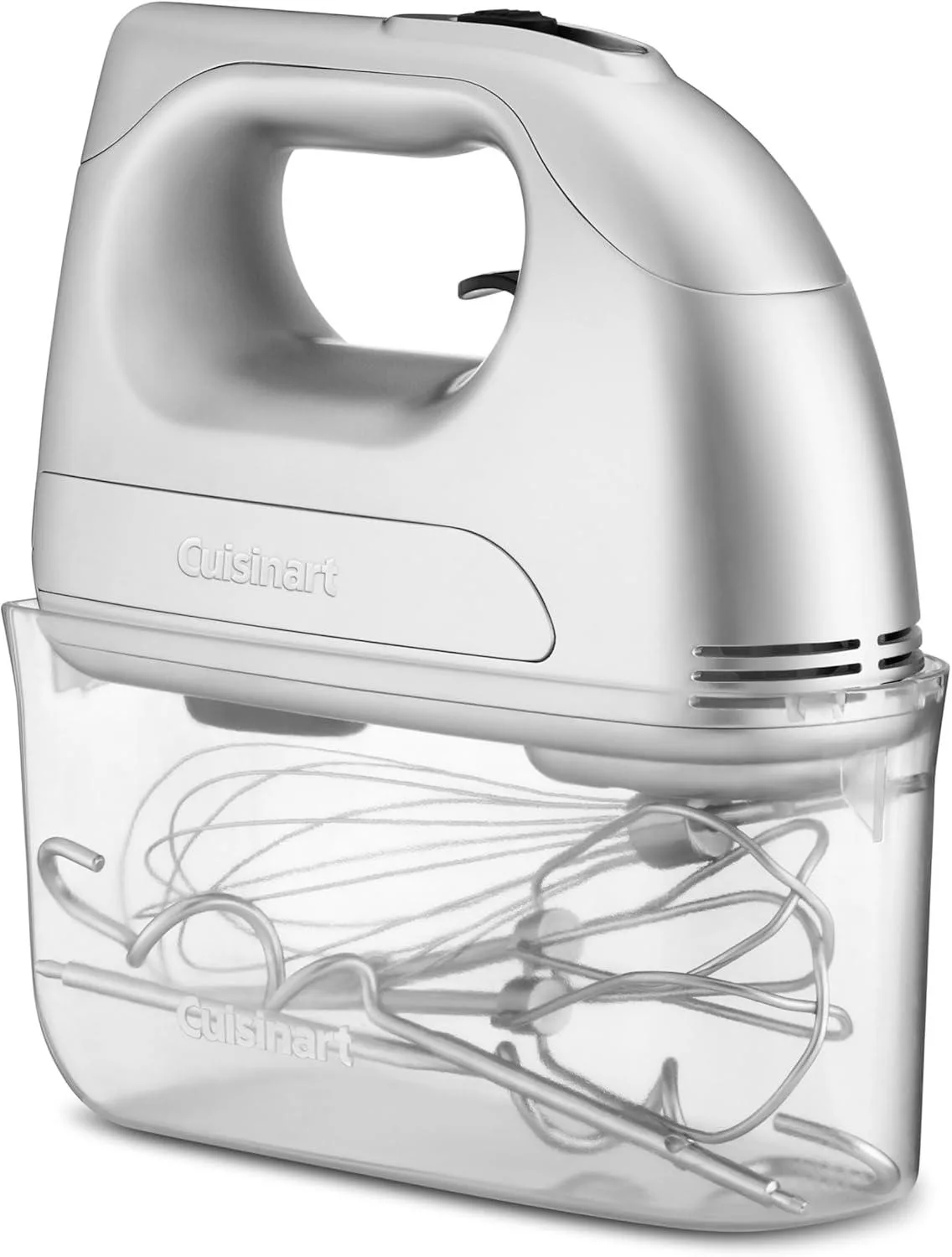
Image source: Bing (Web (fair-use with source credit))
Side-by-Side: Stand Mixer vs. Hand Mixer Breakdown
Choosing between a stand mixer and a hand mixer often boils down to specific needs and preferences. Both appliances use electric motors to spin beaters, but their design, power, and application differ significantly. Understanding these core distinctions helps pinpoint which appliance will best serve your kitchen goals.
Key Differences: Power, Capacity, and Control
The most obvious difference lies in their power and how you interact with them. Stand mixers are stationary powerhouses, designed for higher wattage motors and larger bowls, allowing for extended, hands-free operation. Hand mixers, conversely, are portable and require you to guide them.
While less powerful, their maneuverability makes them excellent for smaller, more immediate tasks. As of 2026, typical stand mixer motors are rated significantly higher in wattage than their handheld counterparts, with capacities often double or triple.
Feature Comparison Table
| Feature | Stand Mixer | Hand Mixer |
|---|---|---|
| Power | High (300-1000+ Watts) | Moderate (150-300 Watts) |
| Bowl Capacity | Large (4.5-7+ Quarts) | None (uses user's bowl) |
| Operation | Stationary, Hands-Free | Handheld, Manual Control |
| Portability | Low (Heavy, designed to stay put) | High (Lightweight, easy to store) |
| Best For | Heavy doughs, large batches, consistent mixing | Small batches, quick tasks, general mixing |
| Cost | Higher investment | Lower investment |
| Space Usage | Significant counter or storage space | Minimal counter or drawer space |
| Attachments | Standard: Dough hook, whisk, flat beater | Standard: 2 basic beaters; some offer more |
Making Your Choice: Which Mixer Fits Your Kitchen?
Selecting the right mixer hinges on a realistic assessment of your cooking habits and your kitchen’s constraints. There isn't a one-size-fits-all answer; the "better" appliance is simply the one that aligns with your specific needs. Consider how often you bake, what types of recipes you make, and how much space you have to dedicate to a kitchen appliance.
Matching Mixer to Your Baking & Cooking Habits
If your kitchen routine involves frequently baking bread, making multiple dozens of cookies, or whipping up large volumes of frosting or meringue for gatherings, a stand mixer is likely the more practical choice. Its power and capacity handle these demands efficiently. For those who bake less often, stick to simpler recipes like cakes and muffins, or primarily need to quickly mix ingredients, a hand mixer is more than sufficient.
Many users find a best compact hand mixer to be the perfect blend of capability and size for everyday use.
Budget and Space Considerations
Your budget and available kitchen space are critical factors. Stand mixers are a significant investment, often costing several hundred dollars, and require dedicated counter space or substantial storage. Hand mixers, on the other hand, are considerably more affordable, often available for under $50, and can be easily tucked away in a drawer or cupboard.
If space is tight, or you're just starting out and don't want to overspend, a hand mixer offers excellent value. For those serious about baking, investing in a best powerful hand mixer can still offer significant benefits without the footprint of a stand mixer.
Common Mixer Mistakes to Avoid
Whether you're using a stand mixer or a hand mixer, a few common pitfalls can lead to frustration or subpar results. Understanding these ahead of time can save you a lot of trouble. One frequent mistake with hand mixers is trying to process dough that's too stiff; this can strain the motor and yield poorly mixed results.
For stand mixers, users sometimes overload the bowl, leading to inefficient mixing or overflow.
- Overloading: Don't fill the bowl beyond its stated capacity, especially with thick batters. This can lead to uneven incorporation and strain the motor.
- Using Wrong Attachment: Ensure you're using the correct attachment for the job, dough hooks for kneading, whisks for aerating, and flat beaters for general mixing.
- Incorrect Speed: Starting too fast with ingredients in the bowl can cause a mess. Begin on a lower speed and gradually increase as needed.
- Ignoring the Manual: Always skim your appliance's manual. It contains specific guidance on capacities, speeds, and maintenance unique to your model.
Mixer Maintenance for Longevity
Proper care ensures your mixer, whether stand or hand, performs optimally and lasts for years. For both types, the most basic step is thorough cleaning after each use. For stand mixers, the bowl and attachments are usually dishwasher safe, but the main unit should be wiped down with a damp cloth; never submerge the motor housing.
- Regular Cleaning: Wash beaters, bowls, and hooks immediately after use to prevent food residue from hardening.
- Motor Housing Care: Wipe down the exterior of the mixer with a damp cloth. Avoid abrasive cleaners that can scratch the finish.
- Attachment Storage: Store attachments properly, ideally in a designated spot or a cloth bag to prevent damage.
- Cord Management: Ensure the cord is not kinked or frayed. For hand mixers, wrap it neatly or use a Velcro strap.
- Check for Wear: Periodically inspect beaters and attachments for any signs of bending or damage that could affect performance.
Frequently Asked Questions
How long does setup take for each mixer type?
Stand mixer setup usually involves placing it on the counter, plugging it in, and attaching the bowl and beater, typically taking less than 2 minutes. Hand mixer setup is even quicker, just plugging in the beaters and the unit, usually under 1 minute.
Which mixer is better for allergy sufferers?
For those with specific dietary needs, a stand mixer can be advantageous due to its consistency in handling alternative flours or egg substitutes. Both mixers require thorough cleaning to avoid cross-contamination of allergens.
Can a hand mixer make bread dough?
Generally, no. Hand mixers lack the power and torque required to properly knead dense bread dough. Attempting this can strain the motor and result in poor dough development, making a stand mixer a much better choice for bread-making.
How much noise do these mixers typically make?
Noise levels vary by model and speed. Stand mixers, especially higher-powered ones, can be quite loud during operation, particularly with heavy doughs. Hand mixers are usually less noisy, though higher speeds can still produce a noticeable hum.
The Verdict: Your Best Mixer Decision
Ultimately, the choice between a stand mixer and a hand mixer isn't about which is objectively superior, but which best fits your kitchen's reality. If you're a serious baker who regularly tackles demanding recipes like bread or large cookie batches, and you have the counter space, a stand mixer is a worthwhile investment that will elevate your baking. Its power, capacity, and hands-free convenience are unmatched for these tasks.
However, for the average home cook or baker who enjoys making cakes, frostings, and other common desserts without dedicating significant time or space, a hand mixer offers exceptional value. It's versatile, affordable, and easy to store, making it a practical choice for most kitchens. Consider your most frequent culinary projects, your available space, and your budget to make the decision that makes the most sense for you.