How to Choose a Toaster Oven
Choosing the right toaster oven can feel like a puzzle, but it doesn't have to be complicated. If you're wondering how to choose a toaster oven, the key is to match its capabilities to your actual cooking habits and kitchen space. These versatile appliances can do so much more than just toast bread, from baking small treats to roasting vegetables.
Our research indicates that the most common mistake people make is buying a unit that's too big or too small for their needs, or one that lacks the specific functions they'll actually use. To make the best decision, consider what meals you prepare most often and how much counter space you can dedicate. Understanding these core aspects will guide you to a smart purchase that you'll enjoy using daily.
Quick Answer
To choose a toaster oven, assess your space and cooking needs first. Look for functions like bake, broil, and convection if you plan to cook more than toast. Capacity matters; measure your counter and consider what you'll fit inside.
Easy cleaning features, like a removable crumb tray, are a practical plus. As of 2026, models range from basic to feature-rich air fryers.
What's Your Toaster Oven Vibe? Figuring Out What You Need
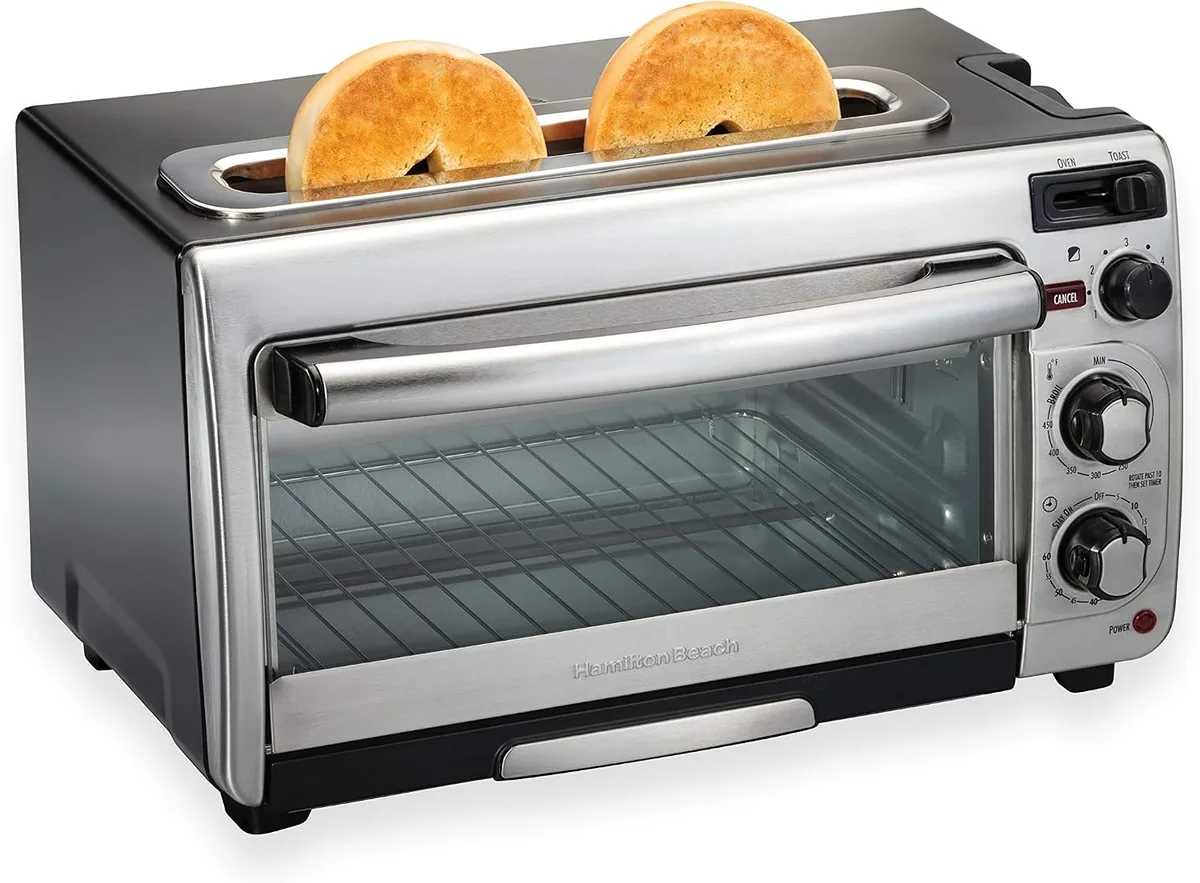
Image source: Bing (Web (fair-use with source credit))
So, you're ready to level up your kitchen with a toaster oven, but where do you even begin? It's like picking a new kitchen sidekick, you want one that’s going to be reliable, do what you need it to do, and not get in the way. The very first step, and honestly the most crucial one, is to figure out what your specific needs are.
Think about your daily routine and your typical meals. Are you usually just reheating leftovers from the night before, or are you planning on baking mini muffins on a Saturday morning? If you're living in a cozy apartment or a dorm room, counter space is probably at a premium, so size will be a huge factor.
On the flip side, if you're a busy parent needing to whip up quick snacks for the kids, you'll need something that heats up fast and can handle a few slices of toast or a small pizza.
Manufacturer specifications often detail capacity in cubic feet, but it's more helpful to think in practical terms. For example, a unit around 0.5 cubic feet might be great for a single person, typically fitting 2-4 slices of bread or a small 9-inch pizza. If you're cooking for two or a small family, you might want to look at models closer to 1.0 cubic feet, which can often accommodate a 12-inch pizza or a small baking dish.
Knowing this helps you avoid the frustration of a toaster oven that’s too small or the bulkiness of one that’s far too big for your needs.
Key Toaster Oven Features That Actually Matter
When you start looking at toaster ovens, you’ll see a whole bunch of features listed. It can get a little overwhelming, but our research shows that a few key things consistently make a difference in user satisfaction. Focusing on these will help you cut through the noise and find a unit that really works for you.
Capacity & Size: Fitting Your Kitchen and Your Meals
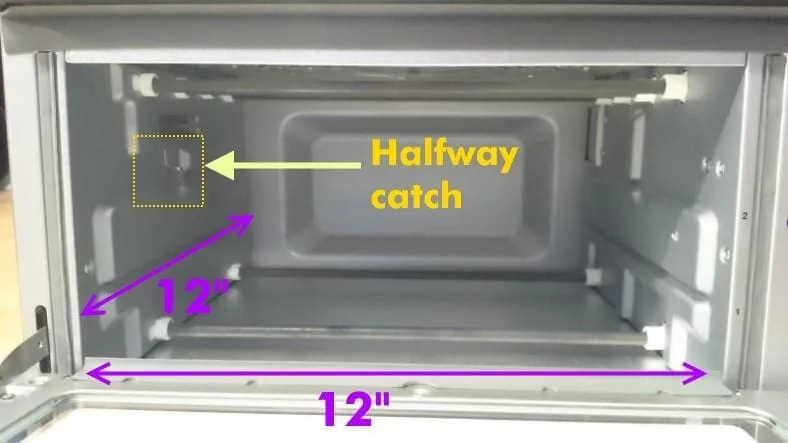
Image source: Bing (Web (fair-use with source credit))
This is where measuring your counter space comes in, folks. A toaster oven’s physical footprint is just as important as what it can cook inside. You don't want to buy a gorgeous, feature-packed oven only to find out it jams up your kitchen workflow or makes it impossible to open the cabinet doors.
- Exterior Dimensions: Always check the height, width, and depth. Remember to factor in clearance for the door opening and ventilation.
- Interior Capacity: This is usually stated in cubic feet (cu ft).
- Small (0.3, 0.5 cu ft): Ideal for 1-2 people, primarily for toasting, reheating small portions, or making a single bagel. Might fit about 2-4 slices of bread.
- Medium (0.6, 0.9 cu ft): Good for couples or small families. Can typically handle a 9-10 inch pizza, small casseroles, or 4-6 slices of toast.
- Large (1.0+ cu ft): Best for families or those who use it as a primary oven. Often fits a 12-inch pizza, a 9×13 inch baking pan, or even a small chicken.
Consider what you'll be cooking most often. If it’s just toast and a quick melt, a smaller unit will save space. If you envision baking a small loaf of bread or roasting a few chicken thighs, you'll need a larger interior.
Functions: Beyond Just Toasting
The term "toaster oven" is almost a misnomer these days. Modern units are mini-ovens with a surprising range of capabilities. Understanding these functions will help you pick a model that fits your cooking style.
- Toast: This is the baseline, but quality varies. Some offer precise darkness settings, while others are more basic.
- Bake: Essential for cookies, muffins, small cakes, and casseroles. This uses lower, even heat.
- Broil: Direct, high heat from the top element. Perfect for melting cheese on French onion soup or getting a nice char on bell peppers.
- Reheat: A gentler heat setting designed to warm up leftovers without overcooking or making them soggy.
- Keep Warm: Maintains a low temperature to keep food ready until serving.
- Convection Bake: This is a game-changer for even cooking. A fan circulates hot air, reducing cooking time and often resulting in crispier exteriors. If you plan on baking or roasting, look for this feature.
- Air Fry: Many newer models include an air fry function, which uses high-speed convection to mimic the results of a deep fryer. This is great for making crispy fries, wings, or vegetables with less oil.
Cleaning Ease: The Unsung Hero
Let's be honest, cleaning is not the fun part of cooking. But a toaster oven that’s easy to clean will get used far more often than one that requires a major scrub-down every time.
- Removable Crumb Tray: This is absolutely essential. It slides out from the bottom, collecting all the fallen crumbs. Being able to just empty and wipe this tray saves so much hassle.
- Non-Stick Interior: Some ovens have interiors coated with a non-stick material, making it easier to wipe away splatters and grease.
- Removable Rack and Pan: Being able to take out the oven rack and baking pan makes cleaning much more thorough.
Look for models where these components are dishwasher-safe, though a quick wipe-down is often sufficient. Manufacturer specifications will usually highlight these cleaning features.
Toaster Ovens: Pros and Cons for Your Kitchen
Before you commit, it's always smart to weigh the good against the not-so-good. Toaster ovens are fantastic for many situations, but they aren't a perfect fit for everyone or every cooking task. Our editorial analysis of user feedback and product specifications reveals common advantages and disadvantages.
Pros:
- Energy Efficient for Small Jobs: Heating up a small toaster oven uses significantly less electricity than firing up a full-size conventional oven. This can lead to noticeable savings on your energy bill if you're frequently cooking for one or two.
- Fast Preheating: Unlike a large oven that can take 10-15 minutes to reach temperature, many toaster ovens are ready to go in just 2-5 minutes. This speeds up meal prep considerably.
- Versatile Cooking Options: As we've discussed, modern toaster ovens offer bake, broil, toast, and often convection and air fry functions, making them incredibly adaptable.
- Ideal for Small Spaces: They are perfect for apartments, dorm rooms, tiny kitchens, or as a secondary oven for busy households.
- Simpler Operation: Generally, their controls are more straightforward than those on a full oven, making them user-friendly.
Cons:
- Limited Capacity: This is the biggest drawback. You can't roast a whole turkey or bake a large sheet cake in most standard toaster ovens. Their interior dimensions are their primary limitation.
- Potential for Overcooking: Because they heat up so quickly and are often smaller, food can go from perfectly cooked to burnt in a flash if you're not attentive. Careful monitoring is key.
- Countertop Footprint: Even compact models take up valuable counter space, which can be a concern in smaller kitchens.
- Uneven Heating (in basic models): While convection features help, some simpler toaster ovens can have hot spots, leading to uneven cooking if you don't rotate your food.
How to Choose Based on What You'll Cook
This is where we bring it all together. The best toaster oven for you will depend entirely on what you plan to make. Thinking about your go-to meals will immediately point you toward specific types and feature sets.
Best Toaster Ovens for Simple Toasting & Reheating
If your primary needs are toasting bread or bagels to perfection and quickly reheating leftovers without making them rubbery, you don't need all the bells and whistles.
- Key Features: Precise toast settings, a reliable "reheat" function, and easy-to-clean surfaces are most important. Convection and air fry are likely overkill.
- Capacity: A smaller capacity unit (around 0.3-0.6 cu ft) is usually sufficient, saving you counter space and money.
- Consider: Basic models often have simpler dials for toast shade and temperature. Look for a good crumb tray design.
Best Toaster Ovens for Baking & Roasting
For those who want to bake small batches of cookies, muffins, or roast vegetables and chicken pieces, a more capable oven is necessary.
- Key Features: Convection bake is almost non-negotiable here. This feature ensures even heat distribution, leading to properly baked goods and nicely browned roasted items. A good temperature range (up to 450°F / 230°C) is standard.
- Capacity: Medium to large capacity (0.6 cu ft and up) is ideal. This allows you to fit standard baking pans like 8×8 inch or even 9×13 inch, and arrange food items without crowding.
- Consider: Models that include a bake pan and wire rack as standard accessories are convenient. Look for digital controls for more precise temperature selection.
Best Toaster Ovens for Crispy "Fried" Foods (Air Frying)
If you're drawn to the idea of crispy foods without the deep-frying hassle, a toaster oven with an air fryer function is your best bet.
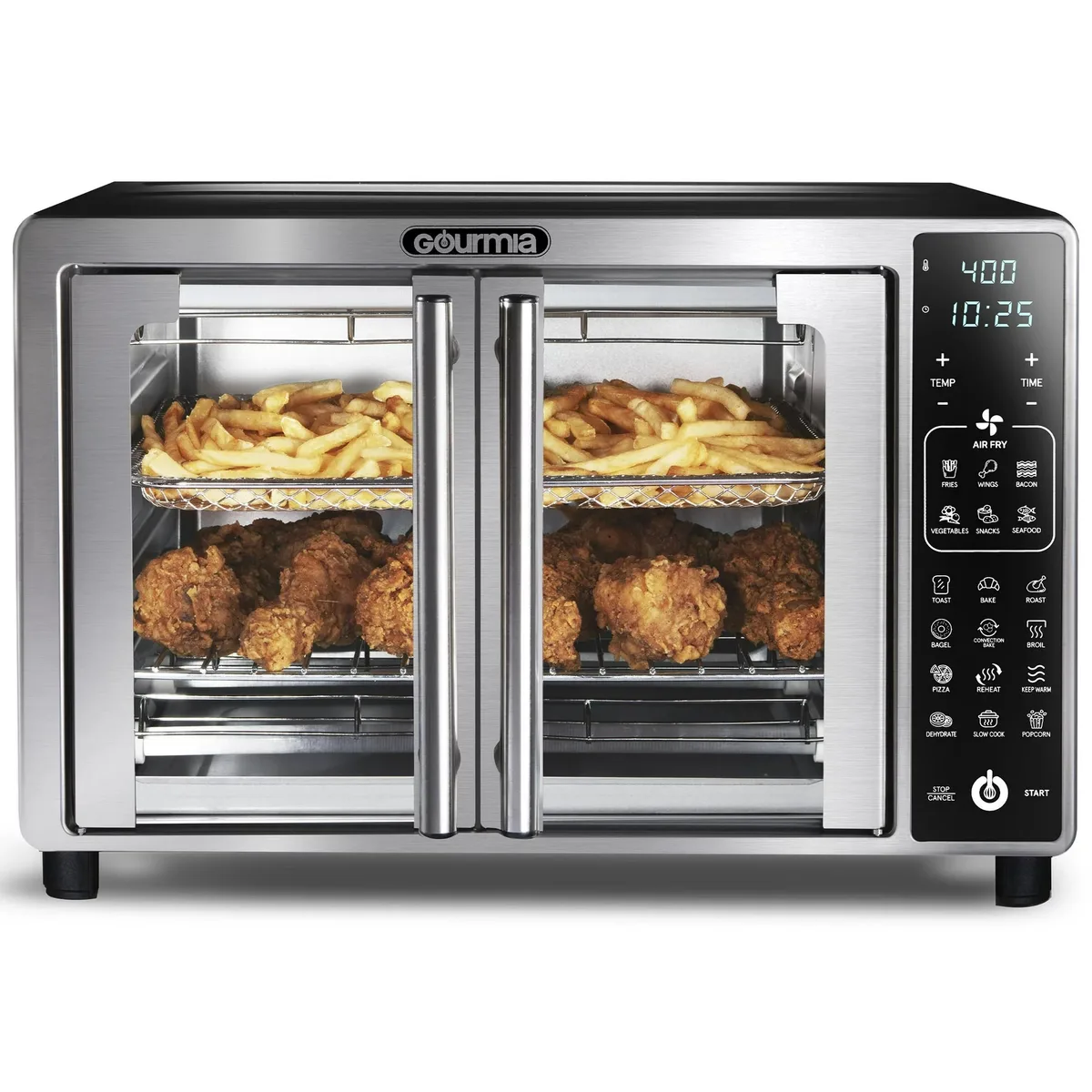
Image source: Bing (Web (fair-use with source credit))
- Key Features: The air fry function utilizes high-speed convection to circulate hot air rapidly. Look for models that specifically advertise "air fry" with high wattage and powerful fans to ensure crispiness. A dedicated air fry basket or tray often comes with these units for optimal results.
- Capacity: While some air fryers are compact, a medium to large capacity is often better for air frying larger portions or to ensure food isn't overcrowded, which is critical for achieving crispiness.
- Consider: These units often have multiple cooking presets for popular air-fried items like fries, wings, or chicken tenders. Ensure the interior is large enough to accommodate the included air fry basket or rack. For example, manufacturer specs on popular models confirm they can often handle up to 2 lbs of fries.
Common Toaster Oven Pitfalls to Avoid
Even with the best intentions, certain mistakes can turn your toaster oven experience from great to frustrating. Our research highlights a few recurring issues that users encounter, often stemming from not fully understanding the appliance’s limitations or capabilities. Avoiding these common errors will help you get the most out of your new kitchen gadget.
- Using it for Overly Large Tasks: Trying to cook a full Thanksgiving turkey or a massive batch of cookies is a recipe for disappointment. Toaster ovens are designed for smaller portions or secondary cooking. For large meals, stick to your full-size oven.
- Ignoring the Preheat Time: While toaster ovens heat up fast, they still need a few minutes to reach their optimal temperature, especially for baking or roasting. Skipping preheating can lead to undercooked food or uneven results. Check manufacturer specs for typical preheat times, which are usually around 2-5 minutes.
- Overcrowding the Interior: This is especially critical when using convection or air fry settings. If you pack the oven too full, the hot air can't circulate properly. This results in food that’s not crispy where it should be or unevenly cooked. Always leave some space around your food for air circulation.
- Not Reading the Manual: It sounds basic, but each toaster oven has its quirks. The manual will tell you exactly how to use each function, recommended cooking times for common items, and cleaning instructions. It’s a valuable resource that many people overlook.
Quick Guide: Finding Your Perfect Toaster Oven
Ready to make the leap? Here’s a quick rundown to help you make that final decision. Think of this as a checklist to ensure you’re on the right track for selecting a toaster oven that truly fits your kitchen and lifestyle.
- Assess Your Space: Measure your counter where you plan to put it. Don't forget to account for the door opening and ventilation needs.
- Define Your Primary Use:
- Toast & Reheat Only: Look for basic models with good toast settings and a simple reheat function.
- Baking & Roasting: Prioritize convection bake and a decent interior capacity (0.6 cu ft+).
- Crispy Foods: Opt for models with a dedicated air fry function.
- Check Capacity Needs: How many slices of bread, pizza slices, or what size baking pan do you want to fit? Match this to the oven’s cubic footage.
- Prioritize Cleaning: A removable crumb tray is a must-have. Non-stick interiors are a nice bonus.
- Consider Budget: Prices can range from around $50 for basic models to $300 or more for advanced air fryer/convection units. Decide how much you're willing to invest for the features you need.
- Read Reviews (Selectively): Look for feedback on consistent heating, durability, and ease of use, but always filter it through your own needs.
By following these steps, you can move beyond just looking at features and pick a toaster oven that will become a genuinely useful part of your kitchen.
How to Maintain Your Toaster Oven for Longevity
Once you've chosen and started using your toaster oven, a little regular care goes a long way. Keeping it clean and functioning well ensures it performs reliably for years. Manufacturer documentation often outlines specific cleaning schedules, but a few general practices apply to most models.
- Daily Wipe-Down: After each use, once the oven has cooled, give the interior a quick wipe with a damp cloth. This prevents food particles and grease from baking on and becoming difficult to remove later. Don't forget to empty and clean the crumb tray every time.
- Deeper Cleaning: For tougher spots or more thorough cleaning, use a mild dish soap and warm water. For stubborn, baked-on grease, a paste of baking soda and water can be effective, but test it on an inconspicuous area first. Always rinse thoroughly and ensure the interior is completely dry before the next use.
- Exterior Care: Wipe down the outside of the toaster oven with a damp cloth. For stainless steel finishes, a dedicated stainless steel cleaner can help maintain its shine. Avoid abrasive cleaners that could scratch the surface.
Proper maintenance not only keeps your toaster oven looking good but also ensures even cooking performance and prevents potential issues like smoking or lingering odors.
Toaster Oven vs. Other Cooking Appliances
When deciding on a toaster oven, it's helpful to see how it stacks up against other common kitchen appliances. Each has its own strengths and weaknesses, making them suitable for different needs and kitchen setups. Understanding these comparisons can solidify your choice or help you see where a toaster oven best fits into your cooking arsenal.
| Appliance | Best For | Key Advantages | Key Disadvantages |
|---|---|---|---|
| Toaster Oven | Toasting, reheating, small-batch baking/roasting, snacks, as a secondary oven | Fast heating, energy-efficient for small jobs, versatile functions, space-saving | Limited capacity, can't handle large meals, potential for uneven cooking |
| Full-Size Oven | Large roasts, multiple dishes, holiday meals, large baking projects | High capacity, powerful, even cooking for large volumes | Slow to preheat, energy-intensive for small jobs, takes up significant space |
| Traditional Toaster | Slicing bread, bagels, English muffins | Very fast, dedicated to toasting, compact | Limited to toasting only, no other cooking functions |
| Microwave Oven | Rapid reheating, steaming, defrosting | Speed for specific tasks, retains moisture | Can make food rubbery or unevenly heated, poor for browning or crisping |
Choosing the right appliance often comes down to balancing speed, capacity, energy use, and the specific cooking results you desire. A toaster oven often bridges the gap between a simple toaster and a full-sized oven, offering versatility for everyday needs.
Frequently Asked Questions About Toaster Ovens
How much counter space does a toaster oven typically need?
Toaster ovens vary greatly in size. Small models might only need about 15 inches of width and 12 inches of depth, plus clearance for the door. Larger units, especially those with convection or air fry, can require 18-20 inches in width and similar depth, plus space for ventilation.
Always check the specific product dimensions and allow for door swing and airflow.
Can a toaster oven replace my main oven?
For most individuals and small families, a toaster oven can significantly reduce the need for a full-size oven for everyday tasks like reheating, toasting, baking small items, or roasting veggies. However, for large roasts, multiple large baking pans simultaneously, or holiday-sized meals, a conventional oven remains necessary due to its superior capacity and power.
What is the difference between convection bake and regular bake?
Regular bake uses heating elements at the top and bottom of the oven to cook food. Convection bake adds a fan that circulates hot air throughout the interior. This results in faster, more even cooking and can create a crispier exterior on foods like roasted vegetables or baked goods.
Are air fryer toaster ovens worth the extra cost?
If you frequently make crispy foods like fries, chicken wings, or roasted vegetables and prefer using less oil, an air fryer toaster oven can be a great investment. They offer the convenience of an air fryer combined with the versatility of a toaster oven. If you rarely eat these types of foods, a standard toaster oven with convection might suffice.
How often should I clean my toaster oven?
It's best to wipe down the interior and empty the crumb tray after each use or at least daily, especially if splatters occur. For deeper cleaning of the oven walls and racks, a more thorough clean every few weeks or monthly is recommended, depending on usage frequency. Always ensure the unit is unplugged and cool before cleaning.