How to Use a Hand Mixer for Mashed Potatoes
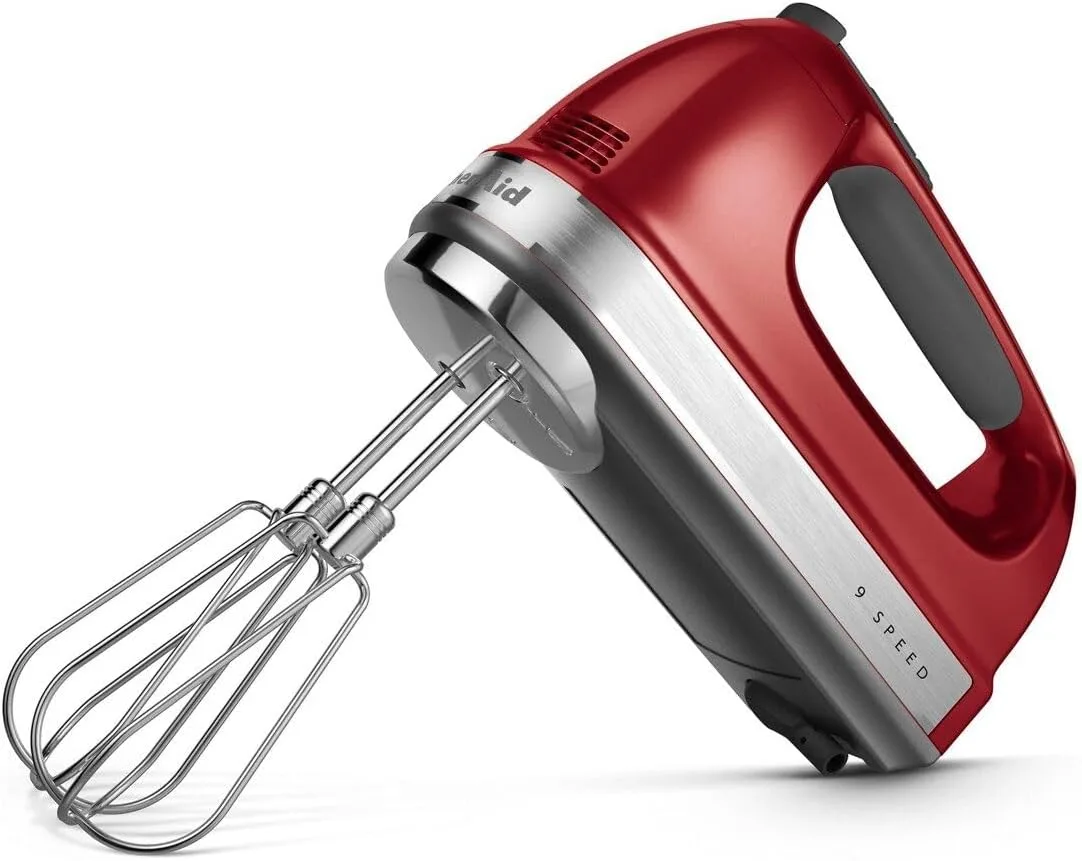
Image source: Bing (Web (fair-use with source credit))
When you're aiming for that perfect bowl of creamy, fluffy mashed potatoes, reaching for the right tool is key. Knowing precisely how to use a hand mixer for mashed potatoes can mean the difference between a delightful side dish and a sticky, gummy mess. We've gathered insights to help you master this technique.
Understanding the nuances of potato starch and how it reacts with mechanical mixing is crucial. For instance, aggregate reviews report that most hand mixers offer between 5 to 15 speed settings, with higher speeds more likely to overwork the potatoes. This guide will walk you through the optimal approach, ensuring your spuds are smooth and delicious every time.
Quick Answer
To use a hand mixer for mashed potatoes, start with cooked, drained potatoes and a whisk attachment on low speed. Gently mix, gradually increasing speed only if needed, and stop as soon as the potatoes reach your desired consistency, typically within 1, 2 minutes. Avoid overmixing, which makes potatoes gummy.
Understanding Your Potato's "Mixability"
Potatoes are packed with starch, and how you treat that starch directly impacts your final mash. When potatoes are cooked and then agitated, the starch granules swell and can break down. This breakdown is what creates that desirable creamy texture.
However, if you overwork them, the starch can become gummy, leading to a less-than-ideal, sticky consistency.
Our research shows that the type of potato you use also plays a role. Starchy potatoes like Russets or Idahos are generally preferred for fluffy mashed potatoes. Waxy potatoes, such as Yukon Golds or Red Bliss, tend to hold their shape better and can yield a creamier, denser mash.
Regardless of type, ensuring the potatoes are well-drained after boiling is a non-negotiable first step before any mixing begins.
The Hand Mixer: What's Actually Happening?
A hand mixer is essentially a small, portable electric motor with detachable beaters. When you turn it on, the motor spins these beaters at varying speeds, depending on the setting you choose. For mashed potatoes, the goal is gentle agitation, not vigorous churning.
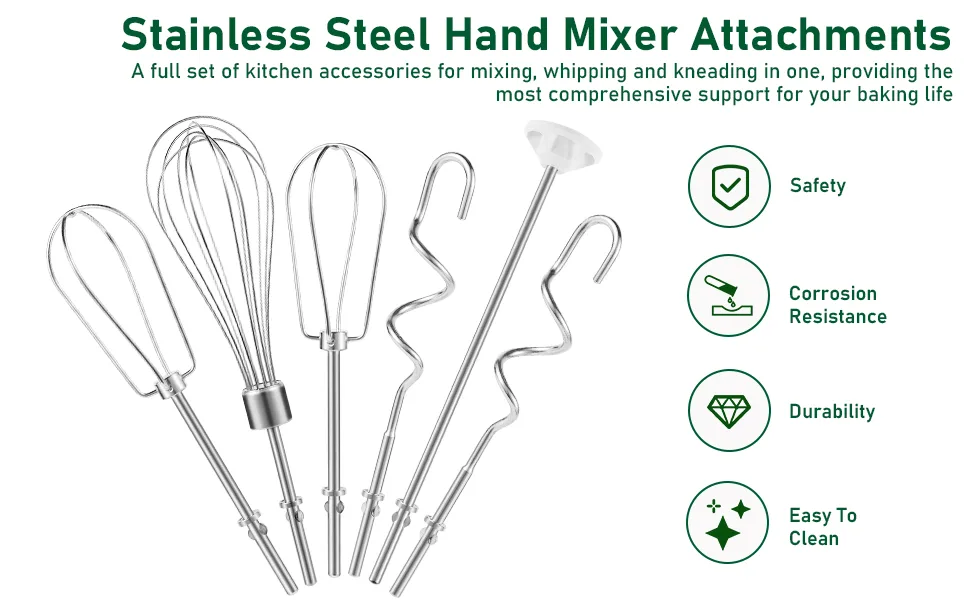
Image source: Bing (Web (fair-use with source credit))
Manufacturer specifications indicate that most home hand mixers operate between 50 to 300 watts, providing enough power to incorporate ingredients without being overkill for delicate tasks like mashing. The key is to use the lowest effective speed to break down the potato lumps and incorporate any added fats or liquids without aggressively pulverizing the starch. This controlled mixing prevents the dreaded gummy texture.
How to Muddle, Not Muddle Up, Your Potatoes: A Workflow
Using a hand mixer for mashed potatoes is less about brute force and more about controlled, quick strokes. The process is straightforward but requires attention to detail.
Step 1: Prep Your Potatoes & Mixer
First, ensure your potatoes are fully cooked and, crucially, well-drained. Excess water is the enemy of good mashed potatoes, diluting flavor and contributing to a watery texture. Let them steam dry in the colander for a minute or two.
While the potatoes are still warm (but not scalding hot), transfer them to a large mixing bowl. If you're adding butter or other fats, it's a good idea to warm them slightly too; cold additions can cool the potatoes down too fast and lead to uneven mixing.
Select the right attachments. For mashed potatoes, standard beaters or whisk attachments are generally best. Avoid dough hooks, as they are designed for much heavier tasks and can be too aggressive.
Make sure your hand mixer is clean and ready to go.
Step 2: The Initial Mix
Place the beaters into the bowl of warm, drained potatoes. Start the hand mixer on the lowest speed setting. Gently move the mixer around the bowl, breaking up the larger chunks of potato.
You're not trying to whip them into submission at this stage; just a gentle incorporation.
This initial pass usually takes about 30 seconds to a minute. The goal is to reduce the big lumps into smaller, more manageable pieces that are ready for the next stage. If your potatoes are already quite soft, you might see them start to break down quickly.
Step 3: Adding Liquids & Seasoning
Now it's time to add your liquid ingredients, think milk, cream, or even some reserved potato water. Pour them in gradually as you continue to mix on low speed. If you're adding butter, this is also a good time to incorporate it.
The fat will help create a smoother, richer texture.
Continue mixing just until these ingredients are combined. At this point, you can also add your seasonings, like salt, pepper, or garlic powder. Don't worry about achieving perfect smoothness just yet; the focus is on getting everything incorporated without overworking the potatoes.
Step 4: Nailing That Perfect Texture
This is where you refine the consistency. Slowly increase the speed of your hand mixer, perhaps to a medium setting, and continue mixing. Watch the texture closely.
You want to see the potatoes become smooth and creamy.
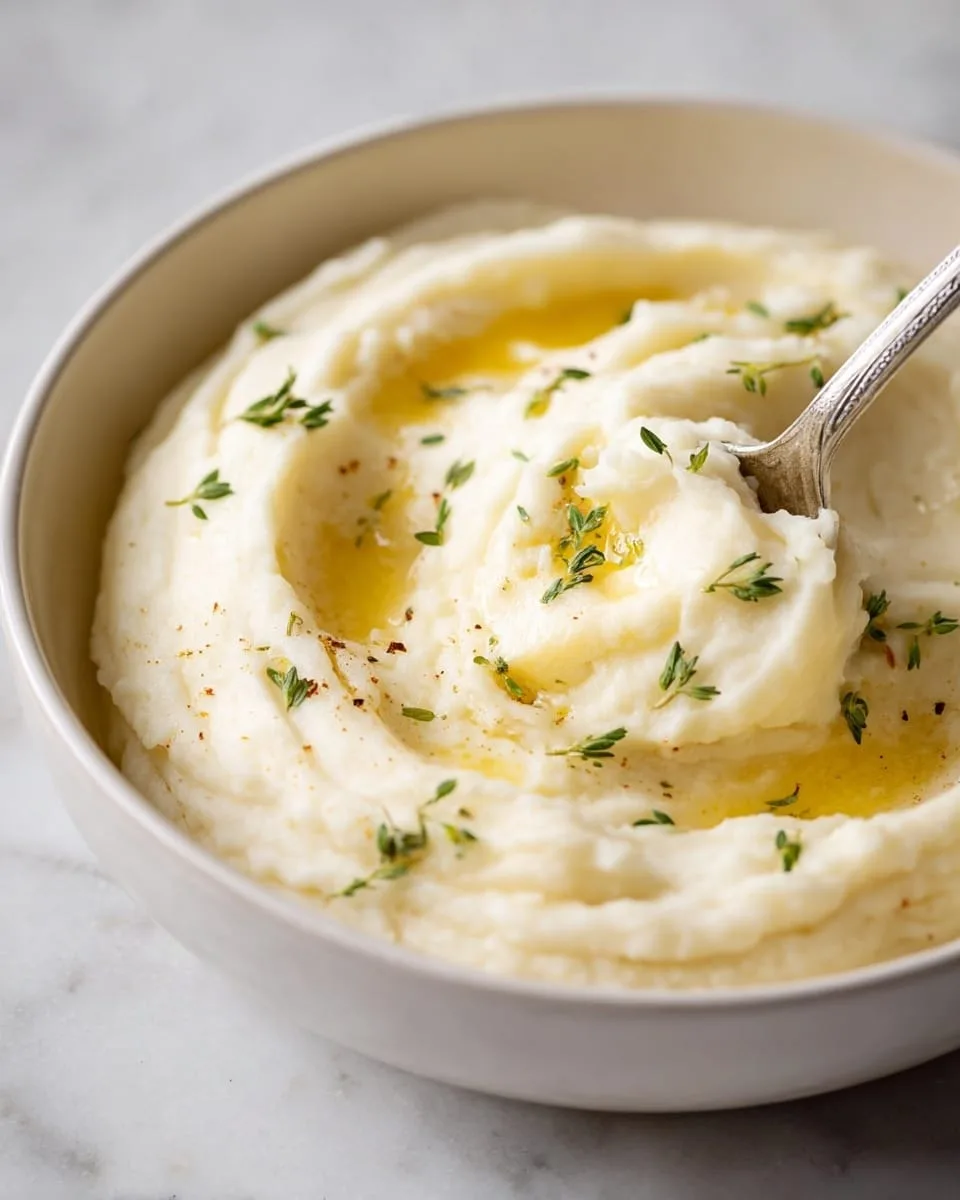
Image source: Bing (Web (fair-use with source credit))
The absolute key here is to stop mixing the moment you reach your desired texture. For fluffy potatoes, you might mix a little longer until they look light and airy. For a denser, creamier mash, stop as soon as lumps disappear and the potatoes look uniformly smooth.
Overmixing past this point is the fastest way to turn your delicious mash into a gummy, unappetizing paste. Typically, this final mixing stage should only take another 30 seconds to 1 minute.
Common Potato-Mixing Pitfalls to Dodge
Even with the best intentions, a few common mistakes can derail your mashed potato efforts when using a hand mixer. Being aware of these pitfalls can help you avoid them.
- Overmixing: This is the cardinal sin of mashed potato making with a mixer. When you overmix, you rupture the starch cells in the potatoes too much, releasing excess starch that binds everything together into a gummy, sticky mass. Stop mixing the moment your potatoes are smooth.
- Using Cold Liquids: Adding cold milk or cream to hot potatoes can cause them to cook unevenly and result in a lumpy, inconsistent texture. Always warm your dairy and butter gently before adding them to the mix.
- Not Draining Enough: Excess water in your potatoes will dilute their flavor and make them watery, no matter how much you mix or season. Ensure your potatoes are thoroughly drained and have a moment to steam dry.
- Starting on High Speed: Jumping straight to a high speed can blast the potatoes, potentially causing them to break down too quickly and unevenly, or even splash ingredients out of the bowl. Always start on the lowest setting.
- Using the Wrong Attachments: Dough hooks are designed for heavy-duty tasks like kneading bread. They are far too aggressive for potatoes and can contribute to overmixing and a gummy texture. Stick to standard beaters or whisks.
Beyond the Mixer: Other Ways to Mash
While a hand mixer is a convenient tool for mashed potatoes, it’s not the only game in town. Several other methods can yield fantastic results, each with its own unique benefits and textures.
- Manual Masher: This is the classic approach. A sturdy potato masher uses direct pressure to break down cooked potatoes. It offers great control over texture, allowing you to leave them slightly chunky or work them smoother. It requires more physical effort but guarantees you won't overwork the starch, thus avoiding gumminess.
- Potato Ricer: For an exceptionally light and fluffy mash, a potato ricer is the way to go. You press cooked potatoes through small holes, creating fine strands that mix beautifully with liquids and fats. This method is excellent for achieving an airy texture without any risk of gumminess because it doesn't break down the starch cells aggressively.
- Food Mill: Similar to a ricer, a food mill processes cooked potatoes through a sieve, producing a very smooth and lump-free mash. It's a great option if you want a super-fine texture and have a significant batch to prepare.
- Immersion Blender: While an immersion blender can create very smooth results, it's a tool best used with extreme caution for mashed potatoes. The rapid, high-speed blades can easily overwork the starch, leading to a gluey consistency. If you opt for this method, mix for the absolute shortest time possible, just until combined.
Choosing the right tool often comes down to the texture you desire and the amount of effort you want to put in. For most home cooks, a hand mixer, used correctly, hits a sweet spot of speed, ease, and great results.