How to Make Cookies With a Stand Mixer
Making cookies from scratch can seem intimidating, but a stand mixer takes much of the grunt work out of the equation. Understanding the visual cues your dough gives you is key to perfecting that bake. This guide focuses on how to make cookies with a stand mixer, emphasizing the visual aspects that lead to delicious results.
Manufacturer specifications for many stand mixers highlight their ability to handle various dough consistencies efficiently. By paying close attention to how your ingredients transform visually throughout the mixing process, you can consistently achieve the perfect cookie texture, from light and airy to rich and chewy.
Quick Answer
To make cookies with a stand mixer, you'll cream softened butter and sugar until fluffy. Then, add eggs and vanilla, followed by dry ingredients on low speed just until combined. Finally, stir in mix-ins like chocolate chips.
Visual cues at each stage, such as the pale yellow color of creamed butter and sugar, are critical for success.
Why Visuals Matter for Cookie Success
In our research, the most common pitfall for home bakers isn't using the wrong ingredients, but misinterpreting the dough's appearance. A stand mixer simplifies the physical act of mixing, but it doesn't replace the baker's eye. Visual cues are your most reliable guide for everything from proper ingredient incorporation to knowing when the dough is just right.
For example, knowing when your butter and sugar mixture has reached the "light and fluffy" stage, a pale yellow, aerated mass, is crucial for cookie spread and texture. Aggregate reviews report that deviating from these visual benchmarks often leads to cookies that are too flat, too hard, or don't have the desired chew.
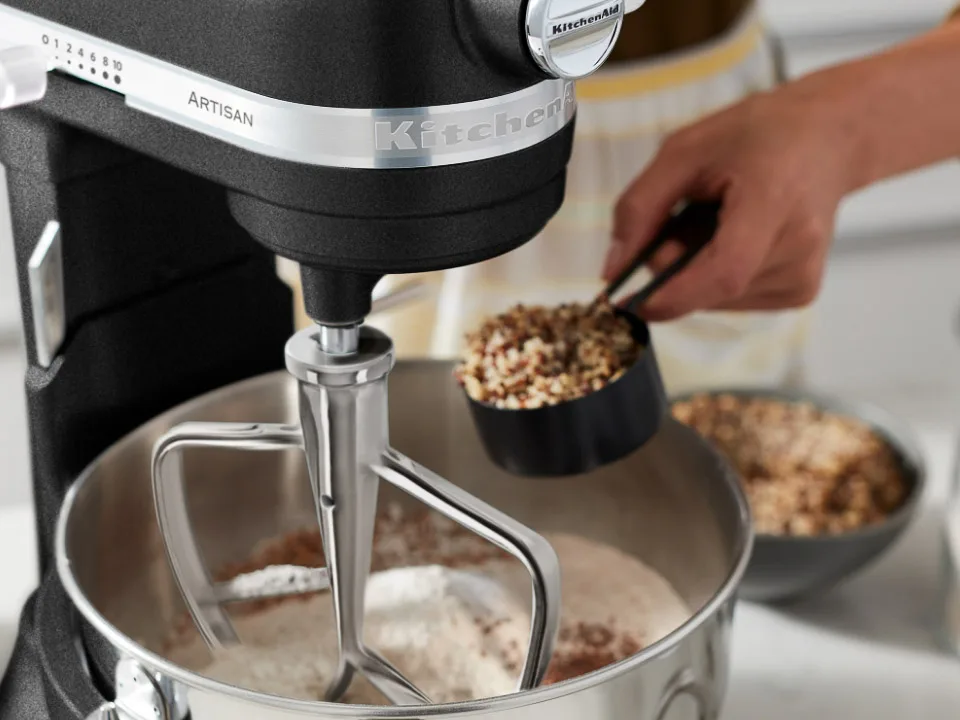
Image source: Bing (Web (fair-use with source credit))
Creaming Butter and Sugar: The Fluffy Foundation
This step is the bedrock of many cookie recipes, especially for those you want to be tender and have a good rise. Creaming isn't just about mixing; it's about introducing air into the mixture. When you cream softened butter and sugar together, you're creating tiny air pockets that expand in the oven, giving your cookies their lift and light texture.
- What to look for: Start with softened butter, it should yield to gentle pressure but not be melted or greasy. Combine it with your sugar (granulated, brown, or a mix). Begin mixing on low speed to avoid a sugar dust storm, then increase to medium-high. You're aiming for a pale yellow, fluffy, almost whipped consistency. This process typically takes about 3 to 5 minutes on a medium-high speed. Stop the mixer midway and scrape down the bowl and beater to ensure even mixing. Undercooked creaming results in dense, flat cookies.
Image source: Web (Bing) / jurnal.id (Web image (fair-use with source credit))
Adding Eggs and Vanilla: Binding It All Together
Once your butter and sugar are perfectly creamed, it's time to add the binding agents and flavor enhancers. Eggs provide structure and moisture, while vanilla extract adds that classic, comforting cookie aroma and taste.
- How it looks: Add your eggs one at a time. Beat well after each addition until the mixture looks smooth and fully incorporated. Adding them gradually helps prevent the batter from looking curdled or separating. If you've ever added all your eggs at once and ended up with a greasy-looking or broken mixture, this is why. The vanilla extract should be a rich brown liquid that disperses evenly. A quick mix on low speed is all that's needed here.
Incorporating Dry Ingredients: The Delicate Mix
This is where precision and timing are paramount. Overmixing at this stage is one of the quickest ways to turn delicate cookie dough into something tough and unappealing. The goal is to combine the flour, leavening agents (like baking soda or powder), and salt just enough to distribute them throughout the wet ingredients.
- What to aim for: In a separate bowl, whisk your dry ingredients together first. This ensures even distribution of leavening and salt. Add about half of this mixture to your stand mixer bowl. Mix on the lowest speed. As soon as you no longer see large streaks of flour, stop the mixer. Add the remaining dry ingredients and repeat the process: mix on low speed only until the flour is just incorporated. You might still see a few tiny streaks, which is perfectly fine. Finishing any last bits by hand with a spatula is a great way to avoid overmixing.
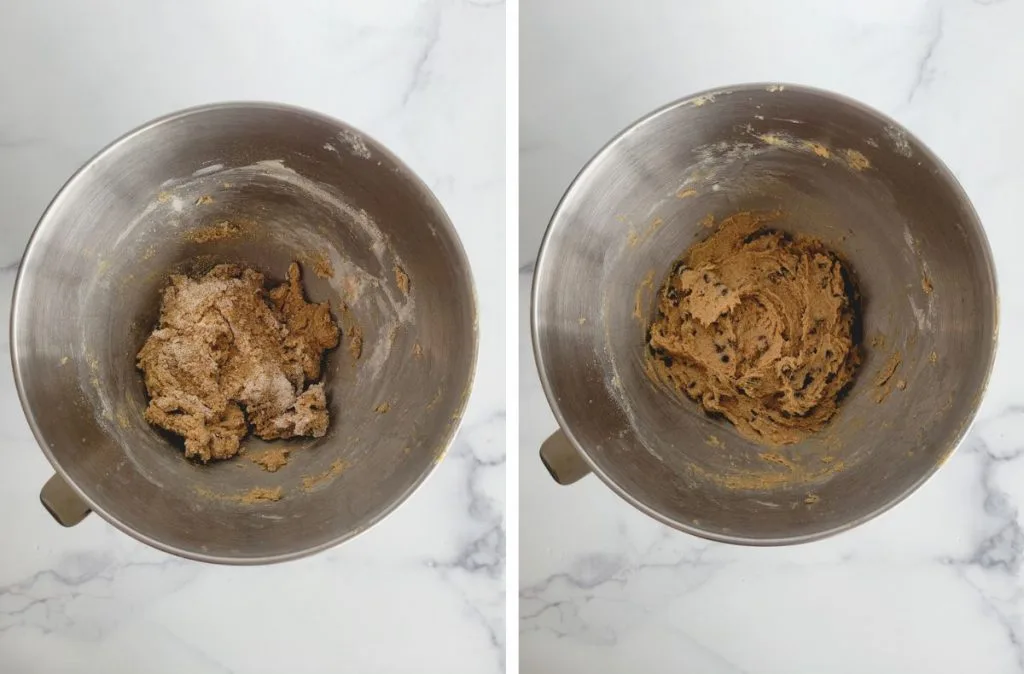
Image source: Bing (Web (fair-use with source credit))
Adding Your Favorite Mix-Ins
This is the fun part where you get to customize your cookies! Whether you're adding chocolate chips, nuts, dried fruit, or sprinkles, the goal is even distribution without overworking the dough.
- Visual check: Once the dry ingredients are just combined, add your mix-ins to the bowl. Use the lowest speed on your stand mixer for just a few seconds, literally, 5-10 seconds. You want the mix-ins to be scattered throughout the dough, not pulverized or broken into tiny pieces. If your dough looks like it's starting to get oily or heavy, you've mixed too much. Many bakers prefer to do this last step by hand with a spatula to get a better feel for the dough and ensure the mix-ins are evenly distributed without overdeveloping the gluten.
Mistakes to Avoid: Visual Pitfalls
Even with a stand mixer, common mistakes can lead to less-than-ideal cookies. Recognizing these visually will save you a lot of disappointment.
- Flour Clouds: If you dump all the dry ingredients in at once on a high speed, you'll get a cloud of flour and a poorly mixed dough. Always add dry ingredients gradually and mix on low.
- Greasy Batter: If your batter looks oily or separated after adding eggs, it's likely because the eggs were too cold, or you added them all at once to overly warm butter. Aim for room temperature ingredients and add eggs one at a time.
- Tough Dough Texture: After adding flour, if you continue to mix until the dough is completely smooth and homogenous, you've likely overdeveloped the gluten. Stop mixing as soon as the flour streaks disappear.
- Uneven Mix-Ins: If your chocolate chips are all clumped in one area, you probably added them too early or didn't mix them in gently enough. A quick, final stir by hand is often best.
Frequently Asked Questions About Stand Mixer Cookies
How long does creaming butter and sugar take?
Creaming typically takes 3 to 5 minutes on medium-high speed. You're looking for a pale yellow, fluffy texture.
Can I use melted butter for cookies?
No, for most cookie recipes, especially those relying on creaming, you need softened butter. Melted butter will cause cookies to spread too much and become greasy.
What happens if I overmix the flour?
Overmixing flour develops gluten, which can make your cookies tough, dense, and less tender. Mix only until the flour streaks disappear.
Should I chill my cookie dough?
Many recipes benefit from chilling, as it helps flavors meld and controls spread. Check your specific recipe instructions for guidance.
What's the best attachment for cookies?
For most cookie doughs, the paddle attachment is ideal as it's designed for creaming and general mixing tasks.