How to Steam Vegetables in a Microwave
So, you want to know how to steam vegetables in a microwave? It’s honestly one of the fastest, healthiest ways to get your greens (or reds, or yellows!) on the table. Forget complicated gadgets or long cooking times; your microwave can turn raw produce into tender, delicious sides in just a few minutes.
Our research shows that this method is excellent for preserving nutrients, often retaining more vitamins than boiling. Manufacturer specifications for microwave ovens typically highlight their speed and efficiency for such tasks, with many models capable of reaching optimal steaming temperatures rapidly. Let's break down how to get it right every time.
Quick Answer: How to Steam Veggies Fast
Steam vegetables in a microwave by placing them in a microwave-safe dish with 1-2 tablespoons of water. Cover the dish loosely and microwave on high for 3-7 minutes, depending on the vegetable. Check for tenderness and drain any excess water before seasoning.
Why Microwave Steaming? Benefits & Drawbacks
Microwave steaming is a real winner for busy kitchens, offering a straightforward path to healthy eating. It’s incredibly fast, often cutting cooking times in half compared to traditional stovetop steaming. Plus, the minimal water used means more of those good-for-you vitamins and minerals stay right in your food, rather than dissolving into a pot of boiling water.
This method typically uses around 50% less water than boiling, which is a key factor in nutrient retention.
However, it's not always foolproof. One of the biggest headaches people run into is overcooking, leading to mushy, unappetizing veggies. It’s also easy to misjudge the water amount, too little, and you won't get steam; too much, and you'll end up with soggy produce.
Timing can also be tricky, as microwave wattages vary, affecting how quickly things cook.
- Benefits:
- Speed: Cooks vegetables in minutes.
- Nutrient Retention: Preserves more vitamins compared to boiling.
- Ease of Use: Simple process with minimal equipment.
- Low Cleanup: Usually just one dish and a utensil.
- Energy Efficient: Uses less energy than heating a whole stove.
- Drawbacks:
- Overcooking Risk: Easy to turn veggies mushy.
- Timing Variability: Microwave power affects cooking duration.
- Texture Differences: May not achieve the same texture as stovetop steaming for some vegetables.
- Requires Care: Hot dishes and steam need careful handling.
What You'll Need: Microwave Steaming Essentials
To get started with microwave steaming, you don't need much. The most important tool is a microwave-safe dish. This can be a glass bowl, a ceramic dish, or even a microwave-safe plastic container.
Just make sure it’s deep enough to hold a small amount of water and the vegetables without overflowing. You'll also need a lid for the dish or some microwave-safe plastic wrap to create a steamy environment.
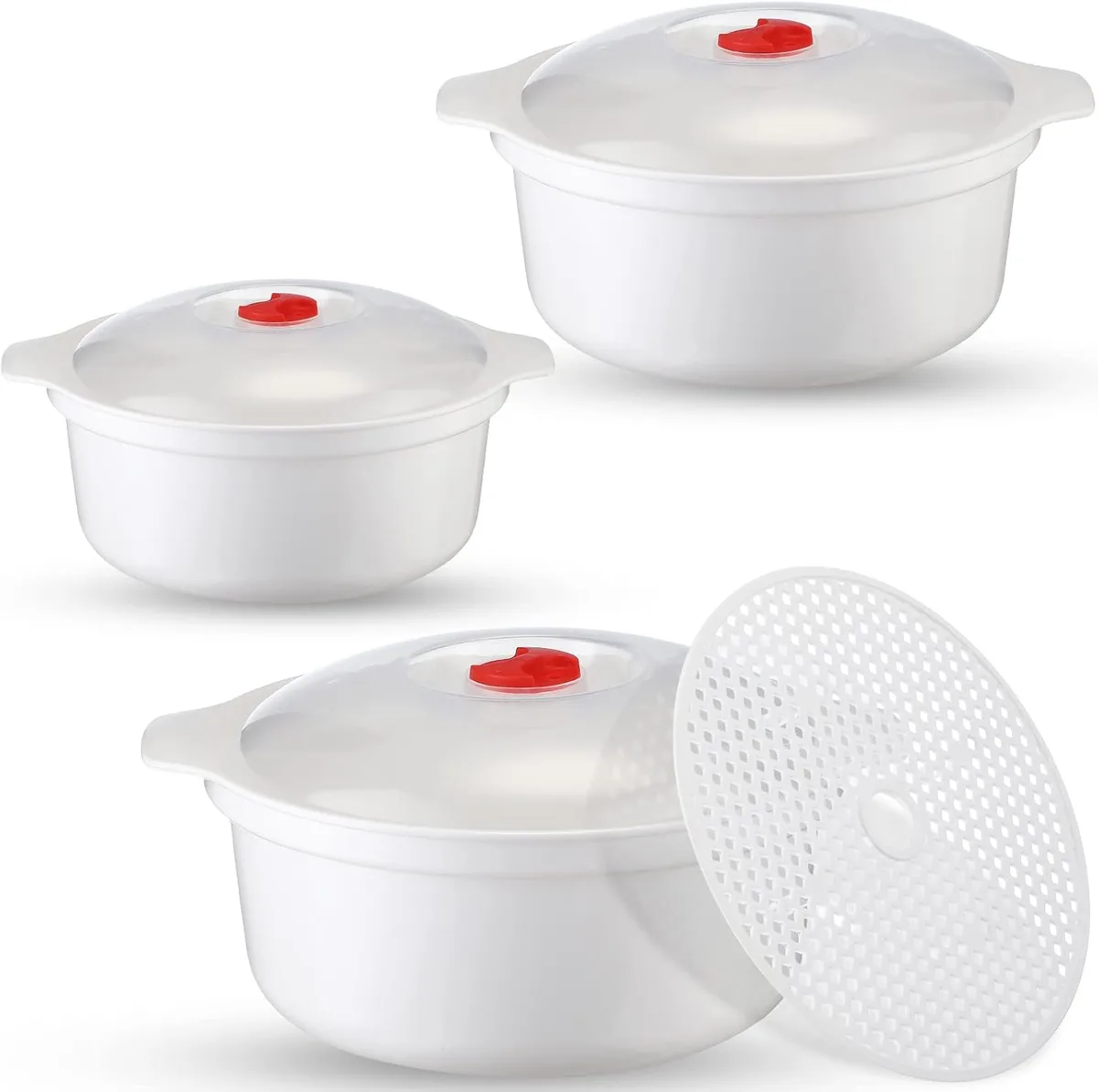
Image source: Bing (Web (fair-use with source credit))
A little bit of water is crucial, typically, just 1 to 2 tablespoons is enough for most vegetables. This creates the steam needed for cooking. You might also want a fork or a knife for checking tenderness and a colander or sieve for draining any leftover water.
Step-by-Step: Mastering Microwave Vegetable Steaming
Getting your vegetables perfectly steamed in the microwave is a straightforward process, but a few key steps ensure success. First, wash your chosen vegetables thoroughly. If you're using larger items like carrots or potatoes, cut them into uniform, bite-sized pieces.
This helps them cook evenly.

Image source: Web (Bing) / sportsbookwire.usatoday.com (Web image (fair-use with source credit))
Preparing Your Veggies
- Harder Vegetables: For items like broccoli florets, cauliflower, carrots, or green beans, cut them into roughly equal, manageable pieces. This ensures they cook at a similar rate. A uniform size, about 1-inch pieces for most, is ideal.
- Softer/Leafy Greens: For spinach, kale, or peas, you can often leave them whole or give them a rough chop if they are very large.
Adding Water and Covering
Image source: Bing (Web (fair-use with source credit))
- Add Water: Place your prepared vegetables into your microwave-safe dish. Pour in about 1 to 2 tablespoons of water for harder vegetables. For leafy greens, you might only need a teaspoon, or sometimes the residual water from washing them is enough.
- Cover: Securely cover the dish. If using a lid, leave it slightly ajar to allow steam to escape and prevent pressure build-up. If using plastic wrap, poke a few small holes in it with a fork. This creates a steamy micro-environment where the vegetables cook.
Cooking and Checking
- Microwave: Place the covered dish in the microwave. Cook on high power. The time will vary significantly based on the vegetable type and your microwave's wattage. As of 2026, a good starting point is 3-4 minutes for most common vegetables like broccoli or green beans. For instance, a 1000-watt microwave might cook broccoli in 3.5 minutes, while a 700-watt model could take 5 minutes.
- Check for Doneness: Carefully remove the hot dish. Use a fork to pierce a piece of vegetable. It should be tender but still have a slight bite (al dente). If it's still too firm, return the dish to the microwave in 30-60 second increments, checking after each interval. Leafy greens will cook much faster, often needing only 1-2 minutes total.
Finishing Up
- Drain: Once the vegetables are cooked to your liking, carefully tilt the dish to drain any excess water. Be cautious, as the steam can be hot.
- Season: Your steamed vegetables are now ready to be seasoned with salt, pepper, herbs, a drizzle of olive oil, or any other desired flavors.
Troubleshooting: Common Microwave Steaming Mistakes
Even with a simple process like microwave steaming, it's easy to run into a few snags. The most common problem people face is the texture: either the vegetables turn into a sad, mushy mess, or they're still stubbornly hard. This usually comes down to two main issues: incorrect cooking time or the wrong amount of water.
If your vegetables are mushy, it's almost certainly because they were microwaved for too long. It’s a common mistake when you're trying to ensure they’re cooked through, but the microwave's intense heat can quickly go from perfectly tender to overdone. On the flip side, if they're still hard, you might not have used enough water, or the cooking time was simply too short.
Another frequent frustration is inconsistent cooking. This happens when vegetables are piled too high in the dish, preventing steam from reaching all the pieces evenly. Harder vegetables, like carrots or potatoes, can also be tricky if they aren't cut into uniform sizes.
A large chunk will take much longer to steam than a smaller one, leading to some parts being done while others are still raw.
- Mushy Veggies: Usually a sign of overcooking. Reduce the microwave time next time.
- Hard Veggies: May need more water or a longer cooking time.
- Uneven Cooking: Cut vegetables into uniform sizes and avoid overcrowding the dish.
- Water Issues: Too much water leads to sogginess; too little prevents proper steaming. Aim for 1-2 tablespoons for most hard vegetables.
- Steam Burns: Always use oven mitts and be cautious when removing the hot dish and uncovering it.
Expert Tips for Perfect Veggies Every Time
To elevate your microwave-steamed vegetables from basic to brilliant, a few expert insights can make a big difference. Think of these as small tweaks that yield noticeably better results. One key tip is to always choose vegetables that are similar in density and size when steaming them together.
Trying to steam carrots and spinach in the same dish at the same time is a recipe for disappointment; the carrots will be raw when the spinach is already overcooked.
When it comes to timing, rely on your senses and a little bit of testing. Start with the lower end of the recommended cooking time for your specific vegetable, and then check for doneness. It's always easier to add another 30-60 seconds than it is to salvage overcooked vegetables.
Aggregated reviews from users indicate that microwave wattages can vary significantly, so what works for one person might need adjustment for another.
Consider the type of vegetable. Delicate greens like spinach or asparagus cook very quickly, often in 1-2 minutes. Heartier root vegetables like potatoes or sweet potatoes will take longer, potentially 5-7 minutes or even more if cut into large chunks.
For things like broccoli and cauliflower florets, aim for that tender-crisp texture by checking around the 3-4 minute mark. Finally, don't underestimate the power of seasoning. A little salt and pepper, a squeeze of lemon, or a touch of garlic powder can transform steamed vegetables from plain to palate-pleasing.
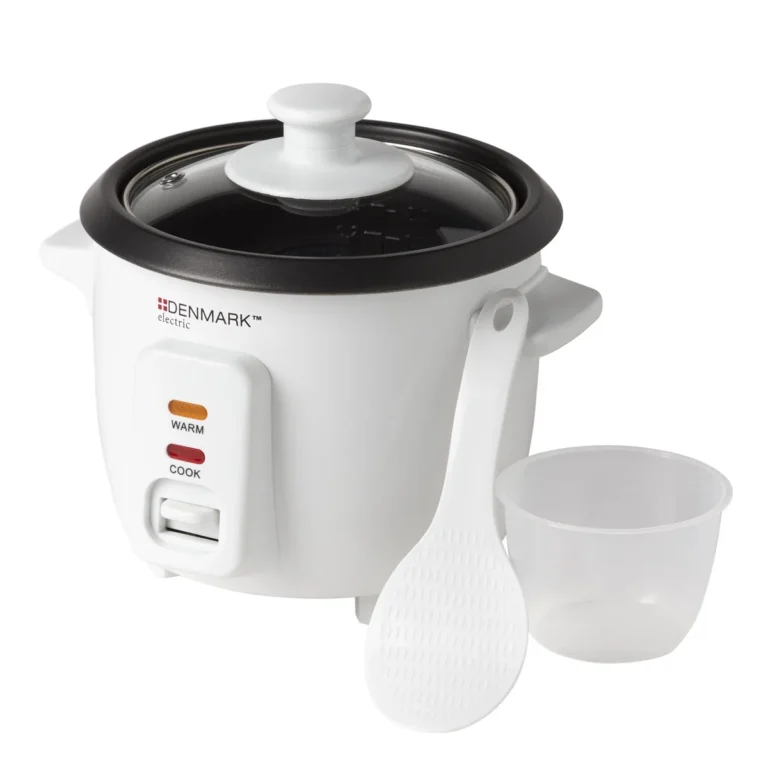
For more ideas on versatile cooking methods, exploring how to steam vegetables in a rice cooker can offer another convenient approach.
When to Choose Microwave Steaming (And When Not To)
Microwave steaming shines brightest when you need a quick, healthy side dish in a hurry. It’s ideal for single servings or small portions where setting up a large pot and steamer basket feels like overkill. If you're making a quick lunch or need to whip up a vegetable component for a meal in under 10 minutes, this method is your best friend.
It’s also fantastic for preserving the vibrant color and crisp-tender texture of vegetables like broccoli, asparagus, and bell peppers.
However, this method isn't always the top choice. For larger quantities of vegetables, like when you're cooking for a crowd, stovetop steaming or roasting might be more efficient and yield more consistent results across a big batch. If you're aiming for a deeply caramelized flavor or a very specific texture that comes from high-heat roasting, then the microwave won't achieve that.
Also, for very dense root vegetables like whole sweet potatoes or winter squash, it might still take a considerable amount of time, and other methods might be more practical for ensuring even cooking without breaking down the texture too much. For specialized cooking needs, understanding how to cook quinoa in a rice cooker, for example, addresses a different set of kitchen challenges.