French Press vs Pour Over
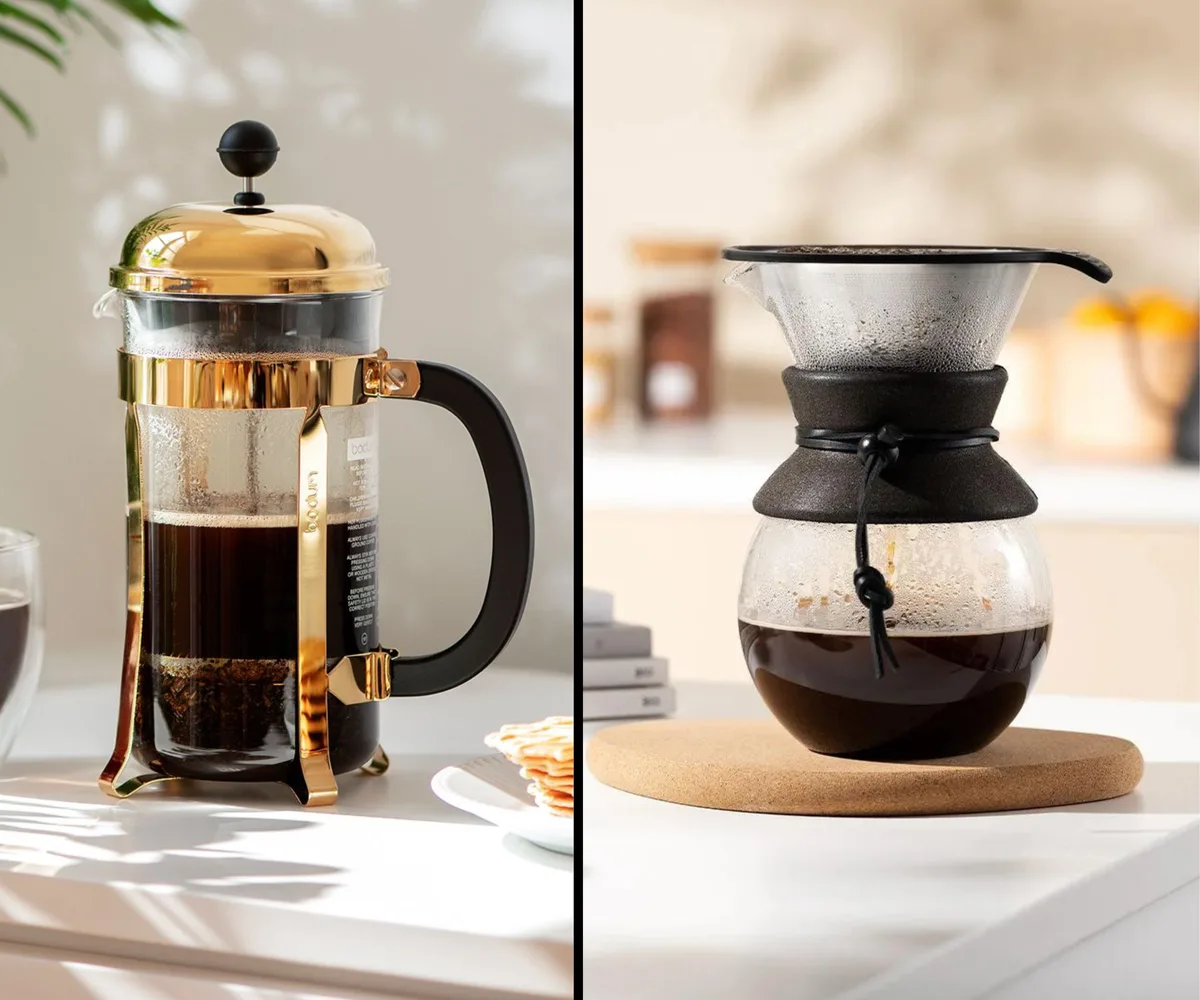
Image source: Bing (Web (fair-use with source credit))
Choosing the right coffee brewing method can seriously upgrade your morning. When you're weighing up the French press vs pour over, you're looking at two distinct paths to a delicious cup, each with its own character and process. Understanding their core differences will help you pick the one that best fits your tastes and your lifestyle.
Our research indicates that while both methods produce excellent coffee, their resulting flavors, required techniques, and even the cleanup process vary significantly. As of 2026, the popularity of both continues to grow, especially among home baristas seeking quality and control over their daily brew. Let's dive into what makes each unique.
Quick Answer
French press delivers a rich, full-bodied coffee with fine sediment. Pour over offers a cleaner, brighter cup highlighting nuanced flavors. French press is simpler to use; pour over requires more technique.
The French Press: Simple, Bold, and Full of Flavor
The French press is often celebrated for its straightforward approach to brewing coffee. It’s a method that relies on immersion, meaning your coffee grounds steep directly in hot water for a set period before being separated by a metal filter. This process allows more of the coffee's natural oils and microscopic solids to pass into your cup, contributing to a signature rich and robust flavor profile that many coffee lovers adore.
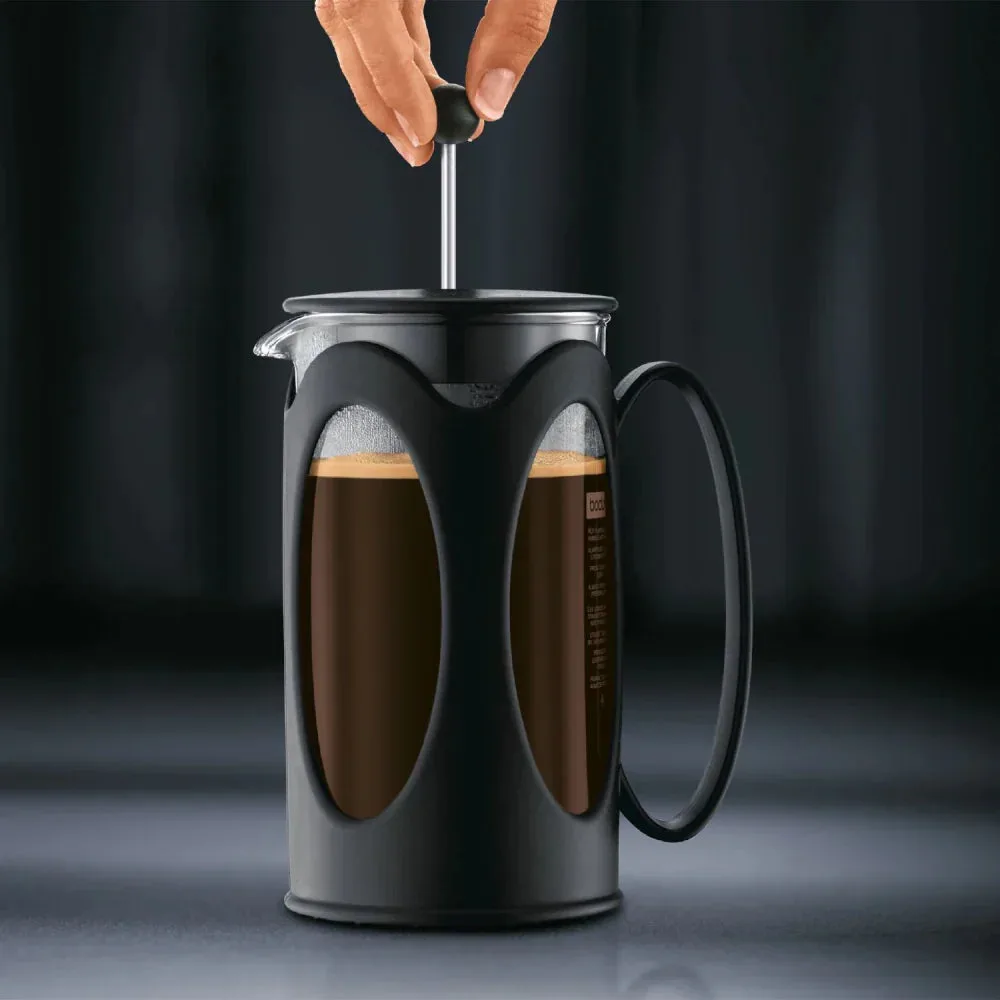
Image source: Bing (Web (fair-use with source credit))
How it Works: Immersion Brewing Basics
At its heart, the French press is an immersion brewer. You add coarsely ground coffee to the bottom of the glass or metal carafe, pour hot water over it, and let it steep. The typical brew time is around four minutes.
After steeping, you slowly press down the plunger, which has a mesh filter attached to its base. This filter pushes the coffee grounds to the bottom, separating them from the brewed coffee above.
This method requires coarse grounds to prevent them from passing through the metal filter, which can result in a gritty cup. Using too fine a grind can also make plunging difficult and may lead to over-extraction, yielding a bitter taste.
What You'll Get: Richness and Body
The defining characteristic of coffee brewed with a French press is its full body and rich texture. Because the metal filter doesn't trap the coffee’s natural oils or the fine sediment, the resulting beverage is often described as having a more intense, almost velvety mouthfeel. This also means you're likely to experience subtle flavor notes that might be lost with paper filters.
Aggregate reviews report a consistently bold taste that's hard to replicate with other methods, making it a favorite for those who appreciate a powerful coffee experience.
The Pour Over: Precision, Clarity, and Nuance
Pour over coffee brewing is an art form for many coffee enthusiasts. It involves manually pouring hot water over coffee grounds held in a filter, typically made of paper, which sits in a cone-shaped dripper. This method emphasizes control over the brewing variables, allowing for a highly customizable and clean cup of coffee.
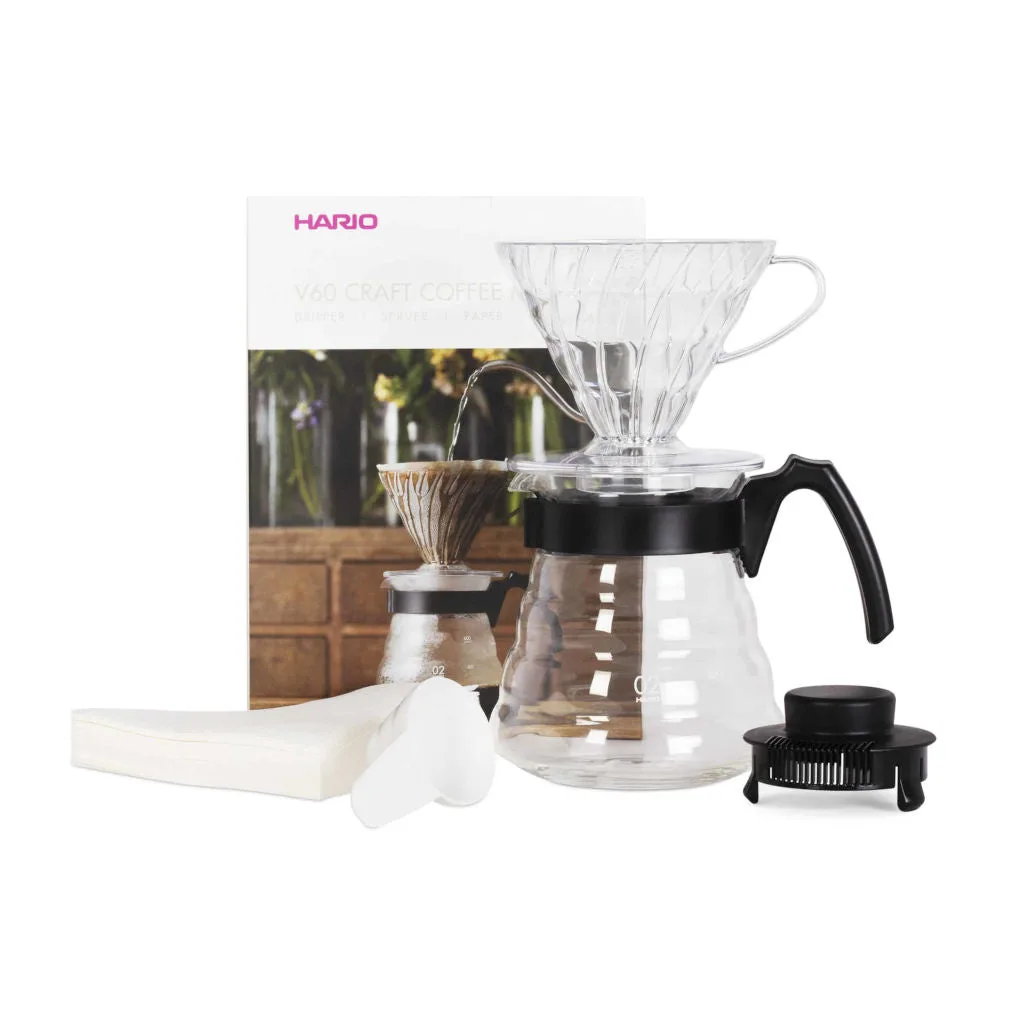
Image source: Bing (Web (fair-use with source credit))
How it Works: Controlled Drip Brewing
The pour over process is all about the drip. You start by placing a paper filter into a pour over dripper, like a Hario V60 or Kalita Wave, and rinsing it with hot water to remove any paper taste and preheat the vessel. Then, you add medium-fine coffee grounds to the filter.
The first pour is usually a small amount of water to "bloom" the grounds, letting them release trapped gases for about 30 seconds. Following the bloom, you slowly and steadily pour the remaining hot water over the grounds in a circular motion, aiming for an even extraction.
The paper filter is crucial here; it absorbs most of the coffee’s oils and traps fine particles, leading to a remarkably clean and transparent brew. A gooseneck kettle is highly recommended for this method, as it provides the precise control needed for a consistent pour.
What You'll Get: Clean Flavors and Brightness
Coffee brewed using the pour over method is known for its clarity and brightness. The paper filter effectively removes most of the coffee’s oils and fines, resulting in a cup that’s free of sediment and has a crisp, clean finish. This method excels at highlighting the subtle, delicate notes of single-origin coffees, such as floral aromas, fruity undertones, or even hints of chocolate.
Manufacturer specifications for various pour over drippers often emphasize their design to promote even water flow, which is key to achieving this flavor transparency and preventing bitterness or sourness. It’s the preferred method for those who enjoy tasting the distinct character of their coffee beans.
French Press vs. Pour Over: Key Differences at a Glance
When you’re deciding between a French press and a pour over, it’s helpful to see their core distinctions laid out clearly. These two methods, while both producing fantastic coffee, cater to different preferences and brewing styles. The biggest divergence lies in how they filter the coffee and the resulting mouthfeel and flavor profile.
| Feature | French Press | Pour Over |
|---|---|---|
| Brewing Style | Immersion (grounds steep in water) | Drip (water filters through grounds) |
| Filter Type | Metal mesh | Paper (typically) |
| Body/Mouthfeel | Full, rich, often oily | Clean, light, bright |
| Flavor Clarity | Bold, robust, can have fine sediment | Nuanced, highlights origin notes, sediment-free |
| Grind Size | Coarse | Medium to Medium-fine |
| Required Gear | French press carafe | Dripper, paper filters, kettle (gooseneck recommended) |
| Ease of Use | Very easy, minimal technique | Moderate learning curve, requires precise pouring |
| Cleanup | Moderately easy, requires disposal of wet grounds | Easy, just toss the paper filter and grounds |
Who is the French Press Best For?
The French press is an excellent choice for those who appreciate a straightforward brewing process and a coffee that packs a flavorful punch. If you’re someone who enjoys a consistently bold and rich cup without needing to master complex techniques, this method is likely for you. It’s particularly suited for mornings when you want a delicious coffee quickly and easily.
Aggregate user reviews often highlight its simplicity, making it ideal for beginners or anyone who prefers less fuss in their coffee routine. Its robust nature means it stands up well to different types of coffee beans, always delivering that satisfying, full-bodied experience. For a coffee that feels hearty and substantial, the French press is hard to beat.
Simplicity Seekers and Bold Flavor Fans
This brewer is perfect for individuals who value ease of use above all else. You don't need a gooseneck kettle or precise pouring skills, just add coffee, add water, wait, and press. The full immersion brewing method ensures that you extract a maximum amount of flavor from your coffee grounds, leading to that signature rich, deep taste.
If you find yourself craving a coffee that’s more about substance and less about subtle whispers of flavor, the French press is your champion. It’s the go-to for a reason when you want a reliably delicious, no-nonsense brew.
Who is the Pour Over Best For?
The pour over method is ideal for the curious coffee drinker who enjoys exploring the subtle complexities of coffee flavors and appreciates a ritualistic approach to brewing. If you’re someone who likes to experiment with different variables like water temperature, pour speed, and grind size to fine-tune your cup, pour over offers the control you're looking for. It’s a method that rewards attention to detail with a remarkably clean and aromatic beverage.
For those who enjoy tasting the distinct origin characteristics of single-origin beans, be it fruity, floral, or even tea-like notes, pour over truly shines. Manufacturer specifications for drippers like the Hario V60 emphasize their ability to promote even extraction, which is key to unlocking these delicate flavor profiles. This method is for the enthusiast who sees coffee brewing as more than just a task, but as an engaging and rewarding experience.
Flavor Explorers and Brewing Ritualists
If you get excited about the nuances of different coffee beans and want to taste exactly what the roaster intended, pour over is your path. The paper filter plays a crucial role in stripping away oils and sediment, presenting a remarkably clear and bright cup. This process also takes a bit more time and concentration, turning coffee preparation into a mindful practice.
For many, the rhythmic pouring and the anticipation of the finished brew become an integral part of their daily routine, offering a moment of calm and focus. It's about engaging with the coffee on a deeper level, appreciating its journey from bean to cup.
Common French Press Pitfalls and How to Avoid Them
Even with its simplicity, there are a few common issues that can crop up when using a French press. The most frequent complaint is the presence of fine sediment in the final cup. This happens when coffee grounds, particularly if too finely ground, slip past the metal filter.
Another challenge can be inconsistent flavor, often due to incorrect water temperature or steeping time.
Sediment Woes and Cleanup Tricks
To minimize sediment, always use a coarse grind; imagine coarse sea salt. This ensures larger particles that the filter can easily trap. If you’re still finding too much grit, consider a second, finer filter, though this isn't standard.
Cleaning the French press can also be a bit messy. After brewing, you'll have wet coffee grounds at the bottom. The easiest way to clean is to scoop out as many grounds as possible into your compost bin or trash, then rinse the carafe and plunger thoroughly with hot water.
A quick scrub with a soft brush and mild soap every so often will keep it in good condition.
Common Pour Over Challenges and How to Master Them
Pour over brewing, while rewarding, does have a learning curve. One of the biggest challenges is achieving a consistent and even extraction, which directly impacts flavor. If the water isn't poured correctly, you can end up with either over-extracted, bitter coffee, or under-extracted, sour coffee.
Temperature control and grind size are also critical factors that can easily go awry.
Achieving Pour Perfection
The key to mastering pour over is practice and attention to detail. Start with a medium-fine grind, it should feel like sand. Always pre-rinse your paper filter with hot water to remove any papery taste and preheat your dripper and mug.
Use a gooseneck kettle for controlled pouring; aim for a steady, circular motion, starting from the center and moving outwards, avoiding pouring directly onto the filter paper. Aim for a total brew time of around 2 to 3.5 minutes, depending on the volume. If your coffee tastes weak or sour, try a finer grind; if it's bitter, try a coarser grind.
Costs / Pricing / Data / Specs
When looking at the cost of entry for each method, the French press generally wins for affordability. A good quality French press carafe can often be purchased for under $30. This one-time purchase means you don't have the ongoing expense of filters.
In contrast, pour over setups can vary widely in price. A basic plastic dripper might cost around $10, but to get the most out of it, you'll likely want a glass or ceramic dripper ($20-$50), a dedicated gooseneck kettle ($30-$100+), and a scale for precise measurements ($20-$50).
Beyond the initial equipment, pour over requires a continuous supply of paper filters, which can add up over time. While French presses offer a lower initial investment and no recurring filter costs, the convenience and control offered by a well-equipped pour over station can be worth the higher upfront and ongoing expenses for enthusiasts.
Expert Tips / Pro Advice
For both methods, using freshly roasted, quality coffee beans is paramount. Grind your beans just before brewing for the best flavor. If using a French press, don't let the coffee sit in the carafe after plunging, as it will continue to extract and can become bitter.
For pour over, experiment with different paper filters; some are designed for faster flow, others for slower, affecting the taste. Using filtered water also makes a significant difference, removing impurities that can interfere with the coffee's natural flavor.
As of 2026, many coffee professionals recommend a brewing temperature between 195°F and 205°F (90°C to 96°C) for both French press and pour over to achieve optimal extraction. A kitchen scale is invaluable for both methods, allowing you to maintain a consistent coffee-to-water ratio (commonly 1:15 to 1:18).
Frequently Asked Questions
How long does it take to brew coffee with a French press?
Brewing with a French press typically takes about 4 to 5 minutes from start to finish, including steeping time. The actual pressing action is very quick.
How long does it take to brew coffee with a pour over?
A pour over brew usually takes between 2.5 to 4 minutes, depending on the volume and your pouring technique. This includes the bloom phase.
Do I need a special kettle for French press?
No, a standard kettle works fine for a French press. A gooseneck kettle is not necessary, though some people find it helpful for control.
Can I use a paper filter with a French press?
While not standard, some people do experiment with adding a paper filter on top of the metal filter to catch more sediment. It’s not the intended use of the equipment.
Is pour over coffee healthier than French press?
Both methods produce healthy coffee. Pour over might be considered slightly healthier by some because the paper filter removes more of the coffee oils, which contain cafestol, a compound that can raise cholesterol levels in some individuals.
Final Verdict: Your Coffee Brewing Decision Guide
Ultimately, the choice between a French press and a pour over comes down to your personal priorities. If you crave simplicity and a consistently rich, bold cup with minimal fuss, the French press is your winner. It's forgiving, requires minimal equipment, and delivers a satisfyingly full-bodied brew every time.
However, if you're an enthusiast eager to explore the subtle nuances of coffee flavor, enjoy a more hands-on brewing ritual, and appreciate a clean, bright cup, then pour over is likely your calling. It offers unparalleled control and rewards careful technique with incredibly clear and aromatic coffee. Think of the French press as your reliable, everyday workhorse, and the pour over as your precision instrument for coffee exploration.