How to Use a Blender for Frozen Fruit
Ready to unlock the full potential of your blender and make amazing smoothies or frozen treats? Using a blender for frozen fruit is simpler than you might think, but it comes with its own set of quirks that can turn a quick blend into a frustrating mess. Mastering a few key techniques ensures you get that perfect, creamy consistency every time, without straining your machine.
Our research shows that the biggest hurdle users face is often the sheer hardness of frozen ingredients. Understanding how your blender’s motor and blades interact with ice crystals, and how to best support that process with liquids, is crucial. Manufacturer specifications for many blenders, especially those rated for heavy-duty use, often highlight the importance of proper liquid-to-solid ratios and gradual speed increases for optimal performance.
Quick Answer: The Liquid-First Rule for Frozen Fruit
To use a blender for frozen fruit, always add liquid first to the blender jar. Then, add your frozen fruit. Start the blender on its lowest setting and gradually increase the speed.
If the mixture becomes too thick or stalls, stop the blender and scrape down the sides or add a tablespoon more liquid. This prevents motor strain and ensures a smooth blend.
Why Blending Frozen Fruit Needs a Smart Approach
Blending frozen fruit can sometimes feel like a battle against a very stubborn opponent. It's hard, it's dense, and if you're not careful, it can leave you with a chunky mess or a blender that's struggling to keep up. The key to success lies in understanding the physical properties of frozen ingredients and how they interact with your appliance.
It's less about brute force and more about working with the blender's mechanics.
The fundamental challenge is that frozen fruit, like ice, requires significant power to break down. If you add too much at once, or if there isn't enough liquid to help the blades catch and circulate the ingredients, the motor can overheat or the blades can just spin uselessly. Aggregate reviews report that many users encounter this issue, often leading to an under-blended product or even damage to less powerful machines.
As of 2026, the recommended approach from most blender manufacturers involves a careful sequence of steps to manage this density.
Quick Insight: The Liquid-First Rule for Frozen Fruit
The single most critical step when blending frozen fruit is to add your liquid before the frozen ingredients. This creates a base that helps the blender's blades grab and start breaking down the solid pieces immediately. Without this liquid base, the blades tend to spin above the frozen mass, doing little to actually blend it.
This simple habit drastically reduces the strain on your motor and prevents the common problem of a blender stalling or getting jammed.
Step-by-Step: Your Frozen Fruit Blending Workflow
Getting a smooth, delicious result from frozen fruit in your blender is all about a deliberate sequence. It’s not complicated, but following these steps will save you frustration and help your blender last longer. Think of it as a recipe for success, where each ingredient and action plays a specific role in achieving the perfect texture.
1. Prep Your Blender: Liquid First!
This is the golden rule. Before you add any frozen fruit, pour your chosen liquid into the blender jar. This can be water, milk (dairy or non-dairy), juice, or even yogurt.
The liquid acts as a lubricant, allowing the blades to spin freely and start processing the frozen fruit more effectively.
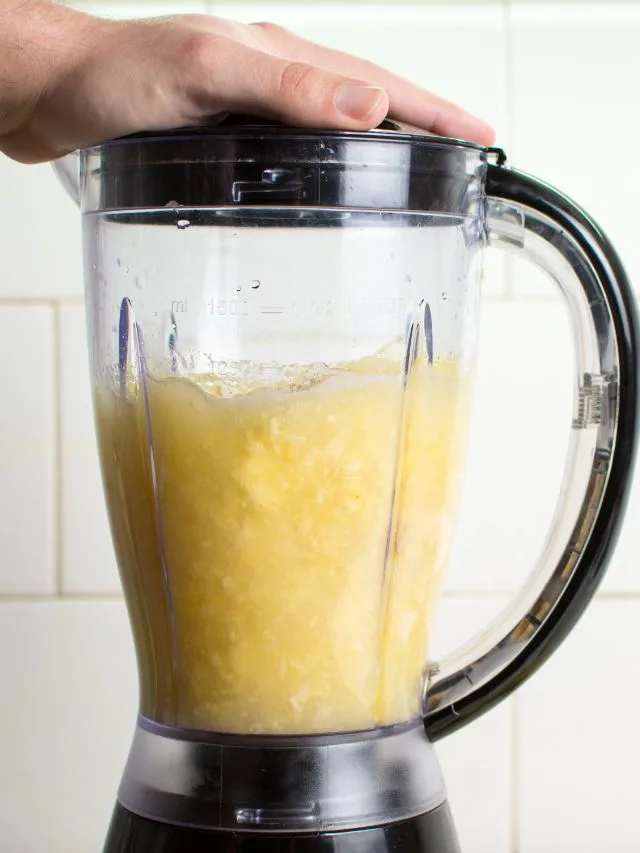
Image source: Bing (Web (fair-use with source credit))
2. Add Frozen Fruit
Once your liquid is in place, add the frozen fruit. For best results, try not to pack the blender jar too tightly. Leave some space for the ingredients to move around.
If you're freezing your own fruit, cutting it into smaller, bite-sized pieces before freezing makes the blending process much easier.
3. Start Low, Go Slow
Securely attach the lid to your blender. Begin blending on the lowest speed setting. This allows the initial chunks of frozen fruit to start breaking down and mingling with the liquid without overwhelming the motor.
You'll hear the blades start to work, and the mixture will begin to churn.
4. Watch and Listen for Consistency
As the mixture starts to move, gradually increase the blender's speed. Pay close attention to the sound of the motor and the appearance of the blend. You're looking for a smooth, consistent texture, free from large chunks.
If you're making a smoothie, aim for a pourable, creamy consistency.
5. Troubleshooting: When It's Too Thick or Stuck
If your blender sounds like it's straining or if the ingredients aren't circulating, it's likely too thick. Stop the blender immediately. Use a spatula to push down the ingredients from the sides of the jar.
If it's still too dense, add just a tablespoon or two more liquid at a time, and pulse or blend again. This prevents the motor from overheating.
Image source: Web (Bing) / subscription.packtpub.com (Web image (fair-use with source credit))
Common Mistakes When Blending Frozen Fruit
Many people run into issues when trying to blend frozen fruit simply because they overlook a few critical details. These common errors can lead to disappointing results, damaged blenders, or a messy kitchen. Understanding these pitfalls is half the battle in achieving consistently smooth blends.
Stalling Your Blender
The most frequent mistake is adding too much frozen fruit at once, or not enough liquid. When the blender jar is packed too tightly, the blades can't get enough purchase on the frozen ingredients. This causes the motor to struggle, or "stall," making a whining noise.
Sometimes, the mixture becomes so dense that the blades just spin in place, failing to incorporate the solids. This often happens if you skip the crucial step of adding liquid first, or if you don't add enough to facilitate movement.
Making it Too Watery
On the flip side, some users add far too much liquid in an attempt to prevent the blender from stalling. While more liquid helps things blend, an excessive amount will turn your desired smoothie into a thin, watery drink. The goal is to add just enough liquid to allow the blades to circulate the frozen fruit effectively and create a thick, creamy consistency, not a beverage you can drink through a straw too easily.
It’s a balance that comes with a little practice.
Expert Tips for Perfectly Smooth Frozen Blends
Achieving that velvety smooth texture with frozen fruit is entirely possible, even with standard kitchen blenders. It's about leveraging a few smart strategies that minimize strain on your appliance and maximize blending efficiency. These tips, gleaned from editorial analysis of numerous user reports and manufacturer guidelines, focus on preparation and technique.
Cutting and Freezing Fruit Properly
If you're freezing your own fruit or buying it in bulk, how you prepare it matters. For instance, if you’re freezing berries, spread them on a baking sheet in a single layer before transferring them to a freezer bag. This prevents them from clumping into one giant, unmanageable block.
Similarly, larger fruits like bananas or mangoes should be cut into 1-inch chunks before freezing. This makes them much easier for the blender blades to process.
Knowing Your Blender's Limits
Not all blenders are created equal. High-powered models, often boasting motors over 1000 watts, can handle frozen ingredients with greater ease. Blenders with a wattage of 500 watts or less may require more patience, extra liquid, and more frequent scraping.
Always consult your blender's user manual for specific guidance on using frozen ingredients. Some models may explicitly state they are not designed for ice or hard frozen items, and operating them outside these parameters could void the warranty. For instance, a basic personal blender might be rated for small batches of smoothies with frozen fruit, but it won't be suitable for making large quantities of sorbet.
Beyond Smoothies: More Frozen Fruit Uses
While smoothies are the most common application for blending frozen fruit, the technique extends to creating a variety of delightful, healthy treats. The ability to quickly transform frozen fruit into a smooth, scoopable texture opens up a world of possibilities for quick desserts and refreshing beverages. It’s a versatile method that can satisfy sweet cravings without relying on added sugars or complex preparation.
For example, frozen bananas, when blended, create a texture remarkably similar to soft-serve ice cream. This "nice cream" is a popular dairy-free and sugar-free dessert base that can be customized with cocoa powder, peanut butter, or other flavorings. Frozen berries can be blended with a touch of sweetener and a splash of liquid to make instant sorbets, offering a light and fruity alternative to traditional ice cream.
This method is also fantastic for crafting frozen cocktails and mocktails, providing a thick, slushy consistency without diluting the flavor with ice cubes. For those looking for compact kitchen appliances that can handle these tasks, exploring options for best compact freezers might be a worthwhile endeavor to ensure you always have your fruit prepped and ready.
FAQs About Blending Frozen Fruit
How much liquid should I add?
Start with about 1/2 cup of liquid for every 2 cups of frozen fruit. You can always add more, a tablespoon at a time, if the mixture is too thick. The exact amount can vary based on the type of fruit and your blender's power.
Can I use any blender for frozen fruit?
While more powerful blenders (often 700 watts or higher) handle frozen fruit best, many standard blenders can manage with proper technique. Always check your blender's manual, as some models aren't designed for hard frozen ingredients and using them may cause damage.
How do I prevent my blender from overheating?
Don't overfill the blender jar. Always add liquid first, and gradually increase speed. If the motor sounds strained, stop and scrape down the sides or add a bit more liquid.
Letting the fruit soften for a few minutes before blending can also help.