How to Choose a Rice Cooker
Deciding how to choose a rice cooker usually comes down to one question: what kind of rice do you want to eat? It's not just about price, brand, or even capacity. A $30 cooker does the job, but a $300 model does it differently, and the difference shows up in texture.
Your decision starts with your habits.
There's real data to consider here. As of 2026, cooking times range from about 20 minutes on a basic model to over an hour for brown rice on a premium induction cooker. That gap shapes how often you'll actually use the machine.
So let's walk through the options and match the cooker to the way you really cook.
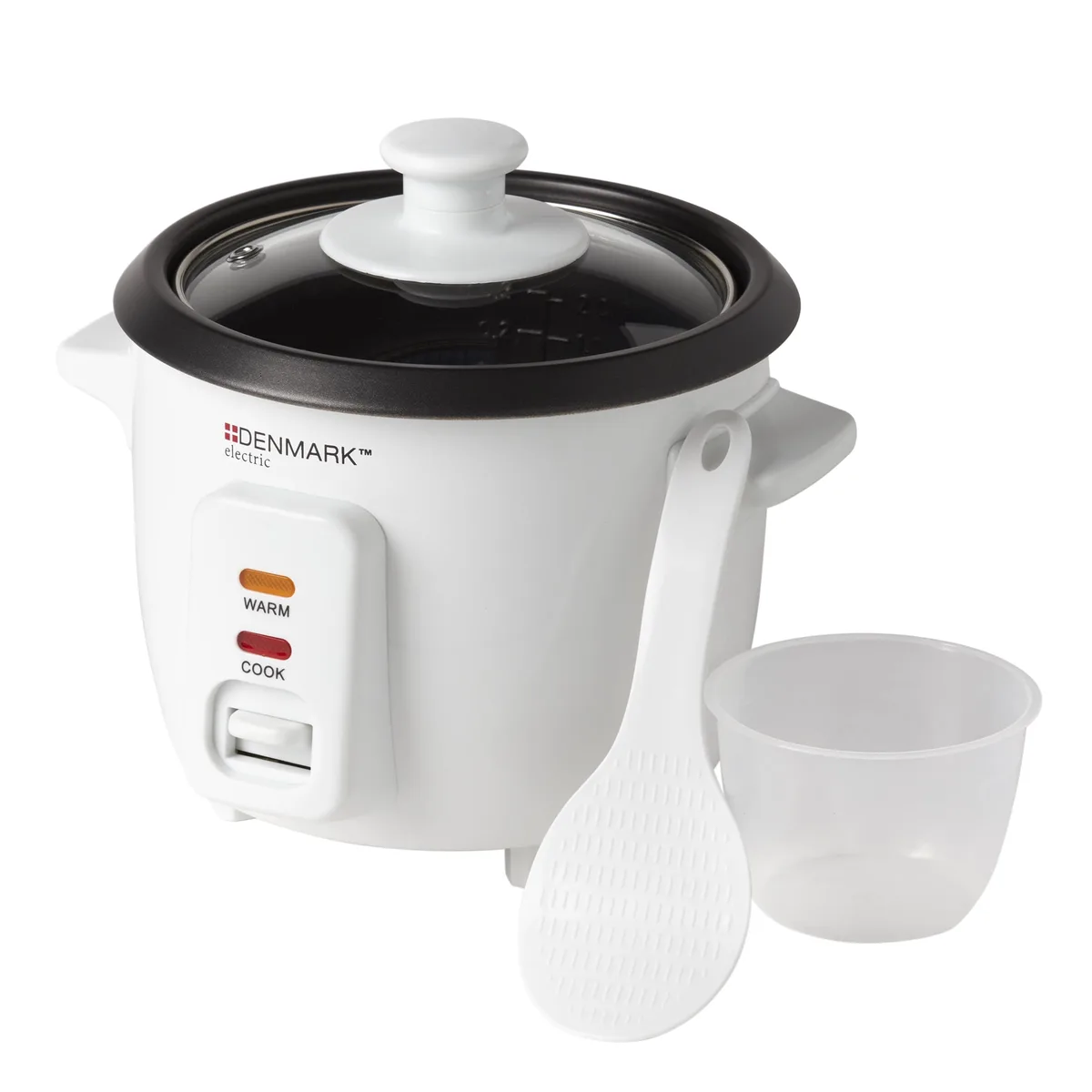
Image source: Bing (Web (fair-use with source credit))
Quick Answer
To choose a rice cooker, match the technology to your habits. Occasional rice eaters need a simple, cheap model. Daily rice eaters should pay for consistent texture.
Match capacity to your household and check keep-warm quality.
Why Choosing a Rice Cooker Is About Your Habits, Not the Price Tag
The biggest mistake shoppers make is looking at specs before looking at themselves. They see a high-end induction rice cooker and assume it's the best. But an expensive machine that doesn't match your routine just gathers dust.
Start with your own kitchen patterns instead.
Think about how often you eat rice. Daily rice eaters benefit from a cooker with fuzzy logic controls and a strong keep-warm. Occasional cooks are fine with a basic model.
If you're also thinking about precision in your cooking, a guide on picking a weighing tool for your countertop can help you sort out what to look for there.
Now, be honest about texture preferences. Do you like fluffy, separate grains? Then a micom or induction model is worth the money.
Are you fine with slightly stickier rice? A conventional cooker will do. That answer is the single biggest factor in your rice cooker budget.
Your counter space also matters. Some cookers are compact, and others are huge. That feels trivial until you realize you've lost a whole corner of your kitchen.
Grab a measuring tape and check the footprint before you fall in love with any model.
The 4 Types of Rice Cookers That Actually Matter
When you start searching, you'll find dozens of names. But all rice cookers fall into four main categories. Once you understand these, everything else is just features.
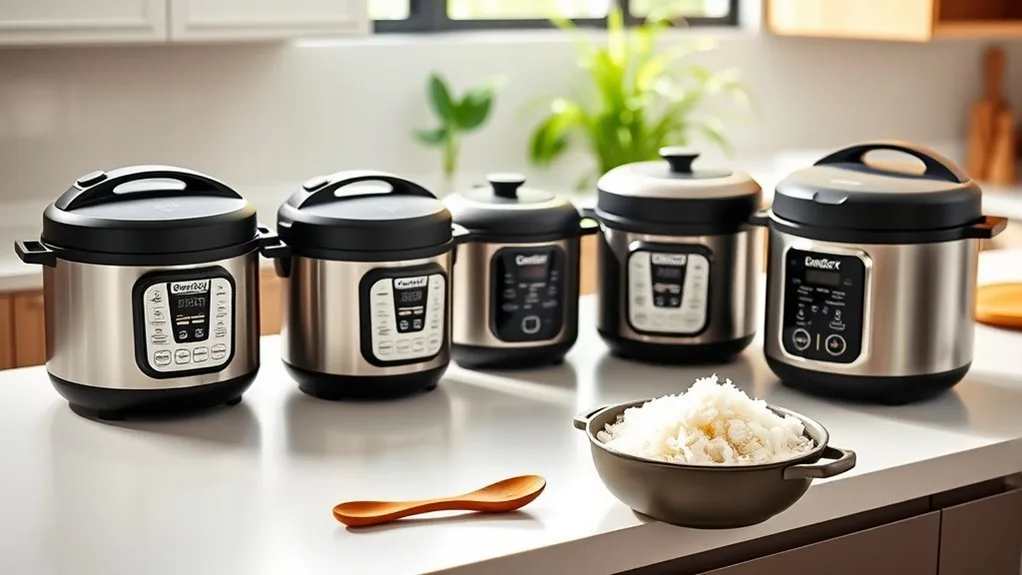
Image source: Bing (Web (fair-use with source credit))
Conventional Rice Cookers
These are the simplest and the cheapest. A conventional rice cooker uses a basic heating plate that switches to warm when temperatures rise. They cook decent white rice, but they don't adjust heat intelligently.
Expect around 300 to 600 watts and a simple mechanical switch. Best for students or anyone who eats rice a couple times a month.
Micom (Fuzzy Logic) Rice Cookers
Micom means microcomputer, and fuzzy logic refers to the software that manages temperature and timing. Instead of a simple on/off switch, the machine senses moisture levels and makes tiny adjustments. The result is more consistent rice, especially with brown or mixed grains.
Expect multiple menus like porridge, sushi rice, or GABA brown rice. Prices start around $80 and climb fast.
Induction Heating (IH) Rice Cookers
An induction heating cooker uses an electromagnetic coil to heat the entire inner pot evenly. That's a major upgrade over a bottom-only heating plate. Even heat means every grain cooks the same, giving you that restaurant-style fluff.
Premium brands like Zojirushi and Cuckoo lead this category. Most models run over $200.
Pressure Rice Cookers
Pressure cookers combine high heat with a sealed lid to raise the boiling point above 212°F. That cooks rice faster and gives grains a firmer, chewier bite. Some are dedicated rice cookers, while others double as multi-cookers.
If you love sticky rice or a distinct bite, this is a strong option.
Conventional vs Micom vs Induction vs Pressure: Side-by-Side Comparison
Seeing the four types side by side makes the differences clearer. Here's a quick table that sums up the key trade-offs.
| Type | Technology | Price Range | Best For |
|---|---|---|---|
| Conventional | Basic heating plate | $20-$50 | Occasional white rice, budget kitchens |
| Micom / Fuzzy Logic | Microcomputer, moisture sensing | $80-$200 | Daily rice eaters, brown rice, varied menus |
| Induction Heating (IH) | Electromagnetic coil, even heat | $200-$400 | Texture-focused cooks who want fluffy rice |
| Pressure | Sealed high-temperature cooking | $150-$300 | Firm, chewy texture; faster cooking |
The table leaves out one thing: time. Conventional and micom cookers typically run 40 to 60 minutes for a full cycle. Pressure cookers can finish in about 25 minutes.
But faster isn't always better. The extra time in a micom allows grains to absorb water gradually.
Here's how to read this in practice. If you only cook white rice, a conventional model is plenty. If you eat rice daily and like trying different grains, a micom earns its keep.
If you'll pay for perfection, IH is the top tier. Pressure is for speed lovers who want that distinctive chew.
The middle ground is the micom. Aggregate reviews consistently show that fuzzy logic models offer the best balance of price and performance. They're the sweet spot most households settle on after a cheap first cooker disappoints them.
Key Rice Cooker Features to Compare: Capacity, Inner Pot, Keep-Warm, and Menus
Once you've picked a type, compare the details that affect daily use. These four features make or break the experience.
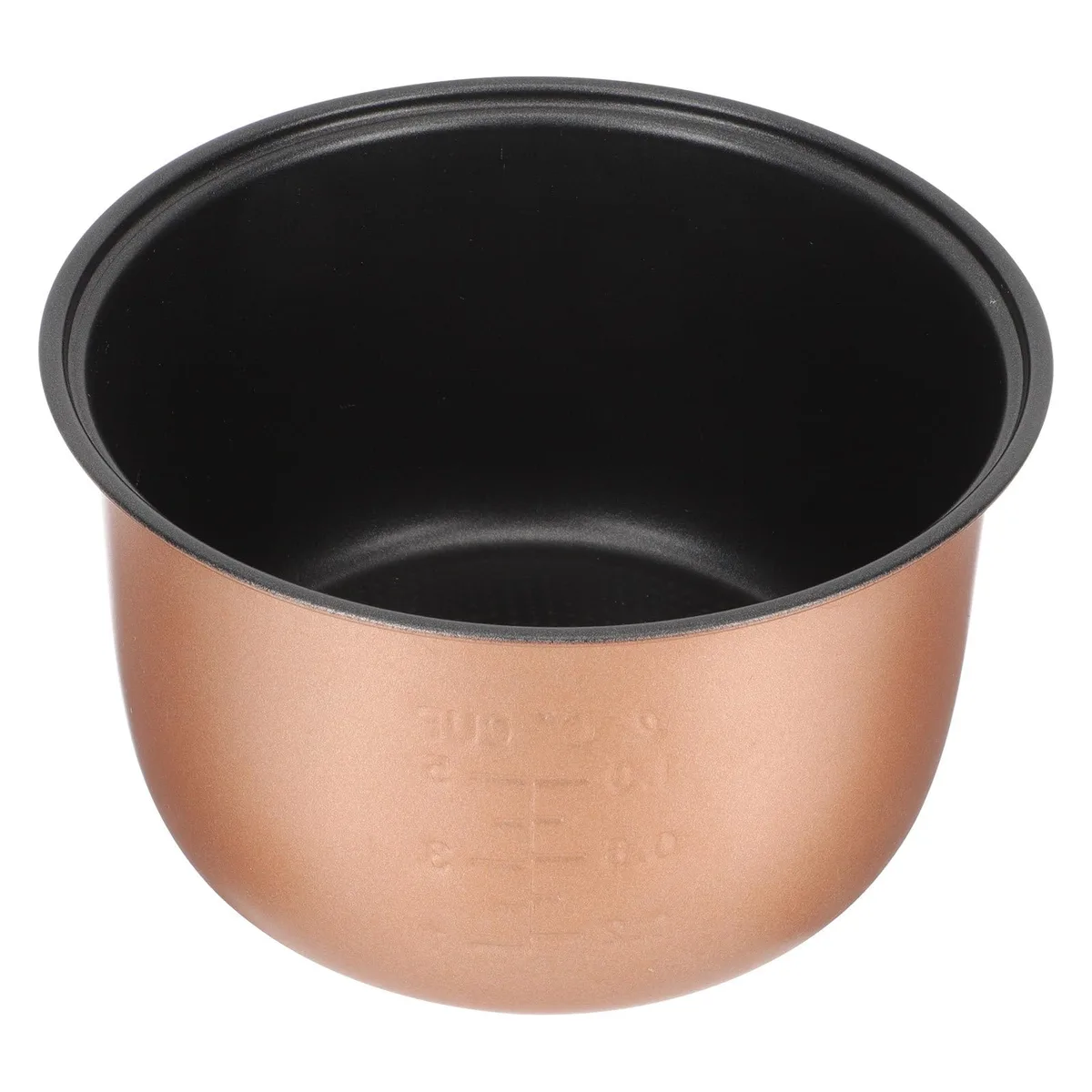
Image source: Bing (Web (fair-use with source credit))
Capacity
Capacities are measured in uncooked cups. A 3-cup cooker suits one or two people. A 5.5-cup model fits a family of three or four.
An 8 to 10 cup machine is for bigger households or serious meal preppers. Remember, one uncooked cup yields about two to three cooked cups. Don't overshoot, because a big cooker takes up serious space.
Inner Pot Material
The inner pot does the heavy lifting. Aluminum heats fast but dents easily and often has a nonstick coating that wears out. Stainless steel is durable but can cook unevenly without induction heating.
Thicker pots hold heat better, and per official product documentation from leading manufacturers, thick walls are the biggest factor in even cooking. If a coating starts peeling, replace the pot before it contaminates your rice.
Keep-Warm Mode
This sounds minor until you've dealt with dried-out rice. A good keep-warm holds moisture for 12 to 24 hours. Cheap cookers often run too hot and turn rice into cardboard.
Look for a sealed lid and a lower warming temperature to keep grains tender.
Menu Settings
Menus matter more than they seem. A brown rice setting adjusts soaking time for the tougher outer layer. A GABA setting helps with nutrient retention.
If you like congee or steamed vegetables, check for dedicated modes. Prioritize the settings you'll actually use, not the ones that impress you.
A quick tip from our research: weighing your rice instead of relying on the measuring cup gives a more reliable water-to-rice ratio. Getting consistent measurements is easier with a scale in your routine. And when you're done, keeping your tools clean prolongs their life.
The same care applies to your other countertop appliances.
Which Rice Cooker Is Best for You? Matching the Type to Your Kitchen
Now it's time to match a cooker to your life. Forget the marketing and answer three simple questions.
How often do you cook rice?
If you cook once a week, a conventional cooker is all you need. It's cheap to replace. If you cook daily, invest in a micom or IH cooker.
The texture improvement and keep-warm function pay off every single day.
What type of rice do you mostly eat?
White rice is forgiving, so any cooker works. Brown rice, wild rice, and mixed grains need the temperature control of a micom or IH machine. Pressure cookers handle brown rice well too, and they do it faster.
If you make sushi rice often, look for a dedicated sushi setting.
How much space and money do you have?
Large induction cookers can be wider than a microwave and cost over $300. If you're in a dorm or small apartment, a compact 3-cup conventional model is the right call. If you have the counter space and the budget, an IH model earns its spot.
Still torn? Here's a simple rule of thumb. First-time buyers should go with a micom cooker from a reliable brand.
Aggregate reviews show they handle the widest range of rice types without extra effort. That makes them the safest bet for most people.
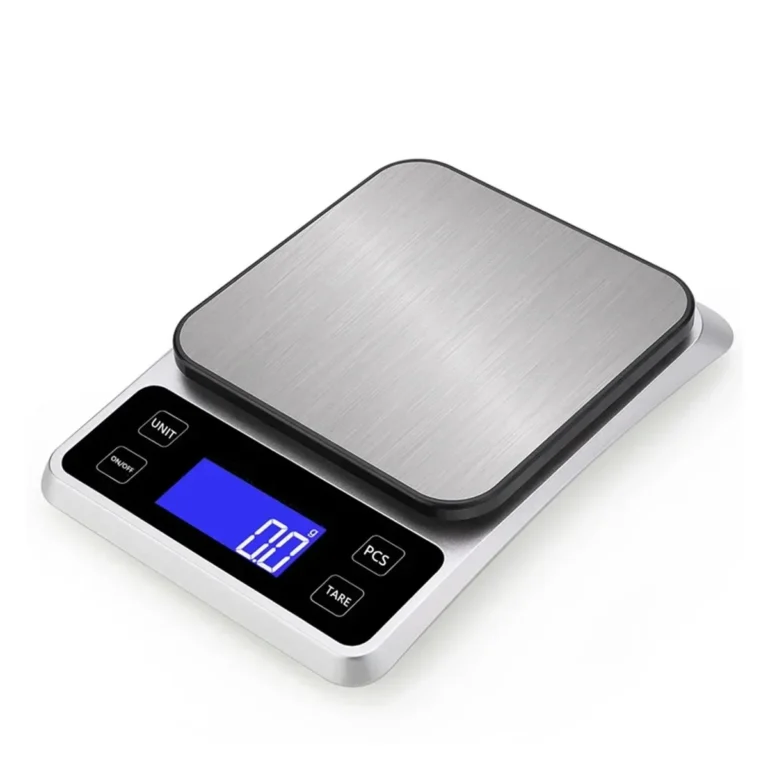
For extra precision, use a scale to measure both rice and water. Small weight differences create big texture differences. The tare function on a kitchen scale makes this quick, and a reliable kitchen scale is a great companion to any rice cooker.
Rice Cooker Buying Mistakes to Avoid
Buying a rice cooker seems straightforward. But certain mistakes come up again and again in buyer feedback.
Skipping the capacity check. A 10-cup cooker sounds generous until you realize it takes up half your counter and cooks more rice than you'll eat. Match the cooker to your household size. One to two people need a 3-cup model.
A family of four does fine with a 5.5-cup cooker.
Ignoring the inner pot. The pot is where rice touches, sticks, and sometimes burns. Cheap nonstick coatings wear out fast. Verified buyer feedback reports consistently flag peeling coatings as the number one complaint after six months.
Regular care for your tools prevents this, and the same goes for your rice cooker.
Chasing features you won't use. Twenty menu settings sound impressive, but most people use three. Skip the fancy modes unless you genuinely plan to cook congee, sushi rice, and brown rice on a rotating basis.
Forgetting about keep-warm quality. This one separates happy owners from frustrated ones. Aggregate reviews show that a bad keep-warm function dries out rice within two hours. Test this by reading reviews that mention leaving rice in the cooker overnight.
Overlooking the warranty. A rice cooker is a daily-use appliance. Per Underwriters Laboratories safety testing standards, quality units should last years. Check the warranty length and whether replacement inner pots are available from the manufacturer.
Frequently Asked Questions About Rice Cookers
What type of rice cooker is best for daily use?
A micom or fuzzy logic rice cooker is the best daily-use option for most households. Manufacturer specifications indicate these models adjust temperature and timing automatically. That means consistent texture across batches without babysitting.
An induction heating model is better if texture is your top priority and budget allows.
How much should I spend on a rice cooker?
For occasional white rice, a conventional cooker between $20 and $50 works fine. Daily rice eaters should budget $80 to $200 for a quality micom model. Premium induction or pressure cookers run $200 to $400 and are worth it for texture-obsessed cooks or large families.
Can a rice cooker replace an Instant Pot?
A dedicated rice cooker handles rice better than a multi-cooker. It keeps rice warm longer and offers more rice-specific settings. However, an Instant Pot is more versatile overall.
If counter space is tight, the Instant Pot covers more ground. If rice is your staple, the dedicated cooker wins on texture.
How long does a rice cooker last?
Quality rice cookers from major brands last five to ten years with regular use. The heating element rarely fails. Most replacements happen because the nonstick inner pot wears out.
Fortunately, replacement pots are available from Zojirushi, Tiger, and Cuckoo. Always check availability before you buy.
What is the difference between micom and induction heating?
Micom uses a microcomputer to sense moisture and adjust heat through a standard heating plate. Induction heating uses an electromagnetic coil to heat the entire pot evenly. Per official product documentation from leading manufacturers, induction heating produces more consistent grain texture.
The trade-off is a higher price.
Do I really need to rinse my rice first?
Yes, even with a rice cooker. Rinsing removes excess surface starch that causes gumminess. Food science guidelines from the USDA's extension network recommend rinsing until the water runs mostly clear.
It takes two minutes and improves texture noticeably. This step matters most for white and sushi rice.
The Bottom Line: Your Quick Rice Cooker Decision Guide
You don't need to overthink this. The right rice cooker is the one that matches how you actually cook.
If you eat rice occasionally, grab a simple conventional cooker. It costs under $50 and does the job without fuss. If you cook rice daily or want better brown rice results, step up to a micom model.
It offers the best balance of price and performance.
Here's your quick decision path:
- Occasional rice, tight budget → Conventional cooker, $20-$50
- Daily rice, varied grains, moderate budget → Micom/fuzzy logic, $80-$200
- Texture perfectionist, daily use, larger budget → Induction heating, $200-$400
- Fast cooking, chewy texture preference → Pressure cooker, $150-$300
- Small kitchen or dorm → Compact 3-cup conventional, $20-$40
Whatever you choose, match the capacity to your household and check that the inner pot is durable. Those two factors affect your experience more than any feature list. For extra precision in your kitchen, pairing your rice cooker with a reliable digital kitchen scale takes the guesswork out of water-to-rice ratios every time.
Getting the right rice cooker isn't about finding the most expensive option. It's about finding the one that fits your life.