How to Hone a Kitchen Knife
When your favorite kitchen knife starts to feel less like a precision tool and more like a dull butter knife, it's frustrating. You're trying to slice through tomatoes or chop herbs, and instead, you're mashing them. This usually isn't a sign that the knife is ruined, but that its edge needs a simple tune-up.
Mastering how to hone a kitchen knife is a fundamental skill that keeps your blades performing at their best.
Manufacturer specifications for many high-quality chef's knives indicate an edge angle between 15-20 degrees per side, which is what honing aims to preserve. Regular honing prevents the microscopic wave that forms at the very edge of the blade from becoming a significant problem, making your knife feel sharper and cut more cleanly. Let's get your knives back in top shape.
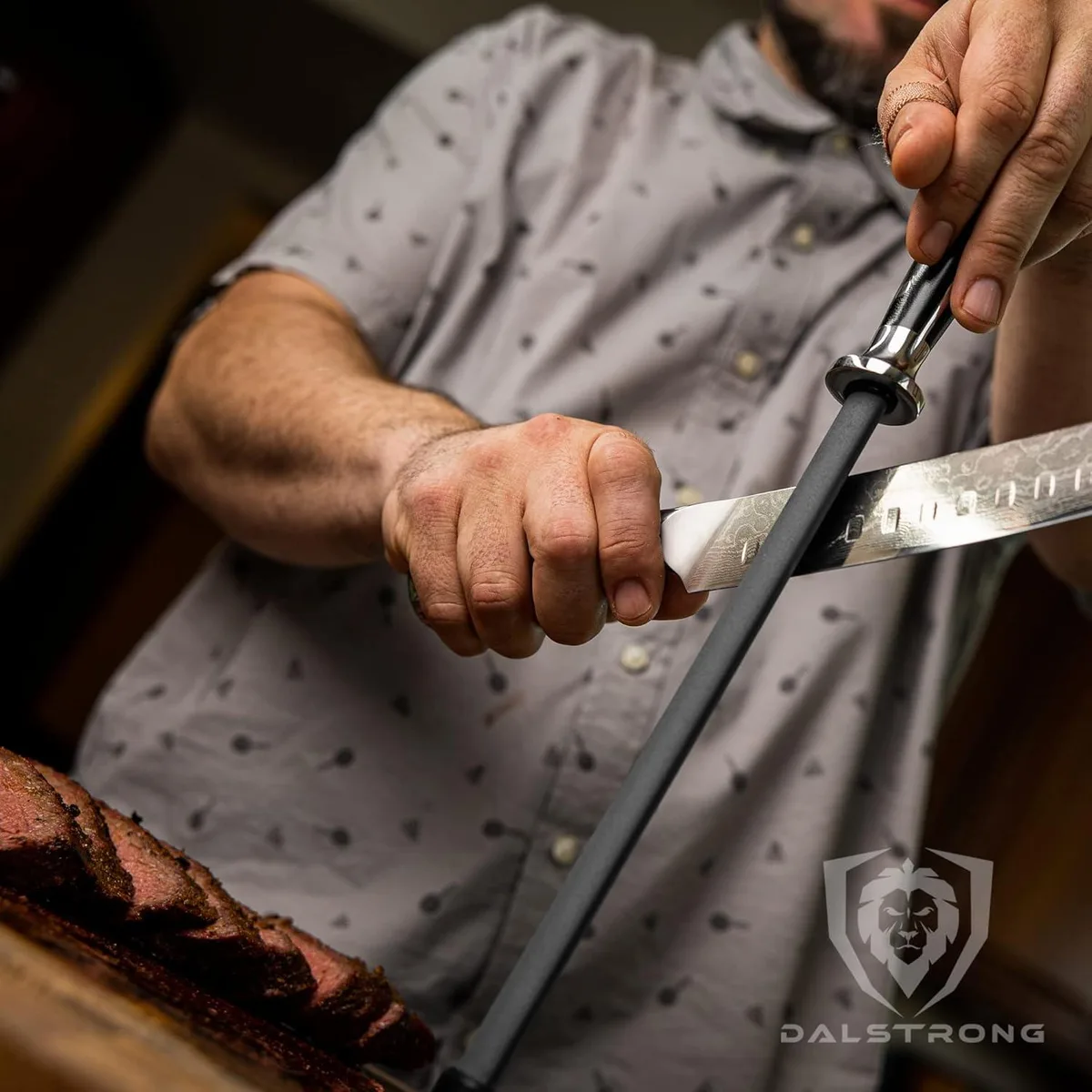
Image source: Bing (Web (fair-use with source credit))
Quick Answer
To hone a kitchen knife, you realign the microscopic bends in its blade edge using a honing steel. Hold the steel steady, maintain a consistent 15-20 degree angle between the blade and steel, and draw the blade down the steel in a smooth stroke, alternating sides. Repeat 5-10 times per side.
This process restores sharpness without removing metal, unlike sharpening.
Why Honing is Your Knife's Best Friend
Honing isn't just about making your knife feel sharper; it's about proactive knife care. Over time, the extremely fine edge of a knife, especially one used for everyday tasks like slicing fruits, vegetables, or proteins, develops tiny imperfections. These aren't chips you can see with the naked eye, but rather microscopic deformations in the metal at the very apex of the blade.
Think of it like a tiny wave or bend in a piece of fine wire.
When these bends occur, they disrupt the smooth cutting action, making the knife feel dull. Honing uses a honing steel or ceramic rod to gently straighten these micro-bends back into alignment. It’s a maintenance task, not a repair.
Properly honing keeps the edge aligned and ready for action, significantly reducing the frequency with which you'll need to perform a full sharpening, which actually removes metal and shortens the knife's lifespan. Our research indicates that regular honing can extend the effective sharpness of a knife by up to 80% between full sharpenings.
What Exactly is Honing?
At its core, honing is a process of realigning the blade's edge. It’s critical to understand that honing does not sharpen a knife in the traditional sense, which involves removing material to create a new edge. Instead, when you hone a knife, you're essentially persuading those tiny, bent-over filaments of metal at the very apex of the blade to stand up straight again.
Imagine a row of very fine hairs that have been bent over; honing is like gently combing them back into a straight line.
Aligning the Blade Edge
The key concept here is "edge alignment." The edge of a knife is incredibly thin, often only a few atoms thick at its very finest point. Even with careful use, the forces encountered during slicing or chopping cause this thin edge to fold over, burr, or become slightly deformed. A honing steel, typically made of hardened steel or ceramic, has a surface that is just abrasive enough to gently push these deformations back into alignment without grinding away significant amounts of metal.
This restoration of the straight, true edge is what makes the knife feel sharp again.
What You Need for Honing
To effectively hone your kitchen knives, you'll primarily need a honing steel or honing rod. These tools are designed specifically for realigning knife edges. While there are various types, the most common and effective for home use are made from steel or ceramic.
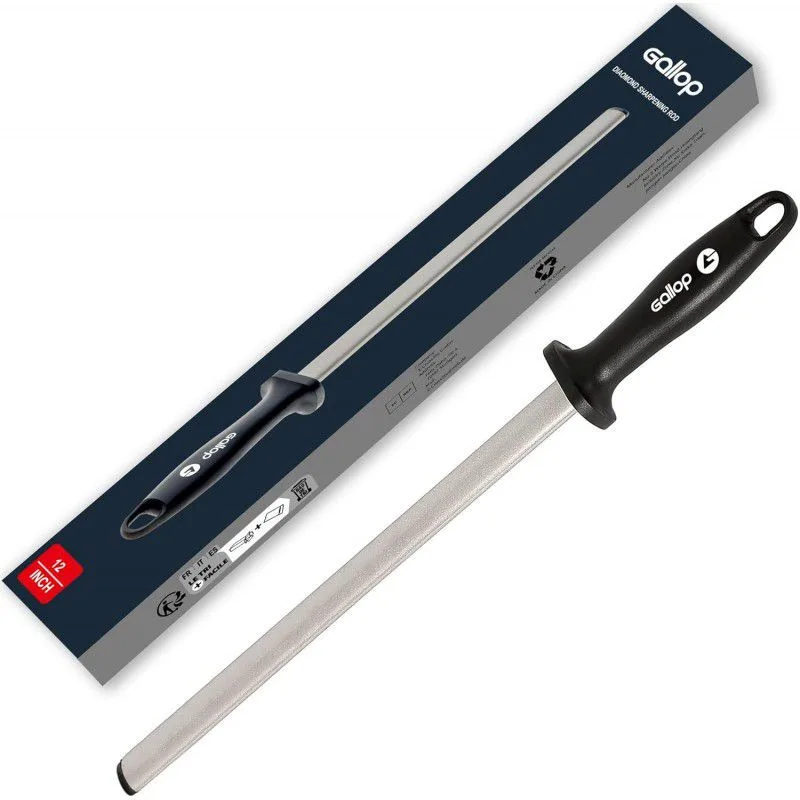
Image source: Bing (Web (fair-use with source credit))
Choosing Your Honing Steel
When selecting a honing steel, consider these material types:
- Steel Honing Rods: These are the classic choice. They are typically made from hardened steel and can be smooth or have fine grooves. Steel rods are excellent for regular maintenance, gently straightening the edge without removing much material. Manufacturer specifications often cite them as the go-to for daily upkeep.
- Ceramic Honing Rods: Ceramic rods are harder than steel and can also hone, but they can be slightly more aggressive if too much pressure is applied. They are a good option if your knife edge is slightly more damaged than just bent. Aggregate reviews from professional kitchens often praise their effectiveness on harder steel blades.
- Diamond Honing Rods: These rods are coated with diamond particles and are technically a form of sharpening rather than just honing, as they do remove metal. While very effective, they should be used less frequently than steel or ceramic rods to avoid wearing down your knife's edge prematurely.
For most home cooks, a good quality steel or ceramic honing rod is all you need. The length of the rod should be at least as long as the blade of your longest knife to allow for a full, smooth stroke.
How to Hone a Kitchen Knife: The Step-by-Step Guide
Mastering how to hone a kitchen knife is a straightforward process that will dramatically improve your cutting experience. The entire goal is to maintain that super-fine edge by realigning it. It takes just a few minutes and can be done before each use.
Finding the Right Angle
This is the most critical part of honing. You need to match the angle of the knife's existing bevel. For most Western-style kitchen knives, this angle is between 15 to 20 degrees per side.
For Japanese knives, it might be closer to 10-15 degrees. Consistency is more important than hitting an exact number, but getting it roughly right makes all the difference.
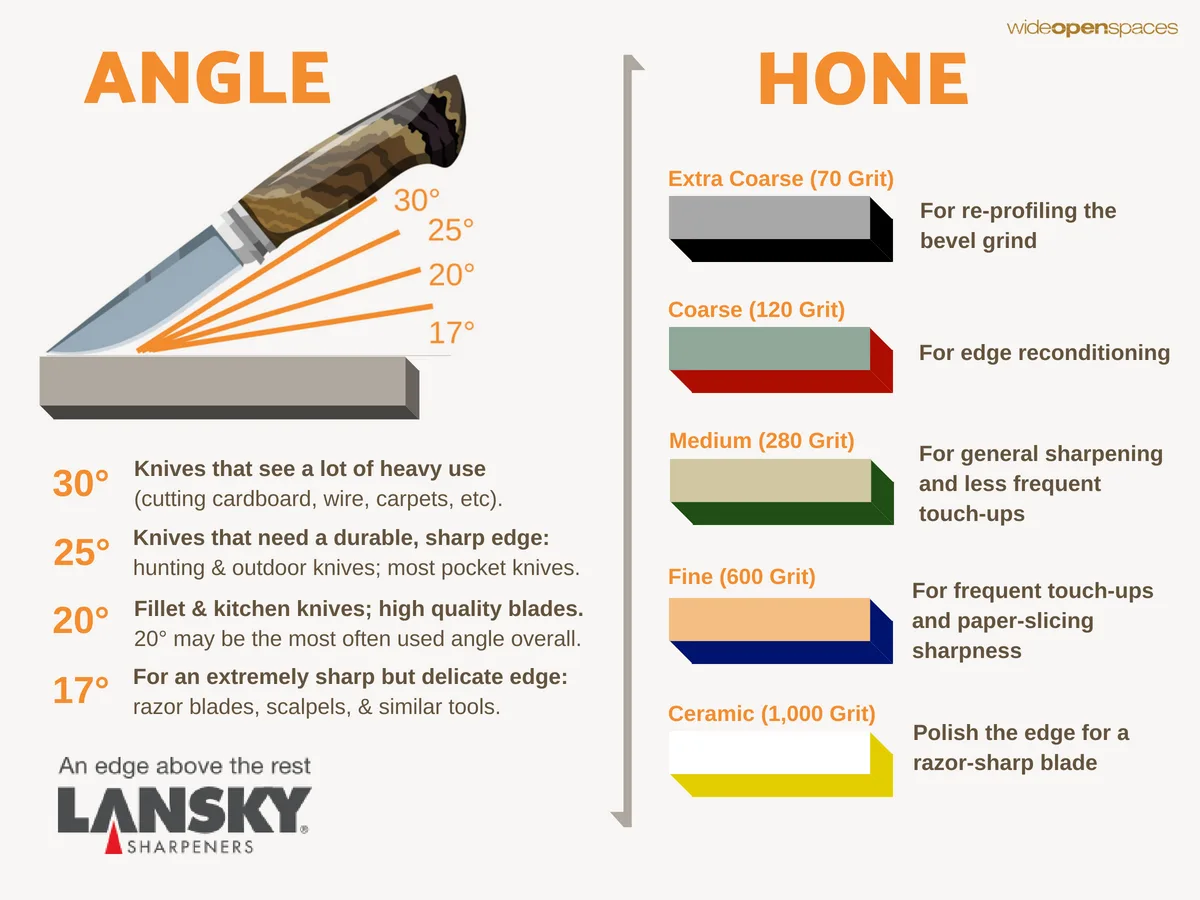
Image source: Bing (Web (fair-use with source credit))
A common visual cue is to hold the knife against the steel and then lift the spine of the blade up just a bit. Imagine you’re making a narrow triangle between the blade and the steel. A simple trick is to place the knife flat on a cutting board, then lift the spine until it’s about the height of a standard U.S. dime from the board, that’s close to 15 degrees.
For 20 degrees, you'd lift it a bit higher, roughly the height of two dimes stacked.
Performing the Honing Stroke
- Secure the Steel: Place the honing steel tip-down on a stable surface, like a cutting board, with the handle pointing away from you. Alternatively, if your steel has a guard, grip the handle firmly with the guard against your palm. Never hold the steel unsupported in the air.
- Position the Blade: Bring the heel of the knife (the part closest to the handle) to the top tip of the honing steel. The blade should be at your chosen angle (15-20 degrees).
- The Draw: With light, even pressure, draw the knife down the steel in a smooth, arcing motion. The entire length of the blade should make contact with the steel, from heel to tip.
- Repeat on the Other Side: Flip the knife over and repeat the exact same motion on the other side of the honing steel, maintaining the same angle and pressure.
- Alternate Strokes: Perform about 5-10 strokes on each side. You're aiming for a consistent, gentle "shiiing" sound. If you hear harsh scraping, you’re likely pressing too hard.
What to Listen and Feel For
As you hone, pay attention to the sound and feel. A well-honed edge will produce a consistent, light slicing sound against the steel. It shouldn't sound like you're grinding metal.
The pressure should be light enough that you can easily push the blade along the steel with one hand while stabilizing it with the other. If you feel excessive resistance or hear a rough noise, ease up.
Common Honing Mistakes to Avoid
Even though honing seems simple, a few common errors can prevent you from getting the best results or even damage your knife's edge. Understanding these pitfalls can save you a lot of frustration and keep your knives in better condition.
Too Much Pressure?
Many people think that applying more pressure will hone the knife faster or better. This is a myth. Honing is about finesse, not force.
Pressing too hard can actually cause the microscopic edge to bend further or even create new, unwanted deformations. It can also create a burr, which is a rough edge that needs to be removed, often requiring a full sharpening. The goal is gentle realignment, so use only the amount of pressure needed to make contact and draw the blade smoothly.
The Wrong Angle Trap
The single most common mistake is inconsistent or incorrect angle. If the angle is too steep, you might be sharpening the shoulder of the bevel rather than the very apex. If it's too shallow, you might be hitting the flat of the blade.
An inconsistent angle means you're not realigning the entire edge uniformly. This can lead to one side being sharper than the other, or the edge still feeling uneven. Practicing the angle with a good visual reference, as mentioned previously, is key.
Honing vs. Sharpening: Knowing the Difference
It's essential to distinguish between honing and sharpening because they serve different purposes and use different methods. Confusing them can lead to over-sharpening or under-honing, both of which are detrimental to your knives.
Honing is about maintenance. It realigns the existing edge. Think of it as tidying up.
Sharpening is about restoration. It removes metal to create a new, sharp edge when the current one is too damaged or worn down to be realigned effectively.
Here’s a quick breakdown:
| Feature | Honing | Sharpening |
|---|---|---|
| Purpose | Realigns microscopic bends in the edge | Removes metal to create a new edge |
| Action | Straightens the existing edge | Grinds away dull or damaged metal |
| Frequency | Frequent (e.g., before each use) | Infrequent (e.g., every few months, or when dull) |
| Material Removal | Minimal to none | Significant (metal is removed) |
| Tool Used | Honing steel, ceramic rod | Whetstones, electric sharpeners, guided systems |
| Effect | Restores perceived sharpness, improves feel | Creates actual sharpness, repairs damage |
You'll hone your knife far more often than you'll sharpen it. Honing keeps the edge in good condition between sharpenings. A well-honed knife feels sharp, while a truly dull knife requires sharpening.
If honing no longer makes your knife feel sharp, it's time to consider sharpening. For those who appreciate precision in their kitchen tools, understanding the role of dishwashers in the overall kitchen ecosystem can also be helpful; see our guide on the best dishwashers for small kitchens for more.
How Often Should You Hone?
The frequency of honing depends heavily on how often you use your knives and what kind of tasks you perform. For dedicated home cooks who use their knives daily for a variety of chopping, slicing, and dicing, honing before every use or at least once a day is a good habit. This ensures that the blade edge remains aligned and responsive.
If you prepare meals several times a week, honing once or twice a week might be sufficient.
Even if you only use a knife occasionally, it's still beneficial to give it a quick hone before starting a task. This is because knife edges can drift out of alignment just from sitting in a knife block or drawer. For those who find their kitchen workflow particularly demanding, ensuring efficient cleaning is also key; consider exploring the best compact dishwashers to streamline your kitchen duties.
Daily Use vs. Occasional Cooks
If you’re a serious home chef who spends hours in the kitchen daily, treating honing as a ritual before each cooking session is wise. It takes less than a minute and maintains peak performance. For more casual users, perhaps cooking only on weekends or a few times a month, honing once every week or two, or simply whenever you notice a slight decrease in cutting performance, will likely suffice.
The key is to hone when the edge starts to feel a bit "off," not when it's already significantly dull.
FAQs About Honing Your Knives
What's the difference between honing and sharpening?
Honing realigns the microscopic bends in your knife's edge, making it feel sharp again without removing metal. Sharpening actually removes metal to create a new, truly sharp edge when the blade is significantly dull or damaged. You hone much more often than you sharpen.
Can I use any steel rod to hone my knife?
While a smooth steel rod is ideal for regular honing, some rods have a more abrasive surface. Manufacturer specifications generally recommend using a dedicated honing steel made of hardened steel or ceramic for best results. Avoid using rougher materials that can damage the fine edge.
How do I know if my knife needs sharpening, not just honing?
If you hone your knife regularly, but it still struggles to slice cleanly through soft items like tomatoes or paper, it likely needs sharpening. Honing will no longer restore sharpness once the edge is genuinely worn down or chipped.
Is it safe to hone a knife?
Yes, but safety is paramount. Always ensure the honing steel is stable and the tip is not pointing towards you or anyone else. Maintain a consistent, controlled angle and light pressure.
Never hone a knife while holding the steel in the air unsupported.
Can honing damage my knife?
Improper technique, such as using too much pressure or an incorrect angle, can indeed damage your knife’s edge. However, when done correctly with light pressure and the appropriate angle (typically 15-20 degrees), honing is a safe and beneficial maintenance practice.