How to Troubleshoot a Pressure Cooker
If your pressure cooker is leaking steam, refusing to build pressure, or locking the lid shut, you don't necessarily face a hefty repair bill. Knowing how to troubleshoot a pressure cooker confidently starts with understanding that most issues come down to a few simple parts. In our research, the same handful of problems show up over and over.
Take the sealing ring, for example. It's a rubber gasket that costs around $10, yet it's responsible for more pressure-related complaints than any other component. Most cooker woes trace back to three core parts: the sealing ring, the vent pipe, and the float valve.
Understand those, and you're halfway to fixing almost anything.
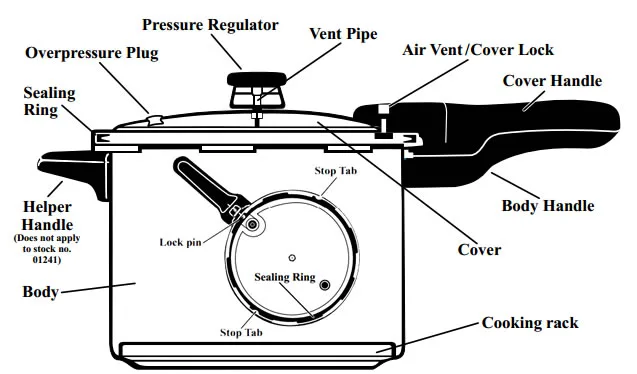
Image source: Bing (Web (fair-use with source credit))
Quick Answer
Troubleshoot a pressure cooker by checking the sealing ring, vent pipe, and float valve first. Most failures stem from a dirty or worn gasket. Clean the parts, run the water test, and replace damaged components.
If the lid stays locked, wait for pressure to drop. Never force it open.
How a Pressure Cooker Actually Works (So You Can Fix It Faster)
Pressure cooking comes down to one trick: trapping steam. As liquid inside the pot boils, it turns to steam and fills the sealed chamber. That steam pushes pressure up to about 15 psi on stovetop models and around 10 to 12 psi on electric ones.
At that pressure, water boils at roughly 250°F instead of 212°F, so food cooks far faster.
Once you grasp that logic, troubleshooting becomes a checklist, not a mystery. The same step-by-step thinking applies to other small kitchen appliances.
The Sealing Ring, Vent Pipe, and Float Valve: Your Troubleshooting Trinity
Three parts handle all the heavy lifting. The sealing ring is the rubber gasket that wraps around the lid's rim. The vent pipe is the small tube that lets excess steam escape.
The float valve is the pin that rises once pressure builds, locking the lid. If any of these are dirty, damaged, or misplaced, the whole system goes haywire.
Why Small Issues Turn Into Big Symptoms
A tiny speck of food in the vent pipe causes a dramatic hiss or a total failure to pressurize. A stretched gasket leaks steam everywhere, making the cooker seem broken when the rest of the machine is fine. The same goes for a float valve that won't drop, which can happen simply because you opened the lid too fast and food sprayed onto the pin.
None of these are catastrophic once you know what to look for.
Symptom-by-Symptom Troubleshooting Guide
Let's walk through the most common failures and what each one tells you.

Image source: Bing (Web (fair-use with source credit))
Steam Leaking Around the Lid
Steam escaping from the lid almost always points to the sealing ring. Check for food bits stuck on the ring or the pot's rim. Wipe both clean, reseat the ring evenly, and close the lid again.
If steam still pours out, the gasket is likely warped or stretched, and it's time for a replacement.
Pressure Never Builds
No steam and no pressure? Start with the exhaust valve. On electric models, the valve must be set to "sealing" before you start.
On stovetop models, check that the pressure regulator sits properly on the vent pipe. A blocked vent pipe is the other main suspect, so clear it with a wooden toothpick.
Float Pin Won't Rise or Stay Up
If the float pin stays down, the cooker is losing pressure. That means the sealing ring isn't doing its job or the lid isn't locked all the way. Low liquid levels can also prevent pressure from climbing.
Make sure you have at least one cup of water or broth in the pot.
Lid Won't Open After Cooking
This one is designed safety, not a malfunction. The lid stays locked until internal pressure drops. Wait for natural release (10 to 20 minutes), or carefully flip the valve to quick release if your cooker supports it.
Watch the float pin; when it falls, the lid unlocks. Never force it.
"Burn" Error or Burnt Food at the Bottom
Electric cookers flash "burn" when the inner pot gets too hot. That usually means the bottom of the pot is dry or covered in sugars and starches. Deglaze the pot after sautéing, and add enough liquid to cover the bottom.
If the error repeats, the inner pot might be warped.
Food Undercooked or Inconsistent Results
Undercooked food usually means pressure never reached its peak or you released it too early. Did the float pin fully rise? Did you wait long enough after the cooker beeped?
For stovetop models, verify the regulator jiggles steadily. For electrics, give it another minute or two on high before counting the timer.
The Water Test: The Fastest Way to Diagnose a Faulty Seal
If you're unsure whether your cooker can seal, stop guessing and run the water test. It takes about ten minutes and reveals the health of your sealing ring, vent pipe, and float valve in one go.
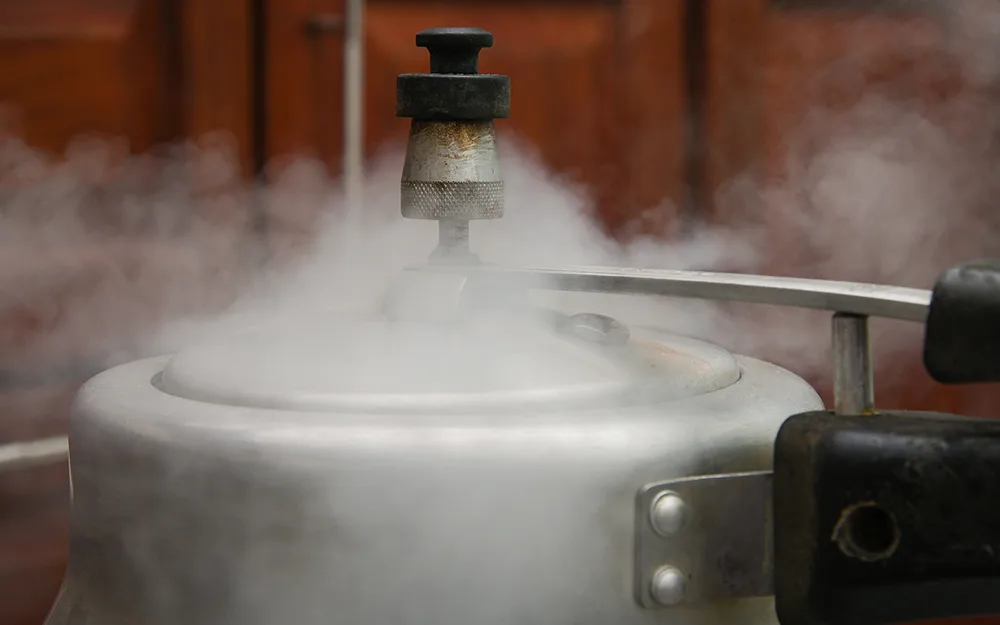
Image source: Bing (Web (fair-use with source credit))
How to Run the Water Test
Add two cups of water to the inner pot. Close the lid and set the valve to "sealing". Run the cooker on high pressure for about five minutes, then let it release naturally.
For stovetop models, bring it to pressure on medium heat and watch for a steady jiggle.
What a Pass or Fail Looks Like
A pass means the float pin rises within a few minutes and stays up. Steam might wisp around the lid at first, but it should settle once the ring seats. A fail shows continuous steam leaking from the edges, or a float pin that never rises.
If you see that, your sealing ring needs attention.
Mistakes Owners Make That Look Like Real Faults
Sometimes the cooker is fine. You're just fighting an error that's user-induced. These four mistakes mimic genuine breakdowns, and each has a simple fix.
Valve Left in the Venting Position
The easiest one to catch once you've seen it. If the pressure valve points toward "venting", steam escapes the entire time. No pressure builds, food cooks slowly, and you get a watery, stir-fry-like result.
Switch the valve to "sealing" before starting.
Overfilling Past the Max-Fill Line
Pressure cookers need headroom. When you fill past the max line, food can block the vent and float valve, causing pressure to climb dangerously or never build at all. Keep fill levels at two-thirds or less for most dishes.
You'll get fewer burn notices and safer cooking.
Too Little Liquid in the Pot
Without enough liquid, there's no steam. Electric models flash a burn error; stovetop models burn food on the bottom. The minimum is usually 1/2 to 1 cup of liquid, depending on your cooker.
When in doubt, add a little extra broth. Liquid and dry measurements require similar attention, so weighing your ingredients builds good habits.
Worn, Warped, or Dirty Sealing Ring
The sealing ring is a rubber part with a lifespan. After a year of heavy use, it can warp, tear, or absorb odors. If the ring looks dull or has tiny cracks, order a replacement.
It's one of the cheapest fixes in the entire appliance world. As of 2026, most manufacturers still recommend replacing a gasket every 12 to 18 months.
Safety First: What to Never Do While Fixing a Pressure Cooker
Pressure cookers store real energy. When you troubleshoot, safety comes before the fix. A faulty valve or a forced lid can turn a simple repair into an emergency.
When Forcing It Makes Things Dangerous
Never force that lid open with a knife, screwdriver, or raw strength. Trapped steam can burn you badly, even if the cooker looks calm from the outside. Wait for the float pin to drop completely.
On electric models, unplug the base if the "burn" notice won't reset.
Recognizing When the Cooker Is Beyond a Safe Fix
Some problems are not DIY jobs. A bent lid, a barely movable float valve, or an inner pot with a visible dent all mean the cooker's safety system is compromised. If the electric base sparks or trips your breaker, stop immediately.
Contact the brand's support line, or start shopping for a certified replacement. You can also check the Consumer Product Safety Commission's recall database at cpsc.gov to see if your model has known issues.
Repair vs. Replace: When to Fix It and When to Move On
Once you've confirmed the problem, the next question is whether to fix it or buy new. Our research consistently shows the math changes depending on model age. Much like troubleshooting a kitchen scale, you want to rule out cheap fixes first.
A $10 part often solves what feels like a $200 problem.
Here are the parts you'll likely replace, plus their typical lifespans:
| Part | Typical Lifespan | Average Cost |
|---|---|---|
| Sealing ring | 12-18 months | $8-15 |
| Float valve assembly | 3-5 years | $10-20 |
| Pressure regulator | 5+ years | $10-25 |
| Anti-block shield | 3-5 years | $5-10 |
If the cooker is under five years old and needs a new ring, repair it. If the electric base is faulty or the lid is deformed, replacement is the safer route. Forcing worn parts turns a pressure cooker into a hazard.
The price gap is smaller than most people expect. A midrange electric cooker runs $80 to $150, while a full lid assembly can cost $50 or more. That's why doing a side-by-side cost comparison matters.
Checking for Recalls and Manufacturer Safety Warnings
Before you spend any money, search your model number. The CPSC recall database lists pressure cookers with faulty lids and burn hazards. As of 2026, several major brands have issued recalls over locking mechanisms.
If your model appears, do not attempt a repair. Get a certified replacement instead.
Frequently Asked Questions
Why won't my pressure cooker whistle?
Electric models shouldn't whistle at all. Stovetop models whistle when the regulator vibrates from steam flow. No whistle means low pressure or a blocked vent pipe.
Check for debris with a wooden pick and verify you have enough liquid. If the float pin rose, pressure exists even without a whistle.
How often should I replace the sealing ring?
Most manufacturers recommend every 12 to 18 months. Replace it sooner if you see cracks, warping, or constant steam leaks. A ring that smells like old spices is also due for a swap.
Keep a spare on hand, just as you would with routine maintenance around your kitchen.
Can I open a pressure cooker if the lid is stuck?
No. A stuck lid means trapped pressure remains. Wait 10 to 20 minutes for natural release.
If the float pin hasn't dropped, carefully use the quick-release valve. Never pry the lid with any tool. If steam stops releasing but the pin stays up, contact the manufacturer right away.
Why does my pressure cooker say "burn"?
The electric base detects the inner pot overheating. This typically happens when the pot is dry, food is burnt on the bottom, or the liquid is too thick. Turn it off, release pressure, and clean the pot thoroughly.
Deglaze before retrying, and give the bottom a good scrub. Proper upkeep of your cooking gear prevents these errors.
Is it safe to use a pressure cooker with a damaged lid?
No. The lid's locking system is your primary defense against steam burns. A bent lid, broken handle, or faulty float valve can cause dangerous pressure release.
Replace the lid with an OEM part or buy a new cooker. Check the manufacturer's site for approved parts and follow their procedures exactly.