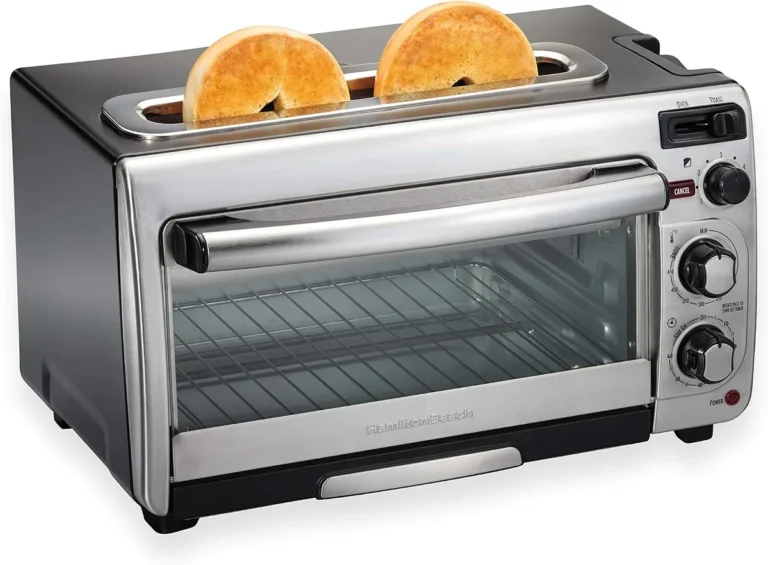
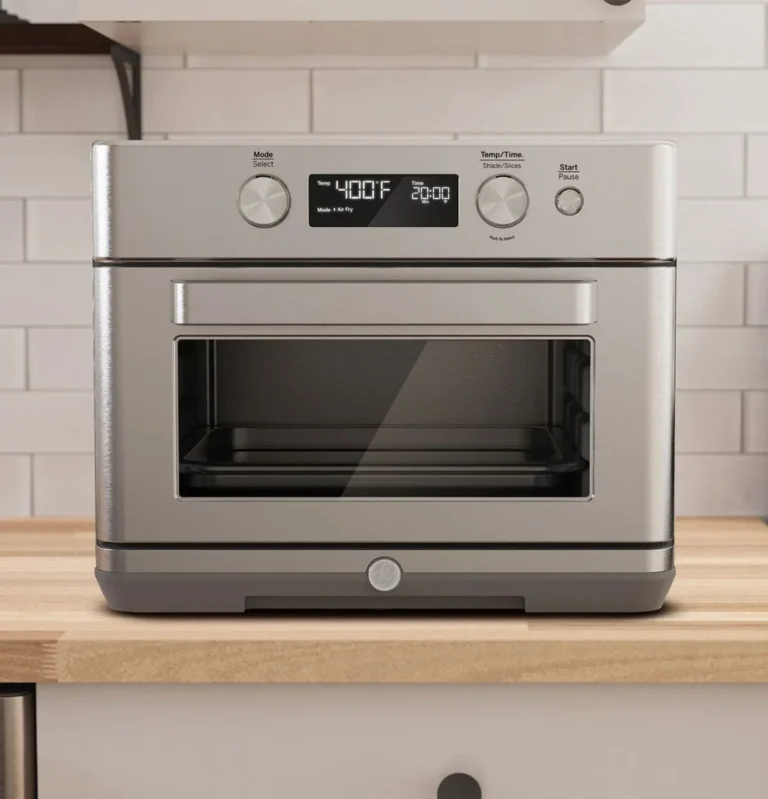
How to Roast Vegetables in a Toaster Oven
Tired of soggy, uninspired vegetables? Roasting them in a toaster oven offers a fantastic shortcut to delicious, caramelized goodness, perfect for busy weeknights or small kitchens. It's a game-changer for achieving that ideal balance of tender interior and crispy edges without heating up your entire house.
Our research shows that while toaster ovens are often seen as mini versions of their full-size counterparts, they cook faster and more intensely. Manufacturer specifications often cite convection features that can further enhance browning, delivering restaurant-quality results in a fraction of the time. Let's break down how to master this technique.
Quick Answer
To roast vegetables in a toaster oven, preheat it to between 375°F and 425°F (190°C-220°C). Wash, chop vegetables into uniform pieces, toss with oil and seasonings, and spread in a single layer on a baking tray. Roast for 10-25 minutes, flipping halfway, until tender and browned.
What Makes Toaster Oven Roasting Different?
Toaster ovens cook hotter and faster than standard ovens because of their smaller size and closer heating elements. This intense heat is your friend when roasting vegetables, as it quickly caramelizes the natural sugars, leading to deep flavor and a desirable crispness. Aggregate reviews often report that vegetables can cook up to 20% faster in a toaster oven compared to a full-size model set at the same temperature.
This means you need to watch them more closely to avoid burning.
The proximity of the heating elements also contributes to more direct radiant heat. If your toaster oven has a convection setting, it circulates hot air, which can speed up cooking even further and promote more even browning. Think of it as a mini, super-powered oven, ideal for small batches or when you don't want to fire up the main appliance.
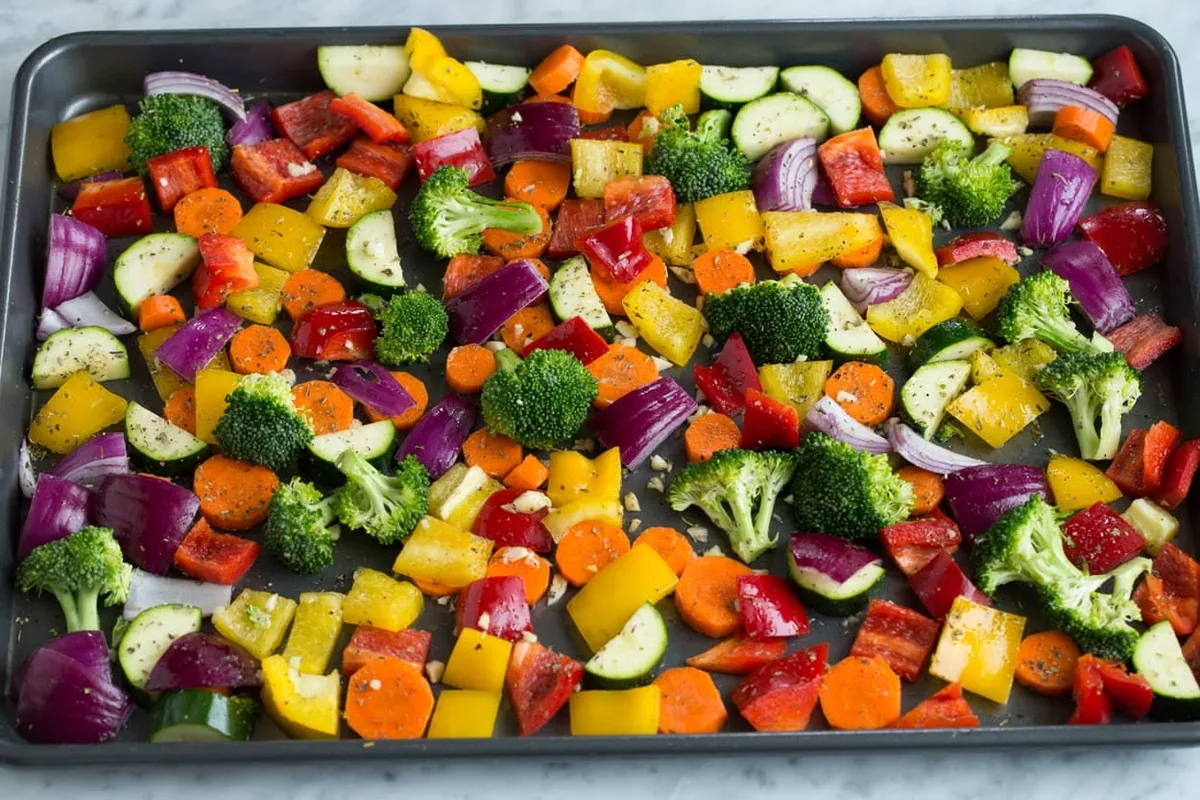
Image source: Bing (Web (fair-use with source credit))
Picking the Best Veggies for Toaster Oven Roasting
Not all vegetables behave the same way under intense heat. For toaster oven roasting, you want vegetables that can stand up to the higher temperatures and shorter cooking times without turning into mush. Root vegetables like carrots, sweet potatoes, and parsnips are fantastic because their sugars caramelize beautifully.
Cruciferous vegetables such as broccoli, cauliflower, and Brussels sprouts also roast well, developing a pleasant char. Bell peppers, onions, and zucchini are great additions for a mix of flavors and textures.
Hardier vegetables, like potatoes or winter squash, might need to be cut smaller or tossed with a bit more oil to ensure they cook through before their edges get too dark. Softer vegetables, like asparagus or cherry tomatoes, cook very quickly and should be added towards the end of the roasting time if you’re cooking a mix. For the best results, aim for pieces that are roughly the same size so they finish cooking at the same time.
The Easy Steps to Perfectly Roasted Toaster Oven Veggies
Mastering toaster oven roasted vegetables is straightforward, but a few key steps make all the difference. It boils down to preparation, proper arrangement, and vigilant monitoring.
Prep & Seasoning That Makes a Difference
Start by washing your vegetables thoroughly. For most vegetables, you'll want to cut them into uniform, bite-sized pieces, about 1/2 to 1 inch thick. Uniformity is crucial because it ensures everything cooks at roughly the same rate.
For instance, cut broccoli florets to be similar in size to your carrot coins.
Next, toss the chopped vegetables with a good quality oil like olive oil or avocado oil. Don't be shy; oil helps conduct heat, promotes browning, and prevents sticking. A general guideline is about 1 to 2 tablespoons of oil per pound of vegetables.
Then, season generously with salt, pepper, and any other desired herbs or spices, garlic powder, paprika, or dried Italian herbs work wonderfully. For best results, ensure the seasonings are evenly distributed.
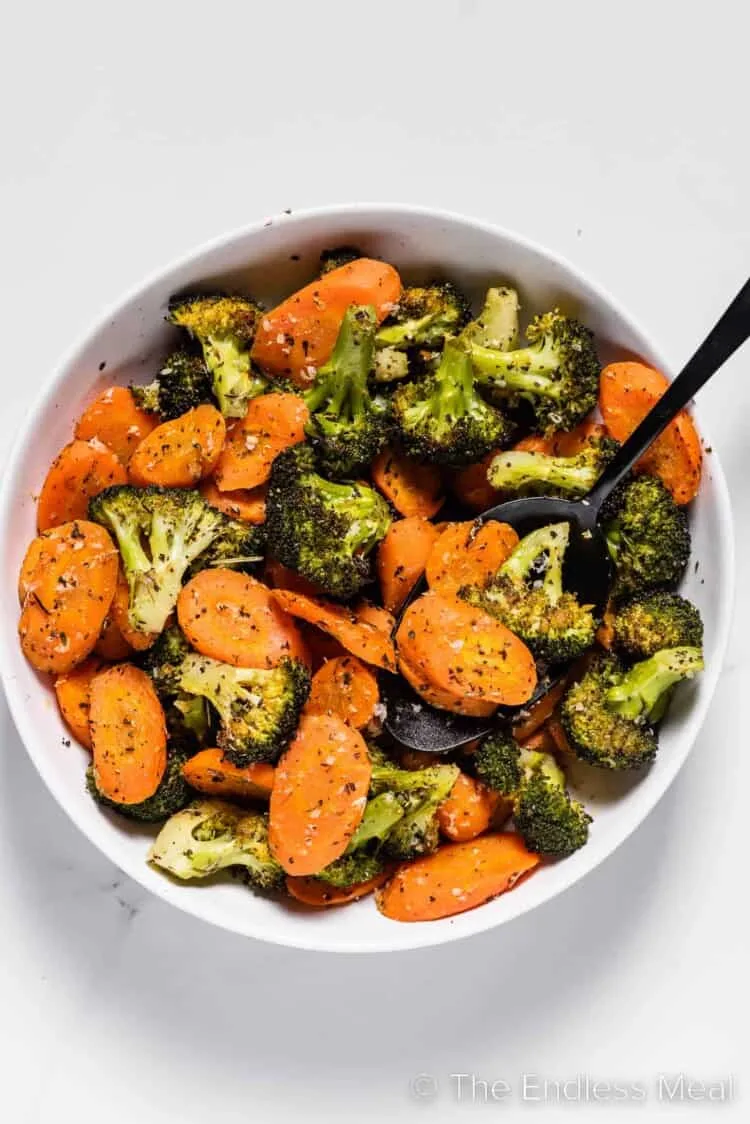
Image source: Bing (Web (fair-use with source credit))
Arranging for Even Cooking
This is where many people go wrong. Overcrowding the pan is the enemy of crispy roasted vegetables. If you pack too many pieces onto the baking tray, they will steam instead of roast, resulting in a soggy texture.
You want your vegetables to have space between them so the hot air can circulate freely around each piece.
For most toaster ovens, a single layer is essential. If you're roasting a larger quantity, it’s better to do two separate batches than to cram everything into one. Manufacturer specifications for many toaster ovens recommend leaving at least an inch of space between items on the baking tray to allow for proper airflow.
Watching for That Golden-Brown Perfection
Toaster ovens cook fast, so keep a close eye on your veggies. Preheat your toaster oven to the desired temperature, typically between 375°F and 425°F (190°C-220°C), depending on the vegetables and how crispy you want them. Once preheated, place the tray in the oven.
Start checking your vegetables after about 10 minutes. Most vegetables will need 10-25 minutes in total. Midway through the cooking time, give the tray a shake or use a spatula to flip the vegetables.
This helps ensure all sides get that lovely browning. You're looking for tender interiors and nicely browned, slightly crisped edges.
Common Toaster Oven Roasting Mistakes to Skip
Even with the best intentions, it's easy to make a few missteps when roasting vegetables in a toaster oven. Understanding these common errors can save your veggies from becoming a culinary disappointment.
- Overcrowding the Pan: This is by far the biggest mistake. When vegetables are too close together, they steam rather than roast. This results in limp, unappealing produce. Always ensure there's space for air to circulate around each piece.
- Uneven Cutting: If your vegetable pieces are different sizes, they'll cook unevenly. Some will be burnt before others are even tender. Strive for consistent, bite-sized cuts.
- Not Enough or Too Much Oil: A little oil is essential for browning and preventing sticking, but too much can make vegetables greasy. Too little means they might stick or not crisp up properly. About 1-2 tablespoons per pound is a good starting point.
- Incorrect Temperature: Using a temperature that's too low means the vegetables will take too long and likely become soft. Too high, and they’ll burn on the outside before the inside is cooked. Stick to the 375°F-425°F (190°C-220°C) range.
- Forgetting to Preheat: Like a full-size oven, a toaster oven needs to be fully preheated. Skipping this step means your vegetables start cooking in a lukewarm environment, affecting texture and time.
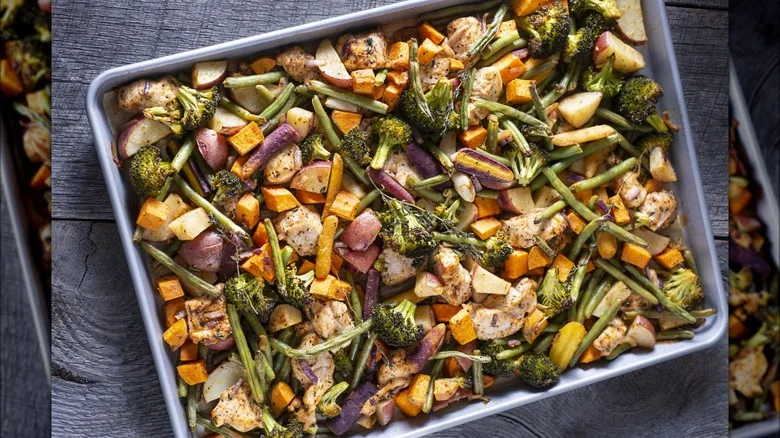
Image source: Bing (Web (fair-use with source credit))
Getting That Crispy Texture: The Secrets
Achieving that perfect crispy edge on roasted vegetables in a toaster oven comes down to a few key factors. It’s about maximizing surface area contact with heat and minimizing steam.
- High Heat is Key: Crank your toaster oven up to at least 400°F (200°C), or even 425°F (220°C) for some vegetables. This intense heat rapidly evaporates surface moisture and begins the caramelization process, leading to crispiness.
- Don't Crowd the Pan: Give those vegetables breathing room. If they're packed tightly, they'll steam, and steam is the enemy of crispiness. A single layer is non-negotiable.
- Use the Right Oil: Oils with a high smoke point, like avocado oil or grapeseed oil, work best at these high temperatures. They can get hot enough to promote crisping without breaking down and smoking excessively.
- Cut Wisely: Thinner cuts or smaller pieces will crisp up faster than large chunks. Think thinly sliced sweet potatoes, small broccoli florets, or julienned carrots.
- Convection Boost: If your toaster oven has a convection setting, use it! The fan circulates air, which helps drive off moisture and ensures more even browning and crisping.
- Dry Veggies First: Ensure your washed vegetables are thoroughly patted dry before tossing them with oil and seasonings. Excess water will steam, not crisp.
Toaster Oven Roasting vs. Full-Size Oven: When to Choose What
Deciding between your toaster oven and your full-size oven for roasting vegetables depends largely on your needs and the quantity you're making. For small batches or just one or two servings, the toaster oven is usually the superior choice. It heats up much faster, often in under 10 minutes, compared to 15-20 minutes for a full-size oven.
This time saving is significant for quick meals.
Your toaster oven also uses less energy when cooking smaller amounts. Running a large oven to roast a single tray of vegetables is inefficient. For those living in smaller spaces, like apartments or dorms, a toaster oven is often the primary or only oven available.
However, if you're cooking for a crowd or need to roast a large quantity of vegetables, a full-size oven is the way to go. You can typically fit more vegetables on multiple racks, ensuring more even cooking and less risk of overcrowding. Plus, a large oven can handle larger, thicker-cut vegetables that might take too long to cook through in a smaller appliance.
So, for convenience and efficiency with small portions, reach for the toaster oven; for large-scale cooking, the full-size oven wins.
Toaster Oven Roasting: Your Questions Answered
How long does it usually take to roast vegetables in a toaster oven?
Roasting times vary greatly depending on the type of vegetable, its size, and your toaster oven’s temperature. Generally, expect anywhere from 10 to 25 minutes. Softer vegetables like broccoli or bell peppers might take 10-15 minutes at 400°F (200°C), while denser root vegetables like potatoes or carrots could take 20-25 minutes at the same temperature.
What's the ideal temperature for roasting vegetables in a toaster oven?
The ideal temperature is typically between 375°F and 425°F (190°C-220°C). Higher temperatures promote faster caramelization and crispier edges, which is often desirable. For most vegetables, starting at 400°F (200°C) and adjusting based on how they’re cooking is a safe bet.
Can I use parchment paper or foil in my toaster oven for roasting vegetables?
Yes, you can use parchment paper or aluminum foil. Parchment paper is excellent for preventing sticking and makes cleanup easier. Ensure it doesn't extend past the edges of the tray, especially at high temperatures, to avoid contact with heating elements.
Always check your toaster oven's manual for specific recommendations regarding parchment paper use, as some models advise against it above certain temperatures. Aluminum foil can also be used, but it’s important to ensure it covers the tray completely to avoid direct contact with the heating elements.