How to Use a Kitchen Spatula
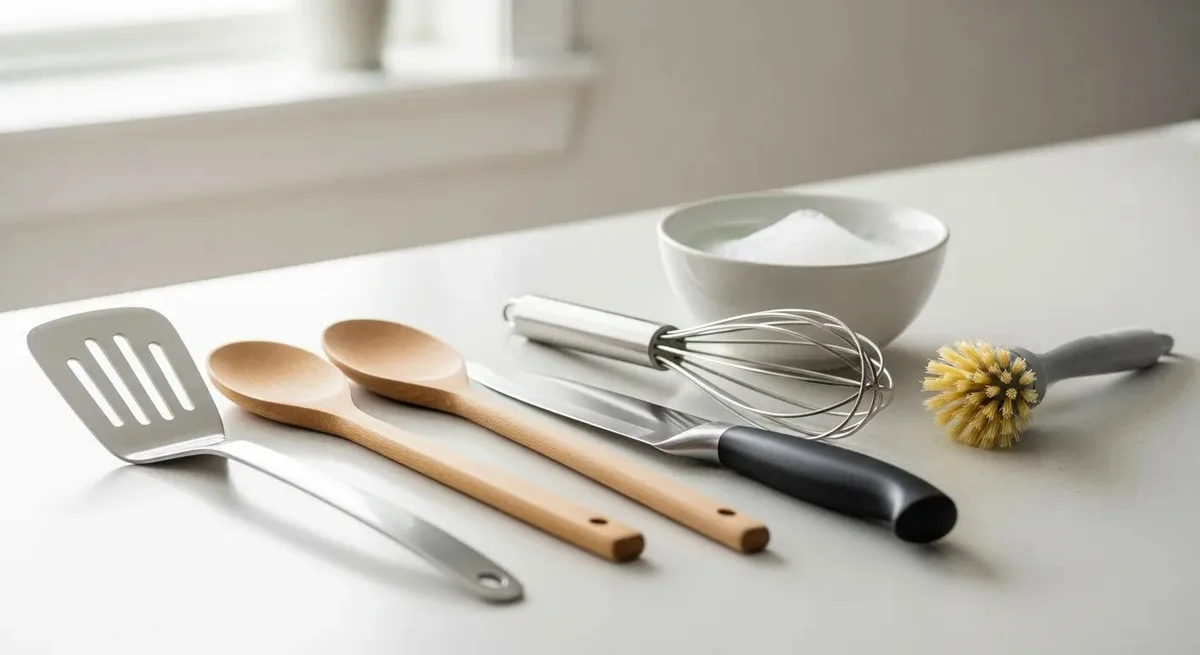
Image source: Bing (Web (fair-use with source credit))
Mastering Your Kitchen Spatulas: A Visual Guide
Learning how to use a kitchen spatula effectively can seriously elevate your cooking game, making everyday tasks easier and results tastier. These versatile tools are more than just flat pieces of plastic or metal; they’re your partners in flipping, scraping, and spreading with precision. Understanding their specific roles is the first step to unlocking their full potential.
In our research, we found that a standard set of spatulas, including a turner, a rubber/silicone scraper, and an offset spatula, covers about 95% of common kitchen needs. As of 2026, manufacturer specifications still largely align with these fundamental types for home use. Let's dive into how each one works best and tackle some common scenarios.
Quick Answer
Use a kitchen spatula by matching its type to the task: turners for flipping, rubber/silicone for scraping, offset for spreading, and jar spatulas for tight spaces. Slide a turner completely under food before a quick wrist flick. Angle rubber spatulas to hug bowl curves for efficient scraping.
Use a gentle touch with offset spatulas for frosting.
Flipping Like a Pro: The Turner Spatula in Action
The turner spatula, often called a flipper, is your go-to for gently lifting and rotating food in a pan or on a griddle. Its defining characteristics are a wide, relatively thin blade and often a slotted design, which helps drain excess grease or liquid. This design makes it ideal for anything from delicate fish fillets to sturdy burgers.
When you're dealing with pancakes, fried eggs, or seared vegetables, the turner provides the support needed without damaging the food.
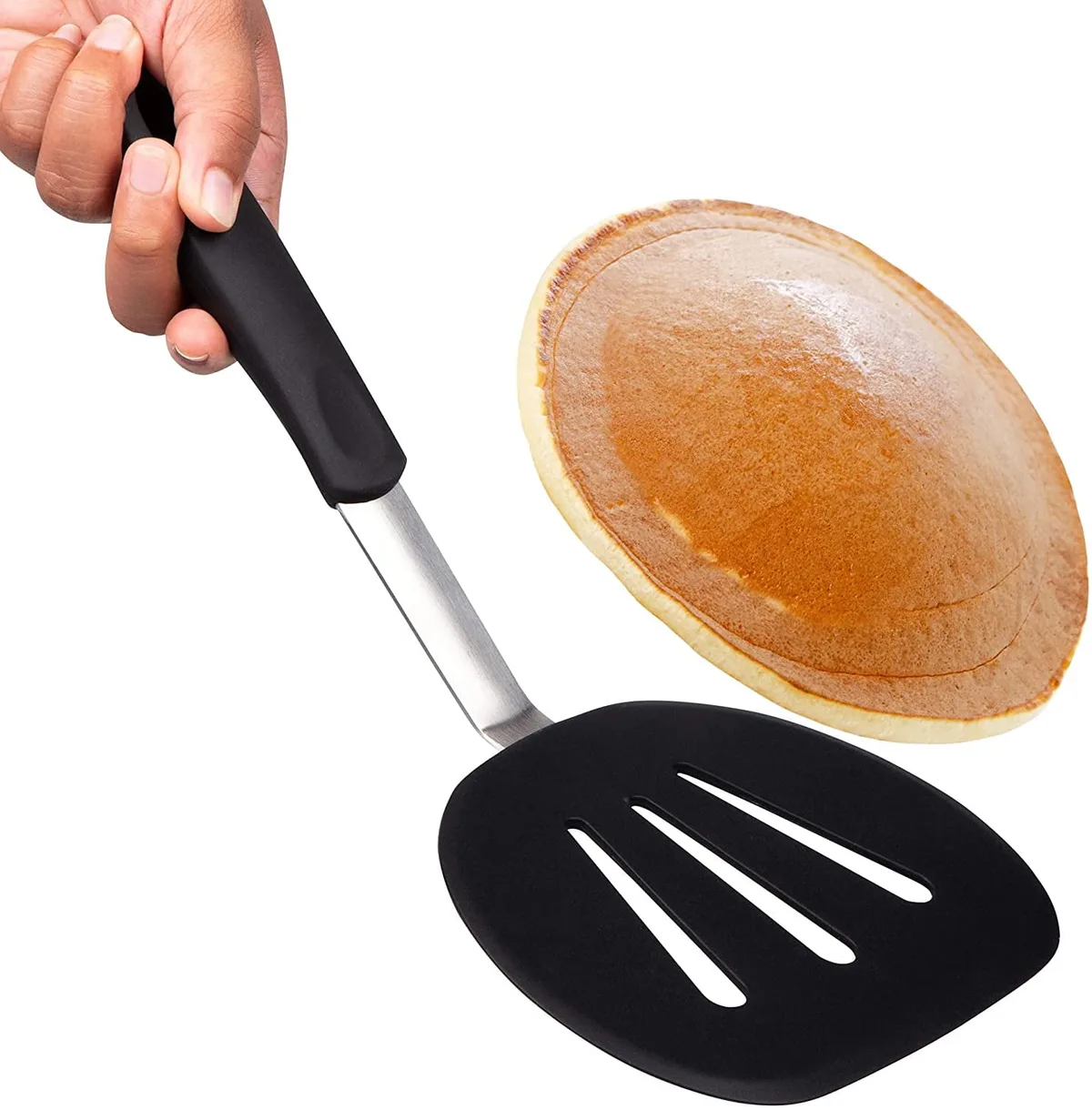
Image source: Bing (Web (fair-use with source credit))
Getting Underneath and the Wrist Flick
To successfully flip something like a pancake, you need to ensure the entire spatula blade slides underneath it. Don't just jab it in from the side. Gently lift the edge of the pancake to confirm it's not stuck.
The actual flip comes from a quick, decisive flick of your wrist, not brute force. This rapid motion rotates the food in the pan smoothly.
Common Flipping Fumbles to Dodge
One of the biggest mistakes people make is using a spatula that's too small, leading to food falling apart. Another common error is trying to force a stuck item, which can tear it. Aggressively shoving the spatula can also damage non-stick pans.
Always ensure your pan is properly preheated and, if necessary, lightly greased to prevent sticking. If you're struggling to get under delicate items like fish, a thinner, more flexible turner might be needed. For advice on maintaining cookware surfaces, you might find how to clean a rice cooker offers related tips on gentle cleaning.
Scraping Every Last Drop: Rubber & Silicone Spatulas
Rubber and silicone spatulas are designed for flexibility and getting into every nook and cranny. Their soft, pliable edges are perfect for scraping bowls clean, whether you're getting the last bit of batter for cookies or scooping out creamy sauces. These spatulas are also heat-resistant, making them safe to use when stirring simmering mixtures or folding ingredients into hot batters.
The material choice, typically silicone, offers better heat tolerance and durability than older rubber models.
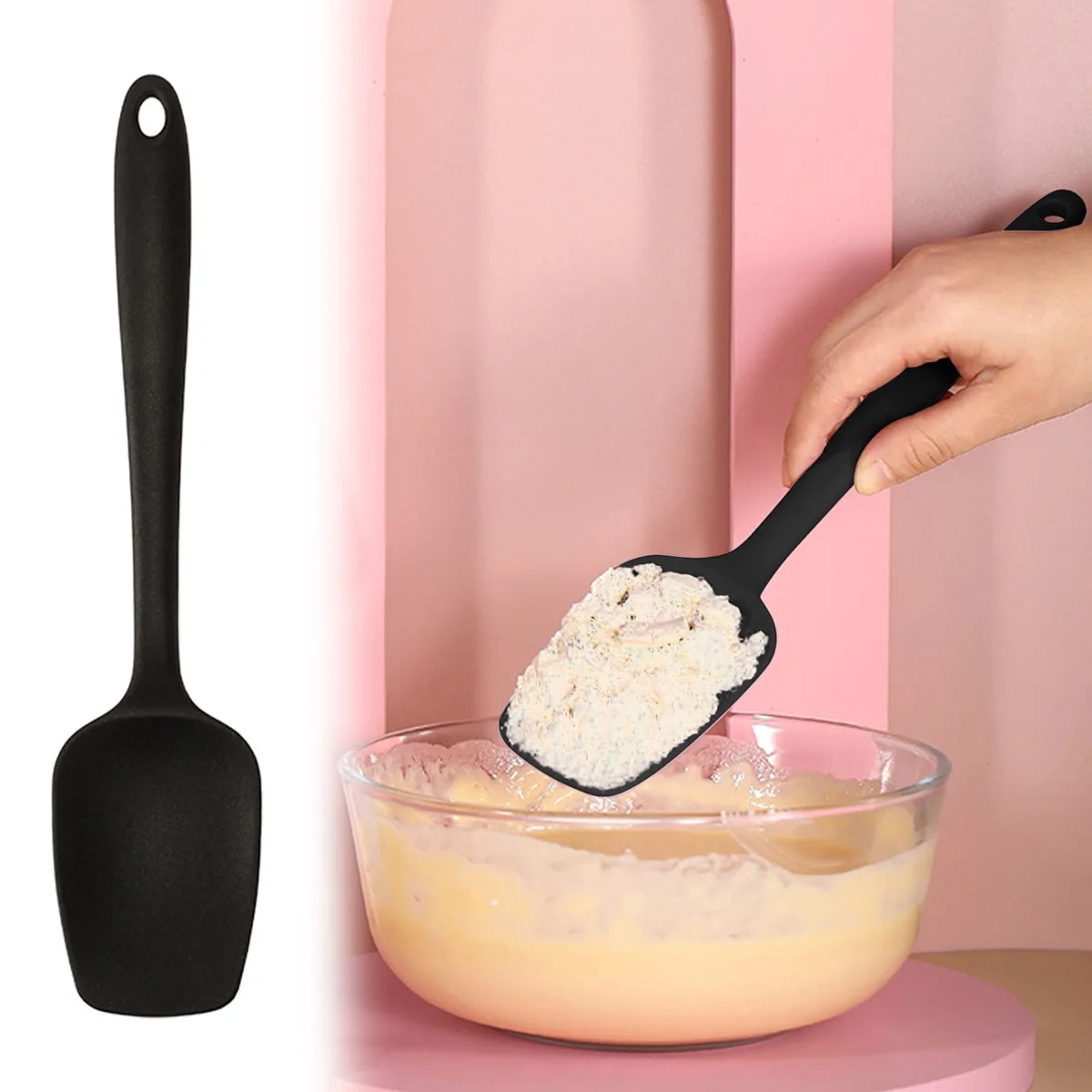
Image source: Bing (Web (fair-use with source credit))
The Art of the Bowl Scrape
When scraping a mixing bowl, hold the spatula at a slight angle to the bowl's curve. This allows the flexible edge to hug the contour perfectly. Use smooth, firm strokes from the edge of the bowl towards the center.
For thick batters, you might need to use the flat side of the spatula to push and gather the mixture efficiently. This technique ensures you don't waste ingredients and speeds up your cleanup process.
Stirring Sauces and Folding Ingredients
For stirring sauces or gently folding ingredients, the spatula's flexibility is key. You can maneuver it easily around the bottom and sides of a pot or pan without scratching surfaces, unlike a whisk or a stiffer utensil. When folding ingredients, like incorporating whipped egg whites into a batter, the broad, flexible surface helps lift and incorporate without deflating the mixture.
This is crucial for achieving a light and airy texture in baked goods. If you're curious about different cooking appliances, understanding how to prevent rice from sticking in rice cooker can highlight how specific tool-use minimizes waste.
Delicate Work with the Offset Spatula
The offset spatula stands out with its bent or angled blade, creating a gap between the handle and the working surface. This design is particularly useful for decorating cakes and pastries. The offset angle keeps your knuckles clear of frosting and allows for a smooth, even spread.
They come in various sizes, from small, precise spreaders to larger ones for covering big cakes.
Frosting Cakes with Precision
To frost a cake smoothly, scoop a generous amount of frosting onto the center of the cake using your offset spatula. Then, use gentle, sweeping motions to spread the frosting outwards. Rotate the cake stand (if you have one) as you work to create an even layer.
For sharper edges, you can use the side of the blade to gently pull excess frosting away.
Moving Pastries Without a Mess
When it comes to moving delicate items like cookies, tarts, or small cakes, the offset spatula is a lifesaver. Slide the blade carefully underneath the item, ensuring it’s well-supported. The slight lift from the offset angle helps prevent the pastry from sticking to your hand or smudging its surface.
This technique is vital for maintaining the presentation of your baked goods.
The Mighty Jar Spatula: Maximizing Condiments
The jar spatula, sometimes called a mini-spatula or a squeeze bottle spatula, is often overlooked but incredibly useful. It’s typically smaller and more rigid than a rubber spatula, with a narrower, sometimes pointed tip. Its design is perfect for reaching the bottom and sides of jars to scoop out every last bit of peanut butter, jam, mayonnaise, or other condiments.
This tool is all about reducing food waste and getting the most value from your purchases.
Choosing the Right Spatula for the Task
Selecting the correct spatula for the job ensures efficiency and best results. A turner is for lifting and flipping; its wide, often slotted head allows food to be easily maneuvered. Silicone or rubber spatulas excel at scraping bowls and pots clean due to their flexibility and adherence to surfaces.
Offset spatulas are specifically designed for the smooth application of frosting and delicate transfers. Jar spatulas, with their slender profiles, are optimized for extracting every last bit from narrow containers. Understanding these distinctions prevents frustration and improves your overall cooking process.
Expert Tips for Spatula Superstars
To truly master your spatulas, consider a few pro techniques that elevate your cooking and efficiency. For instance, when using a turner to flip delicate items like fish, a slight wiggle of the spatula handle just before the wrist flick can break any minor adhesions to the pan. This prevents tearing.
If you're regularly dealing with sticky batters, a silicone spatula that’s rated for high heat (often up to 600°F / 315°C, per manufacturer specs) offers superior durability and ease of use compared to older rubber models.
Beyond technique, material matters. High-quality silicone spatulas maintain their flexibility and shape over time, even with frequent use and washing. Avoid spatulas made from plastics that can warp or melt easily, especially when used in hot pans.
For those who enjoy cooking international dishes, understanding the nuances of different utensils can be as important as knowing how to cook basmati rice in a rice cooker.
Material Matters: Silicone vs. Plastic
When comparing materials, silicone offers superior heat resistance and flexibility, making it ideal for high-heat cooking and intricate scraping. Plastic spatulas, while often cheaper, can warp, melt, or become brittle over time, especially if exposed to high temperatures or harsh dish detergents. Our research indicates that silicone spatulas typically last longer and perform better across a wider range of cooking tasks.
Cleaning and Care for Longevity
Proper cleaning extends the life of your spatulas. Most silicone and rubber spatulas are dishwasher safe, which is the most convenient way to ensure they’re thoroughly cleaned. However, for spatulas with wooden handles, hand-washing is recommended to prevent the wood from cracking or warping.
Regularly checking the condition of your spatulas, ensuring no cracks or loose handles, is part of good kitchen maintenance. If you’re interested in keeping all your kitchen tools in top shape, looking into how to maintain a rice cooker can offer broader insights into appliance care.
Frequently Asked Questions About Spatulas
What's the main difference between a rubber and silicone spatula?
Silicone spatulas generally offer better heat resistance and are more durable than traditional rubber ones. They tend to maintain their flexibility longer and are less prone to staining or retaining odors.
Can I use a turner spatula for scraping bowls?
While you can, it's not ideal. A turner's stiffer, often slotted blade isn't designed to hug the curves of a bowl for efficient scraping. A flexible rubber or silicone spatula is much better suited for this task.
Are all offset spatulas good for frosting cakes?
Yes, the offset design is specifically created for frosting. The angle keeps your hand clean and provides better control for a smooth, even finish on cakes and pastries.
How do I know if my spatula is heat-resistant?
Check the product packaging or manufacturer’s specifications. Many high-quality silicone spatulas are rated for heat resistance up to 600°F (315°C). Avoid using plastics in high-heat cooking situations.
Can I use a jar spatula for anything else?
Absolutely. A jar spatula’s narrow, firm blade makes it handy for spreading small amounts of butter or jam on toast, or even for applying adhesive in craft projects.