How to Cook Basmati Rice in a Rice Cooker
We've all been there: you lift the rice cooker lid and instead of delicate, fluffy grains you find a sticky, clumped brick. If you've ever searched for how to cook basmati rice in a rice cooker, you know the frustration. The problem usually isn't your machine.
It's the assumptions you bring to it.
Most rice cookers ship with a 180 ml measuring cup, not the 237 ml standard US cup. That mismatch explains why so many recipes turn out mushy. Get the measurement right, and everything else is easy.
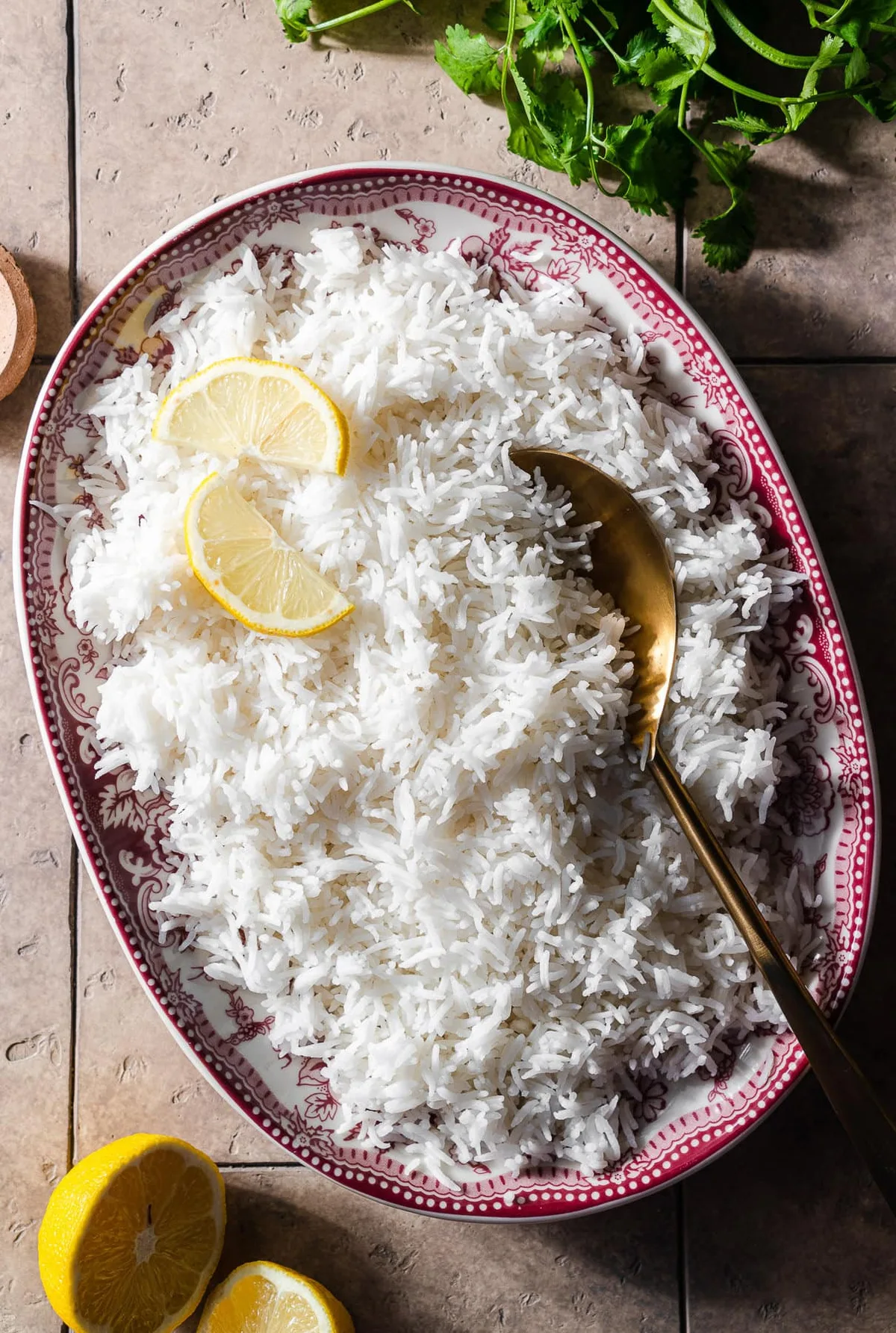
Image source: Bing (Web (fair-use with source credit))
Quick Answer
Rinse one rice cooker cup of basmati in cold water until the water runs clear. Soak it for 20 to 30 minutes. Drain well, then add 1.5 cups of fresh water.
Press cook and let it rest for 10 minutes after the cycle ends. Fluff with a fork and serve.
Why Basmati Is a Different Beast in a Rice Cooker
Basmati is an extra-long-grain rice that grows mainly in India and Pakistan. Unlike short-grain rice, it expands mostly in length, not width. That slim structure makes it fragile and easy to overcook.
Most rice cookers are tuned for medium-grain white rice. That rice needs a 1:1 water ratio and ends up sticky by design. The water lines inside your pot reflect that default.
Use them with basmati and you will over-hydrate it. As of 2026, most consumer rice cookers still lack a dedicated basmati setting.
The biggest fix is cutting the water back by 20 to 30%. Use a 1:1.5 ratio: one rice cooker cup of dry basmati to one and a half cups of water. Brown basmati needs closer to 1:1.75.
If you want precision, a kitchen scale helps you measure dry rice exactly.
According to the USDA's FoodData Central, basmati has a different starch profile than standard white rice. That makes it less forgiving of extra water. Cook it lean and it stays fluffy.
Drown it, and you get glue.
| Rice variety | Water ratio | Soak time | Cook cycle |
|---|---|---|---|
| White basmati | 1:1.5 | 20-30 min | Standard |
| Brown basmati | 1:1.75 | 30-40 min | Brown or whole grain |
Know Your Variables: White vs. Brown, Soaked vs. Dry, Machine Type
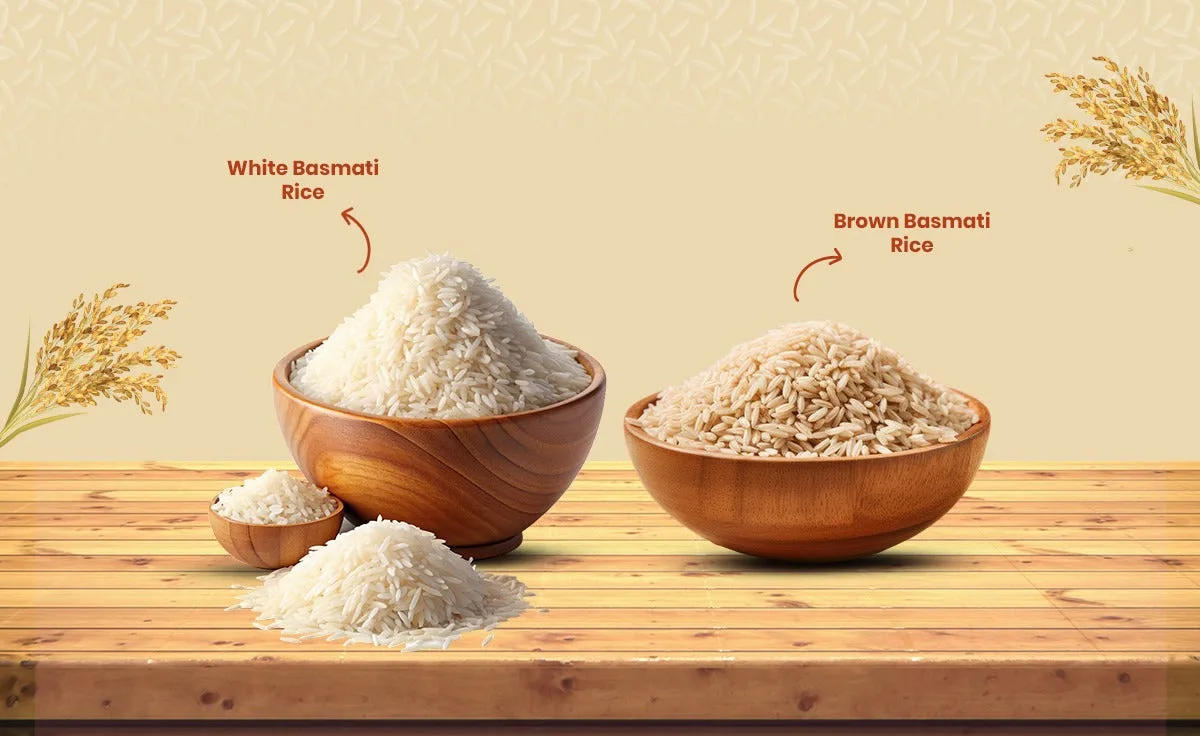
Image source: Bing (Web (fair-use with source credit))
Before you start, ask yourself three questions. Are you using white or brown basmati? Did you soak it?
What kind of rice cooker do you have? The answers change everything.
White basmati cooks quickly and absorbs water easily. Brown basmati is the same rice minus the bran layer, so it's denser and needs more water and time. If you're cooking brown basmati, skip the standard white rice cycle.
Use a longer cook time and a higher water ratio.
Soaking is optional but highly recommended for white basmati. A 20 to 30 minute soak lets the grains hydrate evenly. If you soak, you can reduce the water by about 10%.
If you don't soak, stick with the full 1:1.5 ratio.
Your machine type matters too. Basic one-switch rice cookers boil until the temperature sensor trips. Fuzzy logic models adjust heat based on moisture and give you more forgiveness.
Pressure cookers cook faster but can crush delicate basmati if you're not careful. If your machine has a brown rice cycle, use it for brown basmati.
The easiest way to get consistent results is to measure your dry rice by weight. A reliable digital kitchen scale gives you the same baseline every time, no matter which rice you pick.
The Step-by-Step Workflow for Perfect Grains
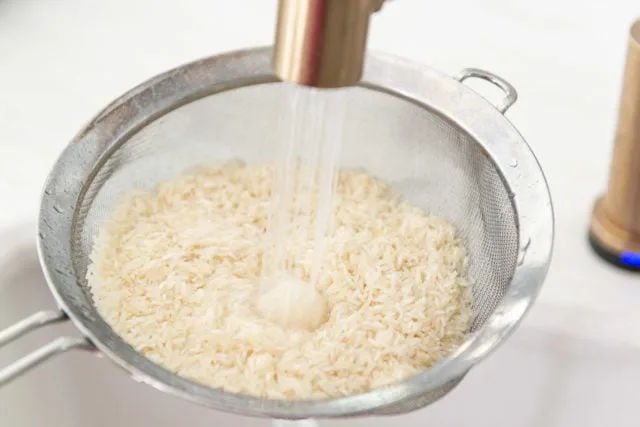
Image source: Bing (Web (fair-use with source credit))
Here's the exact workflow we recommend. It splits by rice type, but the first few steps are the same.
Branch A: White Basmati (Soaked or Unsoaked)
- Measure one rice cooker cup of white basmati. Don't use a teacup or a US measuring cup. The rice cooker cup is 180 ml.
- Rinse in a fine-mesh strainer under cold running water. Swirl with your fingers until the water runs clear. This removes surface starch.
- Soak for 20 to 30 minutes if you have time. Drain well after soaking.
- Add fresh water. For soaked rice, use 1.25 cups. For unsoaked, use 1.5 cups.
- Add a pinch of salt if you like.
- Press cook. When the cycle ends, leave the lid shut for 10 minutes.
- Fluff with a fork and serve.
Branch B: Brown Basmati
Follow the same steps, but soak for 30 to 40 minutes and use 1.75 cups of water. Set your cooker to the brown rice or whole grain cycle. If your machine only has a standard cycle, expect it to take 10 to 15 minutes longer.
Branch C: Adjusting for Your Specific Rice Cooker
Some machines run hot. If you consistently get a slightly hard center, add two tablespoons of water. If you get sticky rice, reduce water by two tablespoons.
Keep notes on what works for your pot.
To make things easier, zero out your scale before adding rice to the cooking bowl. That way you know the exact weight of your dry grains.
Common Basmati Rice Cooker Mistakes (and How to Fix Them)
Skipping the rinse. Unrinsed basmati is coated in starch. It turns sticky and can foam out of the vent. Always rinse until the water runs clear.
Using the cooker's water line. That line is calibrated for regular white rice. For basmati, use 20% less water. Follow the ratios above instead.
Opening the lid too early. You lose steam and the rice finishes with a crunchy core. Wait 10 minutes after the cook cycle ends.
Over-soaking. A 60 minute soak makes the grains brittle and split. Keep it to 20-30 minutes for white basmati.
Keeping it on keep warm too long. The warm setting dries out rice and welds it to the pot. Serve within 30 minutes if you can.
Using too much water in a pressure cooker. Pressure cookers trap all the steam, so you need less water. Start with 1:1.25 and adjust.
If your pot has burnt rice stuck to the bottom, soak it before washing. A good soak saves the nonstick surface. Remember to dry the inner pot fully before putting it back.
The same discipline applies to your gear. Keeping your food scale calibrated ensures your rice measurements stay accurate batch after batch.
Expert Tips: Aromatics, Resting, and Fluffing Like a Pro
Basmati loves company. Drop in a cardamom pod, a cinnamon stick, a couple of cloves, or a bay leaf before you press cook. These aromatics make the rice smell incredible without much effort.
Use a little fat. A teaspoon of ghee or olive oil per cup of dry rice coats the grains and helps keep them separate. It also adds a subtle richness that works with curries and dals.
Rest. This is the step everyone skips. After the cooker clicks off, let the rice sit untouched for 10 minutes.
The steam redistributes, and the grains firm up. Fluff with a fork, not a spoon. A spoon crushes the delicate grains.
Add a splash of acid. A few drops of lemon juice or vinegar in the cooking water brightens the rice and keeps the grains white. It also lowers the pH, which helps stop overcooking.
Cook in bulk. Basmati freezes well. Make a double batch, let it cool completely, and freeze portion sizes in zip bags.
To reheat, steam it in a pan with a damp towel or microwave it briefly.
Finally, track your portion sizes with a scale so you know exactly how much dry rice to cook. A standard portion is about 75 grams dry, which gives you about one and a half cups cooked.
Basmati Rice Cooker FAQs
How much water do I use for basmati rice in a rice cooker?
Use 1.5 cups of water for every rice cooker cup of dry white basmati. Cut that to 1.25 cups if you soak first. Brown basmati needs 1.75 cups.
These ratios work across most machines.
Do I need to rinse basmati rice before cooking?
Yes. Rinse under cold water until it runs clear. This removes surface starch that causes clumping and foaming.
Skipping this step gives you sticky, gummy rice.
Why is my basmati rice sticky in the rice cooker?
Sticky rice means too much water or not enough rinsing. Check your ratio first. Basmati needs less water than standard white rice.
Also, never stir the rice while it cooks.
How long does basmati rice take in a rice cooker?
White basmati takes 20 to 30 minutes total, including the rest time. Brown basmati takes 35 to 45 minutes. Your machine's cycle determines the exact time.
Fuzzy logic cookers usually finish faster than basic models.
Can I cook brown basmati in a regular rice cooker?
Yes. Use the brown rice or whole grain cycle if your machine has one. Otherwise, add more water and expect a longer cook time.
Brown basmati takes an extra 10 to 15 minutes over white.
Should I soak basmati rice before putting it in a rice cooker?
Yes. A 20 to 30 minute soak hydrates the grains evenly and reduces splitting. If you're short on time, you can skip it.
Just reduce the water by about 10% to avoid mush.
The 30-Second Decision Guide / Cheat Sheet
Here's the whole process on one page.
| Rice type | Soak time | Water per rice cooker cup | Cook cycle | Rest time |
|---|---|---|---|---|
| White basmati | 20-30 min | 1.25 to 1.5 cups | Standard | 10 min |
| Brown basmati | 30-40 min | 1.75 cups | Brown or whole grain | 10 min |
The five non-negotiable steps:
- Rinse until the water runs completely clear.
- Soak when you have time.
- Drain thoroughly before adding fresh water.
- Use a rice cooker cup, not a regular kitchen cup.
- Rest for 10 minutes before you peek.
Troubleshooting in one line each:
- Sticky: too much water, or you skipped the rinse.
- Crunchy center: not enough water, or you opened the lid early.
- Foaming from the vent: starch build-up. Rinse better next time.
- Burnt bottom: too little water, or left it on warm too long.
When to use a kitchen scale:
Weigh your dry rice instead of relying on cups. Use 75 grams of dry basmati per serving. That cooks up to about one and a half cups of fluffy grains.
A food scale takes the guesswork out entirely. You get the same consistent texture every batch, from biryani weeknights to meal-prep Sundays.