How to Troubleshoot an Espresso Machine
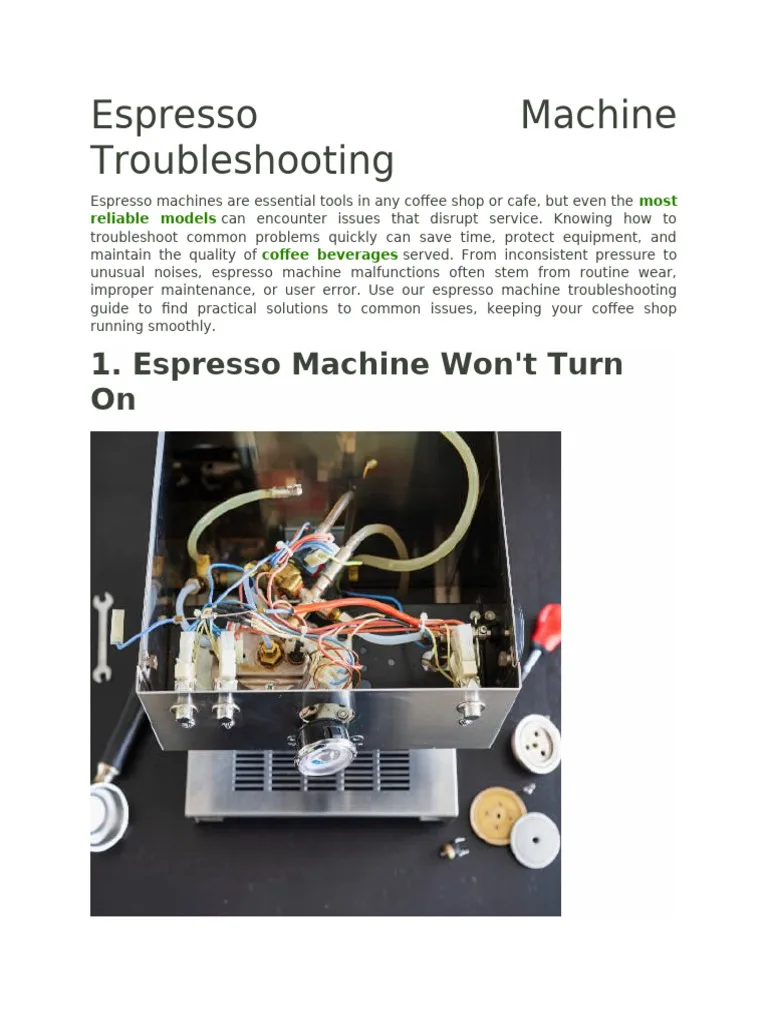
Image source: Bing (Web (fair-use with source credit))
When your espresso machine decides to act up, it can really throw off your morning ritual. Figuring out how to troubleshoot an espresso machine is key to getting back to those perfect shots. This guide walks you through common problems and their solutions, turning frustration into delicious coffee.
We'll break down issues from no water flow to weak espresso, referencing manufacturer specifications where applicable. Understanding these common hiccups means less time waiting and more time enjoying your favorite coffee drinks. Let's get your machine back in top shape.
Espresso Machine Not Working? Let's Pinpoint the Problem
When your espresso machine stops performing as expected, it's easy to panic. But most issues are surprisingly straightforward to diagnose and fix yourself. This section helps you identify the root cause before diving into specific fixes.
Quick Answer: What's Likely Wrong?
Espresso machines malfunction due to issues like blocked water lines, insufficient pump pressure, or incorrect grind settings. If no water flows, check the water tank and pump. Weak espresso often points to grind size, tamping, or temperature problems.
No heat suggests a faulty heating element or thermostat.
Common Espresso Machine Issues & Their Symptoms
Here’s a quick rundown of what you might be experiencing and where to start looking.
- No Water Flow: Machine powers on, but nothing comes out of the group head.
- Weak or Unbalanced Espresso: Shots pull too fast, taste sour, or lack crema.
- Machine Not Heating Up: Indicator lights are on, but the water or steam is cold.
- No Steam or Weak Steam: Steam wand produces little to no steam, or it’s not hot enough.
- Leaking Water: Water appears under the machine or around the group head.
No Water Flow: Is the Tank Empty or Pump Silent?
This is one of the most common and frustrating problems. Your machine lights up, but no liquid emerges from the group head. Before you start disassembling anything, let's check the most obvious culprits.
Water Tank & Pump Check
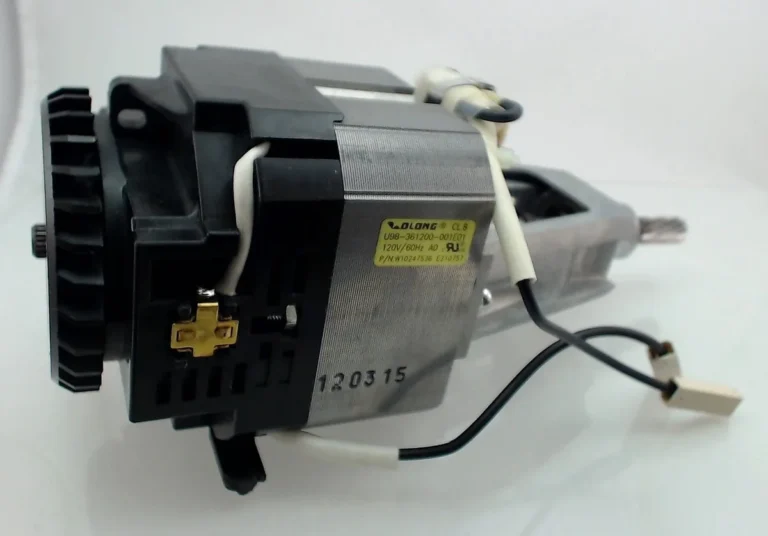
The simplest reason for no water is an empty water tank. Always ensure it's filled to the appropriate level. If the tank is full, the issue might be with the pump, which is responsible for drawing water from the tank and pushing it through the system.
- Check the Water Level: Visually confirm the water tank is filled correctly. Some machines have a sensor, but a manual check is more reliable.
- Secure the Tank: Make sure the water tank is properly seated. A loose tank can prevent water from reaching the pump.
- Listen for the Pump: Turn the machine on and attempt to pull a shot. Do you hear a humming or buzzing sound from the pump?
- If you hear the pump: This suggests the pump is attempting to work. The problem might be a blockage further down the line.
- If you don't hear the pump: The pump itself might be faulty, or there's an electrical issue preventing it from engaging.
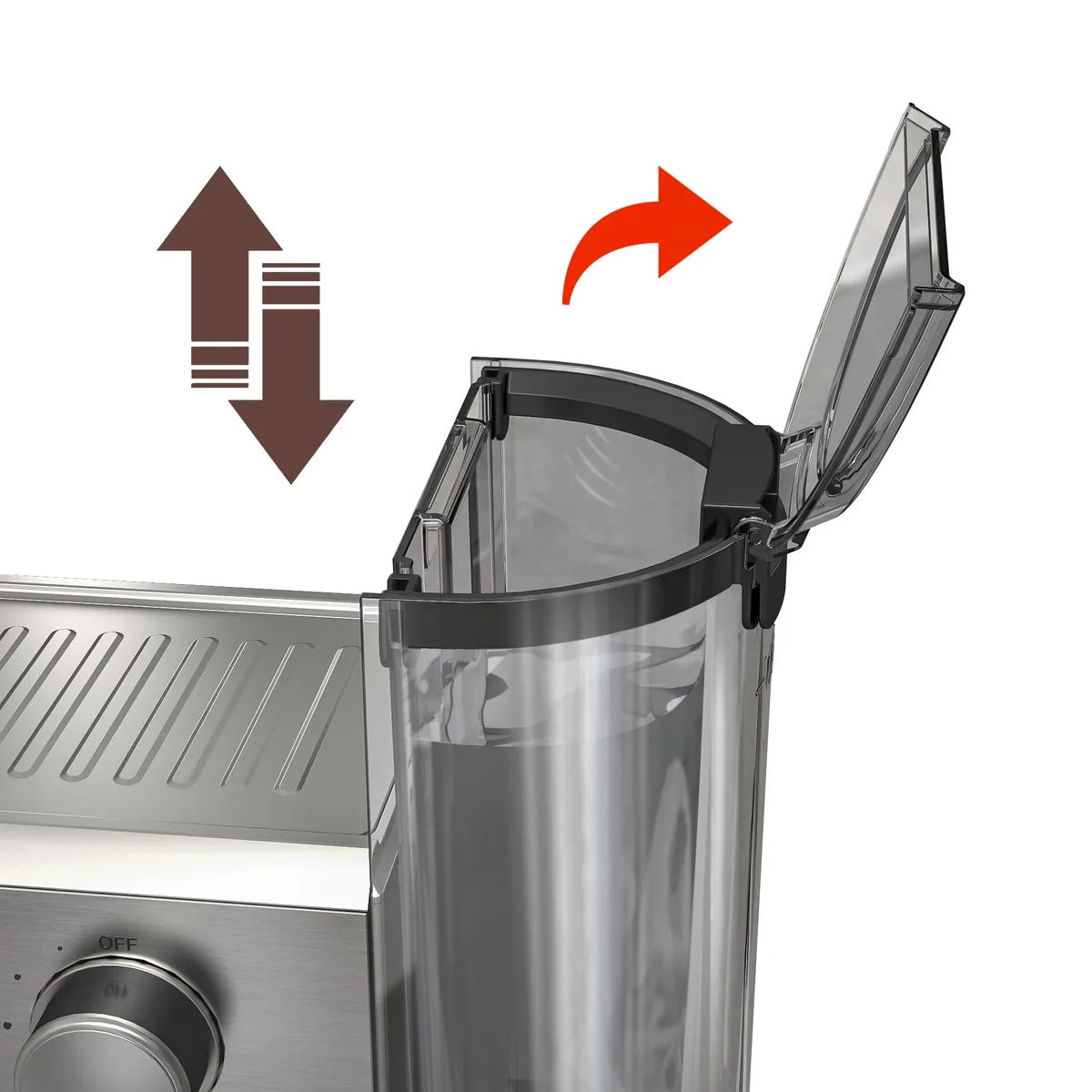
Image source: Bing (Web (fair-use with source credit))
Blocked Water Lines & Group Head
If the pump is running but no water is flowing, a blockage is the likely cause. This can happen in the intake line from the tank, the internal tubing, or critically, the group head. Scale buildup from hard water is a frequent offender here.
- Check the Intake Filter: Some machines have a small filter at the end of the intake tube in the water tank. Ensure this isn't clogged with debris.
- Prime the Pump: For some machines, you might need to "prime" the pump by running water through the steam wand first to clear air from the system. Consult your machine's manual.
- Clean the Group Head: If water is getting to the group head but not through it, the dispersion screen or shower screen might be clogged with coffee grounds. Backflushing, a process of running hot water backward through the group head, is often effective. For stubborn clogs, you might need to manually remove and clean the shower screen. This is a common maintenance task for most espresso machines. You can learn more about machine maintenance to prevent these issues.
Weak or Unbalanced Espresso: The Extraction Isn't Right
You've got water, the machine heats up, but the espresso that comes out is disappointing, thin, watery, and lacking that rich crema. This usually means the extraction process isn't optimized. Extraction is the process where hot water is forced through the coffee grounds to pull out flavor and oils.
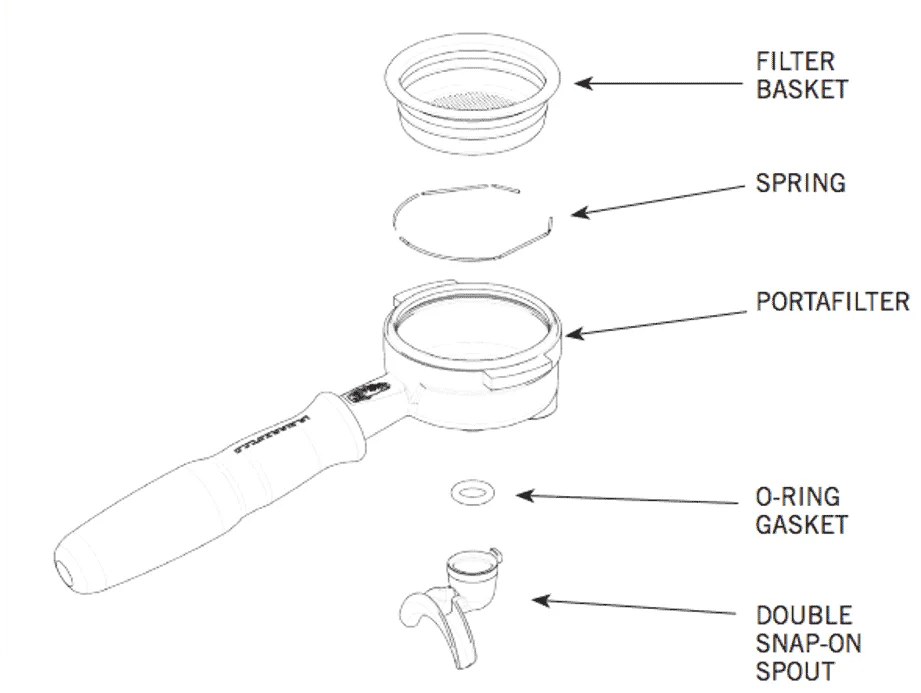
Image source: Bing (Web (fair-use with source credit))
Grind Size & Dose Matters
The two most critical variables for extraction are the grind size of your coffee beans and the dose, which is the amount of coffee grounds you use.
- Grind Size: Your grinder should produce a fine, consistent grind, similar to powdered sugar.
- Too coarse: Water passes through too quickly, resulting in under-extracted, sour espresso.
- Too fine: Water struggles to pass through, leading to over-extracted, bitter espresso.
- Manufacturer specifications for espresso grinding often recommend particle sizes between 0.15 and 0.30 millimeters for optimal flow.
- Dose: The amount of coffee grounds in your portafilter basket also impacts extraction. Too little coffee and the water won't have enough resistance; too much and it can’t flow through properly. A common dose for a double shot is between 14-20 grams, depending on the basket size.
Tamping Technique & Pressure
Once you've dosed the grounds, tamping is crucial. Tamping compacts the coffee grounds into an even, dense puck, creating resistance for the pressurized water.
- Consistency is Key: Aim for a level, even tamp every time. A tilted tamp will cause water to channel down one side, leading to uneven extraction.
- Pressure: While there's no single universal standard, consistent pressure is more important than extreme force. Many baristas aim for around 20-30 pounds of pressure. Using a level tamp surface helps achieve this.
Brew Temperature & Pressure Check
The machine's ability to maintain the correct brew temperature and water pressure is paramount for proper extraction. For espresso, manufacturer specifications typically call for a brew temperature between 195°F and 205°F (90°C and 96°C) and a pressure of around 9 bars.
- Temperature Issues: If your machine isn't heating properly, the water might be too cool, leading to sour, under-extracted coffee. Conversely, water that's too hot can scorch the grounds, resulting in bitterness. If your machine has a PID controller, it helps maintain a stable temperature, but its settings can sometimes drift.
- Pressure Problems: A weak pump or a malfunctioning pressure release valve can result in insufficient pressure. This will lead to rapid shots and a lack of crema. If you suspect pressure issues, consult your machine's manual or a service technician. If your espresso machine has basic functionality issues, you might find our guide on how to fix a coffee maker helpful.
Machine Not Heating Up: Boiler or Thermoblock Troubles
The silence of a cold machine when you expect hot coffee is a common heartbreak. If your espresso machine powers on but the water and steam remain cold, the heating system is likely at fault. This is a more technical issue, often related to the boiler or thermoblock, which are the components responsible for heating the water.
Power and Heating Element Checks
First, double-check the power source. Ensure the machine is plugged into a working outlet and that no circuit breakers have tripped. Sometimes, a machine might appear to be on, but the heating element isn't engaging.
- Indicator Lights: Verify that the power and heating indicator lights are on. If they are off, the issue could be a faulty power cord or an internal connection.
- Heating Element: The heating element is the core component that generates heat. If it fails, the machine won't get hot. This component is usually integrated into the boiler or thermoblock. Replacing it can be complex and often requires professional service.
Thermostat and PID Controller
Your espresso machine relies on a thermostat or a more advanced PID controller to regulate and maintain the correct water temperature. If these components malfunction, they can prevent the heating element from activating or cause it to overheat and shut off.
- Thermostat: A basic thermostat acts as an on/off switch based on temperature. If it fails, it might not signal the heating element to turn on when the water is cold.
- PID Controller: A PID (Proportional-Integral-Derivative) controller is a sophisticated system that constantly monitors and adjusts the temperature for greater accuracy. If the PID unit itself has an error or its sensor is faulty, it can incorrectly report the temperature, leading the machine to believe it’s already at the set temperature, even when it’s cold. You can sometimes find error codes displayed by the PID controller that can help diagnose the issue.
No Steam or Weak Steam: Wand and Boiler Pressure
Making steamed milk for lattes and cappuccinos is a highlight for many espresso machine users. When the steam wand fails to produce adequate steam, it's a significant disappointment. This problem is almost always related to either the steam system's ability to generate enough heat and pressure or a blockage preventing that steam from reaching the wand.
- Steam Generation: For machines with a single boiler, the machine typically heats water to boiling point to produce steam. Dual boiler machines have separate boilers for brewing and steaming, offering more immediate steam.
- Pressure Issues: Insufficient steam can mean the boiler isn't reaching the required temperature or pressure. Manufacturer specifications often state that steam pressure should be around 1 to 1.5 bars for effective milk texturing.
Steam Wand Clog
The most common culprit for poor steam performance is a clogged steam wand. Small droplets of milk can dry inside the wand's tip, creating a blockage that restricts steam flow.
- Tip Cleaning: Regularly clean the steam wand immediately after each use. Wipe it down with a damp cloth and then purge it by briefly turning on the steam to clear any milk residue.
- Deep Cleaning: If purging and wiping don't resolve it, the small holes in the steam wand tip might be blocked. Many steam wand tips can be unscrewed and soaked in hot water or a descaling solution to dissolve any buildup.
Boiler Pressure and Valve Issues
If the steam wand itself is clear, the problem lies deeper within the machine.
- Low Boiler Temperature: The machine may not be reaching the necessary temperature to produce steam. This could be an issue with the heating element or the thermostat/PID controller, as discussed in the "Machine Not Heating Up" section.
- Faulty Pressure Valve: Steam systems operate under pressure. If a pressure release valve is stuck open or malfunctioning, it might be venting steam before it can build up enough pressure to be useful.
- Air in the System: Sometimes, air can get trapped in the steam circuit, similar to the water flow issue. Running the steam wand for an extended period (after ensuring the water tank is full) can sometimes purge this air.
If you're dealing with leaks specifically, our guide on how to fix a coffee maker leaking water might offer some parallel solutions.
Other Frustrations: Leaks, Noise, and More
Sometimes, the problems aren't as clear-cut as a lack of water or heat. You might encounter drips, strange noises, or other quirks that disrupt your espresso-making routine. Identifying the source of these less common issues is key to getting your machine back to smooth operation.
Identifying and Fixing Leaks
Leaks are a common annoyance. They can occur from the water tank, the group head, the steam wand, or even the internal plumbing.
- Water Tank Leaks: Ensure the tank is properly seated and that there are no cracks or damage to the tank itself. Check the gasket where the tank connects to the machine for any debris or wear.
- Group Head Leaks: A leak around the group head, especially when brewing, often points to a worn-out gasket (also called an O-ring). This rubber seal creates a watertight connection between the portafilter and the group head. Over time, it can harden or degrade, losing its sealing ability. Replacing this is a common and relatively simple repair.
- Steam Wand Leaks: Leaks from the base of the steam wand might indicate a problem with the valve assembly behind it.
- Internal Leaks: If you notice water pooling beneath the machine, it could be an internal plumbing issue, such as a loose hose connection or a cracked internal component. For internal leaks, it’s often best to consult your machine’s manual or seek professional assistance.
Tackling Unusual Noises
A healthy espresso machine makes certain predictable sounds: the pump whirring, the grinder (if integrated) humming, and steam hissing. Anything outside of this can be a cause for concern.
- Loud Grinding or Screeching: If your machine has an integrated grinder, loud noises might indicate a foreign object stuck in the grinder burrs or a worn-out motor. For external grinders, similar issues apply.
- Excessive Pumping Noise: While pumps make noise, a sudden increase in volume or a rattling sound could mean the pump is struggling, possibly due to a blockage or nearing the end of its lifespan. Ensure the water tank is full, as an air-filled pump will be very noisy.
- Hissing or Gurgling: Unexpected hissing or gurgling during brewing or steaming could point to air in the system or a pressure valve issue. Purging the system with water or steam, as mentioned earlier, can sometimes resolve this.
- Knocking: A persistent knocking sound might indicate vibrations that aren't properly dampened, or potentially, the pump is not securely mounted.
When to Call in the Pros: Beyond DIY Fixes
While many espresso machine problems can be resolved with a bit of troubleshooting, some issues go beyond simple fixes. Knowing when to stop and seek professional help is crucial to avoid causing further damage or risking injury.
- Electrical Faults: If you suspect an electrical issue beyond a simple power cord problem, like sparking, burning smells, or complete power failure, do not attempt to repair it yourself. Electrical components can be dangerous if handled improperly.
- Major Component Failure: Problems with the boiler, thermoblock, or the main pump often require specialized knowledge and tools to diagnose and replace. While some DIYers tackle these, it’s often best left to experienced technicians.
- Persistent Leaks: If you've tried simple fixes like reseating the water tank or checking the group head gasket, and leaks persist, there may be a more complex internal issue. This could involve cracked internal plumbing or a faulty valve.
- Lack of Specific Parts: If your troubleshooting points to a specific faulty part, but you can’t find a replacement or aren't comfortable with the replacement process, professional service is advisable.
- Safety Concerns: Any situation that makes you feel unsafe, or involves components you're unfamiliar with, is a clear sign to stop and call a professional. This is especially true with high-pressure steam and hot water systems. Manufacturer specifications and guidelines are always the first point of reference for safe operation, but complex repairs often require expert insight.
Frequently Asked Questions About Espresso Machine Troubleshooting
How often should I descale my espresso machine?
Descaling frequency depends heavily on your water hardness and how often you use your machine. As a general guideline, aim to descale every 2-3 months for moderate use with average water. If you have very hard water, you might need to descale monthly.
Always follow your manufacturer's recommendations.
Why is my espresso tasting bitter?
Bitter espresso is usually a sign of over-extraction. This can happen if your grind is too fine, your brew temperature is too high, or the coffee is in contact with water for too long. Try a coarser grind, slightly lower the brew temperature if possible, or shorten the shot time.
What causes channeling in espresso?
Channeling occurs when water finds an easier path through the coffee puck, leading to uneven extraction. This is often caused by an uneven tamp, inconsistent grind size, or insufficient tamping pressure. Ensure your coffee bed is distributed evenly before tamping.
Is it normal for my espresso machine to make noise?
Espresso machines naturally make operational noises. You'll hear the pump, sometimes the grinder, and steam hissing. However, excessively loud grinding, rattling from the pump, or strange knocking sounds can indicate an issue that needs attention.
Can I use tap water in my espresso machine?
While some machines can handle tap water, it’s generally not recommended, especially in areas with hard water. Minerals in tap water can build up over time, leading to scale that clogs internal components and affects performance. Using filtered or distilled water is usually best.
Espresso Machine Parts: What You Need to Know
Understanding the basic components of your espresso machine can demystify many troubleshooting steps. Knowing what each part does helps you identify where a problem might be originating.
- Water Tank: Holds the water for brewing and steaming. Ensure it's clean and properly seated.
- Pump: Creates the pressure (typically around 9 bars) needed to force water through the coffee grounds. If it's not running or sounds weak, this is a prime suspect for flow issues.
- Boiler/Thermoblock: Heats the water to brewing and steaming temperatures. Issues here cause no heat or inconsistent temperatures.
- Group Head: The part where the portafilter attaches and water is dispensed. It can get clogged with coffee grounds and scale.
- Portafilter: The handle with the filter basket that holds the coffee grounds. Needs to seal tightly for proper pressure.
- Steam Wand: Used to froth milk. Blockages or pressure issues affect its performance.
- Drip Tray: Collects excess water and coffee. Needs regular emptying to prevent overflow.
How to Clean Your Espresso Machine for Better Performance
Regular cleaning is the best form of troubleshooting, preventing many common problems before they start. Keeping your machine clean ensures consistent quality and extends its lifespan.
Daily Cleaning Routine
- Flush the Group Head: After each shot, run water through the group head to clear stray grounds.
- Wipe the Steam Wand: Immediately after steaming milk, wipe the wand with a damp cloth and purge steam for a few seconds.
- Empty the Drip Tray: Don't let the drip tray overflow.
- Clean the Portafilter: Rinse and wipe the portafilter after use.
Periodic Deep Cleaning
- Backflushing: Use a blind basket and a cleaning solution (follow manufacturer's advice) to clean the group head and internal pathways. This helps remove coffee oils.
- Descaling: This process removes mineral buildup from hard water. It’s critical for maintaining proper water flow and heating efficiency. You can use commercial descaling solutions or a vinegar-water mix for some machines, but always check your manual. If your machine has specific instructions for how to descale a coffee maker, follow those carefully.
- Cleaning the Water Reservoir: Periodically scrub the water tank to prevent algae and bacterial growth.
Espresso vs. Drip Coffee: Understanding the Difference
While both brew coffee, espresso machines and drip coffee makers operate on vastly different principles, which impacts troubleshooting. Understanding these differences can help pinpoint issues specific to your machine type.
Espresso Machine Workflow
- Process: Uses high pressure (around 9 bars) to force hot water through finely ground, compacted coffee.
- Result: Produces a concentrated, intense shot with rich crema.
- Troubleshooting Focus: Pressure, grind size, dose, tamping, temperature stability, and steam power.
Drip Coffee Maker Workflow
- Process: Uses gravity to allow hot water to slowly drip through medium-ground coffee in a filter basket.
- Result: Produces a larger volume of less concentrated coffee.
- Troubleshooting Focus: Water flow, heating element function, filter clogging, and general cleanliness.
If you're looking to make a larger batch of coffee and your espresso machine is acting up, you might consider simpler methods like a French press or exploring how to make cold brew coffee.