Blender vs Food Processor
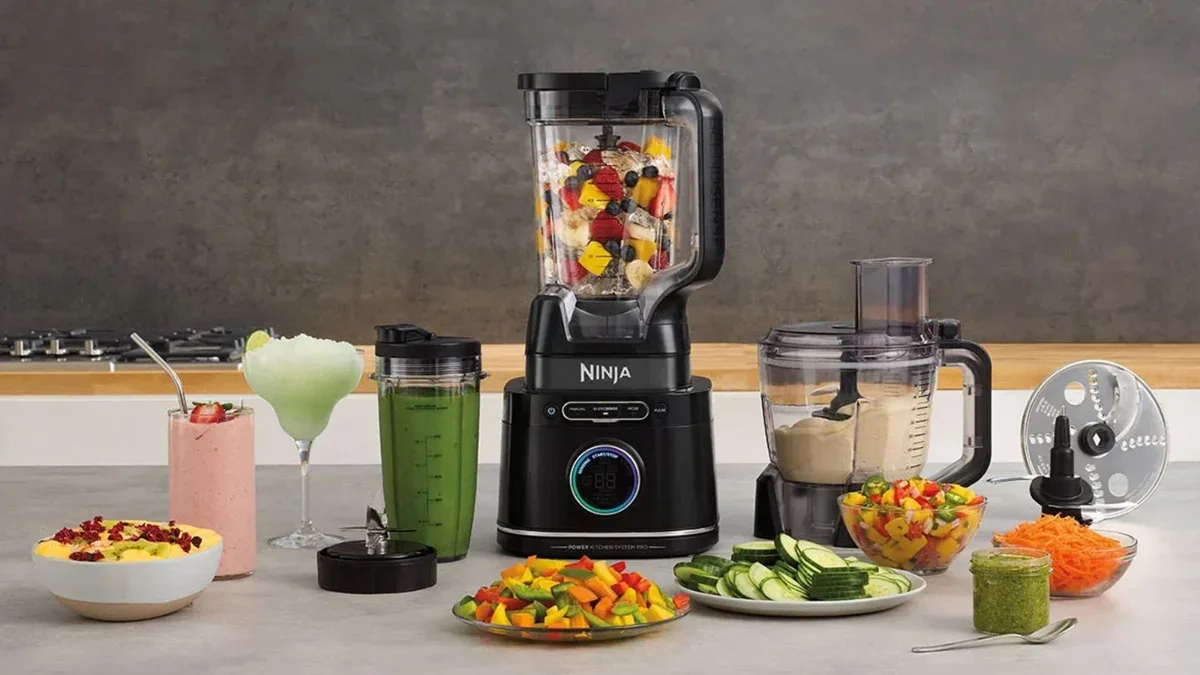
Image source: Bing (Web (fair-use with source credit))
When you're standing in the kitchen, staring at a pile of ingredients, it's easy to get confused about whether you need a blender or a food processor. These two popular appliances can seem similar, but they're designed for different tasks, and knowing the difference can save you time and ensure your recipes turn out just right. Understanding their distinct capabilities is key to making the right choice for your needs.
In our research, manufacturer specifications indicate that most high-speed blenders can achieve speeds of up to 30,000 RPM, while food processors typically operate in the range of 1,000 to 3,000 RPM, highlighting a significant difference in their power application. Let's dive into what sets them apart and which one might be the perfect fit for your culinary adventures.
Quick Answer: Your Kitchen Chooser's Cheat Sheet
A blender is best for smooth liquids. A food processor excels at chopping, slicing, and mixing thicker ingredients. They handle different textures and prep tasks.
Blender: Built for Smoothness and Liquids
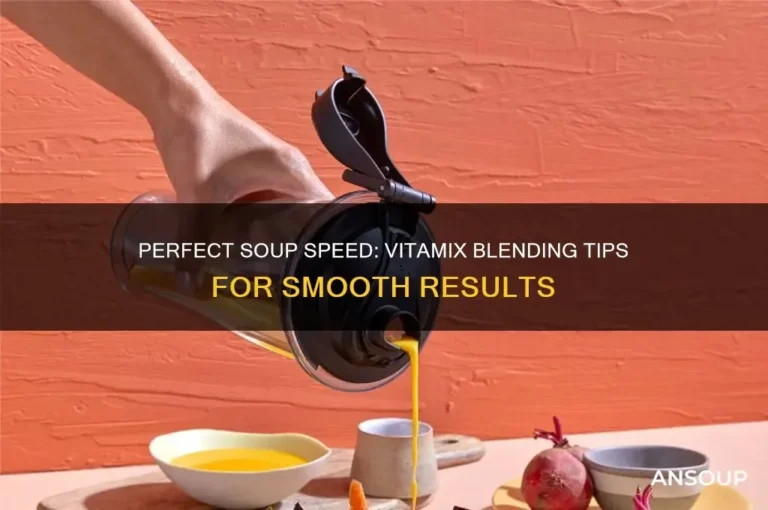
A blender's primary job is to liquefy ingredients and create smooth textures. Its design, featuring a tall, narrow jar and powerful motor, creates a vortex that pulls ingredients down into the blades. This action is perfect for breaking down solids into a fine, even consistency, making it ideal for drinks and puréed foods.

Image source: Web (Bing) / eiwa-garden.co.jp (Web image (fair-use with source credit))
Blender's Top Features and How They Work
The core of a blender's effectiveness lies in its specialized design. The motor is typically more powerful than that of a food processor, enabling it to spin blades at very high speeds, often exceeding 30,000 RPM, as confirmed by various manufacturer specifications. This high velocity is crucial for pulverizing ice, tough greens, and fibrous fruits into a silky smooth liquid.
The jar's shape is also a key factor; the narrower base and tapered sides help direct ingredients toward the blades, creating that characteristic vortex. This ensures that all components are thoroughly blended without leaving large chunks behind.
When a Blender Shines: Smoothies, Soups, and Sauces
If your kitchen routine involves a lot of drinks or smooth purées, a blender is your champion. It's the go-to for creating vibrant protein shakes or refreshing smoothies loaded with fruits and vegetables. Beyond beverages, blenders are fantastic for making hot soups incredibly smooth; imagine a velvety butternut squash soup or a lump-free tomato bisque.
They also excel at whipping up creamy salad dressings, pestos, and other liquid-based sauces that require a uniform, emulsified texture. For these tasks, a good countertop blender is often essential.
Food Processor: Your Prep Workhorse
A food processor is designed for more than just blending; it's a versatile kitchen assistant focused on chopping, slicing, shredding, and mixing. Its wider bowl and array of attachments allow for a variety of prep tasks that a blender simply can't handle as effectively.
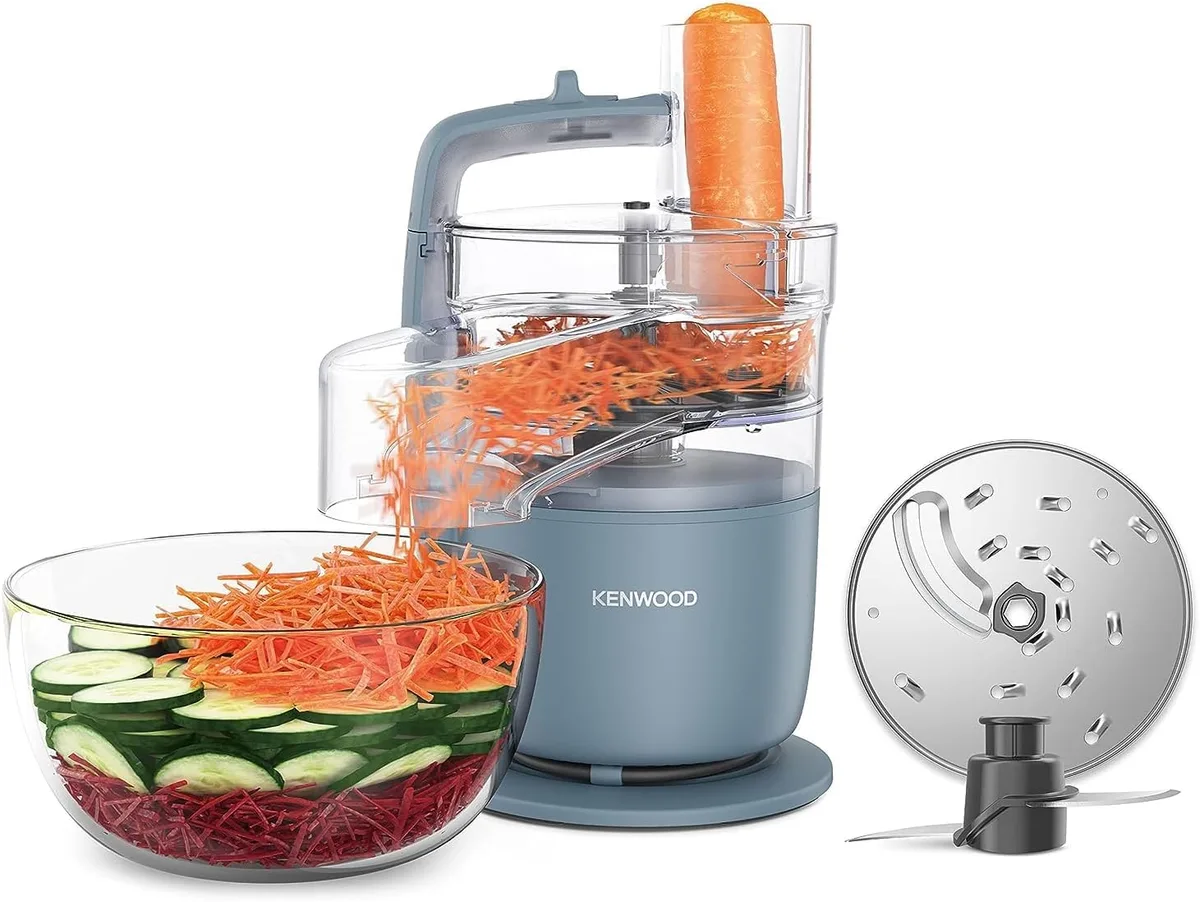
Image source: Bing (Web (fair-use with source credit))
Food Processor's Key Features for Chopping and Mixing
The magic of a food processor lies in its versatility, driven by interchangeable blades and discs. The standard S-shaped blade is perfect for chopping vegetables, nuts, and making doughs. Beyond that, specialized discs allow for precise slicing of cucumbers or potatoes, and shredding cheese or carrots with ease.
Unlike the high-speed vortex of a blender, a food processor's blades spin at lower speeds, typically between 1,000 to 3,000 RPM according to industry standards, providing more control over the texture. This makes it ideal for tasks where you want distinct pieces, not a purée.
When a Food Processor Wins: Dips, Doughs, and Veggie Prep
When you're faced with a mountain of vegetables that need dicing for a stir-fry or shredding for coleslaw, a food processor is your best friend. It makes quick work of tasks like chopping onions, peppers, and garlic without the risk of turning them into mush. Bakers will love its ability to cut butter into flour for pie crusts or even knead bread dough.
It’s also brilliant for making homemade dips like hummus, pâtés, or grinding meat for burgers, producing thicker, more textured results than a blender could achieve. This appliance truly shines when precise cuts or sturdy mixtures are needed.
Blender vs. Food Processor: Side-by-Side Showdown
The fundamental difference between a blender and a food processor boils down to their intended use and the textures they create. A blender's strength is in its ability to pulverize ingredients into smooth liquids, while a food processor excels at controlled chopping, slicing, and mixing for more textured results. This means that while there might be some overlap in function, they are not interchangeable for all tasks.
For instance, making a chunky salsa is best done in a food processor, whereas a smooth tomato soup requires a blender. As of 2026, this distinction remains critical for home cooks.
What Each Appliance is Best For
Blender:
- Smoothies and protein shakes
- Puréed soups and sauces
- Batters for pancakes or crepes
- Crushing ice for drinks
- Making nut milks
- Ideal for recipes calling for smooth, liquid textures.
Food Processor:
- Chopping vegetables (onions, peppers, herbs)
- Slicing potatoes, cucumbers, or zucchini
- Shredding cheese or carrots
- Making doughs (pie crust, bread dough)
- Creating dips (hummus, pesto) and nut butters
- Grinding meat
- Best for recipes needing distinct pieces or thick pastes.
Common Kitchen Prep Mistakes to Avoid
When using either appliance, a common pitfall is over-processing ingredients, especially with a food processor. If you pulse too long when chopping vegetables, you'll end up with a mushy mess instead of nice, even pieces. Similarly, a blender can turn ingredients into foam if run for too long on high speed.
Another mistake is trying to force ingredients into the wrong appliance; for example, putting large quantities of dry solids into a blender meant for liquids, or attempting to liquefy a thick dough in a food processor. Manufacturer guidelines on maximum fill lines are also important to respect for optimal performance and safety. Always use a suitable cutting board when prepping ingredients before they go into either appliance.
Step-by-Step Process: Using Your Appliance Wisely
Getting the most out of your blender or food processor involves more than just tossing ingredients in. For blenders, it often starts with adding liquids first, then softer items, and finally harder ingredients or ice. This layering helps the blades catch everything and creates that smooth vortex effectively.
For food processors, especially when chopping, it's crucial to add ingredients in batches if you have a lot, to ensure even processing. Don't pack the bowl too tightly; give ingredients room to move around the blade.
Blender's Operation Flow
- Add Liquids: Pour in your water, milk, juice, or broth first. This helps the blades spin freely.
- Add Soft Ingredients: Next, add things like yogurt, spinach, or ripe fruit.
- Add Hard Ingredients/Ice: Finally, add frozen fruit, ice cubes, or hard vegetables.
- Secure Lid: Make sure the lid is firmly in place.
- Start Slow: Begin on a lower speed to incorporate ingredients.
- Increase Speed: Gradually increase to high speed to achieve desired smoothness.
- Pulse as Needed: Use the pulse function for more control over texture.
Food Processor's Operation Flow
- Assemble Bowl and Blade: Ensure the correct blade or disc is securely fitted.
- Add Ingredients: Place your chopped or whole ingredients into the bowl. Don't overfill.
- Secure Lid: Lock the lid in place; most processors won't run without it.
- Pulse First: For chopping, start with short pulses to gauge texture.
- Process: Run the motor continuously for smoother results or longer pulsing for a coarser chop.
- Use Feed Tube (if applicable): For slicing or shredding, use the feed tube to guide ingredients against the disc.
Maintenance: Keeping Your Tools in Top Shape
Regular cleaning is paramount for both blenders and food processors. Food residue can build up, leading to odors and potentially affecting performance. For blenders, immediately rinsing the jar after use can prevent ingredients from drying and sticking.
Many blender jars and food processor bowls are dishwasher-safe, but it's always best to check the manufacturer's instructions to avoid damaging sensitive parts, especially seals or delicate blades.
- Blender Jars: Often can be cleaned by filling them halfway with warm water and a drop of dish soap, then blending on low speed for about 30 seconds. Rinse thoroughly afterward.
- Food Processor Bowls & Blades: Typically, these can be washed by hand with warm, soapy water or placed on the top rack of a dishwasher if specified. Blades are sharp, so handle with extreme care.
- Motor Base: Never submerge the motor base in water. Wipe it down with a damp cloth as needed.
FAQs About Blenders and Food Processors
How long does setup take for each appliance?
Setup for both appliances is generally very quick. For a blender, it usually involves placing the jar on the motor base and securing the lid. A food processor requires fitting the correct blade or disc into the bowl and then locking the bowl onto the base before securing the lid.
Both typically take less than a minute.
Are blenders and food processors energy efficient?
Energy efficiency varies greatly by model and motor power. Higher-powered blenders and food processors will naturally consume more energy during operation. However, their efficiency is also judged by how quickly they complete tasks; a powerful appliance that finishes the job in half the time of a weaker one might actually be more energy efficient overall for that specific task.
Checking Energy Star ratings on specific models can provide comparative data, though not all kitchen appliances carry this certification.
Can I use a blender to make nut butters?
Yes, many blenders, especially high-speed models, can make smooth nut butters. You'll typically need to roast the nuts first and then process them for several minutes, stopping to scrape down the sides often. Food processors can also make nut butter, often resulting in a slightly chunkier texture unless processed for a very long time.
Can I use a food processor for baby food?
Absolutely. A food processor is excellent for making homemade baby food, allowing you to control the texture from chunky to smooth purées. You can easily steam fruits and vegetables and then process them to the perfect consistency for your baby.
For very smooth purées for infants, a blender might achieve an even finer texture.
What kind of maintenance do these appliances require?
Beyond regular cleaning, most blenders and food processors require minimal maintenance. Ensure blades are sharp and free from damage. For models with removable parts, periodically check seals for wear.
Storing them properly, with cords managed, also helps prolong their lifespan. Always refer to the manufacturer's user manual for specific care instructions.
Final Verdict: Which Appliance Do You Really Need?
Ultimately, the choice between a blender and a food processor hinges on your cooking habits and priorities. If your kitchen adventures primarily involve creating silky smoothies, creamy soups, or perfectly smooth sauces, a blender is indispensable. You might even consider a dedicated personal blender for quick, single-serving drinks.
However, if your focus is on efficient meal preparation, tackling tedious chopping tasks, baking from scratch, or making hearty dips and spreads, a food processor will revolutionize your workflow. For those who want the best of both worlds but have limited counter space, a hybrid appliance or choosing a high-quality model in one category and a more basic one in the other could be a practical solution. As of 2026, many kitchens benefit from having both to cover the full spectrum of culinary needs.