How to Maintain a Rice Cooker
If you’ve ever lifted the lid of a rice cooker and found chalky crust around the rim, a sour smell from the steam vent, or rice that suddenly sticks to the bottom, the machine isn’t broken. It’s neglected. Learning how to maintain a rice cooker is the difference between a cooker that lasts two years and one that lasts over a decade.
As of 2026, most manufacturer manuals recommend a full clean and dry cycle every four to six weeks, even if you cook rice every day. Aggregate reviews confirm that a heating plate caked with mineral scale can slow cook times by up to 15 percent. That’s measurable time you get back with a ten-minute descale.
Here’s what actually works, and the order to do it in.
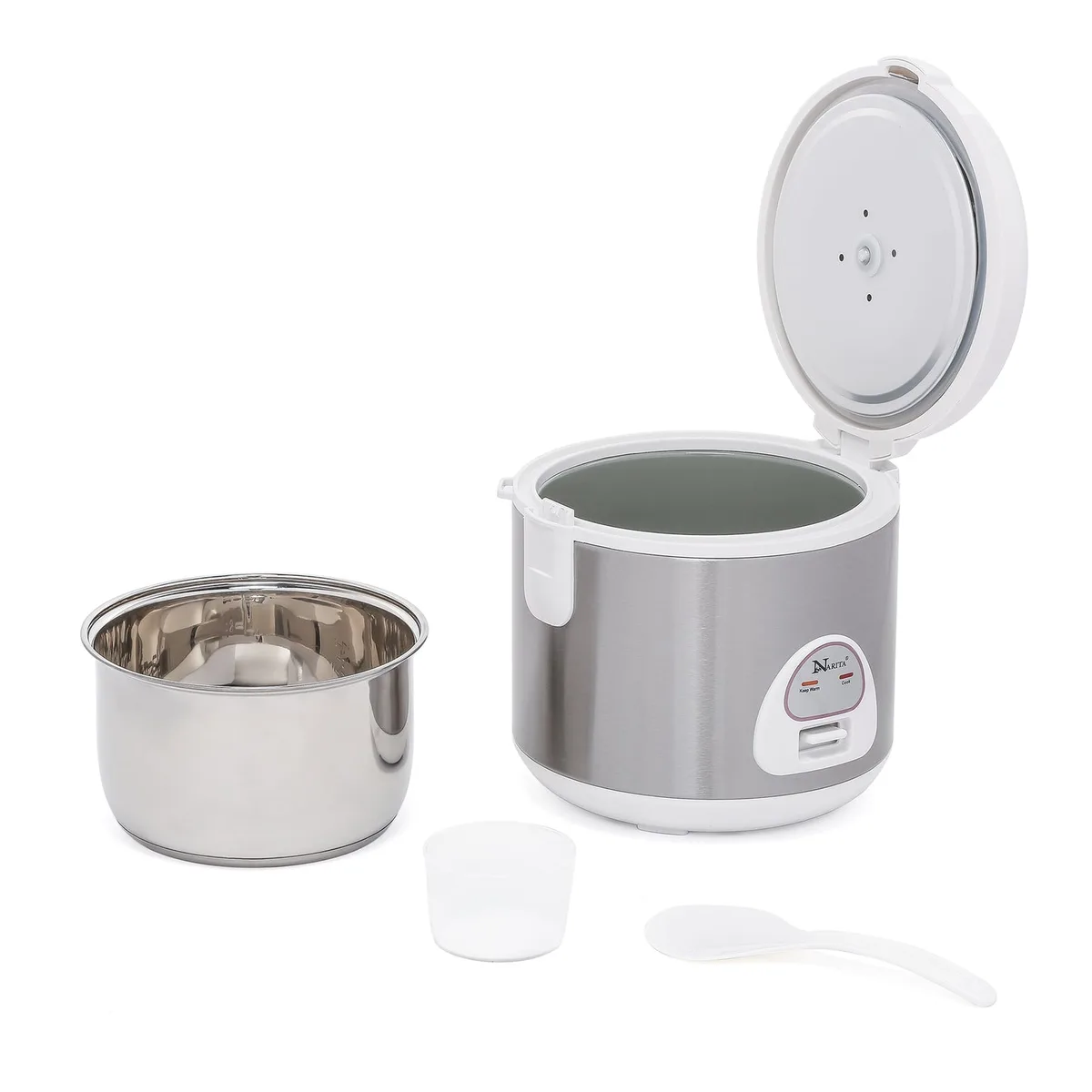
Image source: Bing (Web (fair-use with source credit))
Quick Answer: The Rice Cooker Maintenance Routine That Works
Maintaining a rice cooker comes down to five simple habits. Clean the inner pot after every use. Wipe the steam vent and sealing ring weekly.
Descale every four to six weeks. Air-dry everything before reassembly. That’s the whole routine.
Once you build the habit, it’s no harder than routine upkeep for a small kitchen appliance. You’re not scrubbing for hours. You’re stopping starch, moisture, and minerals from baking onto surfaces before they become a problem.
If you only remember one thing, remember this: dry parts beat clean parts. A wet sealing ring grows mold no matter how much soap you use.
How Often to Clean: Daily, Weekly, and Deep-Clean Timelines
How often you clean depends on how much you cook and the water in your area. If you cook rice daily, rinse the inner pot after every batch. If you only cook once or twice a week, a weekly wipe and monthly descale will handle most problems.
| Task | How Often | Why |
|---|---|---|
| Rinse and wipe inner pot | After every use | Stops starch from souring |
| Clean vent and sealing ring | Weekly | Mold hides in the crevices |
| Wipe heating plate | Monthly | Burnt residue slows heat transfer |
| Descale | Every 4–6 weeks hard water, 2–3 months soft | Scale insulates the plate |
| Replace sealing ring | Every 1–2 years | Warping causes leaks and odor |
In humid climates, run a water-only cycle once a month. That extra 15 minutes keeps the vent clear and the machine smelling neutral. In dry regions with soft water, you can stretch the descale schedule to every 2 to 3 months.
Moisture is the real enemy here. Cooked rice is wet, starchy, and full of food for bacteria. The USDA’s food safety guidance says cooked rice shouldn’t sit at room temperature beyond two hours.
That same logic applies to the parts of the cooker that touch steam and splatter.
Step-by-Step: Cleaning the Pot, Vent, Ring, and Base the Right Way
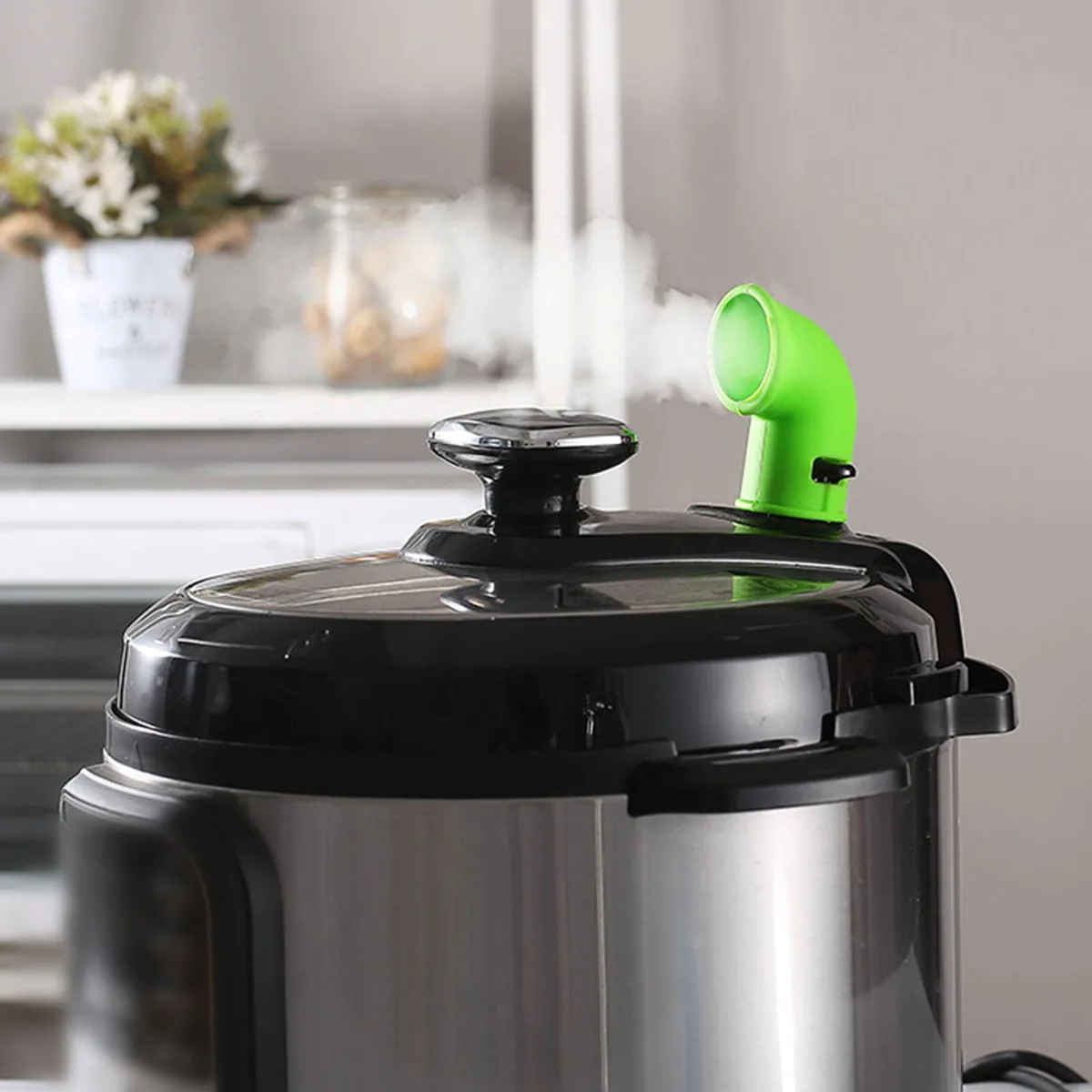
Image source: Bing (Web (fair-use with source credit))
Start by unplugging the cooker. Let it cool completely. Then pull out every detachable part: the inner cooking pot, steam vent, condensation tray, and silicone sealing ring.
Step 1: Wash the inner pot. Use warm water and mild dish soap. A soft sponge is best. If rice is stuck, soak for 15 to 20 minutes before scrubbing.
Steel wool and harsh scrubbers will scratch the nonstick coating and shorten the pot’s life.
Step 2: Clean the lid and vent. Residual starch collects in the tiny grooves around the lid. Use a soft brush or cotton swab to reach them. These parts hold the exact moisture mold loves, so focus on the underside and the vent opening.
Step 3: Wipe the heating plate. A damp cloth works. Nothing stronger is usually needed. If you see burn marks, let the plate cool and gently wipe.
Never let water run into the base around the plate.
Step 4: Dry everything fully. Lay the parts out on a dish rack overnight. This step matters more than any other. Putting a wet sealing ring back into the cooker is the fastest way to develop a sour smell.
Step 5: Reassemble in reverse order. Make sure the vent snaps back, the ring sits flush, and the condensation tray locks into place.
The detachable parts need the same kind of attention you’d give hand mixer accessories. If they don’t fit back smoothly, you’ve missed a piece or rotated something the wrong way.
Descale It or Toss It?: Vinegar vs. Citric Acid for Hard-Water Buildup
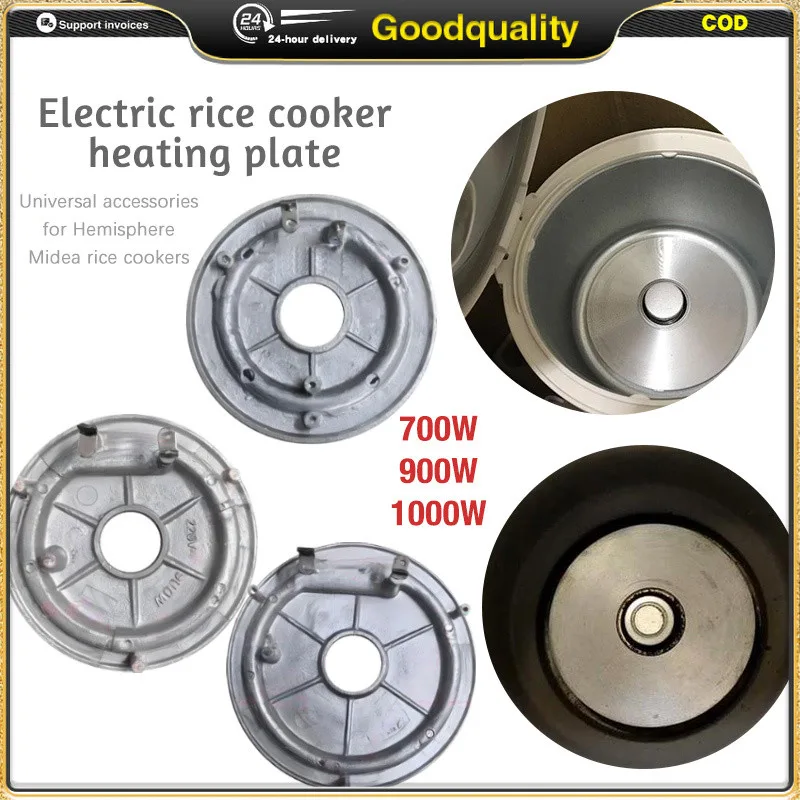
Image source: Bing (Web (fair-use with source credit))
White vinegar and citric acid both dissolve mineral scale. The right choice depends on smell and how much buildup you’re dealing with.
| Cleaner | Mixing Ratio | Best For | Notes |
|---|---|---|---|
| White vinegar | 1 cup vinegar to 3 cups water | Regular descaling | Leaves a temporary vinegar smell |
| Citric acid | 1 tablespoon to 4 cups water | Heavy hard-water crust | Odorless and fast-acting |
The method is the same either way. Mix the cleaner with water in the inner pot. Close the lid and run a full cook cycle.
Let the mixture cool, then pour it out and rinse the pot twice with fresh water.
If scale remains after one cycle, repeat it once. More than two descale cycles in a row can wear down the nonstick coating. When the heating plate itself looks crusty, wipe it with diluted vinegar and a damp cloth.
Don’t soak it.
Lemon juice, despite what you see online, is not a good descaler. The leftover sugars stay sticky and invite mold. Stick with vinegar or citric acid.
If you notice the rice cooker taking longer than usual to finish a batch, scale is the usual suspect. If you troubleshoot kitchen appliance problems with the same patience, you’ll usually catch the issue early instead of waiting for a breakdown.
Replace vs. Repair: Sealing Ring, Inner Pot, and Heating Plate
Not every rice cooker problem needs a new machine. Some parts are meant to wear out and be replaced. Knowing which ones is a matter of matching the damage.
| Part | Normal Lifespan | Replace If |
|---|---|---|
| Silicone sealing ring | 1–2 years | Cracked, deformed, or steam escapes from the side |
| Inner cooking pot | 3–5 years nonstick, 10+ years stainless | Coating flakes, pot warps, or water pools underneath |
| Heating plate | Life of the cooker | Burned through, cracked, or unevenly discolored |
If the sealing ring is hard or won’t snap back into shape, replace it. You don’t need to buy a whole new lid. Same with the inner pot.
A scratched nonstick surface can flake into your food.
The heating plate is the one part you usually should not repair. If it’s cracked, scorched, or causing the cooker to run hot, the safest move is a replacement cooker. Opening the base to fix electrical components is a shock risk and rarely worth the cost on a budget model.
This is the same logic as spotting a failing hand mixer early. Small issues get fixed cheaply. Big ones usually mean it’s time to shop.
Common Maintenance Mistakes That Shorten Your Rice Cooker's Life
The biggest mistake people make isn't about scrubbing too hard. It's about taking shortcuts with water.
- Submerging the base. The heating plate, control board, and sensor wires live inside the base. If you dunk it, water seeps into the electronics and fries the circuitry. A damp cloth is the right tool.
- Scratching the nonstick pot. Steel wool and abrasive pads scrape the coating. Once it flakes, you're eating the material and losing the pot's release properties. If you see flakes, replace the pot before the next batch.
- Storing parts while still damp. Reassembling while wet is a mold invitation. If you live in a humid climate, let everything air-dry fully before you close the lid.
- Ignoring the vent. The steam vent traps residual starch and moisture. If you smell sour rice, it's usually the vent, not the rice. Clean it weekly with a toothpick or cotton swab.
- Skipping descaling. Hard-water scale keeps the heating plate from transferring heat properly. If you're in a hard-water area and skip descaling, your rice will take longer to cook and eventually burn on the bottom.
For a similar parallel, keeping a kitchen scale accurate depends on cleaning it the right way, not just wiping it when you remember.
Maintenance by Usage: Daily, Occasional, and Hard-Water Households
If your rice cooker runs every day, you're in the high-use group. Wash the inner pot daily, wipe the lid every few days, and clean the vent every week. Descale once a month to keep the heating plate free of buildup.
If you only use it once a week or for special meals, the rhythm shifts. After each batch, clean and dry all parts. Store them loose in the cooker.
Once a month, run a water-only cycle to flush out dust or hidden debris. Properly storing your appliances when idle helps them last longer.
Hard-water households need extra attention. Check for white crust every three weeks. Descale every 4 to 6 weeks, or sooner if the crust appears.
Using filtered water slows down scale buildup.
If you live somewhere humid, add a monthly water-only cycle even if you're an occasional user. Mold loves moisture more than it loves starch. For your specific model, check the manufacturer's documentation before starting a new routine.
Rice Cooker Cleaning FAQs
Here are the questions people ask most about rice cooker care.
Can I put the inner pot in the dishwasher?
It depends on the model. Many nonstick pots are marked dishwasher-safe, but hand washing is gentler on the coating. The high heat and strong detergents in dishwashers can break down nonstick over time.
If the manual doesn’t say dishwasher-safe, wash by hand.
How do I get rid of the vinegar smell after descaling?
Run a water-only cook cycle after descaling. Fill the pot with plain water, close the lid, and cook for a full cycle. Pour out the water and air-dry the parts.
If the smell lingers, wipe the lid and vent with a damp cloth and run one more water cycle.
How do I clean a burnt inner pot?
Fill the pot with warm water and a few drops of dish soap. Let it soak for 15 to 20 minutes. The burnt rice will soften and lift away from the coating.
Avoid scraping with metal tools. A soft sponge is enough after soaking.
How often should I replace the silicone sealing ring?
Most manufacturers recommend every 1 to 2 years. If the ring is cracked, stiff, or doesn’t fit back snugly, replace it sooner. A warped ring lets steam escape and can cause unevenly cooked rice.
Replacement rings are usually cheap and easy to install.
Why does my rice cooker smell sour even after cleaning?
The sour smell usually comes from trapped moisture or old starch in the steam vent or sealing ring. Even if the pot looks clean, those crevices hold residue. Clean the vent and ring weekly, and dry them fully before reassembling.
Is it safe to use bleach or rubbing alcohol to clean the rice cooker?
No. Bleach and rubbing alcohol can damage the nonstick coating and leave harmful residues in the parts that touch food. For deep cleaning, stick to warm water, mild dish soap, and food-safe descalers like vinegar or citric acid.
Rinse everything thoroughly after cleaning.