How to Cook Eggs in an Air Fryer
Craving perfectly cooked eggs without the stovetop fuss? Learning how to cook eggs in an air fryer can unlock a new level of breakfast and meal prep convenience. It's a method that often surprises people with its speed and consistency, especially when you focus on visual cues rather than just timers.
While traditional methods rely on your keen eye and a bit of guesswork, air fryers offer a controlled environment. Manufacturer specifications for many popular air fryer models indicate precise temperature ranges from 300°F to 400°F, which are key to mastering egg textures. This guide will walk you through the visual indicators that signal perfect doneness for various egg styles.
Quick Answer
You can cook eggs in an air fryer by using specific timings and temperatures. Focus on visual cues for perfect doneness. Fried eggs need about 3-5 minutes.
Boiled eggs typically take 10-15 minutes. Scrambled eggs cook in 3-6 minutes. Always preheat your air fryer for best results.
Why Visual Cues Are Your Best Friend for Air Fryer Eggs
When you’re figuring out how to cook eggs in an air fryer, the biggest game-changer is paying attention to what the eggs actually look like. Timers are helpful, of course, but they're just a starting point. The air fryer's environment can vary slightly, and eggs themselves aren't always identical.
That's where watching for visual clues comes in. They tell you exactly where you are in the cooking process and when to stop.
This visual approach is especially crucial because eggs transform quickly. What looks slightly underdone can go from perfectly runny to overcooked in less than a minute. By observing the color, texture, and shape changes, you can pull your eggs out at that ideal moment.
This is how you’ll achieve that perfect fried egg yolk or a firm-but-tender boiled egg every time.
What "Done" Looks Like: Fried Eggs
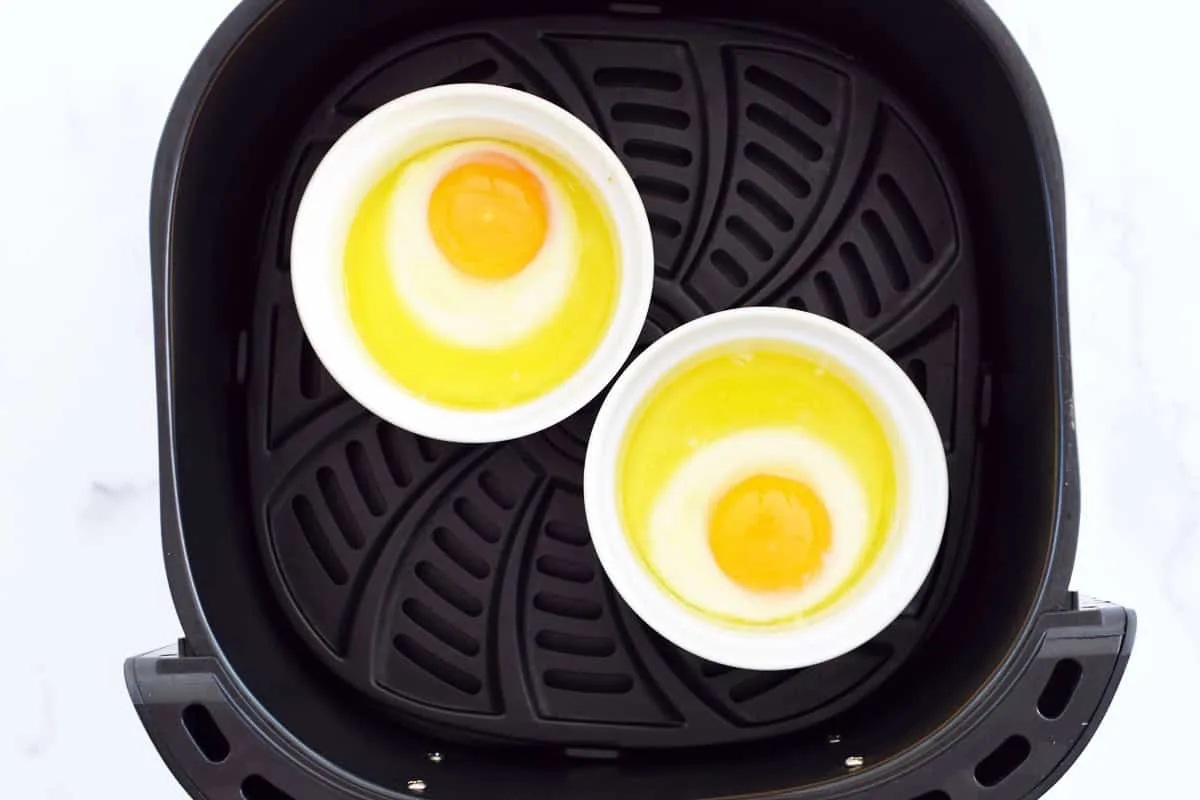
Achieving the perfect fried egg in an air fryer hinges on watching the whites set and the yolk stay beautifully liquid. Start by preheating your air fryer to 350°F (175°C). You’ll want to cook these in a heat-safe ramekin or a silicone egg mold that fits inside your air fryer basket.
This prevents the egg from spreading too thin and cooking unevenly.
After about 3 to 5 minutes, check your egg. The whites should look opaque and firm, not clear or jiggly. They might puff up slightly.
The yolk, however, should still be a vibrant yellow or orange and appear soft and liquid, not cloudy or starting to congeal. If the whites are set and the yolk still looks very liquid, you're on the right track. If the yolk is starting to form a skin, it's already getting too cooked.

What "Done" Looks Like: Boiled Eggs
Cooking boiled eggs in an air fryer requires a bit more time, but the visual payoff is worth it. You’re looking for that exact moment when the white is firm but not rubbery, and the yolk is cooked to your preferred consistency, from jammy to fully solid. Place your eggs directly into the air fryer basket, ensuring they aren't touching if you're cooking more than a few.
Manufacturer recommendations often suggest a temperature around 300°F (150°C) for boiled eggs.
After 10 to 15 minutes, depending on your desired doneness and air fryer model, carefully remove the eggs. For soft-boiled eggs, the white should be fully set, but the yolk will be warm and runny when cut. For hard-boiled, the white should be firm, and the yolk should be uniformly yellow and solid, with no greenish ring around the edge.
A slightly firmer white and a completely cooked yolk are indicators of success.
What "Done" Looks Like: Scrambled Eggs
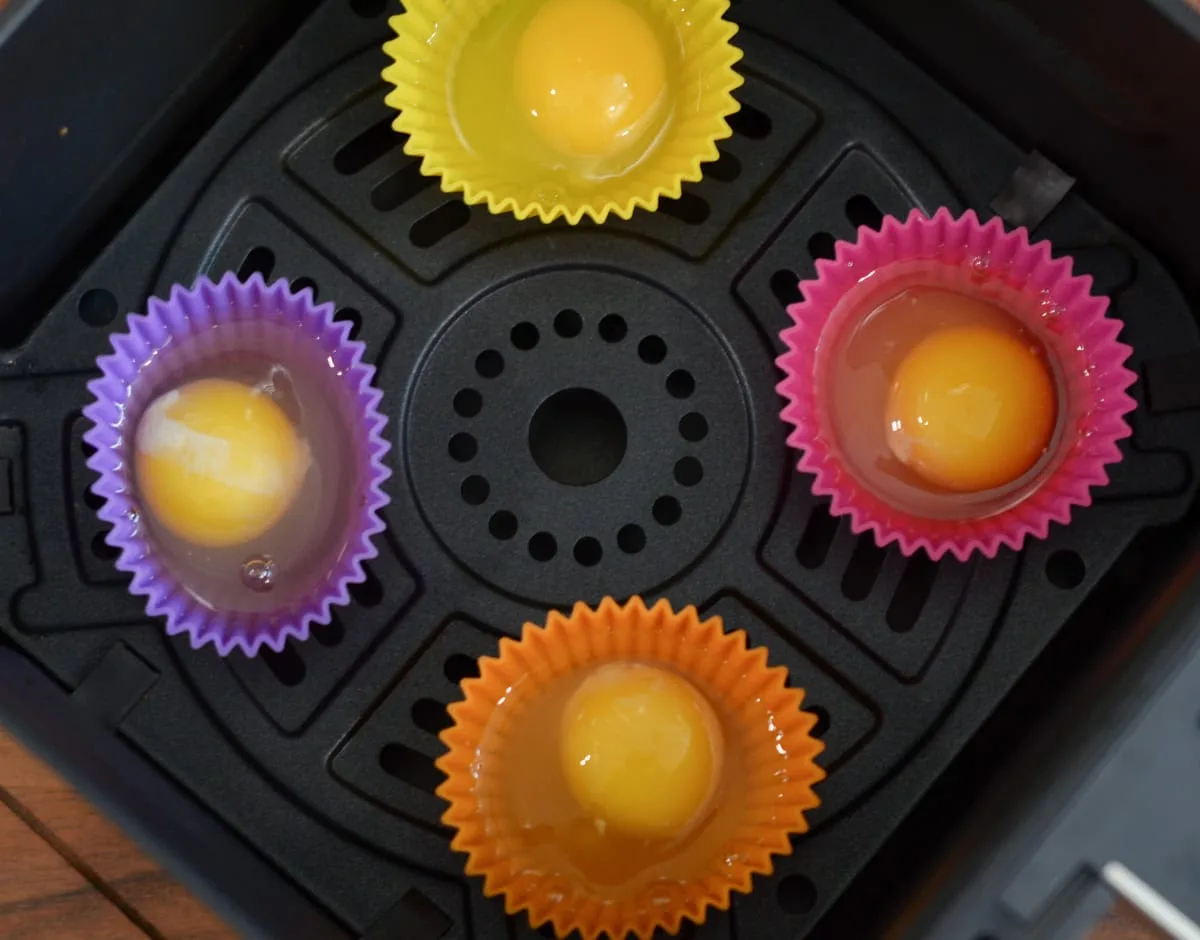
Scrambled eggs in the air fryer are best cooked in a ramekin or a small oven-safe dish that fits inside the basket. Whisk your eggs with a splash of milk or cream, salt, and pepper before pouring them in. A temperature of 325°F (160°C) for about 4 to 7 minutes usually does the trick.
You'll need to stir them partway through for even cooking.
What you're looking for is a fluffy texture with no liquid egg visible. The scrambled eggs should look set throughout, with a moist, creamy appearance rather than dry or browned. If you see any wet spots that haven't congealed, give them another minute or two.
The goal is a uniformly cooked, soft scramble, not a rubbery disc.
What "Done" Looks Like: Baked Eggs
Baked eggs, sometimes called shirred eggs, are similar to fried eggs in that they are cooked in a dish within the air fryer. Use a ramekin or a muffin tin. You want to achieve fully set egg whites and a yolk cooked to your liking, usually still a bit runny for the best texture.
Preheat to 350°F (175°C) and plan for 6 to 10 minutes.
The visual cue for a perfectly baked egg is when the whites are completely opaque and firm, and the yolk has a slight sheen, indicating it's warm and has begun to thicken but hasn't fully solidified. If the yolk is completely opaque or starting to form a crust, it's overcooked. You're aiming for the edges of the white to be set and the center to be just solidified.
Air Fryer Eggs: A Quick Start Guide
If you're eager to get started, here’s a streamlined approach to cooking eggs in your air fryer. It’s simpler than you might think, and mastering these basics will set you up for success. The key is preparation and understanding the initial settings.
What You'll Need for Air Fryer Eggs
Gathering the right items makes the process smooth. For most air fryer egg recipes, you'll need your air fryer, of course. Beyond that, depending on the type of egg you're making, you might need:
- Eggs: Large eggs are standard for most recipes and specifications.
- Heat-safe Ramekins or Molds: Essential for fried, baked, or scrambled eggs to contain them. Silicone egg cups or small ceramic ramekins work well.
- Muffin Tins: Useful for cooking multiple baked eggs at once.
- Cooking Spray or Oil: For greasing molds to prevent sticking.
- Salt and Pepper: For seasoning.
- Optional Add-ins: Cheese, herbs, chopped vegetables for scrambled or baked eggs.
Setting Up Your Air Fryer for Eggs
Preheating your air fryer is a critical first step for almost all air fryer cooking, and eggs are no exception. This ensures that the appliance is at the correct, stable temperature the moment your food goes in. This helps achieve more consistent cooking results and prevents foods from sticking or cooking unevenly.
For most egg preparations, preheating to 350°F (175°C) for about 3-5 minutes is recommended. Allow the air fryer to reach its target temperature before adding your prepared eggs or egg-filled ramekins. This initial heat ensures that the cooking process starts immediately and evenly.
Step-by-Step: Cooking Fried Eggs in the Air Fryer
To get a fried egg with a set white and runny yolk in the air fryer, you’ll need a mold.
- Prepare the Mold: Lightly grease a heat-safe ramekin or a silicone egg mold with cooking spray or a little oil.
- Crack the Egg: Carefully crack one large egg into the prepared mold. Try to keep the yolk intact.
- Season: Sprinkle with salt and pepper to your liking.
- Place in Air Fryer: Put the mold with the egg into the preheated air fryer basket.
- Cook: Air fry at 350°F (175°C) for 3 to 5 minutes. The exact time depends on your desired yolk consistency and air fryer model.
- Check for Doneness: The whites should be opaque and firm. The yolk should still be bright and liquid. If it looks too solid, remove it immediately.
- Serve: Carefully remove the mold from the air fryer and gently slide the egg onto your plate.
Step-by-Step: Cooking Boiled Eggs in the Air Fryer
Cooking boiled eggs in an air fryer is surprisingly simple and requires minimal prep.
- Arrange Eggs: Place large eggs directly into the air fryer basket. Don't overcrowd; leave a little space between them.
- Set Temperature: Set your air fryer to 300°F (150°C).
- Set Time: Cook for 10-15 minutes.
- 10-12 minutes: Soft-boiled (runny yolk, fully set white).
- 13-15 minutes: Hard-boiled (firm yolk, fully set white).
- Cool Quickly: Once done, immediately transfer the eggs to an ice bath or run them under cold water for a few minutes. This stops the cooking process and makes them easier to peel.
- Peel and Enjoy: Peel as you normally would and enjoy your perfectly cooked air fryer boiled eggs.
Step-by-Step: Cooking Scrambled Eggs in the Air Fryer
Scrambled eggs in the air fryer are a great option for a hands-off breakfast.
- Whisk Eggs: In a bowl, whisk 2-3 large eggs with a tablespoon of milk or cream, salt, and pepper.
- Prepare Dish: Lightly grease a small, oven-safe ramekin or dish that fits in your air fryer basket.
- Pour Mixture: Pour the egg mixture into the prepared dish.
- Place in Air Fryer: Put the dish into the preheated air fryer basket.
- Cook and Stir: Air fry at 325°F (160°C) for about 4 to 7 minutes. Every 2 minutes, carefully pull out the basket and gently stir the eggs with a fork or spatula.
- Check for Doneness: The eggs should be fluffy and set, with no visible liquid egg. They should look moist but not wet.
- Serve: Carefully remove the dish and serve your air fryer scrambled eggs immediately.
Avoiding Egg-cellent Disasters: Common Mistakes & Fixes
Even with the convenience of an air fryer, eggs can sometimes end up not quite right. Most issues boil down to timing, temperature, or the preparation method. Understanding these common pitfalls helps you troubleshoot and refine your technique for consistently great results.
When Yolks Go Wrong (Too Runny, Too Solid)
The most common complaint with air fryer eggs, especially fried or baked varieties, is the yolk's consistency. If your yolk is too runny when you wanted it firmer, it likely means you pulled the egg out too soon. Conversely, if it’s too solid or even hard when you were aiming for a liquid center, it probably cooked for too long.
The fix here is all about precision. For fried or baked eggs, a minute or two can make all the difference. If your air fryer tends to run hot, reduce the cooking time by 30-60 seconds.
For boiled eggs, if the yolk is too runny, add another 1-2 minutes to the cooking time. If it’s too solid, shave off 1-2 minutes. Remember that starting with eggs at room temperature versus straight from the fridge can also affect cooking time.
When Whites Won't Cooperate (Rubbery, Overcooked)
Rubbery or overcooked egg whites are usually a sign of excessive heat or simply cooking for too long. Air fryers circulate hot air intensely, which is great for crisping, but it can turn delicate egg whites tough if not managed. For fried or baked eggs, this might look like the whites becoming tough and a bit chewy.
For boiled eggs, they can become rubbery and difficult to peel cleanly.
To avoid this, try slightly reducing the temperature or the cooking time. For instance, if 350°F (175°C) for 5 minutes made your fried egg whites rubbery, try 340°F (170°C) for the same duration. For boiled eggs, if 300°F (150°C) for 15 minutes resulted in rubbery whites, try 300°F for 13 minutes.
Many manufacturer specifications suggest lower temperatures for eggs precisely to avoid this issue. It’s about finding that sweet spot where the whites are fully set but still tender.
Cracking and Exploding Eggs: What's Happening?
An egg cracking or, worse, exploding in the air fryer is usually due to pressure buildup within the shell. This happens when the air inside the egg heats up rapidly and expands. While it can occur in any cooking method, the intense, dry heat of an air fryer can sometimes exacerbate this if precautions aren't taken.
The simplest way to prevent this, especially for boiled eggs, is to pierce the larger end of the egg with a pin or thumbtack before cooking. This allows steam to escape, equalizing the pressure. For fried or baked eggs cooked in a mold, the primary concern is usually overcooking which can lead to a tough, potentially split yolk, but outright cracking is less common in those scenarios unless the shell itself is compromised before cooking.
Always ensure your eggs are at room temperature before placing them in the hot air fryer to minimize thermal shock.
Air Fryer Egg Versatility: Beyond Breakfast
The air fryer isn't just for breakfast potatoes anymore. When you understand how to cook eggs in an air fryer, they become a fantastic component for quick lunches and snacks, or even as a base for some creative dishes. Their consistent results and speed make them a go-to option when you need something fast and satisfying.
Think beyond the typical morning meal. A few perfectly cooked air fryer eggs can transform a simple salad into a hearty lunch. They can also be a quick protein boost when you're short on time in the afternoon.
Their versatility means you're not just limited to starting the day with them.
Quick Lunches and Snacks
Need to whip up a fast lunch or a satisfying snack? Air fryer eggs are your secret weapon. Imagine a quick salad needing a protein boost: instead of cooking chicken or fish, a couple of air fryer fried or poached-style eggs (cooked in a ramekin) can elevate it in minutes.
This is especially useful if you're working from home or have limited time between tasks.
For snacks, consider mini frittatas or egg muffins. You can prepare the base mixture, pour it into greased muffin tins, and air fry them. They come out perfectly portioned and ready to eat.
This is far quicker than preheating an oven and results in a consistent texture.
Meal Prep Starters
When you're planning meals for the week, air fryer eggs are incredibly efficient for meal prep. Hard-boiled eggs are a classic example. You can cook a batch of 6-12 eggs in the air fryer at once, which is often more convenient than a stovetop pot.
This provides ready-to-eat protein for snacks, lunches, or adding to salads throughout the week.
Beyond hard-boiled, you can also prep baked egg cups. Prepare a larger batch of your favorite egg mixture with vegetables and cheese, portion it into muffin tins, and air fry them. These can be stored in the refrigerator for up to 3-4 days and reheated quickly in the air fryer or microwave.
This saves significant time on busy mornings or when you need a quick, healthy bite.
Frequently Asked Questions About Air Fryer Eggs
How long does setup take?
Setup is minimal. It involves preheating the air fryer for about 3-5 minutes, which is essential for consistent cooking. You might also need to grease a ramekin or mold, which takes less than a minute.
Can I cook eggs without a mold?
For fried or baked eggs, a mold is highly recommended to contain the egg and achieve the desired shape and even cooking. For boiled eggs, you can place them directly into the air fryer basket.
What size eggs work best?
Large eggs are standard for most air fryer recipes and specifications. Using smaller or extra-large eggs may require slight adjustments to cooking times.
How do I clean the air fryer after cooking eggs?
After the air fryer has cooled, remove the basket and any inserts. Wash them with warm, soapy water. For stuck-on bits, use a non-abrasive sponge.
Some baskets are dishwasher safe, but always check your air fryer’s manual.
What is the ideal temperature for air fryer eggs?
Temperatures vary by egg type. For fried and baked eggs, 350°F (175°C) is common. For boiled eggs, a lower temperature of 300°F (150°C) is often used.
Always consult your air fryer's manual for specific recommendations.
Getting It Right: Your Air Fryer Egg Cheat Sheet
Mastering how to cook eggs in an air fryer comes down to understanding a few key visual indicators and simple steps. Focus on the appearance of the egg whites and yolks to gauge doneness, rather than relying solely on time. Remember that preheating is your first step to success for most egg preparations.
- Fried Eggs: Look for fully opaque, firm whites with a bright, liquid yolk. Cook time is typically 3-5 minutes at 350°F (175°C) in a greased ramekin.
- Boiled Eggs: Whites should be set. For soft-boiled, aim for 10-12 minutes at 300°F (150°C); for hard-boiled, 13-15 minutes. Always ice bath immediately.
- Scrambled Eggs: Should be fluffy and set throughout, with no wet spots visible. Stir halfway through cooking at 325°F (160°C) for 4-7 minutes.
- Baked Eggs: Whites fully opaque and firm, yolk slightly thickened but still glistening. Cook time is around 6-10 minutes at 350°F (175°C) in a ramekin.
Always be prepared to adjust timing based on your specific air fryer model and the size of your eggs.