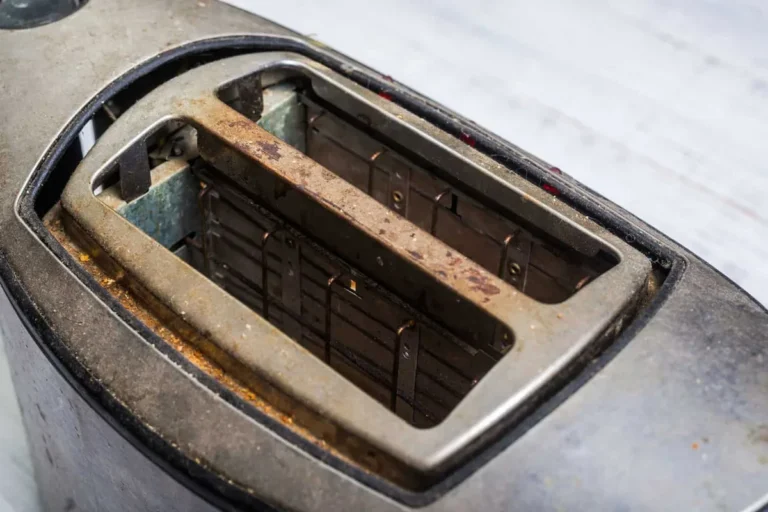
How to Clean Slow Cooker
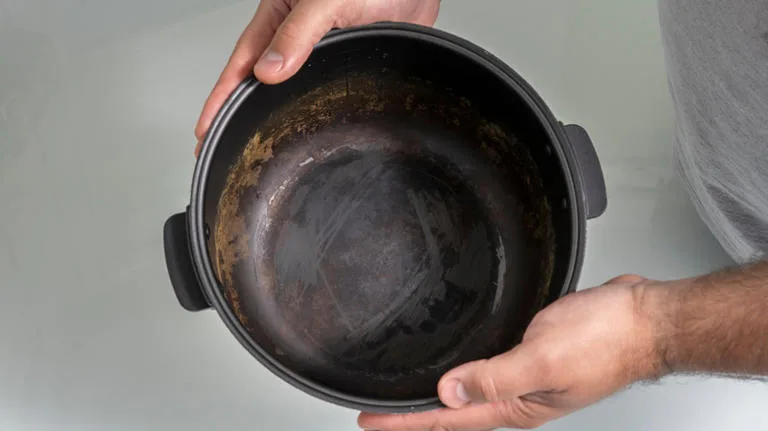
Image source: Bing (Web (fair-use with source credit))
That wonderful slow cooker of yours has probably churned out some amazing meals, from comforting stews to tender roasts. But after all that hard work, the inside can sometimes look like a culinary war zone. Knowing how to clean your slow cooker effectively is key to keeping it in good working order and ensuring your future meals are just as delicious and safe.
Our research shows that persistent stains and odors are common pain points for slow cooker owners.
Addressing these issues usually involves a few simple steps, but the right approach depends on the mess. For instance, some manufacturers specify that their ceramic inserts can withstand dishwasher cycles, while others strongly advise against it to prevent micro-cracking. Understanding these nuances helps you tackle everything from light residue to stubborn burnt-on food.
Quick Answer
To clean your slow cooker, start by unplugging it and letting it cool. For light messes, use a damp cloth and mild dish soap. For tougher stains, create a paste of baking soda and water or a vinegar and water solution to soak and gently scrub the insert.
Always rinse thoroughly and dry completely before storing.
Your Slow Cooker's Mess: What Are We Dealing With?
Burnt-On Food & Tough Stains
This is probably the most common culprit when it comes to a messy slow cooker. Whether it’s a forgotten sauce that bubbled over or a dish that cooked a little too long, that stubborn, blackened layer can be frustrating. Our research indicates that food particles, especially those high in sugar or protein, can caramelize and adhere tightly to the ceramic or stoneware insert.
This isn't just unsightly; it can affect future cooking and potentially harbor bacteria if not removed properly.
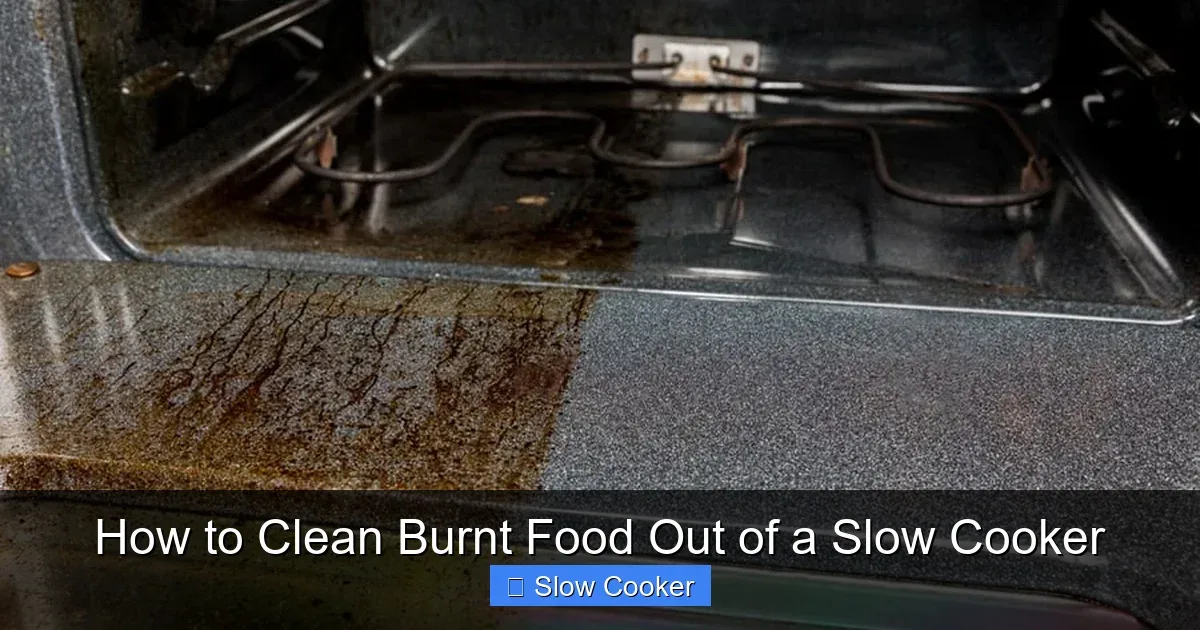
Image source: Bing (Web (fair-use with source credit))
What's the damage?
- Carbonized food: Think of it as burnt sugar or meat stuck like glue.
- Discoloration: Sauces, especially tomato-based ones, can leave orange or brown tints.
- Uneven cooking: A thick layer of residue can insulate the insert, leading to hotter spots.
If you're facing this, don't panic. It often just requires a bit of patience and the right cleaning agent. The key is usually soaking and gentle abrasion, rather than aggressive scrubbing that could damage the insert's surface.
Greasy Film & Caked-On Residue
Sometimes, your slow cooker doesn't have dramatic burnt-on bits, but rather a pervasive, greasy film or a general buildup of food residue. This can happen from cooking dishes with higher fat content or if the cooker wasn't thoroughly cleaned after its last use. This type of mess is often less visually alarming but can contribute to odors and a less-than-ideal cooking environment.
Manufacturers often advise against using abrasive scouring pads directly on the insert because they can create micro-scratches. These tiny imperfections can then trap food particles and oils, making future cleanups even harder. Aggregating user feedback, a common sentiment is that a good soak with a degreasing dish soap is usually enough to break down this kind of residue.
Lingering Odors
Even after a good wash, sometimes your slow cooker can hold onto smells. This is particularly true if you’ve cooked strongly flavored foods like curry, garlic-heavy dishes, or certain types of meat. The porous nature of some ceramic inserts means they can absorb these odors over time.
Getting rid of these persistent smells is crucial for ensuring your next meal doesn't inadvertently taste like last week's chili.
In our research, the effectiveness of odor removal often depends on the type of ingredient causing the smell. While a simple wash might handle mild scents, deeper smells might require specific deodorizing treatments. It’s also a sign that a more thorough cleaning, possibly involving multiple steps, might be necessary to fully refresh the appliance.
Quickest Fixes: When It's Just a Little Mess
So, you've just finished a meal, and the inside of your slow cooker insert looks… well, mostly okay. Maybe there are a few stray bits of vegetables or a thin film of sauce. This is the ideal scenario, and luckily, it's usually the easiest to deal with.
For these minor cleanups, you don't need to bring out the heavy artillery.
The first step, always, is to ensure the appliance is unplugged and completely cool. Trying to clean a hot ceramic insert can lead to thermal shock, and some manufacturers warn this can cause cracking. Once it’s safe to handle, you can usually tackle these light messes with just a damp cloth or a soft sponge and a bit of mild dish soap.
A quick wipe-down is often all that's needed to get it ready for its next culinary adventure.
Deep Cleaning the Removable Insert: Your Primary Battleground
The insert is where all the cooking magic happens, and it’s typically the part that gets the dirtiest. When you're faced with anything more than a light residue, a dedicated deep clean of the insert is your best bet. This process focuses on safely and effectively removing stubborn food particles, stains, and odors.
Pre-Soaking Power
Before you even think about scrubbing, give that insert a good soak. This is perhaps the most critical step for loosening up burnt-on food and making your life much easier. Fill the insert with warm water and add a generous squirt of your usual dish soap.
Let it sit for at least 30 minutes, but for really tough jobs, several hours or even overnight can make a world of difference. This allows the water and soap to penetrate and soften those stubborn food particles that have fused to the ceramic surface.
Gentle Scrubbing Techniques
Once it's had a good soak, it's time to get scrubbing. Your goal here is to remove the loosened grime without damaging the insert's surface. Use a non-abrasive sponge or a soft cloth.
For more persistent spots, a nylon scrub brush can be effective, but avoid steel wool or harsh scouring pads. These can create scratches that compromise the finish and trap future messes. If you're dealing with really stuck-on bits, a plastic scraper or even an old credit card can sometimes help lift them before you start with the sponge.
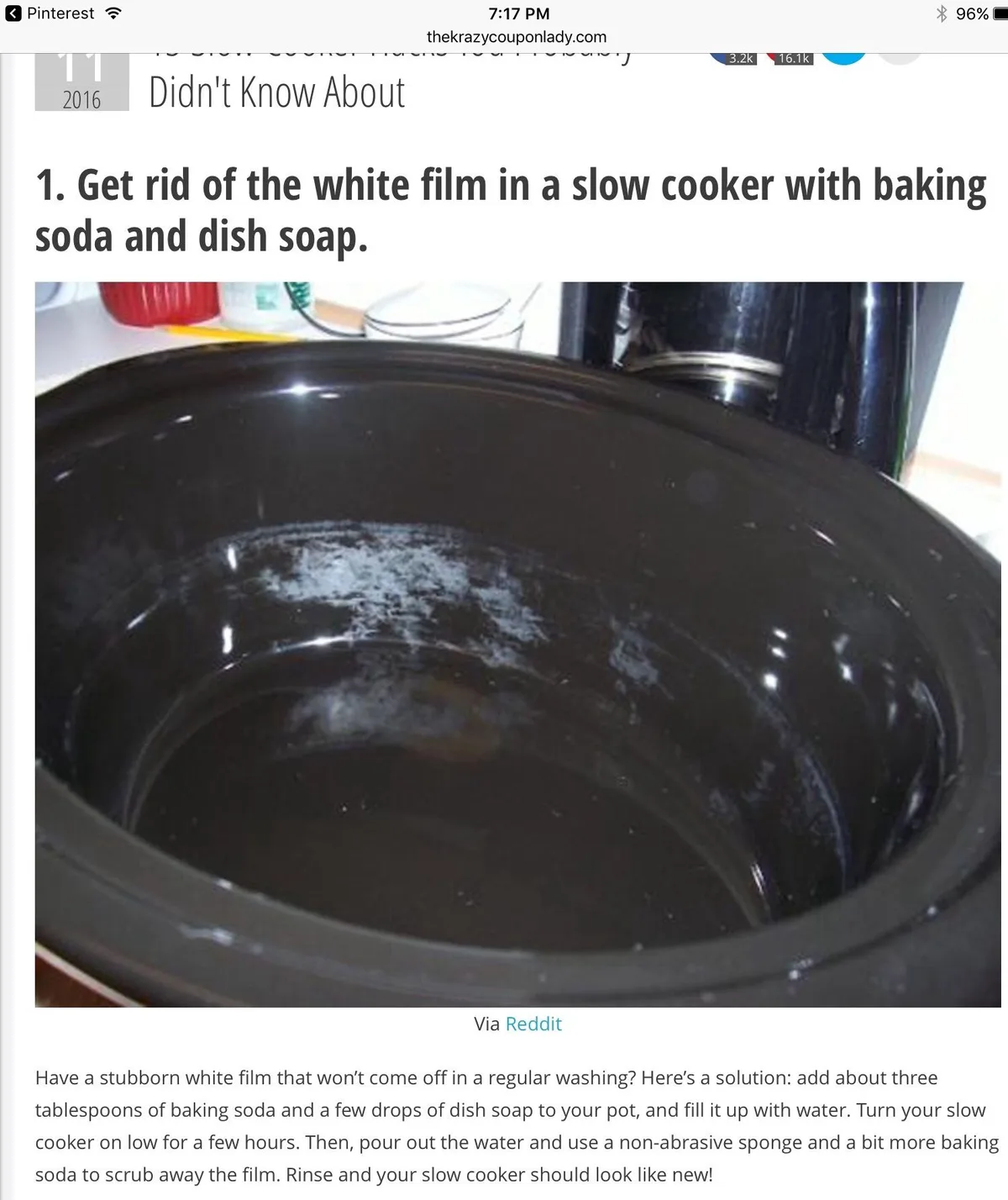
Image source: Bing (Web (fair-use with source credit))
Tough Stain Solutions (Baking Soda, Vinegar)
If soap and water aren't cutting it, it's time to bring in some household heroes: baking soda and vinegar.
- Baking Soda Paste: Mix baking soda with a small amount of water to form a thick paste. Apply this paste directly to stained areas and let it sit for 15-30 minutes. Baking soda is a mild abrasive that can help lift stains without scratching. Gently scrub the paste away with a damp sponge.
- Vinegar Soak: For deeper discoloration or odors, fill the insert with equal parts white vinegar and water. Let this solution soak for several hours or overnight. Vinegar is acidic and can help break down mineral deposits and neutralize odors. After soaking, wash thoroughly with soap and water to remove any residual vinegar smell. Some manufacturers, like those for certain Cuisinart models, specify using vinegar for cleaning.
Rinsing & Drying Right
After scrubbing and soaking, a thorough rinse is essential. Make sure to rinse the insert under warm running water until all soap, baking soda residue, or vinegar is completely gone. Any leftover cleaning agent can affect the taste of your next meal or leave streaks.
Once rinsed, dry the insert completely with a clean, soft towel. Never air dry a ceramic insert completely if it might be stored while still damp, as this can encourage mold or mildew growth. A dry insert is also less likely to stick to the heating base.
Tackling the Lid: From Smudges to Stuck-On Spots
The lid is often overlooked, but it plays a crucial role in the cooking process by trapping moisture and heat. It also bears the brunt of steam and splatter, so it needs regular cleaning to keep your slow cooker looking its best and functioning efficiently. Manufacturer specifications often detail lid care separately from the insert.
Glass Lid Care
Most slow cooker lids are made of tempered glass, which is fairly durable but still susceptible to damage. For general cleaning, a soft sponge or cloth with warm, soapy water is usually sufficient for smudges and light food splatters. If you encounter tougher, baked-on residue on the glass, avoid using abrasive cleaners or metal scouring pads, as they can scratch the surface.
Instead, try the baking soda paste method described for the insert, or a soak with a vinegar and water solution. Ensure you rinse and dry the glass lid thoroughly after cleaning to prevent water spots.
Ceramic Lid Specifics
Some older or higher-end slow cookers feature ceramic lids. These can be a bit more delicate than glass. Treat them with the same care as the ceramic insert, avoid harsh abrasives and thermal shock.
A gentle wash with mild dish soap is usually best. If a ceramic lid has a metal rim, be careful not to submerge the entire lid if the manufacturer advises against it, as moisture can get trapped in the metal or the seal, leading to corrosion or mold over time. Always dry the lid completely, paying attention to any nooks or crannies.
The Exterior & Heating Base: Often Overlooked, Always Important
While the insert and lid get most of the attention, the exterior of your slow cooker and its heating base are also vital components that need proper care. Neglecting these parts can lead to a less attractive appliance and, in some cases, affect its performance. It's important to remember that the heating base itself is an electrical appliance and requires specific attention.
Wiping Down the Base
The exterior of the slow cooker, typically made of plastic or painted metal, can be cleaned with a damp cloth. For greasy fingerprints or minor splatters, a little mild dish soap on the cloth can help. Always ensure the appliance is unplugged and cool before you start.
Wipe the exterior thoroughly and then follow up with a dry cloth to buff it to a shine. Avoid using spray cleaners directly onto the base, as liquid can seep into the electrical components and cause damage. It's better to spray the cleaner onto your cloth first.
Keeping the Heating Element Clean (and Dry!)
The heating base contains the actual heating element, and it's crucial to keep this area clean and dry. Manufacturers, such as those for Crock-Pot models, explicitly state that the heating element should never be submerged in water. If food spills onto the heating element, unplug the unit immediately and allow it to cool completely.
Then, gently wipe away any debris with a dry cloth or a slightly damp paper towel. Ensure the heating element is entirely dry before plugging the unit back in or placing the insert back into the base. Food particles left on the element can burn and create smoke or odors during the next use.
Common Mistakes That Make Cleaning Harder (And How to Avoid Them)
Even with the best intentions, sometimes our cleaning habits can unintentionally make things worse or more difficult. When it comes to slow cookers, a few common missteps can lead to lasting damage or make future cleanups a real chore. Understanding these pitfalls can save you time, effort, and potentially the lifespan of your appliance.
- Using Abrasive Cleaners: This is a big one for ceramic inserts. Steel wool, abrasive powders, or harsh scouring pads can scratch the non-stick surface. These scratches not only look bad but also create tiny crevices where food particles and bacteria can hide, making the cooker harder to clean and potentially less hygienic. Always opt for soft sponges, cloths, or nylon brushes for the insert.
- Submerging the Heating Base: The heating base is an electrical appliance. Pouring water directly into it or putting it in the dishwasher is a recipe for disaster. This can damage the heating elements, electrical wiring, and controls, rendering your slow cooker unusable. Stick to wiping the exterior with a damp cloth.
- Ignoring Manufacturer Instructions: Every slow cooker comes with specific care and cleaning guidelines. These are usually based on the materials and design of that particular model. For example, some inserts are truly dishwasher-safe according to their specifications, while others can be damaged by prolonged exposure to dishwasher detergents or high heat cycles. Always check your user manual.
- Putting a Hot Insert in Cold Water: Ceramic can crack if subjected to rapid temperature changes, a phenomenon known as thermal shock. If you pull a scorching hot insert directly from the cooker and plunge it into cold water, you risk cracking or shattering it. Always let the insert cool down significantly before washing.
- Not Drying Thoroughly: Especially for ceramic inserts and lids, ensuring they are completely dry before storing is important. Dampness can lead to mildew or mold growth, which can be difficult to remove and will certainly affect the smell and taste of your next meal. A quick wipe with a towel is usually sufficient.
When to Consider a Full Deep Clean (And How to Do It)
Sometimes, a quick scrub isn't enough. If your slow cooker has developed persistent odors that even regular washing can't eliminate, or if stains have become deeply set into the ceramic insert, it's time for a more intensive approach. A full deep clean can revive your appliance, making it look and smell like new again.
This methodical process usually involves a combination of soaking and specific cleaning agents.
Manufacturer specifications for various models, such as those from Hamilton Beach, often suggest a vinegar and water soak for stubborn odors and stains. This process can take several hours. Always ensure you've unplugged the unit and that it's completely cool before starting any deep cleaning.
This methodical approach helps break down tough residues without damaging the cooker's components.
Tackling Stubborn Odors
For lingering smells, start with the vinegar and water soak. Fill the insert with a 1:1 solution of white vinegar and water, enough to cover the stained areas. Let this sit for at least 4-8 hours, or even overnight.
After soaking, empty the vinegar solution and wash the insert thoroughly with warm, soapy water. Rinse it multiple times to ensure no vinegar scent remains. If the odor persists, some users report success with leaving a small amount of baking soda inside the dry insert overnight, or by using a dedicated slow cooker deodorizing tablet if available from the manufacturer.
Dealing with Deeply Set Stains
When stains seem impossible to budge, the baking soda paste is your next best friend. Make a thick paste of baking soda and a little water, apply it liberally to the stained areas, and let it sit for at least an hour. You can gently scrub with a non-abrasive sponge or nylon brush.
For exceptionally tough spots, you might need to repeat the paste application and scrubbing process. It's crucial to be patient and avoid using metal utensils or abrasive pads, which can permanently damage the ceramic.
Keeping Your Slow Cooker in Top Shape: Regular Maintenance Tips
Consistent, simple maintenance is the easiest way to prevent major cleaning headaches down the line. Just like any kitchen appliance, a little regular attention will keep your slow cooker performing well and looking good for years. These aren't complicated tasks, but they make a significant difference in how easily you can clean it after each use.
Think of it as part of your cooking routine. After you've served your meal, and once the unit has cooled, take a moment to address the immediate mess. A quick rinse or wipe down can stop many food particles from becoming hardened and difficult to remove later.
This also helps prevent any residual food odors from setting in, which can be a persistent problem if left unaddressed.
Immediate Post-Use Care
As soon as possible after emptying your slow cooker and ensuring it's unplugged and cool, rinse out the insert. For most minor food bits, warm water and a gentle wipe with a sponge are all you need. If there's a bit more residue, a drop of dish soap can help.
This immediate rinse prevents food from drying and bonding to the ceramic. If the lid has any food splatters, wipe it clean at the same time.
Proper Storage Habits
When storing your slow cooker, make sure both the insert and the lid are completely dry. If you tend to store the lid placed directly on the insert, consider placing a paper towel or a thin kitchen towel between them. This allows for a bit of air circulation, preventing moisture from getting trapped and potentially causing mildew or that dreaded stale smell.
Storing the lid upside down on the base, if it fits securely, can also offer some protection from dust.
Frequently Asked Questions About Slow Cooker Cleaning
How long should I soak a stained slow cooker insert?
For light stains, a 30-minute soak in warm, soapy water is often enough. For tougher, burnt-on messes, you might need to soak for several hours or even overnight. Using a baking soda paste or a vinegar and water solution for soaking can further enhance stain removal.
Can I use steel wool or harsh scrubbers on my slow cooker insert?
No, it's strongly advised against using steel wool or abrasive scouring pads on the ceramic or stoneware insert. These can scratch the surface, which can lead to damage, affect its cooking performance, and make it harder to clean in the future. Stick to soft sponges, cloths, or nylon brushes.
What if my slow cooker still smells after cleaning?
Lingering odors can be tough. Try a deep clean soak with a 1:1 white vinegar and water solution for several hours. Ensure the insert is completely dry afterward.
Some people also find success leaving a bowl of baking soda inside the dry insert overnight, or using a mild, scent-free cleaner specifically designed for appliances if available.
Is it safe to put my slow cooker insert in the dishwasher?
This depends entirely on the manufacturer's instructions for your specific model. Many ceramic inserts are dishwasher-safe, often on the top rack. However, some may not be, and running them through a dishwasher could lead to micro-cracks or damage over time.
Always check your user manual to be sure.
How do I clean the exterior heating base?
Always unplug the slow cooker and ensure it's cool. Use a damp cloth with a small amount of mild dish soap to wipe down the exterior. Never submerge the heating base in water or place it in a dishwasher, as this can damage the electrical components.
Ensure the heating element area is dry before use.