Rice Cooker Types

Image source: Bing (Web (fair-use with source credit))
When you're looking to cook perfect rice every time, the type of rice cooker you choose can make a real difference. It's not just about boiling water; different technologies offer varying levels of control, consistency, and convenience. Understanding these distinctions is key to finding the right fit for your kitchen and your cooking style.
Our research into rice cooker types reveals a range from simple stovetop pots to sophisticated induction heating models. As of 2026, these devices have evolved significantly, offering features that cater to everyone from absolute beginners to culinary enthusiasts who demand precise results. Let's break down what makes each one unique.
Quick Answer
Rice cooker types include basic stovetop pots, fuzzy logic models, induction heating (IH) cookers, and microwave units. Stovetop pots require manual heat control, while fuzzy logic and IH cookers use sensors and microprocessors for automated precision. Microwave cookers offer speed and simplicity for small portions.
Basic Stovetop Pots: Simple and Hands-On
These are the OG rice cookers, essentially, just a pot with a tight-fitting lid. You’re in complete control here, managing the heat, the water, and the timing yourself. This is how rice has been cooked for generations.
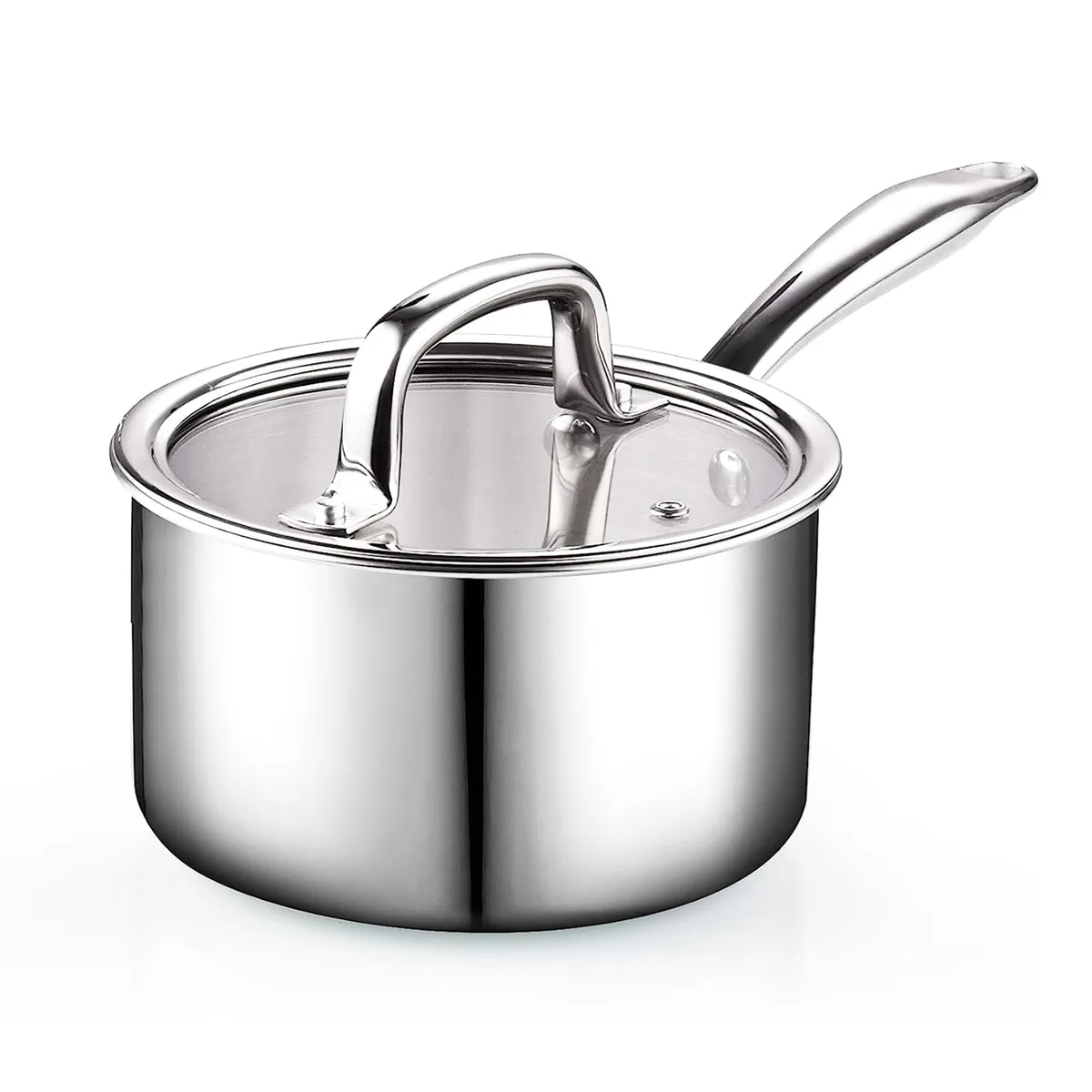
Image source: Bing (Web (fair-use with source credit))
Pros and Cons of Stovetop Pots
Using a basic stovetop pot is straightforward, but it definitely requires your attention.
- Pros:
- Highly Affordable: You can pick up a decent stovetop rice pot for well under $30. This makes it an accessible option for any budget.
- Durable and Simple: With no electronic components, there’s very little that can go wrong. They’re built to last.
- Full Cooking Control: If you enjoy being hands-on in the kitchen and want to dictate every aspect of the cooking process, this is your tool.
- Cons:
- Requires Constant Monitoring: You can't walk away. Rice can easily burn on the bottom or become mushy if the heat isn't adjusted correctly.
- Inconsistent Results: Achieving perfect rice consistently can be challenging, especially for beginners. It’s easy to misjudge water ratios or cooking times.
- Limited Versatility: These pots are generally only suitable for cooking standard white rice. Advanced functions or specific grain settings aren't available.
- No Keep-Warm Function: Once the rice is done, you need to serve it or transfer it to another container to keep it warm without overcooking.
This method is fantastic for learning the fundamental principles of cooking rice, but it demands a watchful eye. If you're looking for something you can set and forget, you'll want to consider other types.
Fuzzy Logic Cookers: The Smart Choice for Consistency
These cookers represent a significant upgrade in convenience and precision. A Fuzzy Logic rice cooker uses advanced microprocessors and sensors to automatically adjust cooking time and temperature based on the type of rice and the conditions inside the pot. It takes the guesswork out of achieving perfect results.
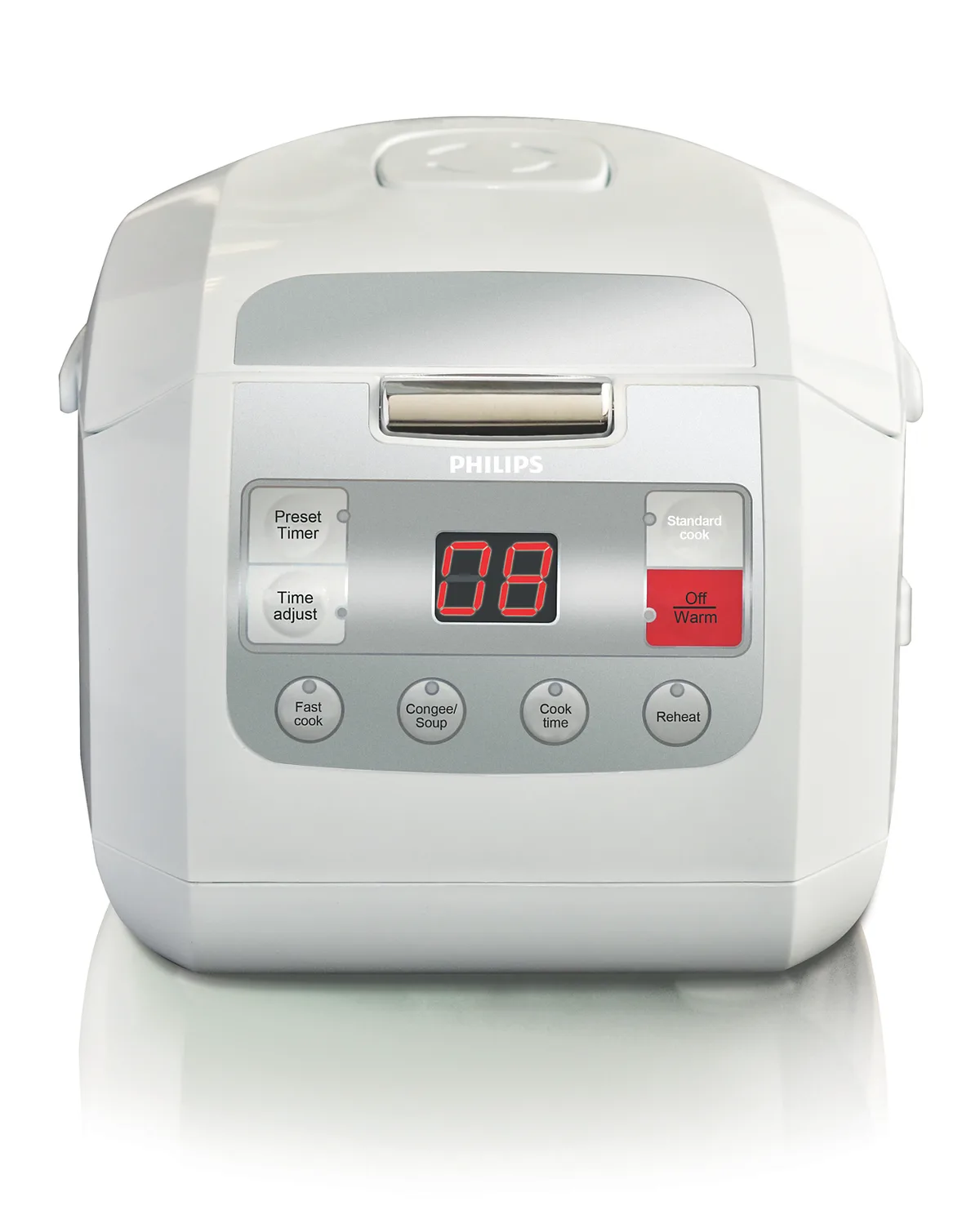
Image source: Bing (Web (fair-use with source credit))
How Fuzzy Logic Works
The "fuzzy" part refers to the logic system that mimics human reasoning. Instead of strict on/off switches, it uses a more nuanced approach. Sensors detect temperature and moisture levels, feeding data to the microprocessor.
This "brain" then makes real-time adjustments to the heating power and duration to ensure the rice cooks evenly and thoroughly, no matter the rice type or ambient conditions.
This technology allows the cooker to adapt. For instance, it knows when to bring the water to a boil, when to reduce heat for a gentle simmer, and when to hold the rice at the optimal temperature for steaming. You typically just select your rice type, like white, brown, or sushi rice, and the cooker handles the rest.
Features and Benefits of Fuzzy Logic
These cookers are designed to simplify your cooking and elevate your rice quality.
- Consistent Perfect Results: This is the main draw. Fuzzy logic cookers are incredibly good at producing fluffy, evenly cooked rice every single time. They minimize the risk of burning or undercooking.
- Versatile Rice Cooking: Most models come with pre-programmed settings for various types of rice, including white, brown, sushi, sweet, and even quick-cooking rice. Some can also handle grains like quinoa or oats.
- Intelligent Keep-Warm: The keep-warm function on these cookers is usually far superior to basic models. It maintains the rice at an ideal serving temperature without drying it out or making it sticky.
- Delayed Start Timers: Many fuzzy logic cookers feature a timer function, allowing you to set the rice to be ready at a specific time. This is a huge convenience for busy weeknights.
- User-Friendly Interface: Despite their advanced technology, most fuzzy logic rice cookers are intuitive to operate, often featuring clear digital displays and simple button controls.
Investing in a fuzzy logic rice cooker can dramatically improve your rice-cooking experience, offering convenience and excellent results with minimal effort. Many users find these to be the ideal balance for everyday cooking. You can find a wide range of these, from best budget rice cooker options to more premium models.
Induction Heating (IH) Cookers: Premium Performance
Induction heating (IH) rice cookers are the high-end models, employing advanced electromagnetic technology for unparalleled cooking precision. Instead of a traditional heating element at the bottom, IH cookers use magnetic fields to heat the entire inner pot directly and evenly. This results in faster cooking and more accurate temperature control than many other types.
How Induction Heating (IH) Works
The magic of IH lies in how it generates heat. When the cooker is switched on, an electromagnetic coil beneath the inner pot creates a rapidly changing magnetic field. This field induces an electric current directly within the metal of the inner pot itself, causing the entire pot to heat up uniformly.
This method is incredibly efficient. It means the heat is distributed more evenly throughout the rice and water, eliminating hot spots. The precise control over the magnetic field also allows for very fine-tuned temperature adjustments.
This level of control is what helps achieve the perfect texture, especially for delicate rice varieties.
IH Cooker Advantages and When to Choose One
IH technology comes with a premium price tag, but the performance benefits are significant for those who prioritize rice quality.
- Superior Texture and Flavor: IH cookers excel at bringing out the best in rice. The precise temperature control ensures grains are cooked perfectly, fluffy, separated, and full of natural sweetness.
- Faster Cooking Times: Because the pot heats up directly and efficiently, IH rice cookers can often cook rice more quickly than conventional models.
- Unmatched Consistency: The even heat distribution means you get consistently excellent results, batch after batch. This is especially beneficial for a best rice cooker for family who needs larger quantities cooked reliably.
- Advanced Settings: High-end IH models often feature a wide array of specialized cooking modes for everything from sushi rice to congee, and even slow cooking or cake baking.
- Energy Efficiency: While they use more power during heating, the efficiency of direct pot heating can sometimes lead to better overall energy use compared to models that lose more heat.
If you're a true rice aficionado or simply want the absolute best performance and are willing to invest in top-tier kitchen equipment, an IH rice cooker is likely the right choice. For those seeking similar advanced features in a more accessible package, exploring best programmable rice cooker options might be a good middle ground.
Microwave Rice Cookers: Quick and Compact
For quick, single servings or small kitchens, microwave rice cookers are a handy gadget. These are typically self-contained units designed to be used specifically within a microwave oven. They’re a far cry from the sophisticated electronics of fuzzy logic or IH, focusing instead on simplicity and speed.
How Microwave Rice Cookers Work
A microwave rice cooker usually consists of a plastic or glass container with a special vented lid. You add your rice and water according to the instructions, secure the lid, and place it in the microwave. The microwave's energy heats the water, creating steam that cooks the rice within the enclosed container.
The vented lid allows excess steam to escape, preventing pressure buildup.
The key is the specialized design of the container and lid, which helps to distribute microwave energy more evenly and manage steam. This allows for a more controlled cooking process than just putting rice and water in a regular bowl. They are engineered to cook a specific amount of rice efficiently.
Microwave Cooker Use Cases and Limitations
These are niche appliances, best suited for specific situations.
- Ideal for Small Portions: They are perfect for cooking 1-2 cups of rice, making them great for individuals or couples. If you need larger quantities, you'll want to look at best large rice cooker options.
- Speed and Convenience: For a quick side of rice, a microwave cooker can be faster than waiting for a full-sized electric cooker to heat up and cook.
- Space-Saving: Their compact size makes them ideal for dorm rooms, small apartments, or RVs where kitchen space is limited.
- Affordability: Microwave rice cookers are generally very inexpensive, often costing less than $20.
- Limited Settings: They typically only handle basic white rice. You won't find fancy modes for brown rice or steaming.
- Consistency Can Vary: Results can sometimes be less consistent than with electric cookers, as microwave power output can differ between units, affecting cooking time and texture.
If your primary need is for small, fast portions and you have limited space, a microwave rice cooker is a practical and budget-friendly solution. For those needing more versatility, a best compact rice cooker that is electric might be a better option.
Comparing Rice Cooker Technologies: Which is Best for You?
Deciding which rice cooker technology fits your needs involves weighing convenience, cooking quality, and cost. Each type offers a different experience, catering to distinct user preferences and cooking habits.
Here’s a breakdown of how they stack up:
| Feature | Basic Stovetop Pot | Fuzzy Logic Cooker | Induction Heating (IH) Cooker | Microwave Rice Cooker |
|---|---|---|---|---|
| Cooking Control | Manual (you manage heat) | Automatic (microprocessor control) | Highly precise automatic (magnetic) | Microwave oven control |
| Consistency | Low (requires skill) | High | Very High | Moderate (depends on microwave) |
| Ease of Use | Low (requires attention) | High | High (once settings are learned) | Very High |
| Versatility | Low (mostly white rice) | High (various grains/settings) | Very High (advanced modes) | Low (basic white rice) |
| Speed | Moderate (depends on heat) | Moderate to Fast | Fast | Fast (for small portions) |
| Price Range | Very Low ($) | Mid to High ($$) | Premium ($$$) | Very Low ($) |
| Best For | Budget, hands-on cooks | Beginners, busy households | Rice connoisseurs, perfectionists | Single servings, small kitchens |
This comparison highlights that there's no single "best" rice cooker type; the ideal choice depends entirely on your priorities. If your focus is on getting the perfect grain for dishes like best sushi rice or a forgiving appliance for everyday use, the technology becomes crucial.
Who Needs Which Rice Cooker Type?
- You need a Basic Stovetop Pot if: You're on a very tight budget, enjoy the process of cooking manually, and don't mind being attentive. It's a great starting point if you’re just beginning to explore cooking rice without a dedicated appliance.
- You need a Fuzzy Logic Cooker if: You want consistently great rice with minimal effort, cook different types of rice regularly, and appreciate features like keep-warm and timers. This is often the most recommended option for general home use.
- You need an Induction Heating (IH) Cooker if: You're a true rice connoisseur or a professional chef who demands the absolute highest quality and precision. You're willing to invest more for superior texture and flavor.
- You need a Microwave Rice Cooker if: You primarily cook small portions, have very limited kitchen space, or need a quick and simple way to make a cup or two of rice.
Common Rice Cooker Mistakes to Avoid
Even with the smartest rice cooker, a few common slip-ups can still lead to less-than-perfect rice. Knowing these pitfalls can help you get the best results every time.
- Using the Wrong Water-to-Rice Ratio: This is the most common mistake, even with advanced cookers. Always use the measuring cup that came with your rice cooker, or follow the specific ratio recommended for your cooker and rice type. Too much water makes mushy rice; too little makes dry, hard rice.
- Not Rinsing Rice: For most types of white rice, rinsing removes excess surface starch. This prevents the rice from becoming overly sticky or gummy. Simply place the rice in a bowl, cover with water, swirl gently, and drain. Repeat until the water runs mostly clear. Brown rice usually doesn't need rinsing.
- Overfilling the Cooker: Every rice cooker has a maximum fill line. Exceeding this can cause the rice to boil over, creating a mess and potentially damaging the cooker. Always check the capacity for your specific model.
- Opening the Lid During Cooking: Resist the urge to peek! Opening the lid releases steam and heat, disrupting the cooking cycle and affecting the final texture. Let the cooker do its job undisturbed until the cooking cycle is complete.
- Using the Keep-Warm Function for Too Long: While convenient, leaving rice on "keep-warm" for many hours can eventually dry it out or make the bottom layer slightly tough. It’s best for a few hours, not all day. For longer storage, it’s better to cool and refrigerate it.
Pricing: What to Expect for Each Type
The cost of a rice cooker can vary significantly based on its technology and brand. Generally, you'll find the following price ranges as of 2026:
| Rice Cooker Type | Average Price Range (USD) | Key Factors Influencing Price |
|---|---|---|
| Basic Stovetop Pot | $15 – $40 | Material (enamel, stainless steel), brand |
| Fuzzy Logic Cooker | $70 – $250 | Capacity, brand, number of settings, materials |
| Induction Heating (IH) | $150 – $500+ | Brand, capacity, advanced features, materials |
| Microwave Rice Cooker | $10 – $30 | Material (plastic, glass), size |
For the most budget-friendly options, basic stovetop and microwave cookers are your best bet. Fuzzy logic models offer a significant step up in performance for a moderate price increase. If you're looking for top-tier results and have the budget, IH cookers deliver premium performance.
For those seeking advanced features without the highest price tag, exploring best programmable rice cooker options can sometimes bridge the gap between fuzzy logic and IH.
Final Decision: Choosing Your Perfect Rice Cooker
Choosing the right rice cooker type comes down to understanding your needs and priorities. If you’re starting out, on a tight budget, or love hands-on cooking, a basic stovetop pot is a fine choice. For those who value convenience and consistently excellent rice without much fuss, a fuzzy logic cooker is often the sweet spot.
If you're a true rice connoisseur seeking the ultimate in texture and precision, and budget isn't a major concern, an induction heating (IH) cooker will likely satisfy your demands. And for quick, single servings or limited kitchen space, a microwave rice cooker is a practical, inexpensive tool.
Consider how much rice you typically cook, the types of rice you prefer (e.g., white, brown, sushi), and how much time and attention you're willing to give to the cooking process. By matching these factors to the capabilities of each rice cooker type, you can confidently select the one that will serve you best. Whether you opt for a simple model or a high-tech marvel, the goal is always perfectly cooked rice for your meals.
Frequently Asked Questions
How long does setup take for a new rice cooker?
Setup is generally very simple. Most electric rice cookers just require plugging them in and reading the instruction manual. For stovetop pots, it's even simpler.
The main "setup" involves learning the correct water-to-rice ratio for your specific cooker and rice type, which might take a few tries to perfect.
Can I cook other grains besides rice in these cookers?
Yes, many modern rice cookers, especially fuzzy logic and IH models, come with settings for other grains like quinoa, barley, oats, and millet. Some even have steaming baskets for vegetables or specialized modes for making congee or cakes. Basic stovetop and microwave models are usually limited to rice only.
How do I clean a rice cooker?
Cleaning is usually straightforward. Most inner pots are non-stick and can be washed with warm, soapy water. The exterior can be wiped down with a damp cloth.
It’s important to clean the lid and any detachable steam vents according to the manufacturer's instructions to ensure proper function and prevent clogs. Avoid abrasive scrubbers that could damage the non-stick coating.
Are there specific rice cooker types for certain rice varieties?
While many cookers can handle various types, some models are optimized for specific grains. For example, certain cookers are praised for their ability to produce the ideal texture for best jasmine rice or best basmati rice. Fuzzy logic and IH technologies offer the most flexibility for different rice types due to their precise temperature and time adjustments.




One Comment