How to Adjust an Espresso Grinder
Mastering your espresso grind setting is the single most impactful thing you can do to elevate your home espresso game. If your shots taste off, whether too sour or too bitter, the answer almost always lies with your coffee grinder's output. Learning how to adjust an espresso grinder effectively is key to unlocking the true potential of your beans.
Our research indicates that consistently pulling great espresso shots involves understanding a few core principles. For instance, manufacturer specifications often suggest that ideal espresso extraction should occur within a 25-30 second window for a double shot, as defined by Specialty Coffee Association standards. This guide will walk you through the process, helping you understand the variables and make precise adjustments.
Why Your Espresso Grind Setting is Everything
Your espresso grinder is the gatekeeper to great flavor. It breaks down whole coffee beans into tiny particles, and the size of these particles directly controls how quickly water flows through the coffee bed in your portafilter. This flow rate is critical for extracting the right balance of soluble compounds from the coffee.
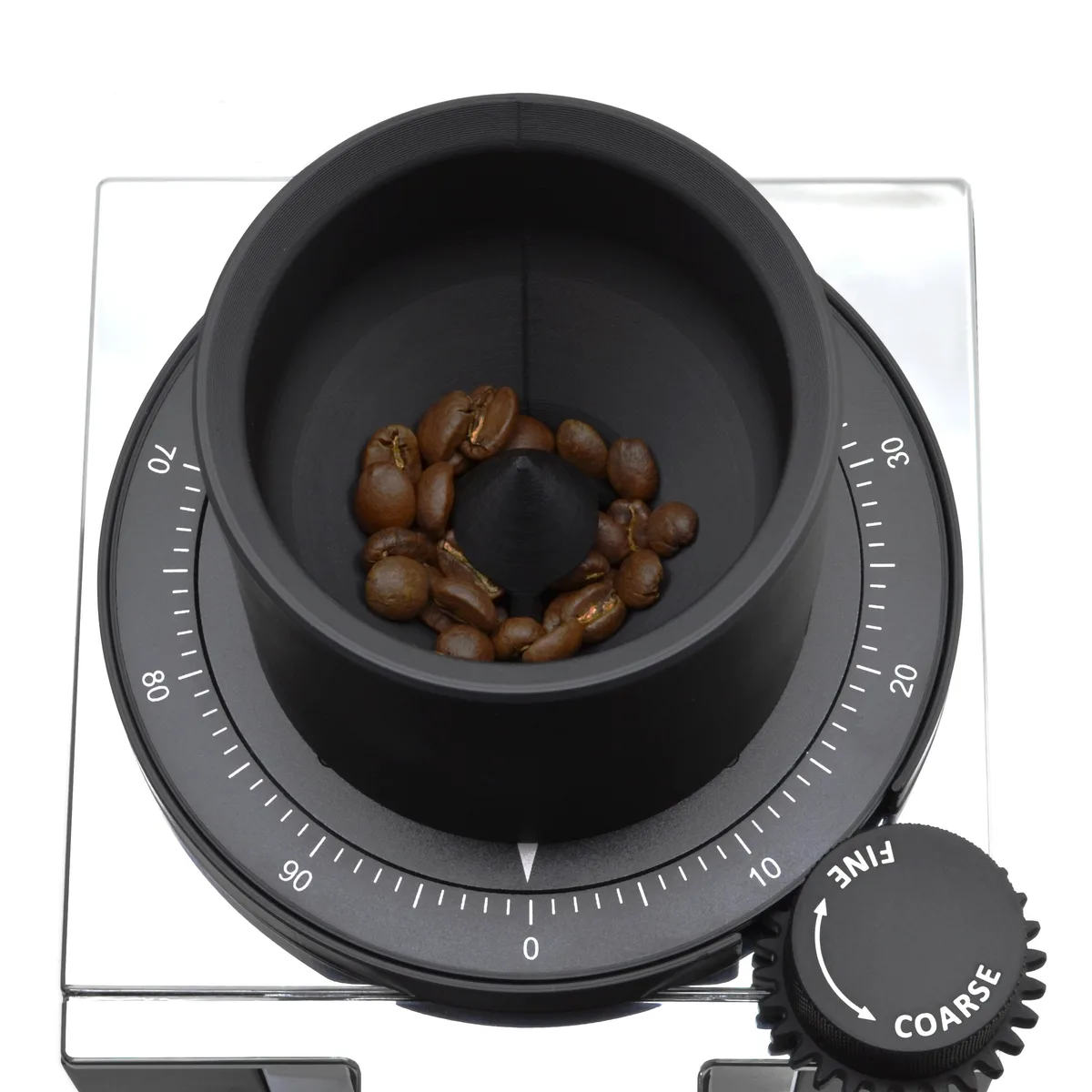
Image source: Bing (Web (fair-use with source credit))
When your grind is too coarse, water rushes through too fast, resulting in under-extracted espresso. This typically tastes sour, weak, and lacks body. Conversely, a grind that’s too fine slows the water down to a crawl, leading to over-extraction.
This usually manifests as bitter, burnt, and astringent flavors, often with a slow, dripping shot.
Espresso Tasting Guide: Sour vs. Bitter Explained
Understanding the taste profile of your espresso is your primary tool for adjusting your grinder. Think of it as a feedback loop, the taste tells you whether your grind is too coarse or too fine.
- Sour Espresso: This is the hallmark of under-extraction. If your shot pours too quickly (often under 20 seconds) and tastes sharp, acidic, or like uncooked dough, your grind is likely too coarse. The water hasn't had enough contact time with the coffee grounds to pull out the desirable sweetness and body.
- Bitter Espresso: This signals over-extraction. If your shot takes too long to pour (over 30 seconds) and tastes harsh, burnt, or like charcoal, your grind is likely too fine. The water has been in contact with the grounds for too long, extracting undesirable bitter compounds.
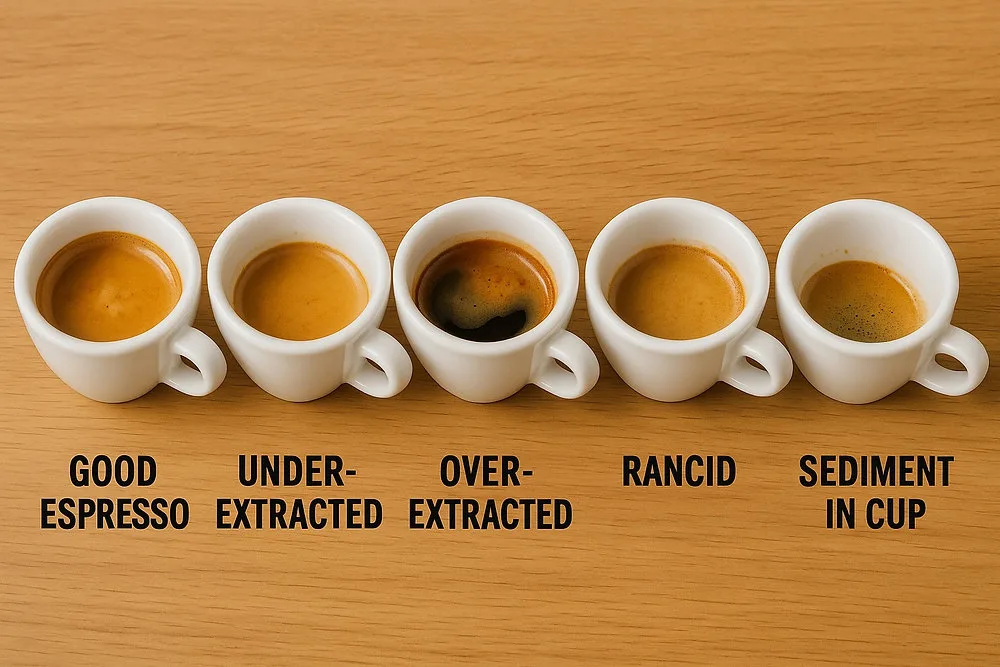
Image source: Bing (Web (fair-use with source credit))
Sometimes, a shot might taste unbalanced rather than purely sour or bitter, even if the time is within range. This is where tiny adjustments come into play, nudging the flavor towards sweetness and complexity. You’re not just aiming for a specific time; you’re aiming for a delicious taste.
The Espresso Grind Adjustment Workflow: Step-by-Step
Adjusting your grinder is a systematic process. It's not about random turns of the dial; it's about observing, tasting, and making intentional changes. This workflow is designed to guide you from a problematic shot to a perfectly dialed-in one.
Step 1: Assess Your Current Shot
Before you touch anything, pull a shot with your current grinder setting. Pay close attention to these three things:
- Time: How long does it take from when you first engage the pump to when you stop the shot (aiming for your desired volume, typically 36-40 grams of liquid for a double)?
- Flow: Does the espresso stream out in a steady, honey-like flow, or does it rush out like water, or drip agonizingly slowly?
- Taste: What are the primary flavors you're detecting? Is it sour, bitter, balanced, sweet, watery, or harsh?
Note these observations down. They are your starting point for making adjustments. If you're experiencing issues with your espresso machine itself, you might want to look into general guides on how to troubleshoot a coffee maker.
Step 2: Adjusting Finer (When it's Too Fast/Sour)
If your shot pulled too quickly and tasted sour, your grind is too coarse. You need to make it finer.
- Action: Turn your grinder's adjustment dial finer. Most grinders move finer by turning the dial in a specific direction (often clockwise, but check your manual). Make a small adjustment, a single click or a quarter-turn, depending on your grinder.
- Grind Fresh: Grind a new dose of your coffee beans.
- Pull Shot: Pull another shot.
- Observe & Taste: Check the time and taste. Is it closer to the desired 25-30 second range? Is the sourness reduced?
If it's still too fast and sour, repeat this step. Make small, incremental adjustments.
Step 3: Adjusting Coarser (When it's Too Slow/Bitter)
If your shot poured too slowly and tasted bitter, your grind is too fine. You need to make it coarser.
- Action: Turn your grinder's adjustment dial coarser. Again, make a small adjustment, a single click or a quarter-turn.
- Grind Fresh: Grind a new dose of beans.
- Pull Shot: Pull another shot.
- Observe & Taste: Is the time now closer to the target? Is the bitterness reduced?
If it's still too slow and bitter, repeat this step. If you find yourself going back and forth significantly, you might be making too large of adjustments or have an issue with your machine, like a coffee maker leaking water.
Step 4: Fine-Tuning for Perfect Taste
Once your shot time is in the ballpark (around 25-30 seconds), you can focus on the taste.
- Action: Make even smaller adjustments to the grind setting. If the shot is still a bit too acidic or lacks sweetness, try adjusting finer by just a tiny amount. If it’s slightly muted or a bit thin, try adjusting coarser by a small amount.
- Grind Fresh: Grind your beans.
- Pull Shot: Pull a shot.
- Taste Critically: Does it have sweetness? Is the acidity pleasant and balanced, not sharp? Is the body rich? This is where you're chasing that perfect flavor profile.
It's a nuanced process, and many baristas consider this the most rewarding part of making espresso. If you're struggling with consistency, ensure your coffee maker water reservoir is clean.
Image source: Bing (Web (fair-use with source credit))
Common Espresso Grinding Mistakes to Avoid
Even with a clear workflow, it's easy to fall into common traps that can frustrate your dialing-in process. Being aware of these will save you time and coffee.
- Making Too Many Changes at Once: Don't adjust the grind size, dose amount, and tamping pressure all between shots when you're trying to dial in. Change only one variable at a time, typically the grind, until you understand its impact.
- Not Grinding Fresh: Always grind fresh beans for each test shot. Old grounds won't give you accurate feedback, as they've already started to stale.
- Inconsistent Dosing or Tamping: If you're not weighing your beans precisely or tamping with consistent pressure, you'll introduce variables that mask the effect of your grind adjustments. Aim for consistency in these steps.
- Ignoring Taste for Time Alone: While shot time is a good indicator, it's not the only metric. A shot at 28 seconds can still taste awful if the grind isn't right. Always prioritize taste.
- Grinding Too Coarsely for Espresso: Espresso requires a fine grind. If your grinder can't go fine enough to restrict flow within 25-30 seconds, it might not be suitable for espresso.
- Not Calibrating Your Grinder: Over time, burrs can wear or settings can drift. Understand how to reset or calibrate your grinder if it seems like it's no longer producing a fine enough grind.
Expert Tips for Consistent Espresso Adjustments
Achieving consistent, delicious espresso shots comes down to understanding a few key principles beyond the basic workflow. These tips will help you refine your technique and get the most out of your grinder and beans.
- Understand Your Beans: Different roast levels and bean origins will require different grind settings. Darker roasts are more soluble and often need a slightly coarser grind than lighter roasts. Be aware of the age of your beans, as they become more soluble as they age.
- Dial-In from Room Temperature: Ensure your espresso machine and grinder are at stable room temperature before you start. Temperature fluctuations can affect extraction.
- Use a Scale: Weighing your coffee dose and your espresso output (yield) is crucial for consistency. Aim for a dose between 18-20 grams for a double shot, and a yield of 36-40 grams. This ensures you’re comparing apples to apples when adjusting grind.
- Clean Your Grinder Regularly: Coffee oils and fines can build up in your grinder, affecting grind consistency and taste. Regular cleaning, as recommended by the manufacturer, is essential. If your machine is having other issues, consult guides on how to clean a coffee maker.
- Embrace Small Adjustments: It's better to make many small adjustments than a few large ones. A single "click" on many grinders can significantly alter your shot.
- Factor in Humidity: High humidity can make coffee grounds clump and affect their flow. You might need to grind finer on humid days.
- Keep a Log: Note down the beans you used, the grind setting, dose, yield, time, and taste notes. This log is invaluable for troubleshooting and replicating successful shots. If you encounter issues with your machine itself, understanding how to fix a coffee maker can be a helpful reference.
Espresso Grinder FAQs
Does grind size affect crema?
Yes, grind size significantly impacts crema. If your grind is too coarse, the shot extracts too fast, leading to thin, wispy crema that dissipates quickly. If your grind is too fine, the shot might choke, producing little to no crema or very dark, bubbly crema that tastes burnt.
The ideal fine grind allows for proper pressure buildup and extraction, creating a rich, stable crema.
How often should I adjust my grinder?
You should adjust your grinder whenever you change coffee beans, as different beans have varying densities and roast levels. It's also wise to make small adjustments if your beans are getting older, as their solubility changes over time. Even changes in humidity can require a slight grind adjustment.
Can my espresso machine affect grind settings?
Absolutely. Espresso machines have different brewing pressures and water flow rates. A machine with higher pressure or a more aggressive pump might require a slightly coarser grind to achieve the same shot time as a lower-pressure machine.
Understanding your specific espresso machine's characteristics is part of the dialing-in process. If your machine is having other issues, you may find how to use a programmable coffee maker helpful.
What if my grinder doesn't have enough adjustment range?
If your grinder consistently produces shots that are either too fast and sour (too coarse) or too slow and bitter (too fine) with no in-between settings, it likely lacks the necessary fine-tuning capability for espresso. Some grinders are better suited for French press or drip coffee. For espresso, you need a grinder capable of producing very fine, consistent grounds.
If your machine is showing other signs of trouble, you might find how to fix a coffee maker helpful.
How do I know if my grinder is broken?
Signs of a broken or malfunctioning grinder include inconsistent grind size, excessive fines (powdery coffee dust), the grinder making unusual noises, or a complete failure to grind. If the grind size seems stuck and won't adjust, or if the output is completely unusable for espresso, it's time to investigate further. If you're troubleshooting the machine itself, you can refer to guides on how to clean a single serve coffee maker.