How to Choose a Pressure Cooker
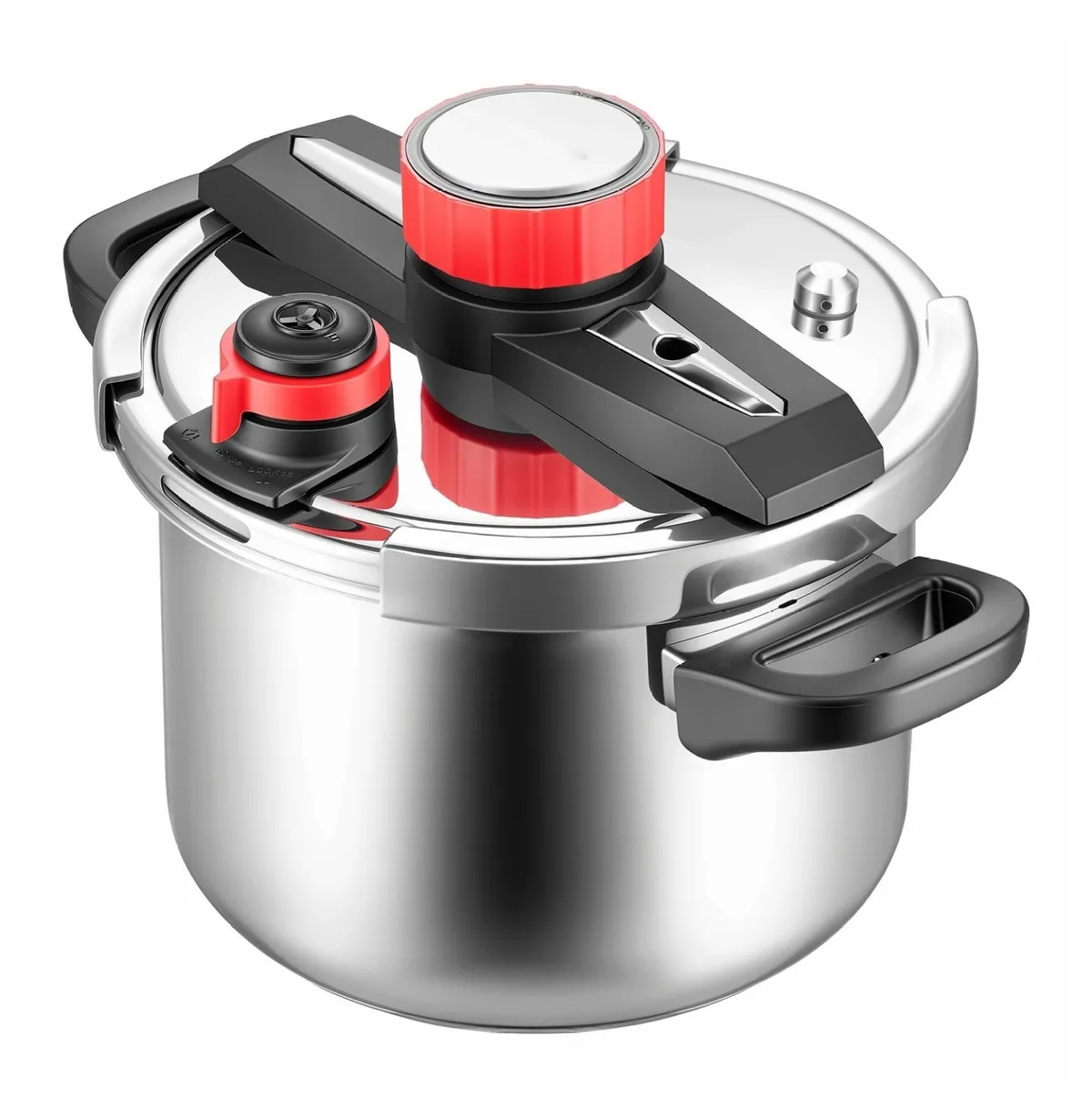
Image source: Bing (Web (fair-use with source credit))
Stovetop vs. Electric: The First Big Decision
How They Actually Differ in Everyday Cooking (Not Just on Paper)
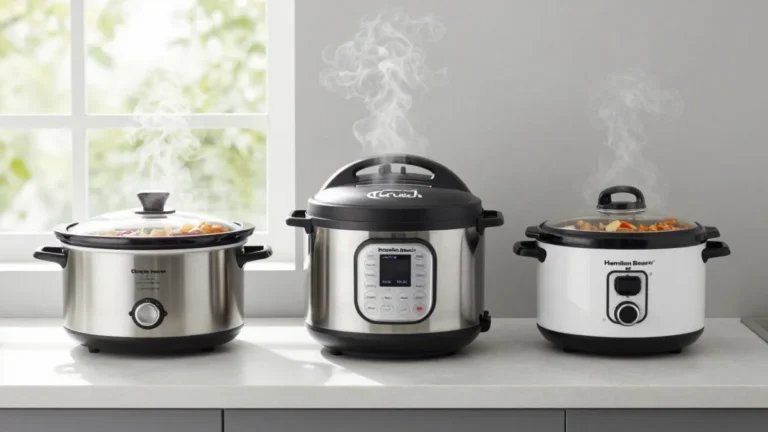
Stovetop and electric pressure cookers both build pressure, but they behave differently on a busy weeknight. A stovetop unit heats from the bottom, so it feels like a rocket. You turn the knob to high, watch the valve hiss, then drop the heat to stabilize.
That dance takes about five to ten minutes total. The payoff is a full 15 psi that breaks down collagen in a chuck roast faster and gives you crisp browning when you sauté first.
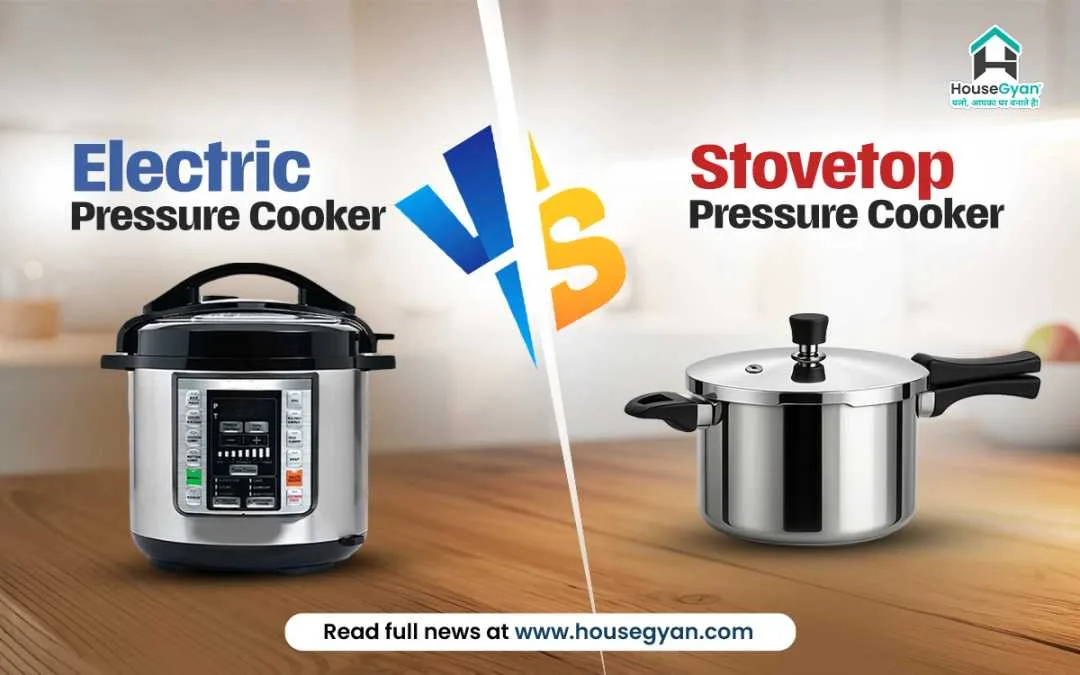
Image source: Bing (Web (fair-use with source credit))
Electric units are more like a patient houseguest. They bring pressure up slowly, sometimes taking fifteen minutes, but they hold it perfectly. You press a button for beans or soup, and the machine does the thinking.
You can leave the room without worrying about the flame. For texture, stovetop wins for meats with connective tissue. For grains and vegetables, electric's gentle cycle often means fewer scorched spots.
The real question is whether you enjoy managing a pot or want to forget it exists. If you like control, stovetop. If you want convenience, electric.
Also consider your heat source. Induction cooktops need a pressure cooker with a magnetic base. Many stovetop models aren't compatible, so verify the base material before you commit.
Inside the Pressure Cooker: The Parts That Matter Most
PSI Levels, Valve Types, and Why Gaskets Make or Break Your Meals
The pressure level is the engine of the whole system. Stovetop models typically reach 15 psi, which translates to a cooking temperature around 250°F. Electric models cap out at 10 to 12 psi, so they need an extra ten to fifteen minutes for tough cuts.
That's the biggest measurable difference in everyday use.
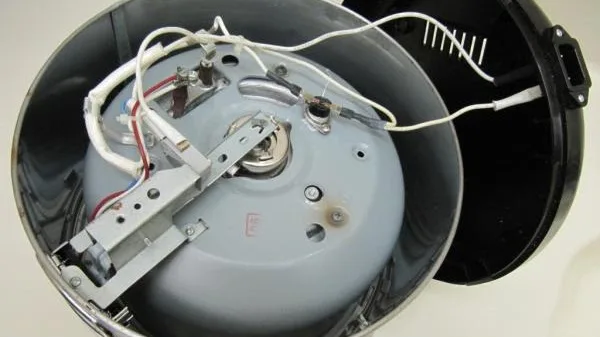
The valve type also changes your experience. Older weighted jiggle valves hiss and rock constantly, alerting you to every fluctuation. Newer spring valves, found on premium stovetop units, stay silent and release pressure only as needed.
Electric models rely on sensors, so you get a steady hum instead of a rattle.
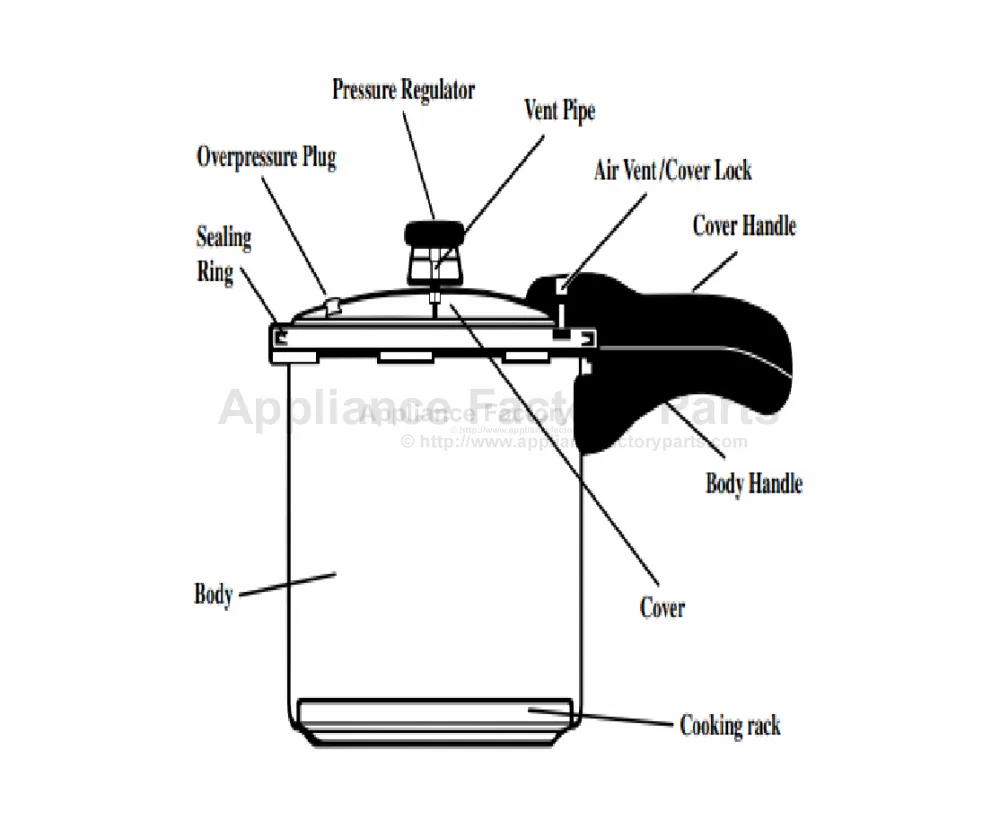
Image source: Bing (Web (fair-use with source credit))
The gasket, or sealing ring, is the unsung hero. It's a rubber loop that creates the airtight seal. If it's cracked or stretched, steam escapes, and your food cooks unevenly.
Most gaskets last about eighteen months before they need replacing. A spare gasket costs twenty dollars and saves you a ruined pot roast. Keep it clean and free of grease, and always check it before the first use of a batch-cooking session.
Stainless Steel vs. Aluminum: Which Pot Body Should You Choose?
Stainless steel is the standard for serious cooks. It resists scratching, doesn't react with acidic foods like tomatoes, and works on induction cooktops when it has a magnetic base. The downside is cost.
A stainless stovetop cooker runs double the price of an aluminum one.
Aluminum is lightweight and heats evenly, which makes it common in budget-friendly electric models. But it's soft, prone to dents, and it can leach a metallic taste into very acidic dishes. For everyday cooking, stainless steel is the safer bet.
For occasional use or camping, aluminum is fine.
Side-by-Side Comparison: Stovetop vs. Electric at a Glance
Pros and Cons for Each Type
| Feature | Stovetop | Electric |
|---|---|---|
| Pressure reached | 15 psi | 10-12 psi |
| Time to pressure | 5-10 minutes | 10-15 minutes |
| Heat control | Manual, requires attention | Automatic, set and forget |
| Counter space | Stored in a cabinet, used on a burner | Takes up permanent counter space |
| Price range | $40-$250 | $60-$180 |
| Best for | Speed, browning, canning | Convenience, cooking grains, beginners |
Stovetop models win on speed and power. They also allow pressure canning, which the USDA says requires a vented cooker at 15 psi. Electric models can't reach that level, so they're not safe for low-acid canning.
If you've ever wanted to preserve vegetables, that's a dealbreaker.
The 6-Quart Sweet Spot: Choosing the Right Capacity for Your Household
Capacity is one of those things people regret guessing wrong. A 3-quart cooker is perfect for side dishes or a single chicken breast. An 8-quart model handles a whole roaster chicken, but it's heavy and slow to heat.
The happy medium is 6 quarts. It fits a 5-pound pot roast, feeds a family of four, and doesn't crowd your storage space.
If you meal prep for the week, go up to 8 quarts. If you're a couple who cooks small batches, stick with 6. Just don't buy the smallest size out of habit.
You'll end up with leftover stew all over the counter.
Which Pressure Cooker Is Right for You? Use Cases That Point the Way
Small Kitchens, Big Families, Camping, and Canning: Matching the Tool to Your Life
Think about where you cook. A tiny apartment kitchen probably doesn't have room for an electric pressure cooker parked on the counter. A stovetop model slides into a cabinet and only appears when you need it.
That's a huge win for space-constrained cooks.
For big families, electric models shine. You can brown, simmer, and pressure cook in the same pot, so you're not juggling three pans. Plus, the keep-warm function lets picky eaters serve themselves at their own pace.
Just remember that an electric unit needs more liquid than a stovetop one to protect its sensor. You'll often see warnings about a bare minimum of a cup of liquid.
Camping and off-grid cooking call for a stovetop cooker. You can place it on a portable camp stove and make a hot stew without any electricity. For pressure canning at home, a stovetop cooker is the only safe option.
The USDA explicitly states that low-acid foods must be processed at 15 psi, something electric multi-cookers can't achieve. If you plan to can, that settles the debate right there.
Common Pressure Cooker Mistakes That Ruin Meals (and Safety)
Overfilling, Quick-Release Blunders, and Gasket Neglect
The most common mistake is overfilling. Every pressure cooker has a fill line, usually at two-thirds full. For beans and grains that foam, you must stop at half full.
Exceed that line, and the valve can clog, preventing steam from escaping and building dangerous pressure. The official safety guidance from the USDA is clear: never fill past the manufacturer's line.
Another mistake is releasing pressure the wrong way. Quick release sends a violent burst of steam upward. If you've ever opened the valve with your face above it, you know the sting.
Always turn the valve away from you, and use a wooden spoon or tongs to flip it. Natural release takes ten to fifteen minutes, but it keeps meat tender and avoids spatters.
Finally, don't ignore the gasket. A tight seal depends on a clean, flexible ring. Grease trapped under the gasket causes leaks, and a warped gasket needs replacement.
Some cooks keep a spare in a drawer as a reminder. Oil the gasket lightly now and then to extend its life. That small habit prevents half a dozen frustrating failures down the road.
Pricing, Specs, and Data: What the Numbers Really Mean
Price tells you a lot, but not everything. A budget stovetop cooker costs $40 to $60. It's often aluminum with a simple weighted valve.
A mid-range stainless model runs $70 to $120 and adds better gaskets. Premium European stovetop models climb past $200 with five-layer bases and silent spring valves.
Electric multi-cookers follow their own curve. Most 6-quart units land between $80 and $170. The extra cost buys digital presets, a sauté function, and a keep-warm mode.
Our research shows that paying more than $150 for an electric model rarely improves cooking power. You're paying for build quality and warranty.
| Price Band | Typical Models | What You Get |
|---|---|---|
| Budget | Aluminum stovetop, basic electric | Lower PSI, lightweight, simple controls |
| Mid-range | Stainless stovetop, standard multi-cooker | 15 psi stovetop, even heating, reliable safety locks |
| Premium | European stovetop, high-end multi-cooker | Induction-compatible, silent operation, durable parts |
Always check the certification label. Electric pressure cookers sold in North America should have a UL or ETL listing. That marks independent testing for electrical safety.
If you weigh your ingredients for consistent results, a precise scale is just as important as the pot. You can learn how to set up a good one in this guide to using a kitchen scale.
Your Final Purchase Checklist: A Short Decision Guide
Before you click buy, run through this quick checklist.
- Is the pot compatible with your heat source? Check for induction-compatible bases if you have an induction cooktop.
- Are safety locks present? Look for a lid lock that prevents opening under pressure.
- Does the gasket have a spare available? A common size matters more than a fancy brand.
- What is the PSI? Stovetop should reach 15 psi. Electric will top out at 10 to 12 psi.
- Does the capacity fit your household? Six quarts is the standard for a family of four.
Use if/then logic to narrow the field. If you plan to can foods, choose a vented stovetop cooker at 15 psi. If you want hands-off convenience, go electric.
If you have limited counter space, pick a stovetop model you can store in a cabinet.
One more consideration: measurement precision. Pressure cooker recipes need exact liquid ratios. Use a scale for dry ingredients to avoid soup that's too thin or too thick.
If you're new to that habit, a simple scale designed for kitchen work will help. It also helps if your scale is properly calibrated before you rely on it.
Frequently Asked Questions
Stovetop or electric pressure cooker for a beginner?
Electric is the friendlier place to start. It monitors pressure automatically and shuts off when the timer ends. Stovetop requires you to adjust heat as the pot hisses.
That learning curve is manageable, but it adds stress. Most first-timers succeed faster with a 6-quart electric model.
How much liquid do I need in a pressure cooker?
You need at least one cup of liquid in most electric models to build pressure. Stovetop cookers need a little more, usually one and a half cups. Never fill past the two-thirds mark.
For beans and grains that foam, stop at half full to avoid clogging the valve. For dry ingredients like rice, weigh dry ingredients to keep ratios consistent.
Can I pressure can with an electric pressure cooker?
No. The USDA states that low-acid foods must be processed at 15 psi. Most electric models only reach 10 to 12 psi.
Use a vented stovetop pressure cooker with a gauge for pressure canning. This isn't a preference, it's a safety rule. You can check the official guidance at USDA.gov.
Why does my pressure cooker not come to pressure?
A cracked gasket is the usual culprit. Check for steam escaping around the lid. Also verify that the valve is set to the sealed position.
Overfilling can also block the valve. Finally, confirm you have enough liquid inside the pot. If you measure liquids by weight, make sure your scale is accurate before troubleshooting further.