Air Fryer vs Oven
So, you're staring into your kitchen, wondering about the air fryer vs oven debate. It's not just about fancy gadgets; it's about making smarter cooking choices for what you're actually making. We've all been there, trying to figure out if the big, reliable oven is the right call, or if that newer air fryer can actually do the job faster and better.
The core of this choice boils down to capacity, speed, and the specific texture you're aiming for. Manufacturer specifications for a standard oven indicate cooking temperatures can reach up to 500°F (260°C), while a typical air fryer often operates in a similar range but circulates air much more intensely. This difference impacts everything from how quickly your food cooks to how crispy it gets.

Quick Answer
Ovens are best for large batches and consistent baking; air fryers excel at speed and crisping small portions. Use the oven for roasts and cakes. Reach for the air fryer for fries, wings, or quick snacks.
As of 2026, both remain essential kitchen tools.
The Oven: Your Kitchen Workhorse
The conventional oven is the undisputed champion of large-scale cooking and baking. It's the heart of many kitchens for a reason: its size and consistent heating capabilities allow for a wide range of culinary endeavors that smaller appliances simply can't handle. Whether you're preparing a holiday feast or tackling a complex baked dessert, the oven is usually your go-to.

What an Oven Does Best
When it comes to cooking for a crowd or preparing dishes that require even, sustained heat, the oven shines. Its larger internal space allows for multiple racks, meaning you can bake cookies, roast vegetables, or cook casseroles simultaneously without much fuss. The consistent heat distribution is crucial for achieving that perfect, even bake on cakes and pies, or for ensuring a large roast cooks through without drying out the exterior before the inside is done.
It’s the machine for when "big" and "even" are the most important factors.
When an Oven Might Not Be Your First Choice
However, the oven's strengths can also be its weaknesses. For smaller cooking tasks, like preparing a snack for one or two people, firing up a full-sized oven can feel like using a sledgehammer to crack a nut. It consumes more energy and takes significantly longer to preheat compared to more compact appliances.
If you're craving crispy fries but only want a small portion, waiting for the oven to reach temperature might test your patience, and the results might not be as uniformly crunchy as you'd like.
The Air Fryer: The Speedy Crisper
The air fryer has exploded in popularity, largely due to its ability to deliver crispy, fried-like textures with significantly less oil and in a fraction of the time compared to traditional ovens for many items. It operates much like a small, super-powered convection oven, circulating hot air at high speeds to cook food quickly and efficiently. This makes it a fantastic tool for specific kitchen needs, especially when speed and crunch are priorities.
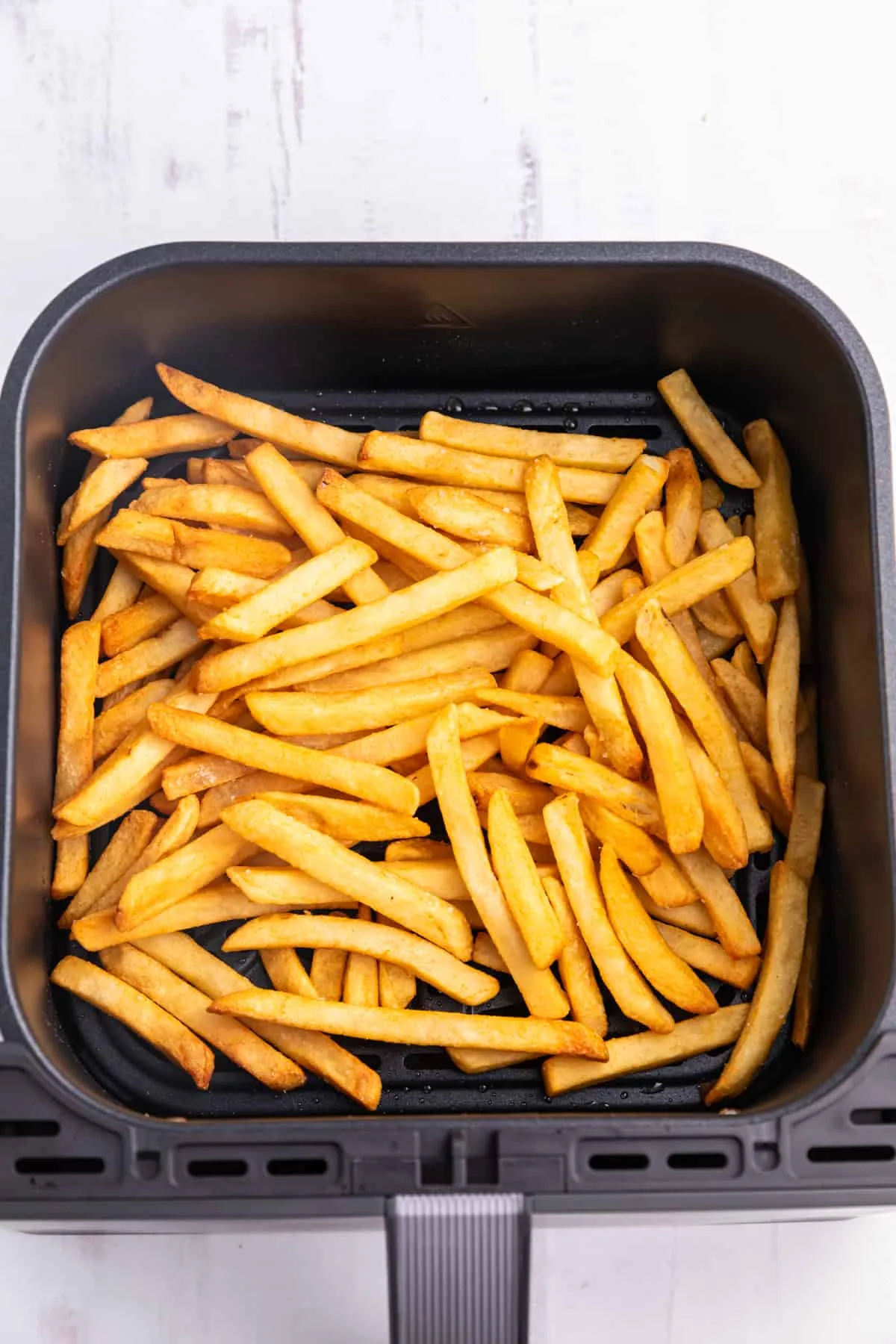
What an Air Fryer Does Best
The air fryer truly excels at making things incredibly crispy. Think of your favorite French fries, chicken wings, or even vegetables like Brussels sprouts. The intense, rapid circulation of hot air creates a crunchy exterior that's hard to replicate in a conventional oven without overcooking the inside or taking much longer.
It’s also incredibly fast to heat up, often ready to cook in just a few minutes, which is a huge win for busy weeknights or when you need a quick bite. For single servings or small batches, it's an energy-efficient choice that saves you from heating a large oven.
When an Air Fryer Might Not Be Your First Choice
While a champion for crispiness, the air fryer has limitations. Its compact size means it’s not suitable for cooking large items or multiple portions at once; trying to cram too much food into the basket leads to uneven cooking and a distinct lack of crispiness. For delicate baked goods, like a light sponge cake or a flaky pastry, the intense air circulation can sometimes be too aggressive, potentially causing uneven baking or drying out the delicate structure.
If you're aiming for that slow-cooked, fall-apart tenderness of a pot roast, an air fryer will likely dry out the meat before it gets tender.
Side-by-Side: Oven vs. Air Fryer Breakdown
When you're deciding which appliance to use, it's helpful to see how they stack up across key features and performance factors. This comparison isn't about declaring a winner, but about understanding where each tool truly shines.
Key Features and Performance Factors
| Feature | Oven | Air Fryer |
|---|---|---|
| Primary Function | Baking, roasting, broiling large/multiple items | Crisping, fast cooking of small/medium portions |
| Heat Distribution | Even, sustained heat across a large space | Intense, rapid hot air circulation |
| Capacity | Large (full chickens, multiple pans, large roasts) | Small to medium (baskets, trays for 1-4 servings) |
| Preheat Time | Longer (10-20 minutes typical) | Shorter (2-5 minutes typical) |
| Cooking Speed | Slower for many items | Faster for many crispy applications |
| Crispiness | Good, but often takes longer; can require higher temps | Excellent, often achieved quickly with less oil |
| Energy Use | Higher for general use; efficient for large batches | Lower for small portions; less efficient for large batches |
| Versatility | High (baking, roasting, broiling, dehydrating) | High, but focused on crisping and fast cooking; some baking |
| Cleaning | Can be involved (racks, interior, self-clean cycles) | Often easier with non-stick baskets, but interiors can vary |
Energy Use: A Quick Comparison
As of 2026, energy efficiency is on everyone's mind. For cooking small portions, an air fryer typically uses less energy than a conventional oven. For instance, cooking a small batch of fries might use about 1-2 kWh in an air fryer, whereas using a conventional oven for the same task could easily consume 2-3 kWh due to its larger heating element and longer preheat time.
However, when cooking large meals or multiple items simultaneously, a large oven can be more energy-efficient per serving than running multiple batches in an air fryer.
Air Fryer or Oven? Matching the Tool to the Task
Deciding between an air fryer and an oven really comes down to what you’re trying to achieve in the kitchen. They aren't always interchangeable, and using the right appliance for the job can make a significant difference in both the outcome and your overall cooking experience.
Best for Crispy Snacks and Quick Meals
If your main goal is achieving that satisfying crunch, the air fryer is your undisputed champion. Think golden-brown chicken wings, perfectly crisp French fries, or seasoned roasted vegetables with a delightful char. It’s also incredibly efficient for quick meals or snacks for one or two people.
For example, cooking a single serving of frozen chicken tenders takes about 12-15 minutes in an air fryer, compared to potentially 20-25 minutes in a preheated oven, and the texture is often far superior. If speed and crispiness are paramount, the air fryer is the way to go.
Best for Large Roasts and Baking
When it comes to cooking for a group or tackling delicate baked goods, the conventional oven is the clear choice. Its spacious interior and ability to maintain a stable, even temperature are crucial for roasting a whole turkey, baking a multi-layer cake, or preparing a large lasagna. Trying to fit a large turkey into an air fryer is simply not feasible, and the intense air circulation of an air fryer can sometimes lead to uneven baking or dry edges on delicate cakes, whereas an oven provides that gentle, all-around heat needed for consistent results.
Best for Small Portions and Reheating
The air fryer really shines when you're cooking for one or two people. It heats up much faster than a conventional oven, saving time and energy. If you've got a small portion of leftovers, like a couple of slices of pizza or some roasted vegetables, an air fryer can bring them back to life with a crisp texture that microwaves can’t match.
This makes it an excellent choice for busy individuals or couples who don't need to cook large meals regularly. For comparison, reheating a slice of pizza in an air fryer might take 3-5 minutes at 375°F (190°C), while a conventional oven might need 5-10 minutes at the same temperature.
Common Mistakes to Avoid When Using Either
Both ovens and air fryers are fantastic tools, but using them incorrectly can lead to disappointing results. For air fryers, a very common pitfall is overcrowding the basket. If you pack it too tightly, the hot air can’t circulate properly, and your food ends up steamed and soggy instead of crispy.
Always leave some space around your food for air to move freely. Another mistake is not preheating. While air fryers heat up fast, they still benefit from a few minutes of preheating to ensure even cooking from the start.
With ovens, one frequent error is opening the door too often, especially during baking. Each time you open the door, you lose significant heat, which can cause cakes to fall or roasts to cook unevenly. Trust the timer and the visual cues.
Also, remember that oven temperatures can vary between models, and even between racks within the same oven. Using an oven thermometer can help you verify the actual temperature, as manufacturer specifications are just guidelines. For instance, per ISO 8153 standards, oven temperature accuracy can fluctuate by up to ±15°F (±8°C).
Final Verdict: Do You Need Both?
The question of whether you need both an air fryer and an oven isn't always an easy "yes" or "no." Many kitchens find that having both appliances offers the most versatility. The oven remains indispensable for large-scale baking, roasting, and cooking meals for a group. It handles tasks like baking a cake or roasting a whole chicken with an evenness and capacity that smaller units can't match.
However, the air fryer brings unique benefits to the table, particularly for speed and achieving crispy textures. It's a game-changer for quickly preparing snacks, side dishes, or smaller portions of food that benefit from high-heat, rapid air circulation. For example, reheating leftover breaded fish or chicken in an air fryer can restore its crispness, a feat difficult to accomplish in a conventional oven without drying out the interior.
The specific requirements of your household and your typical cooking habits will ultimately determine if both appliances are necessary or if one can serve most of your needs.
Frequently Asked Questions
How long does an air fryer typically take to preheat?
Air fryers usually preheat much faster than conventional ovens, often taking only 2-5 minutes. This quick preheat time contributes to their overall speed advantage for cooking smaller portions.
Can an air fryer replace a conventional oven for baking?
While some air fryers can bake small items, they aren't a full replacement for a conventional oven. The intense air circulation can sometimes lead to uneven baking or drying out delicate pastries.
Which appliance is more energy-efficient for cooking small batches?
For cooking small portions, an air fryer is generally more energy-efficient due to its smaller size and faster preheat time compared to a full-sized oven.
Is it possible to cook a whole turkey in an air fryer?
No, most standard air fryers are too small to accommodate a whole turkey. This type of large roasting task is best suited for a conventional oven.