How to Clean a Food Scale
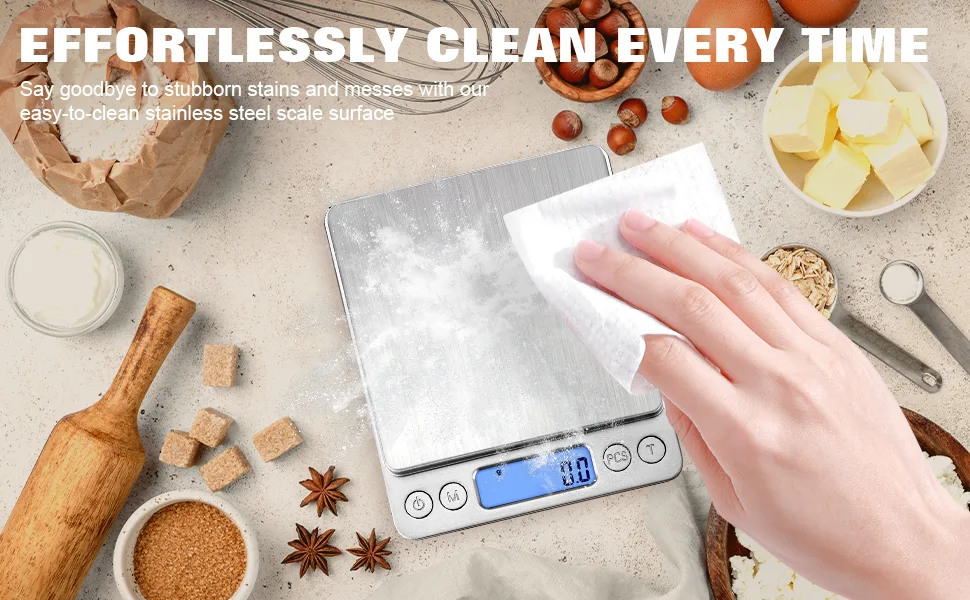
Image source: Bing (Web (fair-use with source credit))
Why Your Food Scale Needs a Clean Up
Keeping your kitchen tools clean is key to both hygiene and good results. Your food scale, in particular, can get pretty grimy with flour dust, sticky spills, or even greasy build-up from ingredients. Knowing how to clean a food scale properly ensures it remains accurate and ready for your next recipe.
Most electronic food scales are not waterproof, and manufacturer specifications often advise against immersing them in water. Aggregated user feedback indicates that a gentle, targeted cleaning approach is best for most models. This guide will walk you through the smartest ways to tackle different messes.
Quick Answer
Clean your food scale by wiping it with a barely damp cloth. For sticky messes, use a little mild soap. Always dry thoroughly and avoid immersing electronic scales in water.
Cleaning Your Food Scale: The Big Decision Point
The best way to get your food scale sparkling clean really comes down to what kind of mess you’re facing. Different substances require different approaches to ensure you get it clean without causing damage. Think of it like choosing the right tool for the job; you wouldn't use a hammer to paint a wall.
Your food scale's surface and internal electronics need similar consideration.
The primary factor in deciding your cleaning method is the nature of the grime. Is it a few dry, powdery remnants, or something stickier that’s hardened on? This initial assessment is the first step in our cleaning workflow.
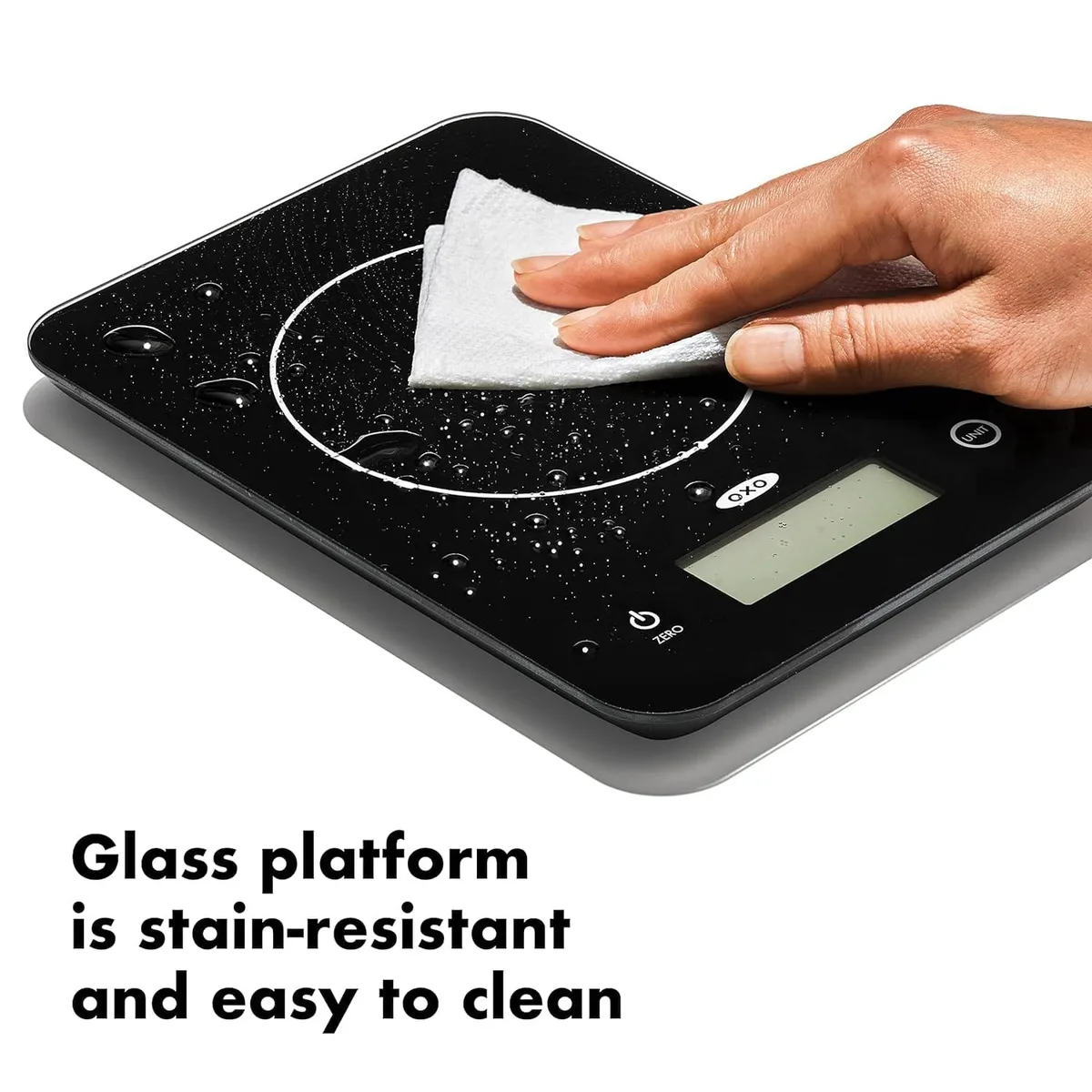
Image source: Bing (Web (fair-use with source credit))
What Kind of Mess Are You Dealing With?
- Dry Crumbs or Dust: These are the easiest to handle. Think flour, sugar granules, spices, or general dust that can accumulate.
- Sticky Residue: This could be anything from honey, syrup, jam, or even sugary liquids that have dried onto the surface.
- Wet Spills (Liquid): Water, juice, broth, or other non-greasy liquids that have splashed onto the scale.
- Greasy Messes: Oils, butter, or fatty ingredients that can leave a slick residue behind.
This first decision point dictates the subsequent steps and the tools you’ll need. Getting this right saves you time and prevents potential damage.
Dry Crumbs or Dust? Easy Does It
If your food scale is just coated in dry ingredients like flour, sugar, or spices, you’re in luck. This is the simplest cleaning scenario and requires minimal effort. The goal here is to gently remove the loose particles without pushing them into any crevices or electronic components.
- Gentle Sweeping: Grab a soft brush. A clean pastry brush, a soft-bristled paintbrush, or even a firm makeup brush works well. Gently sweep all the visible crumbs and dust from the scale’s surface and around its edges. Aim the debris into your hand or a dustpan to avoid spreading it further.
- Light Wipe-Down: Take a soft, clean cloth. Dampen it very slightly with plain water. You want the cloth to be barely moist, not wet. Gently wipe down the scale’s surface to catch any remaining fine dust.
- Immediate Drying: Use a separate, dry, soft cloth to give the scale a quick buff. Ensure there’s no lingering moisture before you put it away or use it again.
This method is quick and effective for maintaining a clean scale between more significant cleanings. It helps prevent dry ingredients from becoming sticky if they get damp later.
Sticky Residue or Mild Spills? A Little More Elbow Grease
When you’re dealing with something sticky, like honey, jam, or syrup, a simple dry sweep won't cut it. These substances can adhere stubbornly to the surface and attract more dirt if not removed properly. This scenario requires a bit more attention, but it’s still straightforward.
- Careful Scraping: If the sticky substance has dried and hardened, try to gently lift it with a plastic spatula or even your fingernail. The key here is "gently", you don't want to scratch the scale's surface. For very tough spots, you might need to re-dampen the area slightly with water to soften it before scraping.
- Slightly Soapy Cloth: Get another soft, clean cloth. Dampen it with warm water and add just a tiny drop of mild dish soap. You're aiming for just enough soap to help break down the stickiness, not to create a lot of suds. Aggregated user feedback suggests using a minimal amount of soap to avoid residue.
- Wipe and Rinse Residue: Gently wipe the sticky areas with your lightly soaped cloth. Once the stickiness is gone, take a new, clean cloth that’s been dampened only with plain water. Wipe down the area again to remove any soap remnants. This is crucial for preventing a slippery surface or affecting future weighings.
- Thorough Drying: Just like with dry messes, immediate and complete drying is essential. Use a dry, soft cloth to buff the scale until it’s completely dry. Pay attention to seams and the display area.
This process ensures that sticky residues are fully removed, leaving your scale clean and ready for use without any lingering tackiness.
Wet Spills or Greasy Messes? Proceed with Caution
Tackling wet spills or greasy build-up on your food scale demands the most careful approach, especially if it’s an electronic model. Water and grease can both cause issues if they get into the wrong places. Manufacturer specifications generally warn against submerging scales, as this can quickly damage the internal electronics.
- Immediate Spill Absorption: If you spill liquid, grab a dry paper towel or a clean, absorbent cloth instantly. Blot up as much of the spill as possible right away. Don't let liquids sit and seep into the scale’s housing or buttons.
- Surface Cleaning with Mild Soap: For both wet and greasy messes, use a soft cloth that's barely damp with warm water and a very small amount of mild dish soap. Gently wipe the affected surface. You want just enough moisture to lift the grime, not enough to drip. Official guidance from appliance manufacturers often stresses using minimal water on electronic devices.
- Crucial Water Seepage Prevention: Never, ever dunk an electronic food scale into water. Even if your scale has a splash-resistant rating, it's usually not fully waterproof. Always use a damp cloth, ensuring it's wrung out thoroughly. The goal is to clean the surface, not to saturate the entire unit.
- Careful Residue Removal: Use a separate, clean cloth that is only slightly damp with plain water to gently wipe away any soap residue. Again, the cloth should be barely moist.
- Immediate and Thorough Drying: This step cannot be stressed enough. As soon as you've finished wiping, use a clean, dry, soft cloth to thoroughly dry the entire scale. Pay extra attention to any seams, buttons, or the display screen where moisture can hide. You might even want to let it air dry in a well-ventilated spot for a few minutes before storing it.
This careful, step-by-step method helps protect your scale's electronics while still effectively cleaning away tougher messes.
Avoiding Common Food Scale Cleaning Mistakes
Even with the best intentions, some common mistakes can easily damage your food scale or make cleaning less effective. Understanding these pitfalls can save you from frustration and potential repair costs. For instance, many users might think a quick rinse under the tap is sufficient for a wet spill, but this can be disastrous for electronic components.
What to Absolutely Avoid
- Submerging Electronic Scales: This is the number one rule. Unless your scale is explicitly labeled as waterproof (and even then, proceed with caution), never submerge it in water. Water ingress is the quickest way to ruin the delicate electronics and render your scale useless. Manufacturer specifications for most digital kitchen scales confirm they are not designed for immersion.
- Using Harsh Chemicals or Abrasives: Strong cleaning agents, solvents, or abrasive scrubbers can scratch the scale's surface, damage the display, or even degrade the plastic over time. Stick to mild dish soap and water.
- Soaking the Scale: Leaving a damp cloth on the scale for too long, or not drying it immediately and thoroughly after cleaning, can allow moisture to seep into internal parts. This is especially true for scales with seams or around buttons.
- Applying Excessive Force: Scrubbing too hard, especially on the surface or display, can cause scratches or damage the underlying components. Gentle wiping is usually all that's needed.
Avoiding these common errors ensures your food scale stays in good working order and remains a reliable tool in your kitchen for years to come.
Essential Care for Your Food Scale
Beyond just cleaning up messes, a little bit of consistent care can go a long way in keeping your food scale accurate and functional. Think of it as preventive maintenance for your most precise kitchen gadget. Regular attention means less intensive cleaning sessions later on and a longer lifespan for the device.
- Wipe Down After Each Use: This is the golden rule for keeping your scale clean. After you’ve finished weighing your ingredients, take a moment to wipe down the platform with a dry or slightly damp cloth. This catches crumbs and minor spills before they have a chance to harden or attract dust.
- Check the Battery: Most digital scales run on batteries. If you notice your scale’s response becoming sluggish or the display acting erratically, a low battery could be the culprit. Replacing batteries as needed ensures consistent performance.
- Store Properly: When not in use, store your food scale in a dry place away from moisture, extreme temperatures, or direct sunlight. Keeping it on a shelf or in a cabinet protects it from dust and accidental spills. If it comes with a protective cover, use it.
- Tare Function Practice: Get familiar with your scale’s “tare” or “zero” function. This allows you to place a container on the scale, press tare to reset the reading to zero, and then add your ingredients. It's a fundamental part of accurate weighing and avoids needing to clean off ingredient residue if you decide to switch containers. If your scale isn’t taring correctly, it might need recalibration or a deeper clean.
Following these simple care tips helps maintain the accuracy and longevity of your food scale, ensuring it's always ready for your next culinary adventure.
Frequently Asked Questions About Cleaning Food Scales
How often should I clean my food scale?
It’s best to give your food scale a quick wipe down after each use, especially if you’ve spilled anything. A more thorough cleaning can be done as needed, depending on how frequently you use it and the types of ingredients you weigh.
Can I use a disinfectant wipe on my food scale?
Generally, it’s better to avoid disinfectant wipes unless they are specifically approved for electronics and food-contact surfaces by the manufacturer. Harsh chemicals in some wipes can damage the scale’s surface or leave residues. A mild soap and water solution is usually safer and just as effective for hygiene.
My scale is giving inaccurate readings. What should I do?
First, ensure the scale is on a flat, stable surface and that the batteries are fresh. If the readings are still off, it might need recalibration. Check your scale’s manual for specific recalibration instructions, which often involve a particular button sequence.
If problems persist, it might indicate a need for a deeper clean or a potential hardware issue.
What if I accidentally spill water on my electronic scale?
If you spill water, turn the scale off immediately if it's still on. Then, dry it thoroughly with a soft cloth, paying close attention to any seams or button areas. Let it air dry completely before turning it back on.
If it doesn't seem to work correctly after drying, it may have sustained internal damage.




2 Comments