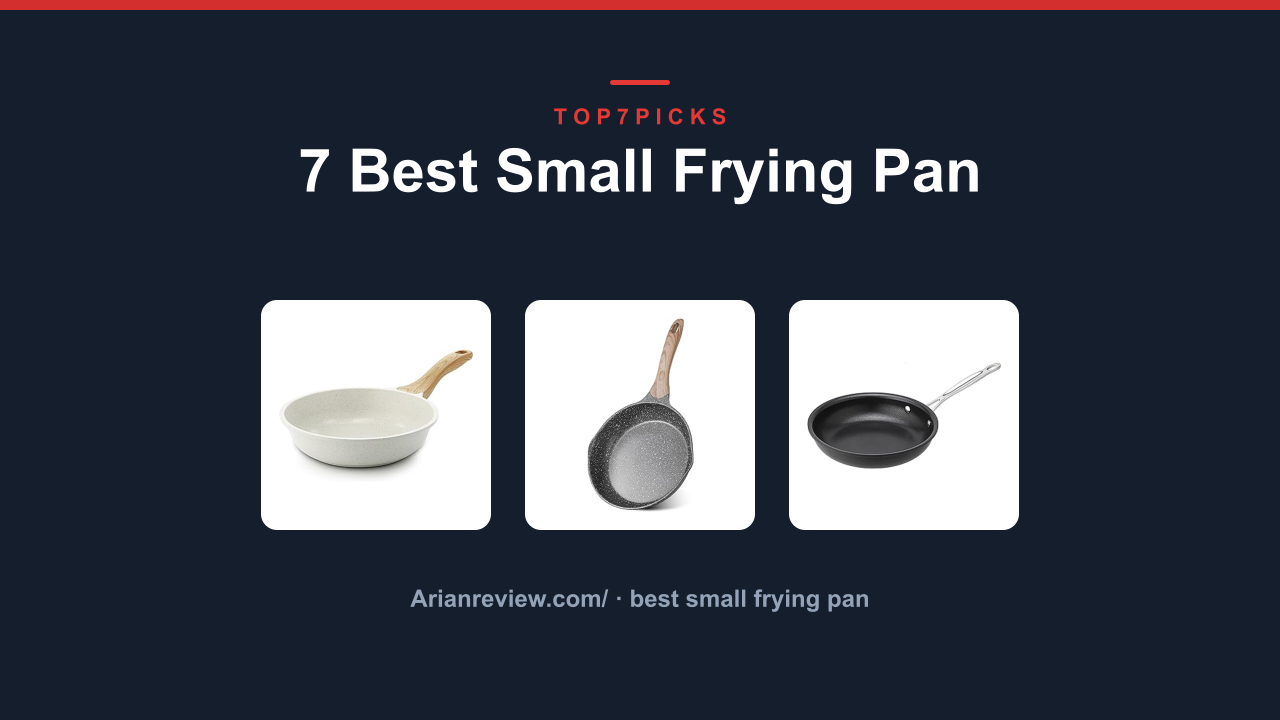
7 Best Small Frying Pan
The best best small frying pan is the SENSARTE Nonstick Ceramic Frying Pan Skillet, offering a balance of non-stick performance and healthy materials, perfect for everyday cooking. If you're looking for a more budget-friendly option that still cooks well, the JEETEE 8 Inch Nonstick Frying Pan is a solid contender.
This guide breaks down what really matters when picking a small pan, helping you avoid common pitfalls. We'll cover which pans are best for specific tasks and highlight any buyers who might be better served by a different kitchen tool altogether.
Everything you’ll read below comes from a deep dive into current Amazon product data, manufacturer specs, and the real-world feedback from verified buyers. We've analyzed it all to give you the clearest picture, not from a personal testing lab, but from aggregated insights.
Quick Answer: The Best Small Frying Pan
The best best small frying pan is the SENSARTE Nonstick Ceramic Frying Pan Skillet, ideal for healthy, everyday cooking.
- SENSARTE Nonstick Ceramic Frying Pan Skillet (Best Everyday Cooking): Delivers great non-stick performance with healthier materials.
- JEETEE 8 Inch Nonstick Frying Pan (Best Budget-Friendly): An affordable option that still gets the job done.
- Cuisinart Chef's Classic 8-Inch Ceramic Open (Best Durable Build): Built to last with solid construction.
- Blue Diamond 8" Infused Ceramic Nonstick (Best for Even Heating): Distributes heat consistently for better cooking.
- Cuisinart 8-Inch Open Skillet (Best for Versatility): Suitable for a range of stovetops and oven use.
- Kordisen Non Stick Frying Pan Skillet (Best for Quick Meals): Perfect for whipping up fast breakfasts or single servings.
- MsMk 7 Inch Small Nonstick Frying (Best with Lid): Comes with a lid, great for simmering or keeping food warm.
Thinking about larger cookware or different cooking methods instead? Jump to Who Should NOT Buy below before you spend anything.
Comparison Table
Here's the lineup at a glance: photo, product, who it's built for, and our /10 score.
Scroll sideways on small screens to see every column.
| Photo | Product | Best for | Score | Buy |
|---|---|---|---|---|
 | SENSARTE Nonstick Ceramic Frying Pan Skillet | Healthy, everyday cooking | 8.9/10 | Check price → |
 | JEETEE 8 Inch Nonstick Frying Pan | Budget-conscious cooks | 8.6/10 | Check price → |
 | Cuisinart Chef’s Classic 8-Inch Ceramic Open | Long-lasting performance | 8.5/10 | Check price → |
 | Blue Diamond 8" Infused Ceramic Nonstick | Even heat distribution | 8.3/10 | Check price → |
 | Cuisinart 8-Inch Open Skillet | Stovetop to oven use | 8.2/10 | Check price → |
 | Kordisen Non Stick Frying Pan Skillet | Fast single servings | 8.4/10 | Check price → |
 | MsMk 7 Inch Small Nonstick Frying | Single cooks with lid | 8.4/10 | Check price → |
SENSARTE Nonstick Ceramic Frying Pan Skillet: Best Everyday Cooking
JEETEE 8 Inch Nonstick Frying Pan: Best Budget-Friendly
Cuisinart Chef's Classic 8-Inch Ceramic Open: Best Durable Build
Blue Diamond 8" Infused Ceramic Nonstick: Best for Even Heating
Cuisinart 8-Inch Open Skillet: Best for Stovetop to Oven Use
Kordisen Non Stick Frying Pan Skillet: Best for Quick Meals
MsMk 7 Inch Small Nonstick Frying: Best with Lid
Buying Guide: Size, Material, and Durability
When you're shopping for a small frying pan, a few key factors really make a difference in how well it performs and how long it lasts. It's not just about the size; it’s about what it’s made of and how it’s built.
What Size is Right for You?
Small frying pans typically range from 7 to 10 inches in diameter. An 8-inch pan is a fantastic all-rounder for most people. It’s large enough to cook a couple of eggs or a single chicken breast, but small enough that it doesn't take up too much space on the stovetop or in storage.
If you're primarily cooking for yourself or need something for very specific tasks like making individual omelets, a 7-inch pan like the MsMk might be perfect. For those who occasionally cook slightly larger portions or want more room to maneuver food, an 8-inch pan, like the SENSARTE Nonstick Ceramic Frying Pan Skillet, offers a good balance.
Understanding Pan Materials
The material of your small frying pan significantly impacts its performance, durability, and how you'll need to care for it.
- Non-stick Ceramic: Pans like the SENSARTE and Blue Diamond use ceramic coatings, often infused with other materials for durability. These are great for delicate foods like eggs and fish because they prevent sticking with minimal oil. They are generally easy to clean. However, their non-stick properties can degrade over time, especially with high heat or improper cleaning.
- Stainless Steel: A pan like the Cuisinart 8-Inch Open Skillet is made from stainless steel. These are incredibly durable, resist warping, and can go from stovetop to oven. They don't offer the same natural non-stick surface as ceramic, meaning you'll need to use oil and proper preheating techniques to prevent sticking. This is similar to the care needed for cast iron or carbon steel cookware.
- Aluminum: Many non-stick pans, including some budget options, use aluminum as a base material. Aluminum heats up quickly and evenly, which is a plus. When paired with a non-stick coating, it offers a good balance of performance and affordability.
Durability and Maintenance Matters
How long your small frying pan lasts often comes down to its construction and how you maintain it. Pans with a thicker base tend to heat more evenly and are less prone to warping. Hard-anodized aluminum, like in the Cuisinart Chef's Classic, offers added durability and scratch resistance compared to standard aluminum.
Most non-stick pans, especially those with ceramic coatings, recommend hand washing. Using abrasive cleaners or dishwashers can damage the delicate non-stick layer, shortening the pan's lifespan. Stainless steel pans are generally more forgiving and often dishwasher-safe, but hand washing still helps maintain their finish and can prevent water spots or discoloration.
Think about how much time you're willing to spend on maintenance when making your choice.
Who Should NOT Buy Best Small Frying Pan
While a small frying pan is incredibly useful, it's not the perfect tool for everyone or every cooking situation. If your primary cooking needs fall into these categories, you might be better off exploring other options.
You Need to Cook Large Batches Regularly
If you often cook for a family or entertain guests, a small 7- or 8-inch pan will simply be too restrictive. You'll find yourself constantly working in batches, which is inefficient and can lead to unevenly cooked food. For larger cooking needs, consider a larger skillet (10-12 inches) or a sauté pan with higher sides, which offers more surface area and capacity.
Think about how a pressure cooker vs slow cooker comparison might lead you to choose a larger appliance for bigger meals.
You Plan on Frequent High-Heat Searing
While some small pans can handle medium-high heat, most non-stick surfaces, especially ceramic ones, are not designed for intense, prolonged searing. High temperatures can degrade the non-stick coating over time, reducing its effectiveness and potentially releasing unwanted fumes. If searing is a core part of your cooking, a well-seasoned cast iron skillet or a high-quality stainless steel pan without a non-stick coating would be a much better investment.
You Need a Pan That Can Handle Extreme Oven Temperatures
Some small pans are oven-safe up to a certain temperature, typically around 350-400°F (175-200°C). This is usually sufficient for finishing dishes or warming food. However, if your recipes require higher oven temperatures for broiling or intense baking, you’ll need a pan specifically designed for that, often made of cast iron or heavy-gauge stainless steel that can withstand temperatures of 500°F (260°C) or more.
Final Verdict
For a fantastic all-around experience, the SENSARTE Nonstick Ceramic Frying Pan Skillet stands out as the best small frying pan. It delivers excellent non-stick performance and healthy materials, making everyday cooking and cleanup a joy.
If you’re looking for a more budget-friendly option that still performs well for basic tasks, the JEETEE 8 Inch Nonstick Frying Pan is a smart choice, offering great value. Need something more robust that can take a beating and go from stovetop to oven? The Cuisinart 8-Inch Open Skillet is a versatile workhorse.
Remember, the right small frying pan depends on your specific cooking habits and needs. If you find yourself consistently needing to cook larger portions or use very high heat, it might be worth reconsidering this category and looking at larger or different types of cookware.
FAQ
What's the best Small Frying Pan overall?
The SENSARTE Nonstick Ceramic Frying Pan Skillet is our top pick for its balance of healthy, non-stick performance and durability for everyday cooking.
Are small frying pans worth it?
Yes, small frying pans are incredibly useful for single servings, quick breakfasts, reheating small amounts of food, and tasks where a larger pan would be overkill. They save energy and are easier to clean.
What is the best material for a small non-stick frying pan?
For most users, a ceramic non-stick coating is a great choice, offering good performance and being free from common chemicals like PFOA and PTFE. Look for pans with durable coatings and a solid base for even heating.
How do I clean a non-stick small frying pan?
Always use a soft sponge or cloth and mild dish soap. Avoid abrasive scrubbers or harsh chemicals that can damage the non-stick surface. Hand washing is generally recommended to extend the pan's life.
Can I use a small frying pan on an induction cooktop?
Many small frying pans are induction-compatible, including most of the ones we've reviewed. Look for a "magnetic" or "induction compatible" symbol on the product description or packaging to be sure.
What's the difference between an 8-inch and a 10-inch frying pan?
An 8-inch pan is ideal for cooking for one or two people, making eggs, or single servings. A 10-inch pan offers more surface area, making it better for cooking slightly larger portions, frying multiple items at once, or searing a piece of chicken or fish.