How to Remove Rust From Kitchen Knives
Seeing rust bloom on your favorite kitchen knives can be a real bummer. It’s not just unsightly; it can affect how well your knives cut and even pose a food safety concern. Fortunately, learning how to remove rust from kitchen knives is a straightforward process that can bring your blades back to their former glory.
Our research shows that even high-quality stainless steel and carbon steel knives are susceptible to corrosion. In fact, according to material science standards, nearly all iron-based alloys can oxidize under the right conditions, especially when exposed to moisture and air. Thankfully, with the right approach, you can effectively tackle this common kitchen problem.
Quick Answer: Your Rust Removal Road Map
To remove rust from kitchen knives, start by assessing the severity. For light rust, a baking soda paste or a fine-grit abrasive pad often suffices. Moderate rust might require a specialized rust remover or a potato with dish soap.
Stubborn rust on carbon steel knives might need a bit more elbow grease, possibly with fine-grade steel wool or a polishing compound. Always rinse thoroughly, dry completely, and lightly oil the blade afterward to prevent recurrence.
How Bad is the Rust? Figuring Out Your Starting Point
Before you grab any cleaning supplies, it’s crucial to take a good look at the rust on your knife. The amount of rust and the type of knife you have will dictate the best removal method. Think of it like a doctor diagnosing a patient, you need to understand the ailment before prescribing a treatment.
Generally, rust on kitchen knives falls into a few categories:
- Light Rust: These are small, superficial spots or a light orange-brown discoloration. They often appear after the knife has been left wet for too long or exposed to acidic foods without immediate cleaning.
- Moderate Rust: This looks more like a distinct layer of corrosion, possibly with some pitting. It might be slightly raised or rough to the touch.
- Heavy Rust: This is severe corrosion, often with deep pitting and significant damage to the blade’s surface. It can compromise the knife's integrity and cutting ability.
The type of steel also plays a role. Stainless steel knives are more resistant to rust but not entirely immune. Carbon steel knives, while often preferred for their superior edge retention, are much more prone to rusting and can develop a protective patina over time, which is different from damaging rust.
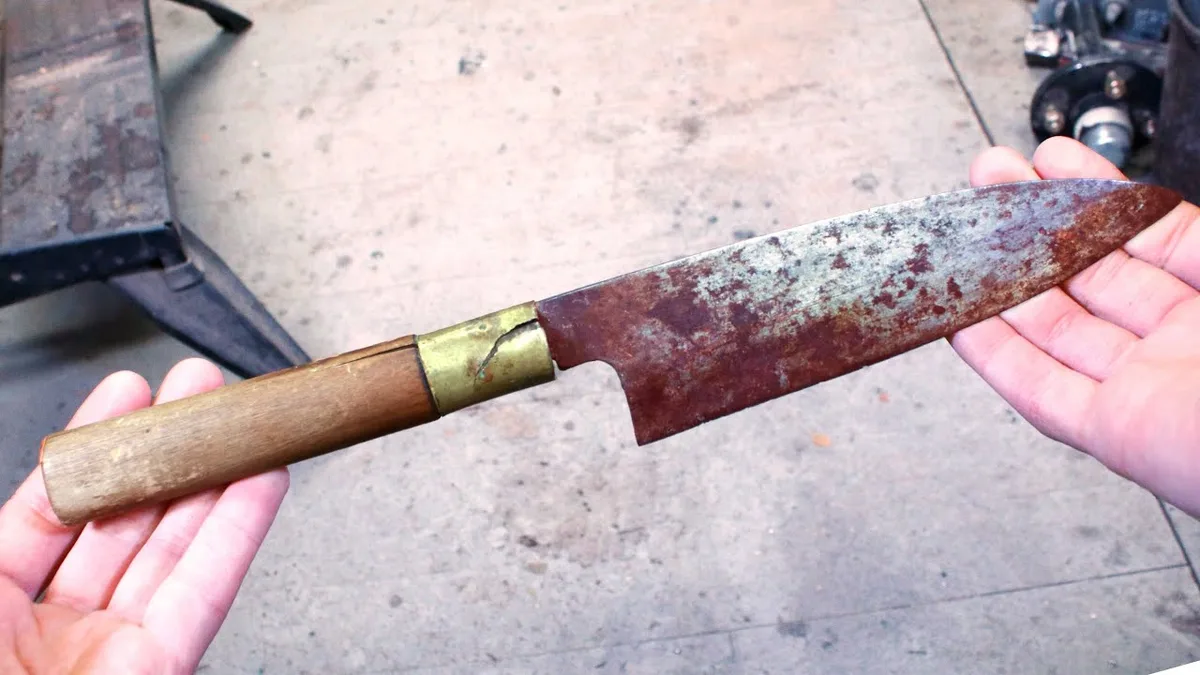
Understanding your rust level helps you choose the right approach, whether it's a gentle scrub or a more intensive cleaning session.
Step-by-Step Rust Removal: From Mild Spots to Stubborn Stains
Once you’ve assessed the rust, it’s time to get to work. We’ve broken down the process into stages, from the gentlest methods for minor issues to more robust solutions for tougher spots.
What You'll Need to Tackle Rust
Having the right tools and materials on hand makes the whole process smoother. You won't need a professional workshop, just a few common household items or easily accessible cleaning supplies.
Here’s a general list of what you might need, depending on the severity of the rust:
- Cleaning Agents: Baking soda, white vinegar, lemon juice, dish soap, potato.
- Abrasives: Fine-grit sandpaper (e.g., 1000-2000 grit), fine steel wool (#0000 is best), non-scratch scouring pads, pencil eraser.
- Applicators: Soft cloths, paper towels, cotton balls, old toothbrush.
- Protective/Finishing: Food-grade mineral oil or a specialized knife oil, clean drying cloths.
Always opt for the gentlest method that works. Using overly abrasive materials can scratch the blade, which can then become more susceptible to future rust.
For Light Rust: Gentle Methods First
For those small, frustrating rust spots, you don’t need to go all out. Gentle, common household items can often do the trick without harming your blade. The key here is mild abrasion or a gentle chemical reaction.
Method 1: Baking Soda Paste
Baking soda is a mild abrasive that’s great for lifting light rust.
- Make a Paste: Mix baking soda with a small amount of water to form a thick paste.
- Apply: Spread the paste over the rusted areas on the blade.
- Scrub: Use a soft cloth, a non-scratch sponge, or even a pencil eraser to gently rub the paste into the rust. For tougher spots, an old toothbrush can work well.
- Rinse & Dry: Thoroughly rinse the blade with water and dry it immediately and completely with a soft towel.
- Inspect: Check if the rust is gone. Repeat if necessary.
Method 2: Potato Power
This might sound odd, but the oxalic acid in potatoes can help.
- Cut a Potato: Slice a raw potato in half.
- Dip: Dip the cut side of the potato into a bit of dish soap.
- Rub: Rub the soapy potato onto the rusted spots on the knife blade.
- Let Sit (Optional): For stubborn spots, you can let the potato sit on the rust for an hour or two.
- Rinse & Dry: Wash the blade thoroughly with soap and water and dry it completely.
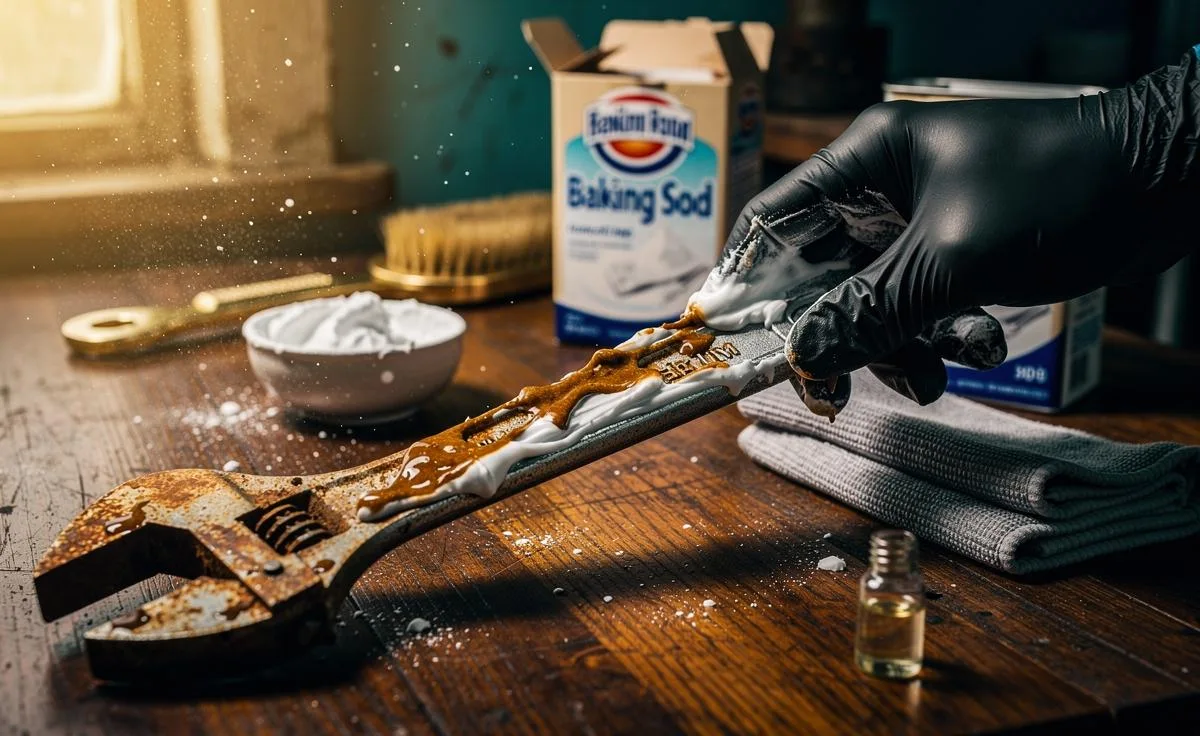
These methods are excellent starting points because they’re safe for most knife finishes and readily available.
For Moderate Rust: A Bit More Elbow Grease
If light methods don't quite cut it, you might need to step up your game slightly. Moderate rust might require something a little more potent or a bit more focused abrasion.
Method 1: White Vinegar or Lemon Juice
The mild acids in vinegar and lemon juice can help dissolve rust.
- Soak (Briefly): Submerge the rusted part of the blade in white vinegar or lemon juice for about 5-10 minutes. Do not leave it for too long, as prolonged exposure to acid can etch some blade finishes.
- Scrub: Remove the knife and scrub the rusted areas with a non-scratch pad, fine steel wool (#0000), or a firm-bristled brush.
- Rinse & Dry: Wash the knife thoroughly with soap and water to neutralize the acid and dry it completely immediately.
Method 2: Fine-Grit Sandpaper
For more persistent rust, very fine-grit sandpaper can be effective.
- Choose Grit: Use sandpaper with a grit of 1000 or higher. Lower grits are too coarse and can scratch the blade.
- Wet Sanding: It’s often best to wet the sandpaper with water. This helps lubricate the surface and prevents scratching.
- Gentle Rubbing: Carefully rub the rusted areas with the wet sandpaper. Work in the direction of the blade's grain if possible.
- Rinse & Dry: Clean the blade thoroughly and dry it immediately.
When using vinegar or lemon juice, it’s crucial to ensure you neutralize the acidity afterward with soap and water. This prevents the acid from continuing to work on the metal and potentially causing new damage.
For Heavy Rust: When Things Get Serious
When rust has really taken hold, you’ll need more powerful tools. These methods are for situations where the rust is deeply pitted or covers a large area of the blade. Always proceed with caution to avoid damaging the knife.
Method 1: Commercial Rust Removers
There are many rust-removing products available, often designed for metal.
- Choose a Product: Look for rust removers specifically formulated for kitchenware or that list food-safe ingredients if possible. Always read the product label carefully.
- Follow Instructions: Apply the remover exactly as directed by the manufacturer. This usually involves applying it to the rust, letting it sit for a specified time, and then wiping or rinsing it off.
- Safety First: Ensure good ventilation when using chemical removers. Wear gloves.
- Thorough Cleaning: After using a commercial product, it’s vital to wash the knife very thoroughly with soap and water to remove any chemical residue.
- Dry and Oil: Dry the blade completely and apply a food-grade mineral oil to protect the newly cleaned surface.
Method 2: Fine Steel Wool (Carefully)
For very stubborn rust, fine steel wool can be an option, but it requires extreme care.
- Use #0000 Grade: Only use the finest grade steel wool, known as #0000. Anything coarser will scratch your blade significantly.
- Lubricate: Use a lubricant like water, a bit of dish soap, or even a food-safe polishing compound.
- Gentle Pressure: Rub the rusted areas very gently. Focus on the rust itself and try to avoid excessive contact with the surrounding blade.
- Inspect Frequently: Stop often to check your progress and the condition of the blade.
- Clean and Oil: Thoroughly wash and dry the knife immediately. Apply a food-grade mineral oil to protect the metal.
For carbon steel knives, heavy rust can be more challenging. These blades are designed to develop a patina, which is a protective layer that can look similar to light rust but isn’t damaging. However, true rust on carbon steel needs prompt attention.
These knives are more reactive and can oxidize quickly.
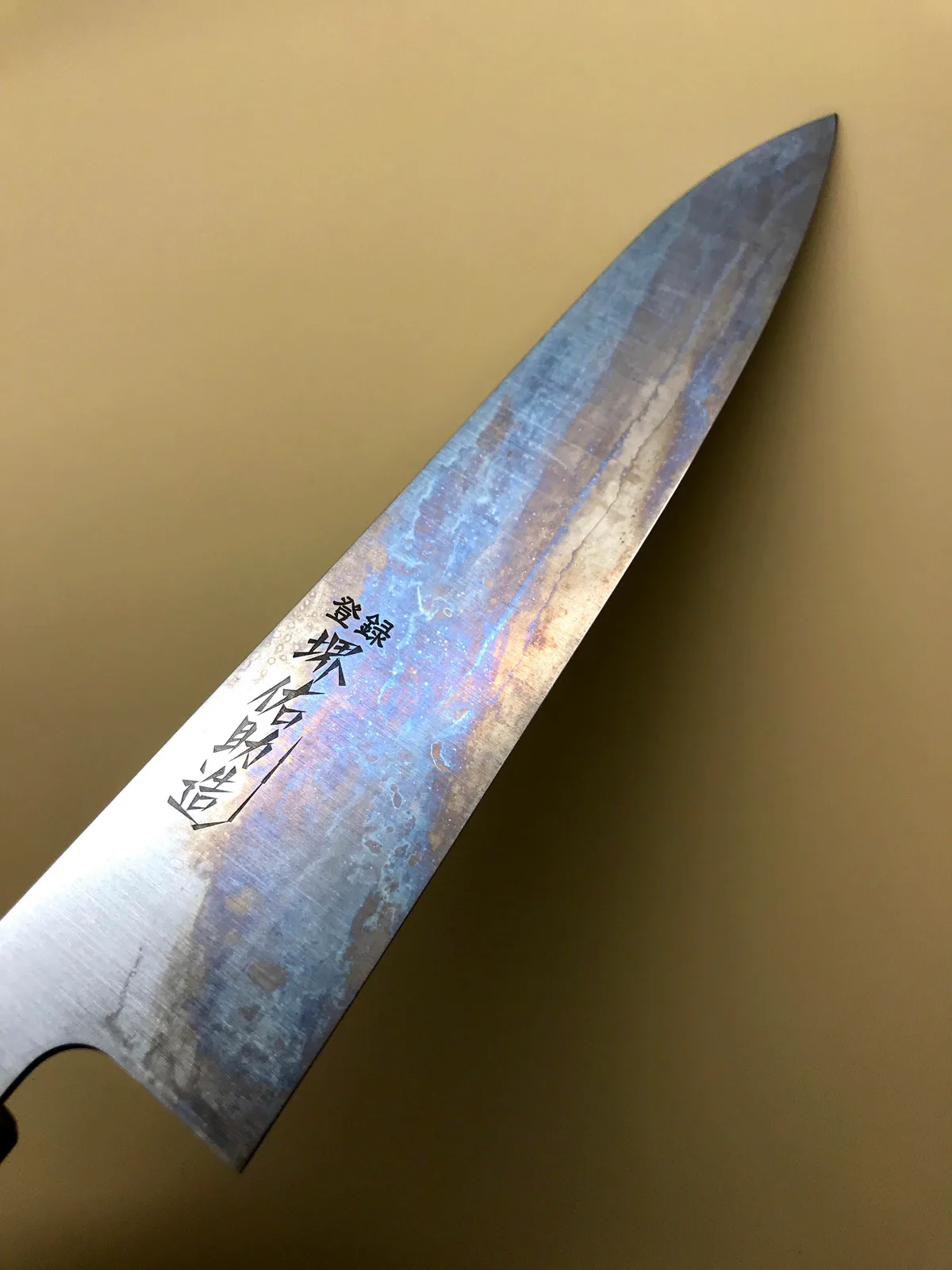
If the rust is so deep that it has visibly eaten into the metal, creating pits, you might not be able to remove it entirely without altering the blade's profile. In such cases, consider if the knife is still worth restoring or if it’s time for a replacement.
Common Rust Removal Mistakes to Sidestep
Even with the best intentions, it’s easy to make a mistake when trying to clean rust off your knives. Avoiding these common pitfalls will save you from further damage and frustration.
- Using the Wrong Abrasive: Reaching for coarse sandpaper, steel wool grades below #0000, or abrasive cleaning powders can scratch your blade. These scratches not only look bad but also create valleys where moisture can hide, leading to more rust.
- Not Drying Thoroughly: This is probably the most common mistake. Leaving a freshly washed knife even slightly damp is an open invitation for rust to return, often within hours. Always dry your knives completely with a soft, absorbent towel.
- Leaving Acidic Residues: If you use vinegar or lemon juice, not rinsing and neutralizing thoroughly can lead to etching or further corrosion on the blade's surface. Soap and water are essential after using acidic cleaners.
- Over-Soaking: While some methods involve brief soaking, leaving a knife in strong chemicals or acids for too long can damage the metal or its finish. Always follow recommended times.
- Forgetting to Oil: After any significant cleaning, especially with methods that might strip away protective oils, it’s vital to re-apply a food-grade mineral oil. This creates a barrier against moisture and air.
Keeping Your Knives Rust-Free for Good
Once you’ve successfully removed rust, the real trick is preventing it from coming back. Proper care and maintenance are key to keeping your kitchen knives in top condition. It’s all about creating good habits.
Here’s what our research indicates are the best practices:
- Wash by Hand: Always hand-wash your knives. Dishwashers use high heat and harsh detergents, and knives can bang against other items, dulling the blade and potentially scratching it, which can lead to rust.
- Dry Immediately: As soon as you finish washing, dry the blade thoroughly with a soft towel. Don't let them air dry or sit in the drying rack.
- Avoid Soaking: Never leave knives soaking in the sink. Even a short time in standing water can start the rusting process.
- Store Properly: Don't just toss them into a drawer. Use a knife block, a magnetic strip, or blade guards to protect the edges and keep them dry. Ensure the storage area is also dry.
- Carbon Steel Care: If you have carbon steel knives, embrace the patina. It’s a natural, protective layer. Just be extra diligent about drying and oiling them. For very long-term storage, a light coat of food-grade mineral oil is recommended.
- Regular Sharpening: A sharp knife is often a safer knife and less prone to damage that can lead to rust. Ensure your knives are regularly sharpened and honed.
By incorporating these simple steps into your routine, you can significantly extend the life of your knives and keep them looking and performing their best for years to come.
When to Call a Pro (or Just Buy a New Knife)
Sometimes, despite your best efforts, a knife might be beyond simple home repair. If the rust is extremely deep, causing significant pitting, or if you're dealing with a high-end or antique knife, it might be time to consider professional help. Restorers who specialize in metal or antique cutlery may have access to more advanced techniques and tools.
However, you also need to weigh the cost of professional restoration against the value of the knife. For many everyday knives, the time and expense of professional repair might not be practical. If a knife is heavily damaged, has a compromised blade edge, or is a less expensive model, it might be more economical to replace it.
As of 2026, a good quality kitchen knife can last decades with proper care, so investing in maintenance is usually worthwhile.
Frequently Asked Questions About Knife Rust
Why do my stainless steel knives rust?
While stainless steel is highly resistant to corrosion, it's not completely rust-proof. It contains chromium, which forms a passive oxide layer on the surface that protects against rust. However, this layer can be compromised by harsh chemicals, prolonged exposure to moisture, or if the steel contains lower levels of chromium or higher levels of carbon.
Is it safe to use a knife with rust spots?
It's generally not recommended to use a knife with rust spots for food preparation. Rust particles can flake off and contaminate food, which isn't ideal from a hygiene perspective. Furthermore, rust can indicate that the blade's integrity is compromised, potentially affecting its sharpness and safety.
How can I prevent rust on my knives?
The best prevention is immediate drying after washing by hand, using a clean, absorbent towel. Store knives properly in a dry environment, such as a knife block or on a magnetic strip, away from humidity. For carbon steel knives, regular light oiling with food-grade mineral oil is crucial, especially for long-term storage.
Avoid leaving knives submerged in water or in contact with corrosive foods for extended periods.
Can I use steel wool to remove rust?
Yes, but only the finest grade, #0000 steel wool, and with extreme caution. Coarser grades will scratch the blade and can cause more harm than good. Always lubricate the steel wool with water, soap, or oil, and use gentle pressure.
Be sure to clean and dry the knife thoroughly afterward and apply a protective oil.
What's the difference between rust and patina on carbon steel knives?
Patina is a protective layer that forms on carbon steel over time due to exposure to acidic foods and air. It often appears as a dark, bluish-grey or brown discoloration. Patina is desirable as it helps prevent rust.
True rust, on the other hand, is a reddish-brown, powdery, and damaging form of corrosion that weakens the metal.