Air Fryer Not Turning On
So, your air fryer has decided to go on strike, huh? It's super frustrating when a kitchen gadget you love just up and quits on you, especially when you're probably craving some crispy fries or wings. Don't worry, we've all been there, and usually, it's something we can figure out without calling in the cavalry.
Think of this like a little troubleshooting adventure. We're going to go through a few common culprits, step by step, to see if we can get your trusty air fryer back in action.
Quick Answer
If your air fryer is not turning on, the most common reasons involve simple power issues like a loose plug, a tripped circuit breaker, or an outlet that isn't working. It could also be that the air fryer's basket or drawer isn't fully inserted, engaging a safety lock.
Quick Checks: Is It Plugged In & Getting Power?
When your air fryer goes dark, the first suspects are almost always the simplest. Before we dive into more complex fixes, let's rule out the obvious. Many times, the fix is as straightforward as ensuring the appliance has a clear path to electricity.
Testing the Outlet
A non-responsive air fryer could simply be a symptom of a dead outlet. To test this, grab another small appliance you know works, like a lamp or a phone charger. Plug it into the same wall socket where your air fryer is connected.
If the other device also fails to power on, you know the problem isn't with the air fryer itself, but with the power source. This points to an issue with your home's electrical wiring, and you may need to consult a qualified electrician. If the other device does work, then the issue is definitely with the air fryer or its connection.
Checking the Circuit Breaker
Household electrical systems rely on circuit breakers to prevent overloads. If you've recently used a high-wattage appliance or experienced a power surge, a breaker might have tripped, cutting off power to certain outlets. Locate your home's electrical panel, usually a metal box in a basement, garage, or utility closet.
Look for any switches that are in the "off" position or are in a middle, tripped state. Flip the relevant breaker firmly to the "off" position, then back to the "on" position. After resetting it, try plugging your air fryer back into the outlet to see if it powers up.
For context on electrical safety, the National Electrical Manufacturers Association (NEMA) provides guidelines on safe practices for home electrical systems.
Inspecting the Air Fryer's Power Cord and Plug
The power cord and plug are the direct conduits for electricity to your air fryer. Damage here can prevent operation and pose a significant safety risk. Manufacturer specifications often highlight the importance of cord integrity.
Here’s what to look for:
- Fraying or Cuts: Carefully examine the entire length of the power cord. Look for any signs of exposed wires, cuts, or fraying. This damage can interrupt the flow of electricity and create a shock hazard.
- Bent or Damaged Prongs: Inspect the plug that goes into the wall socket. Are any of the metal prongs bent, broken, or corroded? Bent prongs can prevent a secure connection, while broken ones mean the plug needs replacement.
- Signs of Melting or Burning: If you notice any discoloration, melting, or burn marks around the plug or where the cord enters the air fryer unit, this indicates a serious electrical issue that requires immediate attention and should not be used.

If you discover any damage to the power cord or plug, do not attempt to use the air fryer. Continuing to use a damaged cord is a serious fire risk and can damage the appliance. In such cases, contacting the manufacturer for a replacement part or seeking professional repair is the safest course of action.
The Basket and Drawer: Crucial Safety Connectors
Modern air fryers are designed with safety in mind, and a common feature is a mechanism that prevents the unit from operating unless the basket and drawer are correctly in place. This safety interlock is a key component in their overall system. If this connection isn't made properly, the air fryer's internal circuit will not allow it to turn on, even if it's plugged in and receiving power.
Ensuring Proper Seating
This is one of the most frequently overlooked issues. Air fryer baskets and drawers are often designed to slide in and out smoothly, but they must also "lock" or seat correctly to complete an electrical circuit.
Here's how to check and correct this:
- Remove the basket and drawer completely. Pull them all the way out of the unit.
- Visually inspect the connection points. Look inside the air fryer cavity where the drawer slides in. You should see small metal contacts or a physical notch that aligns with a corresponding part on the drawer or basket assembly.
- Clean any debris. Sometimes, dried-on food particles or grease can build up around these connection points, preventing a solid contact. Use a damp cloth to clean both the inside of the air fryer cavity and the drawer/basket assembly. Make sure everything is dry before reinserting.
- Reinsert firmly. Slide the basket and drawer back into the air fryer. You should feel or hear a distinct click or a solid "thunk" when they are fully seated and locked into place. Apply gentle pressure to ensure they are all the way in.
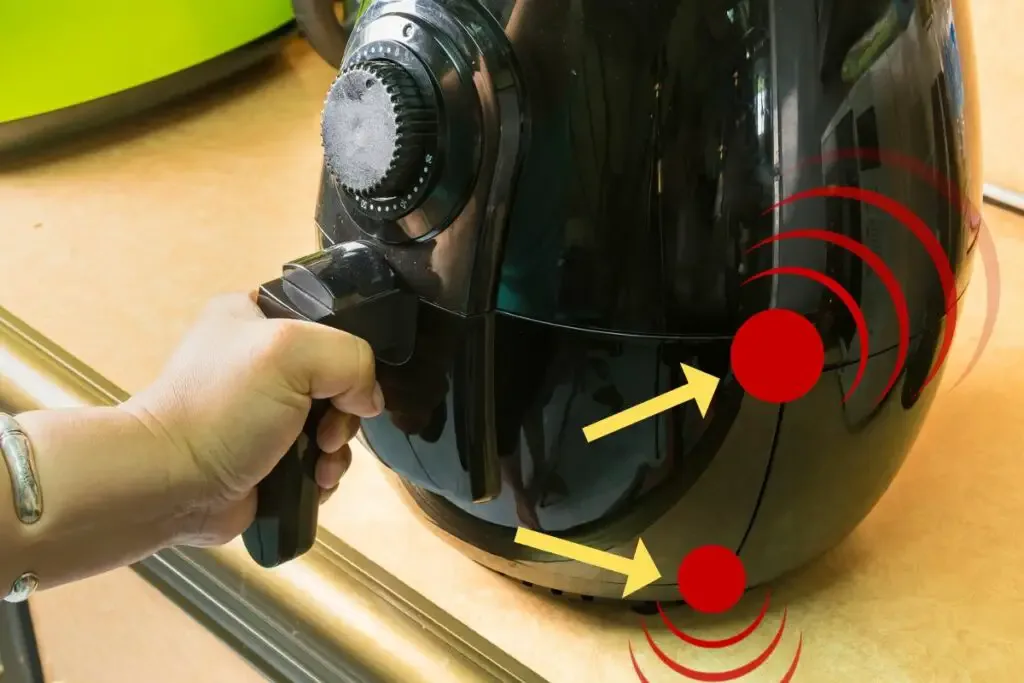
After ensuring the basket and drawer are securely in place, try turning on the air fryer again. If this was the issue, it should now power up. If you're still experiencing problems, it’s time to look at other potential causes.
Give It a Breather: Addressing Overheating
Air fryers are designed to handle high temperatures, but like any electronic appliance, they can have internal protection systems that shut them down if they get too hot. This is a crucial safety feature to prevent damage to the appliance and potential fire hazards. If your air fryer stopped working mid-cook or won't turn on shortly after use, it might have overheated and engaged its thermal cutoff.
As of 2026, most consumer-grade air fryers incorporate such safety protocols.
Here's how to manage this situation:
- Unplug the Unit: The very first step is to disconnect the air fryer from its power source. Never attempt to troubleshoot a hot appliance.
- Allow for Ample Cooling Time: Thermal cutoffs typically reset automatically once the appliance cools down to a safe operating temperature. However, this can take a significant amount of time, often 30 minutes to an hour, sometimes longer depending on the ambient temperature and how hot the unit became.
- Ensure Proper Ventilation: Overheating can be exacerbated by poor airflow. When using your air fryer, make sure there's adequate space around it. Manufacturer guidelines often suggest at least 3-6 inches of clearance on all sides and above the unit. Avoid placing it too close to walls, cabinets, or other appliances that could trap heat.
- Check for Blocked Vents: Inspect the air vents on the back or sides of the air fryer. Ensure they are clear of any debris, dust, or food particles that could obstruct airflow. A blocked vent will make the appliance work harder and can lead to overheating more quickly.
Once the air fryer has cooled completely and you've confirmed good ventilation, try turning it on again. If overheating was the culprit, it should now function normally. If it overheats again shortly after starting, there might be a more significant issue with its cooling system or airflow design.
Performing a Hard Reset on Your Air Fryer
Sometimes, electronic devices just need a good old-fashioned reboot to clear out any glitches or temporary software hiccups. Your air fryer, especially if it has digital controls, can benefit from what's called a "hard reset" or "power cycle." This process effectively drains any residual power and forces the internal electronics to start fresh, which can resolve strange behavior like refusing to turn on. Manufacturer documentation often suggests this as a first step for many electronic malfunctions.
Here’s how to perform this simple but effective troubleshooting step:
- Unplug from the Wall: Disconnect the air fryer from the electrical outlet. This is the most critical part of the reset process, ensuring no power is reaching the unit.
- Press and Hold the Power Button: Locate the power button on your air fryer's control panel. Press and hold this button down continuously for about 15 to 30 seconds. If your air fryer doesn't have a distinct power button but powers on when a function is selected, you might need to press and hold the start button or a similar activation control. The goal here is to discharge any lingering electrical charge within the appliance's internal components.
- Wait a Few Minutes: After holding the power button, leave the air fryer unplugged for an additional 2 to 5 minutes. This gives any internal capacitors enough time to fully discharge.
- Plug Back In and Test: Reconnect the air fryer to the power outlet. Now, attempt to turn it on as you normally would.
If the hard reset did the trick, you should see the display light up or hear it power on. This method is particularly useful if the air fryer seems completely unresponsive, as it can clear minor electronic "stuck" states. If it still doesn't turn on after a hard reset, the problem likely lies with a physical component or a more serious internal fault.
Troubleshooting Common Air Fryer Issues
Beyond the most basic checks, a few other common issues can prevent an air fryer from powering on. Understanding these can help you pinpoint the exact problem.
- Faulty Control Board: The control board is the "brain" of your air fryer, managing all its functions. If this component fails, the appliance may become completely unresponsive. Signs of a faulty control board can include a blank display, buttons that don't work, or the unit powering on briefly before shutting off.
- Blown Internal Fuse: Many electronic devices, including air fryers, have an internal fuse designed to protect the appliance from electrical surges. If this fuse blows, it will prevent the unit from receiving power. Replacing an internal fuse typically requires opening the appliance, which can be complex and may void the warranty. For this reason, it’s often best left to a professional or the manufacturer.
- Wiring Problems: Internal wiring can sometimes come loose or become damaged, especially with frequent use or rough handling. This can interrupt the flow of power to various components, including the main power relay or the heating element, leading to a failure to turn on.
When to Call a Pro or Consider Replacement
If you've gone through all the previous troubleshooting steps, checking the outlet, resetting the breaker, inspecting the cord, ensuring the basket is seated, allowing for cooling, and performing a hard reset, and your air fryer is still refusing to power on, it's likely an internal component has failed. At this point, attempting further repairs yourself can be risky.
Consider these factors:
- Warranty Status: Check if your air fryer is still under the manufacturer's warranty. If it is, contact the manufacturer directly. They will guide you through their repair or replacement process, which is usually free of charge for covered issues. Many appliances come with a one- or two-year limited warranty, though this can vary.
- Cost of Repair vs. Replacement: If your air fryer is out of warranty, get a quote for professional repair. Compare this cost to the price of a new, comparable air fryer. For less expensive models, the repair cost might approach or even exceed the price of a new unit. For example, basic air fryers can often be found for under $75 as of 2026, while some high-end models with advanced features can cost $200 or more.
- Safety: If you suspect a serious electrical issue, like melted wiring or a damaged internal fuse, attempting to fix it yourself without the proper knowledge and tools can be dangerous. It could lead to electric shock or fire.
In many situations, especially with older or less expensive air fryers, purchasing a new unit is the most practical and safe solution when troubleshooting fails.
Frequently Asked Questions About a Dead Air Fryer
Why won't my air fryer turn on at all?
This usually points to a power supply issue. Start by checking if it's plugged in securely, if the outlet is working with another appliance, and if your home's circuit breaker has tripped. If those are fine, examine the power cord for damage and ensure the basket and drawer are fully seated, as this can engage a safety lock.
Can an air fryer just stop working suddenly?
Yes, air fryers can stop working suddenly due to component failure, such as a blown internal fuse, a faulty control board, or overheating protection engaging after prolonged use. Sudden failures can also occur if a power surge damages internal electronics.
Is it safe to try and fix a broken air fryer myself?
It can be risky to attempt DIY repairs on air fryers, especially if you suspect electrical issues like damaged wiring or internal fuses. Unless you have experience with appliance repair and understand electrical safety, it's safer to consult the manufacturer or a professional repair service, particularly if the unit is still under warranty.
How often should I clean my air fryer to prevent issues?
Regular cleaning after each use is recommended. Wipe down the basket, drawer, and interior with a damp cloth to remove food debris and grease. Ensure all parts are completely dry before reassembly and storage.
This prevents buildup that could affect performance or potentially cause overheating issues over time.