How to Clean Food Processor
Got a food processor that's seen better days? Whether it's stained from last night's curry or just generally grimy, knowing how to clean food processor parts effectively is key to keeping your kitchen gadgets working well. A clean appliance not only looks better but also ensures your next meal doesn't pick up any lingering flavors from previous dishes.
Our research confirms that consistent cleaning prevents build-up and maintains optimal performance. For instance, manufacturer specifications often detail recommended cleaning frequencies, with many suggesting a thorough wash after each use to prevent food particles from hardening and becoming difficult to remove. This guide will walk you through making your food processor pristine again.
Quick Answer
To clean a food processor, unplug it and disassemble all removable parts. Wash the bowl, lid, and pusher in warm, soapy water or place them in the dishwasher, being careful with the sharp blade. Wipe the motor base with a damp cloth.
Ensure all parts are thoroughly air-dried before reassembly to prevent mold.
The Importance of a Clean Food Processor
Keeping your food processor clean isn't just about appearances. It's a critical part of maintaining its functionality and ensuring the food you prepare is safe and tastes as it should. When food particles and oils are left behind, they can become a breeding ground for bacteria.
Manufacturer specifications from brands like Cuisinart and Breville consistently emphasize proper cleaning for hygiene and longevity. For example, the National Sanitation Foundation (NSF) sets standards for food equipment, underscoring the need for regular, thorough cleaning to minimize microbial contamination risk.
Here's why it matters:
- Prevents Flavor Transfer: Old food residue can impart unwanted flavors onto your next dish. Imagine making a mild cookie dough after pureeing garlic, not ideal.
- Minimizes Bacterial Growth: Warm, moist environments are perfect for bacteria. Prompt cleaning stops this before it starts.
- Extends Appliance Lifespan: Regular cleaning prevents gunk from clogging mechanisms or causing parts to degrade prematurely.
- Ensures Optimal Performance: A clean processor, especially the blades, will operate more efficiently and effectively.
Taking Your Food Processor Apart: What's What
Before you can really get cleaning, you've got to know what you're dealing with. Most food processors have a few key components, and understanding them makes disassembly a breeze.
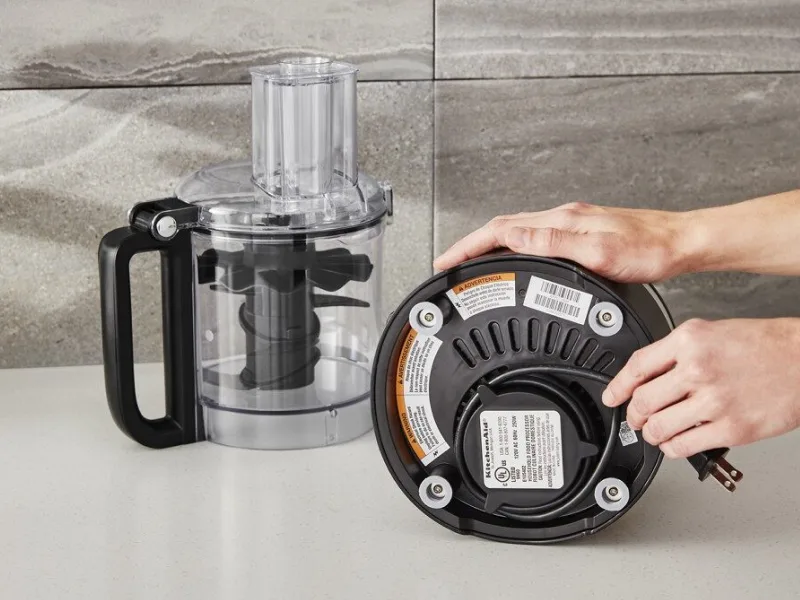
Image source: Bing (Web (fair-use with source credit))
Here's a breakdown of the typical parts you'll encounter:
- The Motor Base: This is the heavy bottom part that houses the motor. It usually has controls on top. Crucially, this part is NOT submersible and should never be washed with water directly.
- The Bowl: This is the main container that attaches to the motor base. It's where all the chopping and mixing happens. Bowls are usually made of durable plastic or sometimes glass.
- The Lid: This fits securely onto the bowl. It often has a feed tube and a mechanism to lock it in place.
- The Feed Tube: A chute built into the lid, designed for adding ingredients while the processor is running.
- The Pusher: The part that fits into the feed tube to help guide ingredients down towards the blades.
- The Blade Assembly: This is the super sharp part that does all the work. It typically has a central shaft that fits into the bowl.
To disassemble, always start by unplugging the unit. Then, gently lift or twist off the bowl, followed by the lid. The blade assembly usually lifts straight out.
Don't force anything; if a part feels stuck, double-check your model's specific instructions.
Step-by-Step: Washing the Removable Parts
This is where the real cleaning happens, and it's surprisingly straightforward. Most of these components are designed to be washed easily, either by hand or in the dishwasher.
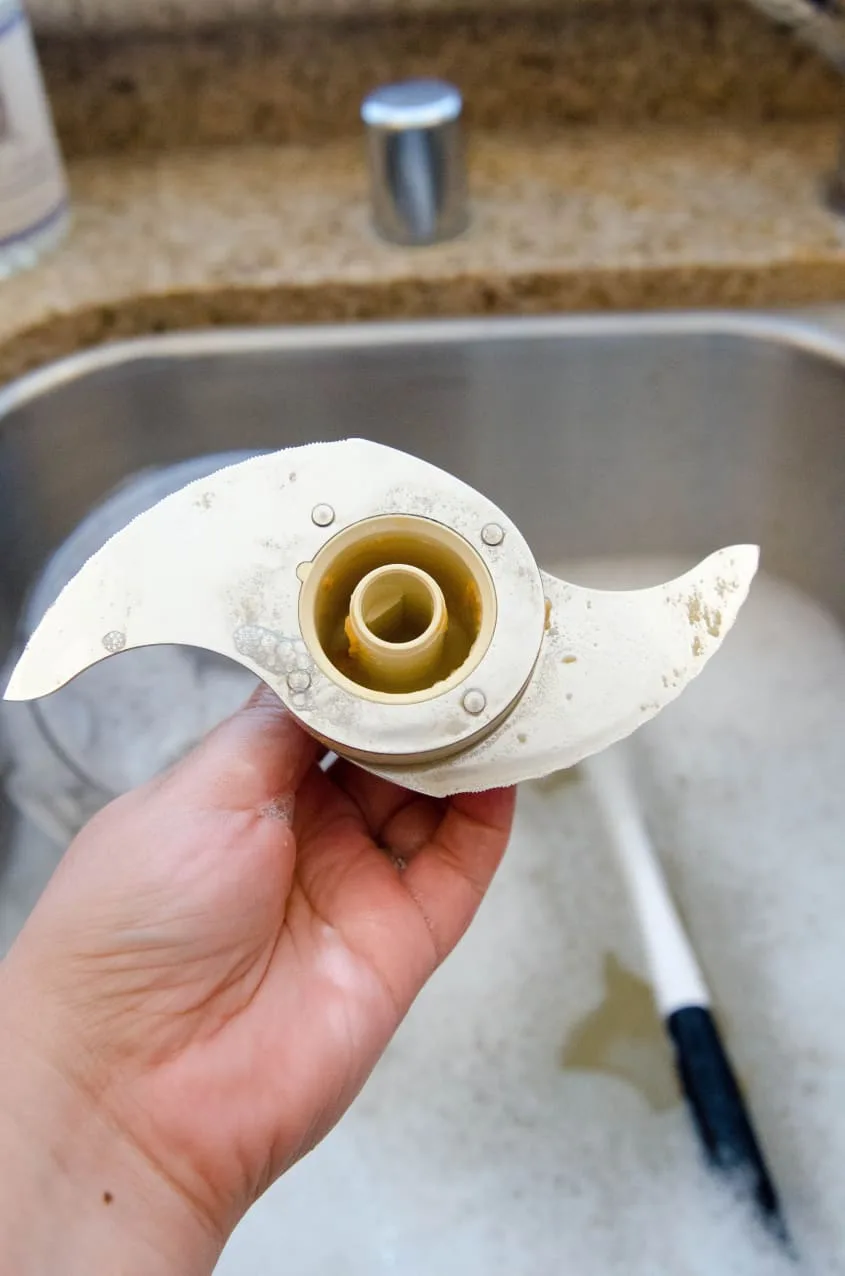
Image source: Bing (Web (fair-use with source credit))
Here’s how to get those parts clean:
- Gather Your Supplies: You'll need warm water, mild dish soap, and a soft sponge or dishcloth. If you plan to hand-wash, a soft-bristled brush can be handy for tight spots.
- Check Your Manual for Dishwasher Safety: Many modern food processor bowls, lids, and pushers are top-rack dishwasher safe. Always check your specific model's manual. If they are dishwasher safe, simply place them securely on the top rack.
- Hand-Washing Method:
- Fill your sink with warm water and add a few drops of mild dish soap.
- Submerge the bowl, lid, and pusher.
- Use your sponge or cloth to gently scrub away any food residue. Pay attention to the edges and any grooves.
- For the feed tube, if it's particularly narrow, a bottle brush or even a toothbrush can help get inside.
- Rinse Thoroughly: Once scrubbed, rinse all parts under clean, running water. Make sure no soap residue remains, as this can affect the taste of future foods.
If you're using a dishwasher, ensure the cycle is set to a standard or heavy-duty clean, depending on how dirty the parts are. Always check them after the cycle to ensure all food particles have been removed. Many appliance manufacturers, including those offering compact food processors, design their removable parts with ease of cleaning in mind.
Mastering the Blade: Safety First
The blade assembly is arguably the most crucial and potentially dangerous part of your food processor to clean. Its sharp edges are what make your appliance so effective, but they also demand respect during cleaning.
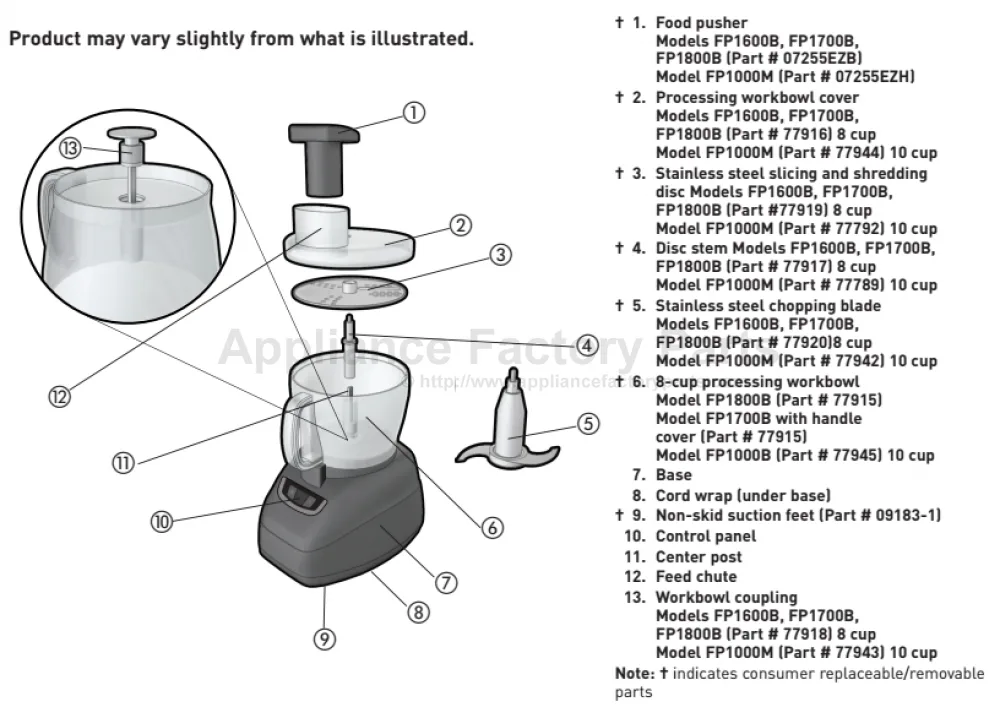
Image source: Bing (Web (fair-use with source credit))
Here’s the safest way to approach it:
- Never put the blade in the dishwasher without checking your manual. While some are designed for it, the high heat and harsh detergents can sometimes dull or damage the blades over time. Plus, they can shift and potentially damage other items in the dishwasher.
- Handle with Extreme Care: Always hold the blade assembly by its central plastic hub. Avoid touching the sharp edges directly with your fingers.
- Rinse Immediately: The best practice is to rinse the blade assembly under cool or lukewarm running water as soon as possible after use. This prevents food from drying and sticking.
- Gentle Scrubbing: If there's food stuck to the blades or hub, use a soft-bristled brush (like a dedicated dish brush or even a clean toothbrush) to gently dislodge it. Move the brush away from the cutting edge.
- Avoid Harsh Abrasives: Don't use steel wool or abrasive scrub pads on the blades, as they can scratch and damage the metal.
- Drying is Paramount: After rinsing and any gentle scrubbing, shake off excess water and place the blade assembly in a drying rack, blade-side up, or on a clean towel to air dry completely. Ensure it's fully dry before storing or reassembling.
Manufacturer specifications often suggest using a blade protector or sheath if available for storage to prevent accidental nicks. When in doubt, hand-washing is generally the safest route for this specific component.
Tackling Tough Stains and Residue
Sometimes, no matter how quickly you clean, you're left with stubborn stains or dried-on gunk that a regular wash just won't touch. This is especially common with ingredients like tomato sauce, turmeric, or brightly colored berries.
If you're dealing with persistent residue, here’s how to tackle it without damaging your processor:
- The Baking Soda Paste Method: For many common stains, a paste made from baking soda and a little water is a fantastic natural cleaner.
- Mix about two parts baking soda to one part water to form a thick paste.
- Apply the paste to the stained areas of the bowl or lid.
- Let it sit for 15-30 minutes.
- Gently scrub with a soft sponge or cloth and then rinse thoroughly.
- Soaking for Stubborn Bits: If food has dried onto the bowl or lid, soaking is your best bet. Fill the bowl with warm, soapy water and let it sit for at least 30 minutes, or even a few hours for really tough cases. This usually loosens enough to scrub away easily.
- Dish Soap for Oily Residue: For greasy build-up, a good degreasing dish soap is excellent. If you find your plastic parts feel a bit "slippery" or have a dull film, a thorough wash with a strong dish soap can help restore clarity.
- Lemon Juice for Deodorizing: If your processor has picked up odors, a quick wipe with lemon juice (or the inside of a lemon wedge) can help neutralize smells. Rinse well afterward.
While you might see advice online about using bleach, it's generally not recommended for food contact surfaces unless specifically stated as safe by the manufacturer. Stick to food-safe cleaners like baking soda and mild dish soap for best results and safety. If stains are truly ingrained, they might be permanent, but the appliance will still be perfectly functional and hygienic.