Stand Mixer Types
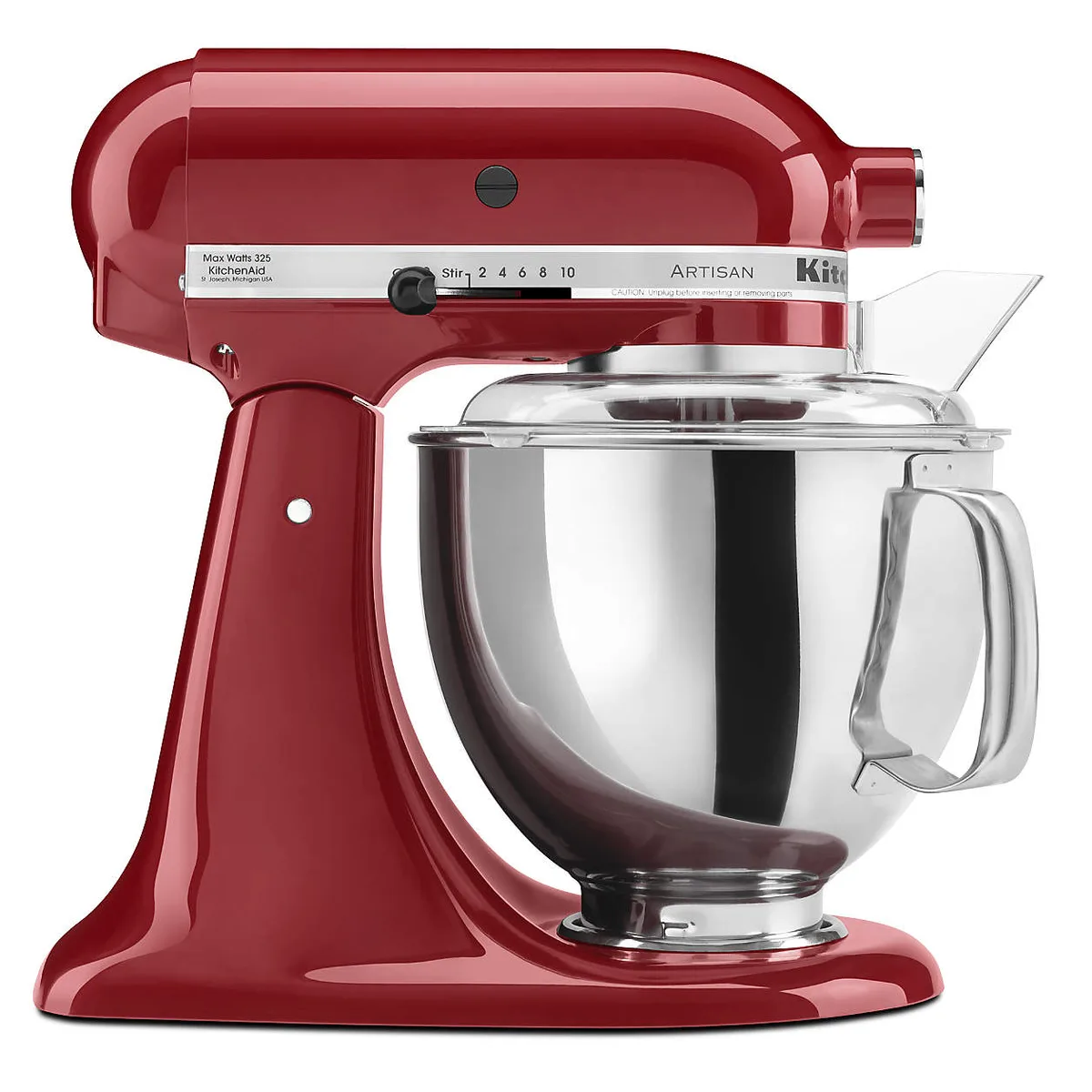
Image source: Bing (Web (fair-use with source credit))
So, you're thinking about a stand mixer? That's a smart move if you want to up your baking game. Figuring out the right stand mixer types can feel like a puzzle, but once you know the main differences, you'll easily find the one that fits your kitchen perfectly.
We've dug into what makes each type tick, so you don't have to. As of 2026, the market offers clear distinctions that cater to different needs, from quick cookie doughs to challenging bread recipes.
Quick Answer
Stand mixer types generally fall into two main categories: tilt-head and bowl-lift. Tilt-head mixers have a head that hinges back for easy access, while bowl-lift mixers use a lever to raise and lower the bowl. Key differences include motor power, bowl capacity, and attachment versatility.
Understanding Stand Mixer Types
Stand mixers are fantastic kitchen appliances that make mixing, kneading, and whipping a breeze. They free up your hands and deliver more consistent results than manual methods. The world of stand mixers breaks down into a few primary designs, each with its own set of advantages.
Understanding these core distinctions is the first step to choosing the right one for your needs.
Planetary vs. Tilt-Head: The Two Main Designs
The most significant difference between stand mixers lies in their fundamental mechanical design, dictating how the mixing attachments move and how you interact with the appliance. This design choice impacts everything from ease of use to the mixer's ability to handle heavy tasks.
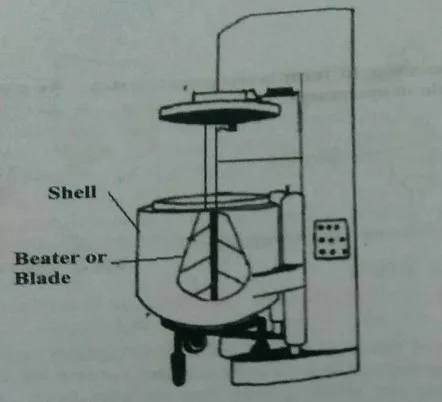
Image source: Bing (Web (fair-use with source credit))
Planetary Mixer Mechanics
Planetary mixers operate on a principle similar to planetary gears in a car transmission. The beater, whisk, or dough hook spins on its own axis while simultaneously traveling in a large oval path around the inside of the bowl. This dual motion ensures that every part of the mixture is consistently reached, leading to very thorough and even incorporation of ingredients.
This design is highly efficient for ensuring all elements are combined without leaving unmixed pockets, especially in larger bowls.
Tilt-Head Mixer Mechanics
Tilt-head mixers are incredibly popular for home kitchens due to their user-friendly design. The entire mixing head hinges back from the base, providing unobstructed access to the bowl. This makes it super easy to add ingredients, scrape down the sides, or swap out attachments.
While the mixing action is also designed to cover the entire bowl, some users find that very stiff doughs or extremely large batches might require occasional manual intervention to ensure perfect incorporation compared to some bowl-lift models.
Key Stand Mixer Features to Compare
Beyond the basic tilt-head or bowl-lift design, several key features will influence how well a stand mixer performs for your specific culinary tasks. Considering these attributes will help you match a mixer's capabilities to your baking habits and kitchen workflow.
Bowl Capacity: How Much Can You Make?
Bowl capacity is measured in quarts and indicates the maximum volume of ingredients the mixer can comfortably handle. Choosing the right size is crucial to avoid overfilling, which can strain the motor or lead to uneven mixing.
- Small (3-5 Quarts): Ideal for individuals or small families, suitable for smaller batches of cookies, meringues, or cake batters.
- Medium (5-7 Quarts): This is the sweet spot for most home bakers, handling typical recipes like double batches of cookies or medium-sized loaves of bread.
- Large (8+ Quarts): Designed for serious bakers or large households, these can tackle huge volumes of dough or multiple recipes at once.
Manufacturer specifications often detail recommended flour limits for dough hooks, which is a good indicator of a mixer's true bread-making capacity regardless of just the bowl volume. For instance, a 5-quart mixer might be rated for up to 7-8 cups of flour.
Motor Power: What Can It Handle?
Motor power, often indicated by wattage, is a primary indicator of a stand mixer's strength and its ability to handle dense ingredients like thick bread dough. While wattage isn't the only factor in motor performance (gear systems and build quality also play roles), it's a useful starting point.
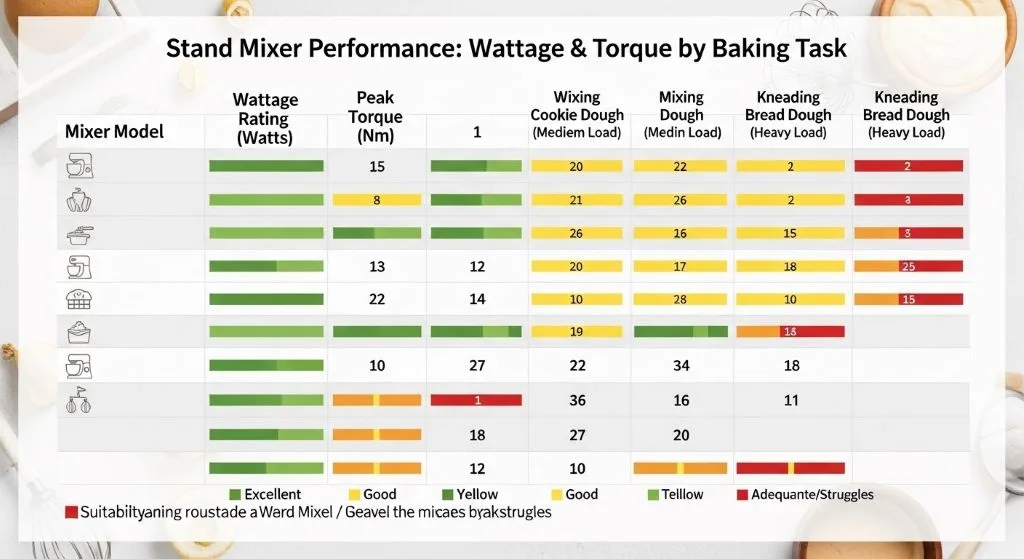
Image source: Bing (Web (fair-use with source credit))
- Under 300 Watts: Generally suitable for lighter tasks like whipping cream, making batters, or mixing cookie dough.
- 300-500 Watts: This range offers a good balance for most home baking needs, capable of handling a variety of doughs and batters.
- Over 500 Watts: These high-wattage mixers are built for heavy-duty work, excelling with tough, elastic doughs such as whole wheat or rye bread.
Aggregate user reviews suggest that mixers below 300 watts can struggle significantly with recipes calling for more than 4-5 cups of flour.
Essential Attachments: Your Mixing Arsenal
Most stand mixers come with a standard set of attachments, each designed for specific tasks. Understanding their purpose helps you maximize your mixer's versatility.
- Dough Hook: This C-shaped or spiral attachment is designed for kneading yeast doughs. It mimics the action of your hands, developing gluten for bread and pizza bases.
- Flat Beater (or Paddle): The most common attachment, perfect for creaming butter and sugar, mixing cake batters, cookie doughs, and even mashed potatoes.
- Wire Whisk (or Aerator): This tool with multiple wire loops is for incorporating air, ideal for whipping egg whites into meringue, heavy cream into whipped cream, or making light, airy batters.
Beyond these basics, many manufacturers offer optional attachments like pasta makers, meat grinders, and ice cream makers, transforming your stand mixer into a multi-functional kitchen hub.
Who Needs Which Stand Mixer Type?
Choosing between a tilt-head and a bowl-lift stand mixer often comes down to your primary use case. While both can perform a variety of tasks, certain designs inherently lend themselves better to specific types of cooking and baking.
Best Stand Mixers for Everyday Baking
For the home baker who primarily makes cakes, cookies, frostings, and batters, a tilt-head stand mixer is often the ideal choice. These mixers are known for their user-friendliness and easy access to the bowl. Adding ingredients, scraping down the sides, or quickly swapping attachments is simple, making them perfect for recipes that involve frequent additions or scraping.
Their lighter weight also makes them easier to move and store if counter space is limited. Many models in the 4.5 to 6-quart range are well-suited for these tasks, providing ample capacity for typical home baking needs. If you frequently bake things like brownies, muffins, or cupcakes, a tilt-head is likely your best bet.
Best Stand Mixers for Serious Bread Makers
If your passion lies in making homemade bread, pizza dough, or other heavy, elastic doughs, a bowl-lift stand mixer (a type of planetary mixer) is generally recommended. The bowl-lift mechanism allows the bowl to be raised securely into place, providing a more stable base for the powerful motor. This stability is crucial when kneading tough doughs, as it minimizes wobbling and ensures efficient gluten development.
These mixers often come with higher wattage motors and larger bowl capacities, better equipped to handle the demands of substantial dough volumes. For instance, a 7-quart bowl-lift mixer might comfortably handle up to 1.5 to 2 pounds of flour for bread dough, a task that would likely overwhelm a smaller tilt-head model. They are built for endurance and power, making them the preferred choice for those who regularly work with demanding dough recipes.
Common Stand Mixer Pitfalls to Avoid
Even with the right stand mixer type, there are common mistakes that can lead to frustration, poor results, or even damage to your appliance. Being aware of these pitfalls can save you time and ensure you get the most out of your mixer.
- Overfilling the Bowl: Exceeding the recommended capacity for your mixer's bowl, especially with dough, can cause the motor to overheat or the gears to strip. Always check the manufacturer's specifications for maximum flour or dough weight. For example, pushing a 5-quart mixer beyond its stated 7-cup flour limit can lead to premature wear.
- Using the Wrong Attachment: A wire whisk won't knead dough effectively, and a dough hook isn't designed for whipping cream. Using the incorrect attachment for the task leads to inefficient mixing and potentially poor texture in your final product.
- Not Scraping Down the Bowl: Especially with tilt-head models, ingredients can cling to the sides or bottom of the bowl, leading to uneven mixing. Periodically stopping the mixer and scraping down the sides ensures everything is incorporated thoroughly.
- Ignoring Motor Strain: If your mixer sounds like it's struggling, groaning, or vibrating excessively, it's a sign the motor is under too much load. Stop immediately, reduce the speed, or remove some of the mixture. Persistent strain can lead to motor burnout.
- Washing Attachments in the Dishwasher (Unless Specified): Many attachments, particularly those with metal finishes or plastic components, are not dishwasher safe. High heat and harsh detergents can cause discoloration, pitting, or damage. Always check your manual before putting attachments in the dishwasher; handwashing is often the safest bet.
Stand Mixer FAQs
How much wattage do I need in a stand mixer?
For light tasks like whipping cream and making batters, 250-300 watts is often sufficient. If you plan to knead bread dough regularly, aim for 400 watts or higher for better motor performance and durability.
Can I use a stand mixer for more than just baking?
Yes, many stand mixers can be used for other kitchen tasks with the right attachments. You can grind meat, make pasta, or even churn ice cream depending on the model's capabilities and available accessories.
How often should I deep clean my stand mixer?
A thorough cleaning of the exterior and attachments should be done after each use. A deeper clean, involving checking accessible motor vents and thoroughly cleaning the bowl and all components, is recommended every 3-6 months, or more often if you use it extensively for heavy doughs.
What's the difference between a planetary mixer and a tilt-head mixer?
A planetary mixer's head stays stationary while the mixing attachment orbits the bowl, ensuring comprehensive mixing. A tilt-head mixer's head hinges back to allow easy bowl access, making it very user-friendly for adding ingredients and cleaning.
Are larger capacity stand mixers always more powerful?
Not necessarily. While larger capacity mixers often have more powerful motors to handle bigger batches, motor power (wattage) and bowl size are distinct specifications. You can find smaller mixers with robust motors and larger ones with less powerful engines, so always check both.