How to Bake in an Air Fryer
Baking in an air fryer might sound a little unusual at first, but it’s a fantastic way to get that home-baked goodness without heating up your whole kitchen. If you’ve ever wanted to make a few cookies or a small cake quickly, your air fryer can absolutely do the job. It’s all about understanding how this countertop appliance works and making a few smart adjustments to your usual recipes.
Our research indicates that to successfully bake in an air fryer, you'll typically need to reduce the cooking temperature by about 25°F (around 15°C) and shorten the bake time by 20-25% compared to a conventional oven. This is because the air fryer's concentrated heat circulates rapidly, cooking food much faster.
Quick Answer
Bake in an air fryer by using smaller pans and reducing heat. Lower temperatures by 25°F and cut bake time by 20%. Monitor closely, as air fryers cook quickly.
Ensure air can circulate around baked goods.
Why Visuals Matter for Air Fryer Baking
When you're baking, especially in a new appliance like an air fryer, your eyes are your best tool. It’s not just about following temperature and time settings perfectly; it’s about recognizing what success looks like. Manufacturers often provide basic charts for how to bake in an air fryer, but these are just starting points.
The real magic happens when you can visually identify when your baked goods are just right. This is especially true because air fryers can cook unevenly if you're not careful, leading to some parts being done while others are still undercooked.
What "Done" Looks Like: Golden Brown and Golden Rules
Knowing what to look for can save your baked goods from being underdone or burnt. This visual recognition is key for everything from cookies to muffins. You're aiming for specific color cues and textural signs that tell you it's time to pull your creation out.
- Golden Brown Tops: For cookies, muffins, and the crust of small cakes, you want an even, golden-brown color. It should look inviting, not pale or overly dark.
- Set Edges: The edges of your baked item should look firm and slightly pulled away from the sides of the pan, indicating they've finished cooking and started to cool.
- Springs Back: A gentle touch on the top of a cake or muffin should cause it to spring back. If it indents and stays there, it needs more time.
- Toothpick Test: This is a classic for a reason. Insert a toothpick into the center of your baked item. If it comes out clean, with no wet batter clinging to it, it's done. A few dry crumbs are usually fine, especially for cakes.
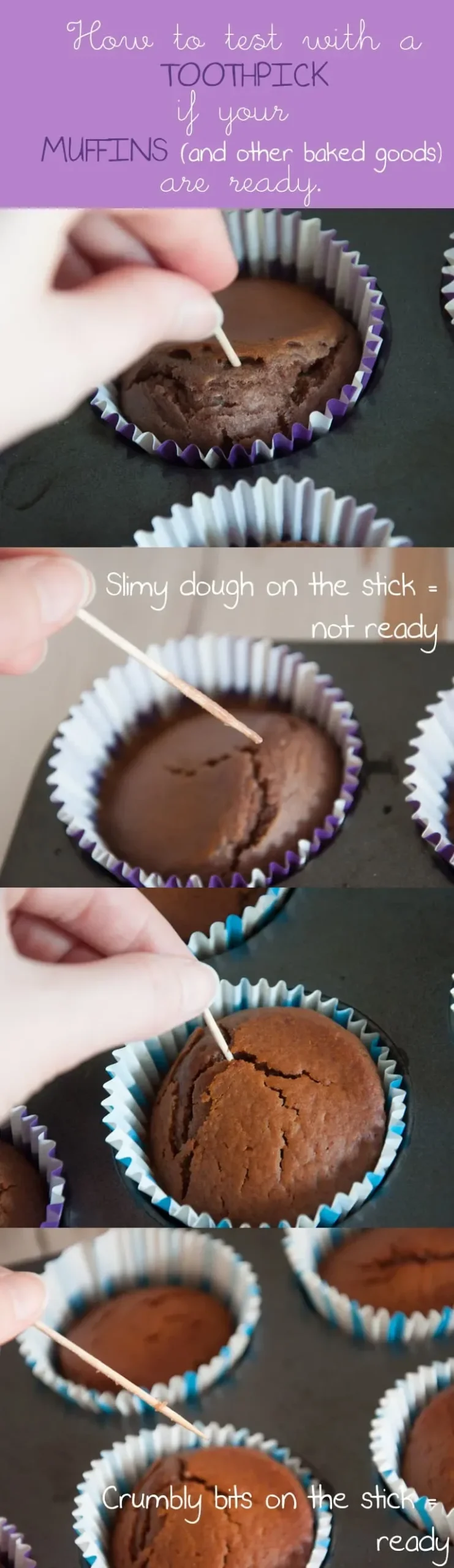
Image source: Bing (Web (fair-use with source credit))
Remember, these visual cues are more reliable than just a timer because every air fryer is a little different, and ingredient variations can also affect cooking.
Getting Started: Essential Air Fryer Baking Setup
Before you even think about preheating, there are a few fundamental steps to getting your air fryer ready for baking. It’s not quite as simple as just pouring batter into a preheated oven. You’ve got to consider the unique environment of the air fryer basket and the types of vessels you'll be using.
Choosing the Right Pans and Liners
The size and shape of your baking pans are critical. Standard 8-inch or 9-inch cake pans won't fit in most air fryer baskets. You need smaller, air-fryer-specific bakeware, or even just sturdy ramekins or silicone molds.
- Measure First: Always measure your air fryer basket’s internal dimensions before buying any bakeware. You need enough clearance for air to circulate all around your pan.
- Material Matters: Metal pans will conduct heat well, but silicone molds are flexible and easy to use. Ceramic ramekins work too, but might take slightly longer to heat through.
- Lining is Key: Using parchment paper liners, especially those cut to fit your specific pan or basket, prevents sticking and makes cleanup much easier. Foil can also work in some cases, but ensure it's weighed down so it doesn't fly up and hit the heating element.

Image source: Bing (Web (fair-use with source credit))
The goal here is to ensure your baking vessel doesn't block the airflow too much, which is the core principle behind how an air fryer cooks.
Air Fryer Size & Airflow: What to Watch
This is probably the biggest difference between air fryer baking and conventional oven baking. The air fryer circulates hot air intensely around your food. If you overcrowd the basket, or if your baking pan is too large and sits too close to the basket walls, this critical airflow gets blocked.
- Don't Overfill: This rule applies to the basket itself, not just the baking pan. If you're baking multiple muffins in their liners directly in the basket (which is possible for some models), leave space between them.
- Single Layer is Best: For most baking, aim for a single layer of items in the basket. If you need to bake more, do it in batches.
- Clearance is Crucial: Ensure there's at least an inch of space around all sides of your baking pan within the air fryer basket. This allows the hot air to circulate freely and cook your baked goods evenly.
Step-by-Step Air Fryer Baking: From Batter to Bite
Alright, you've got your air fryer, your chosen recipe, and the right-sized pan. Now let's walk through the actual baking process. It’s straightforward, but paying attention to a few details makes all the difference.
Preheating and Pan Prep
Just like with a conventional oven, preheating your air fryer is important. It ensures the appliance is at the correct temperature when your food goes in, leading to more even cooking from the start.
- Preheat: Set your air fryer to the temperature specified in your adjusted recipe (remember to lower it from the original). Let it preheat for 3-5 minutes. Some models have a dedicated preheat setting, while others just require you to set the temp and timer.
- Prepare Your Pan: While the air fryer preheats, prepare your baking pan or mold. Grease and flour it, or line it with parchment paper or a silicone liner. If using a non-stick spray, ensure it's suitable for baking and apply it evenly.
Filling, Baking, and Monitoring
Once preheated, it's time to get your batter or dough into the air fryer.
- Fill Your Pan: Spoon your batter into the prepared pan. Don't overfill it, two-thirds full is usually a safe bet for muffins and cakes, as they will rise.
- Place Carefully: Gently place the filled baking pan into the preheated air fryer basket. Close the basket.
- Set Time and Temp: Set your air fryer to the adjusted temperature and the estimated reduced cooking time.
- Watch Closely: This is where the "monitoring" part is crucial. Because air fryers cook faster, you’ll want to check on your baking item a few minutes before the timer is up.
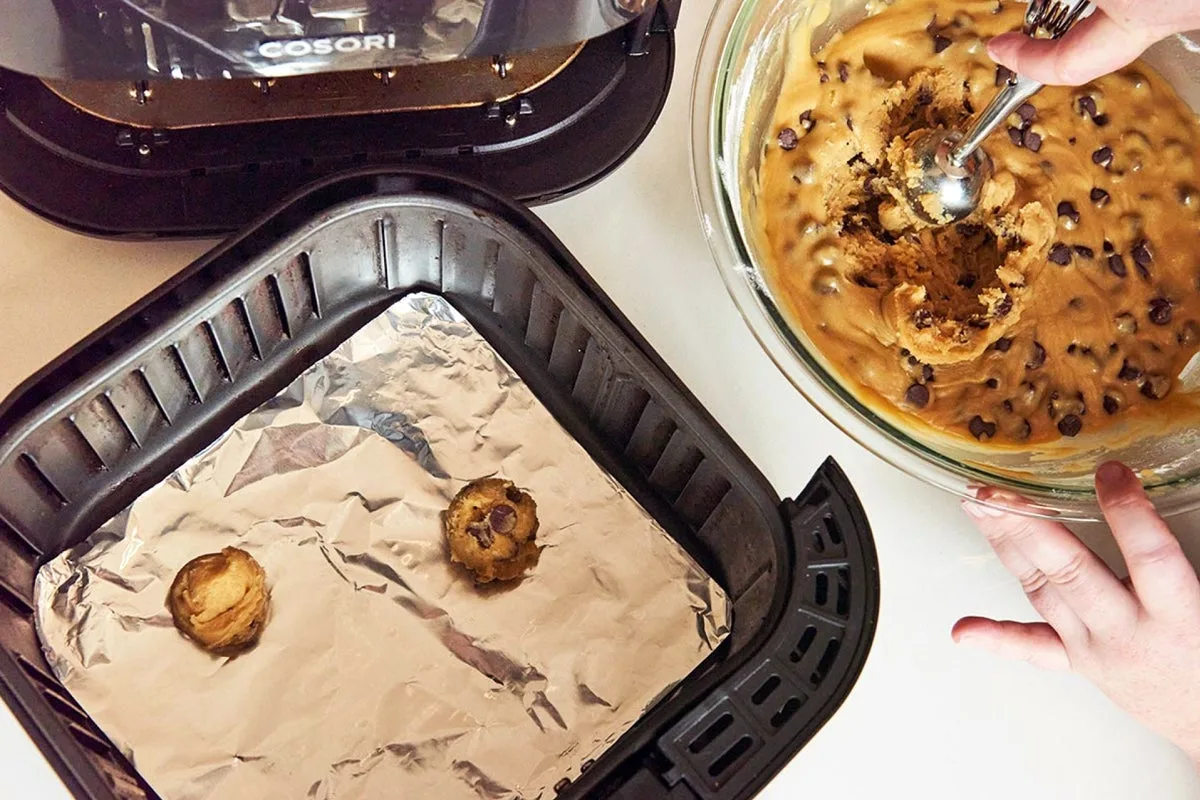
Image source: Bing (Web (fair-use with source credit))
It’s better to check early and add a minute or two if needed than to overbake. This is especially true for items like cookies, which can go from perfectly done to burnt in seconds.
Checking for Doneness: The Visual & Toothpick Tests
This is the final hurdle to ensure your baking project is a success. Rely on both your visual cues and the trusty toothpick test.
- Visual Check: Open the air fryer basket and look at your baked good. Is the top golden brown? Do the edges look set? This is your first indicator.
- Toothpick Test: For cakes, muffins, or larger baked items, insert a toothpick into the very center. If it comes out clean or with just a few dry crumbs attached, your item is likely done. If it comes out with wet batter, it needs more time.
- Baking Time Adjustments: If your item isn't done, close the basket and add another 2-3 minutes to the cooking time, then check again. Repeat if necessary. For items that are browning too quickly on top but are still doughy inside, you can loosely tent them with a piece of aluminum foil for the remaining cooking time.
Common Air Fryer Baking Snags and How to Fix Them
Even with the best intentions, you might run into a few bumps in the road when baking in an air fryer. These are common issues that usually stem from how the air fryer's intense heat works. Knowing what they are and how to troubleshoot them can save your bakes.
Too Dark, Too Light, or Uneven?
This is one of the most frequent problems. If the top or bottom is burning while the inside remains pale, or if one side is much browner than the other, it’s usually an airflow or temperature issue.
- Temperature Too High: The most common culprit. Try reducing the air fryer temperature by another 10-15°F (5-8°C). As of 2026, many users report that even a small adjustment makes a big difference.
- Uneven Airflow: This happens if the basket is too full, or if your baking pan is too large and blocks the air vents in the basket. Ensure there’s adequate space for air to circulate.
- Rotation Needed: Some air fryers cook more intensely from the top or side. If one side is browning faster, carefully rotate the baking pan halfway through the cooking time.
- Parchment Paper Hack: For items like cookies or brownies where the bottom might get too dark, try placing a layer of parchment paper under your baking pan or directly in the basket if you’re cooking without a pan.
Doughy Middle? What Went Wrong?
If your baked good is perfectly golden on the outside but still raw or doughy in the center, it means the outside cooked too quickly before the inside had a chance to heat up and set.
- Under-Baking: You might have simply pulled it out too soon. Always use the toothpick test to confirm doneness.
- Temperature Too Low: This sounds counterintuitive, but if the temperature is too low, the outside might not brown effectively, and the inside won't cook through before the outside dries out. Re-evaluate your temperature setting.
- Pan Too Thick: A very thick-walled pan might insulate the center too much. Consider a thinner metal pan or a silicone mold.
- Overcrowding the Basket: As mentioned, proper airflow is key. If your item is too close to the heating element or the sides of the basket, the outside will cook rapidly while the inside stays underdone. Ensure there's plenty of space.
What You Can (and Should!) Bake in an Air Fryer
Your air fryer isn't just for fries and chicken wings; it's surprisingly versatile for baking, especially when you’re not looking to make a full-sized cake or a dozen cookies. It excels at smaller tasks where a conventional oven might be overkill or take too long to preheat.
Cookies, Muffins, and Mini Cakes: Sweet Successes
Air fryers are fantastic for small batches of baked goods. Think of it as a personal-sized, super-efficient convection oven.
- Cookies: You can achieve wonderfully chewy centers and crisp edges, just like from a regular oven. Bake in batches, as most baskets can only hold 4-6 cookies at a time.
- Muffins and Cupcakes: Perfect for when you only need a few. Use silicone muffin liners or small metal tins that fit your air fryer basket.
- Mini Cakes and Brownies: Small round cakes, loaf cakes baked in mini pans, or even individual molten lava cakes are great candidates. They cook quickly and come out beautifully moist.
- Cheesecake Bites: Individual or mini cheesecakes can be made in ramekins. Ensure you use a water bath method if your recipe calls for it, by placing the ramekin inside a larger air fryer-safe pan.
- Biscuits and Scones: These also cook up quickly and can achieve a lovely golden crust.
When to Stick to Your Conventional Oven
While air fryers are great for small-batch baking, they do have limitations. For larger quantities or certain types of baked goods, your conventional oven is still the best tool.
- Large or Full-Sized Cakes: If you're baking a standard 8-inch or 9-inch layer cake, a full-sized Bundt cake, or a sheet cake, a conventional oven is more practical. Air fryer baskets are simply too small to accommodate these.
- Extensive Baking Projects: If you need to bake dozens of cookies, multiple loaves of bread, or a whole batch of pies at once, the air fryer’s limited capacity will make it inefficient.
- Delicate Pastries: Some very delicate pastries that require precise, gentle heat may perform better in a conventional oven where you have more control over the heat source and airflow.
- When Even Cooking is Paramount: For items that absolutely must cook perfectly evenly with no possibility of slight variations, a large, well-calibrated conventional oven is often preferred.
Expert Tips for Perfect Air Fryer Bakes
To truly master baking in your air fryer, beyond the basic steps, there are a few pro tips that make a significant difference. These come from experience and understanding the nuances of this appliance.
- Use a Recipe Designed for Air Fryers: Whenever possible, look for recipes specifically developed for air fryers. They’ll already have the adjusted temperature and time, saving you guesswork.
- Know Your Air Fryer: Different models have different heating strengths and fan speeds. What works for one might need slight adjustments for another. Pay attention to how your specific appliance performs.
- Don't Be Afraid to Experiment (Carefully): If you're adapting a regular recipe, start with the temperature and time adjustments mentioned. Check your bake halfway through, and be ready to make small tweaks.
- Consider Parchment or Silicone Liners: These are invaluable for preventing sticking and simplifying cleanup. They also help to moderate heat slightly on the bottom of baked goods.
- Embrace Small Batches: The air fryer is your friend for single servings or small gatherings. Trying to cram too much in will lead to disappointing results.
- Clean It Regularly: A clean air fryer basket and interior cook more efficiently and prevent old food residue from affecting the taste of your delicate baked goods. Check manufacturer specifications for cleaning recommendations.
Air Fryer Baking FAQs
How long does it take to preheat an air fryer for baking?
Most air fryers take about 3 to 5 minutes to preheat properly for baking. You’ll typically set the desired temperature and let it run until the indicator light shows it’s ready.
Can I use my regular baking pans in an air fryer?
Only if they fit comfortably inside the air fryer basket with at least an inch of clearance on all sides for air circulation. Most standard 8 or 9-inch pans are too large.
What if my cake is browning too fast on top?
You can loosely tent the top of the cake with aluminum foil. This shields it from the direct heat while allowing the inside to continue cooking through.
How do I know if cookies are done in an air fryer?
Cookies are usually done when the edges are golden brown and set, and the centers look slightly soft. They will continue to cook and firm up on the hot baking sheet after you remove them from the air fryer.
Comparisons and Alternatives
While your air fryer is a great tool for small-batch baking, it's helpful to know how it stacks up against other common kitchen appliances. Understanding these differences helps you choose the right tool for the job.
Air Fryer vs. Conventional Oven
The main difference lies in size and heat intensity. Conventional ovens are larger and heat more broadly, making them ideal for big cakes or multiple trays of cookies. Air fryers, conversely, use a powerful fan to circulate hot air rapidly within a confined space.
This makes them faster for smaller items but prone to uneven cooking if overloaded. For example, a batch of 24 cookies might take 10-12 minutes per tray in a conventional oven, while an air fryer might only hold 4-6 cookies at a time, requiring multiple small batches.
Air Fryer vs. Toaster Oven
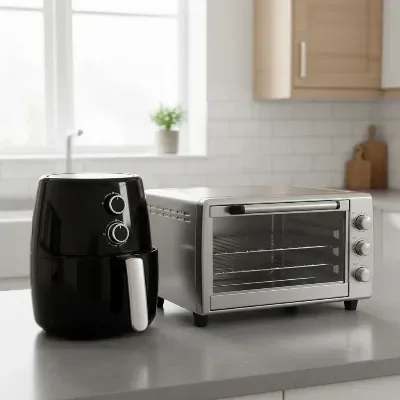
Toaster ovens often have a similar footprint to air fryers and can also perform convection baking. However, air fryers typically have a more powerful fan and a more concentrated heating element, leading to faster cooking and crispier results. A toaster oven might be a good middle ground if you bake slightly larger items than an air fryer can handle but still want something more efficient than a full-sized oven.
For instance, a small loaf of banana bread might fit well in a toaster oven, but would likely be too big for most air fryer baskets.
Use Cases: Who is Air Fryer Baking For?
Air fryer baking isn't for everyone or every occasion, but it shines for specific needs and users. If you find yourself often making just a few servings of baked goods, or if kitchen space is at a premium, this method is worth exploring.
- Individuals or Couples: If you're baking for one or two people, making a full cake or a dozen cookies often results in too much leftover. An air fryer lets you bake just 2-4 cookies or a single muffin perfectly.
- Small Kitchens or Dorm Rooms: For those with limited counter space or no access to a full-sized oven, an air fryer can be a valuable addition for baking small treats. It can perform tasks a microwave cannot, like achieving browning and crisp textures.
- Quick Dessert Cravings: When that urge for a freshly baked cookie or a warm muffin strikes, the air fryer's faster preheating and cooking times beat a conventional oven. You can often go from craving to treat in under 20 minutes.
- Experimenters and Hobbyists: For those who enjoy trying new cooking methods or perfecting small-batch recipes, the air fryer offers a unique challenge and rewarding results.
Maintenance and Long-Term Optimization
Keeping your air fryer in good working order is essential for consistent baking results. Regular cleaning prevents residue buildup that can affect taste and cooking evenness.
- Clean the Basket and Tray: After each use, wash the basket and any removable tray with warm, soapy water. Most air fryer baskets are non-stick, so a gentle sponge is usually sufficient. Avoid abrasive scrubbers that can damage the coating.
- Wipe Down the Interior: Periodically wipe down the inside of the air fryer cavity with a damp cloth to remove any grease splatters. Ensure the appliance is unplugged and completely cool before cleaning the interior.
- Check the Heating Element: Inspect the heating element at the top of the air fryer for any food debris. If you find any, carefully try to brush it away with a soft brush once the unit is cool and unplugged. Do not spray cleaning solutions directly onto the heating element.
- Read Your Manual: Always refer to your specific air fryer's user manual for detailed cleaning and maintenance instructions. Manufacturer specifications are the best guide for longevity.