Food Processor Types
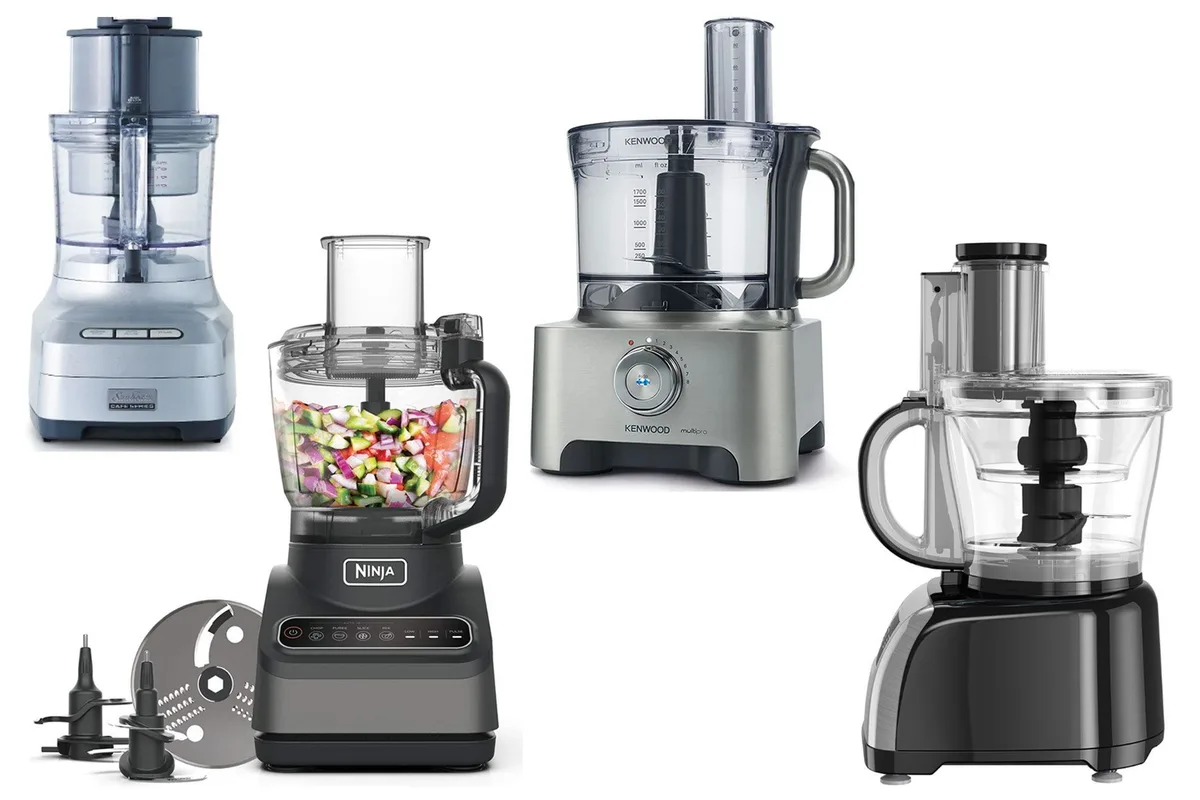
Image source: Bing (Web (fair-use with source credit))
Food Processor Types: Picking Your Kitchen Powerhouse
Navigating the different food processor types can feel like trying to decipher a secret code when you just want to make dinner faster. You've seen them advertised, you know they can chop, slice, and mix, but which one actually fits your kitchen and your cooking style? It's a common question for anyone looking to boost their kitchen efficiency.
Our research shows that understanding the core differences in capacity and power is key to making the right choice. For example, motor power can range significantly, with some units boasting just a few hundred watts while others push well over a thousand, impacting how efficiently they handle tough ingredients.
Quick Answer
Food processor types primarily differ by size and power. Mini choppers are for small tasks like herbs, mid-size processors handle everyday cooking for 2-4 people, and full-size models tackle large batches and tough jobs. Each type has distinct capacities, from 1-5 cups for minis to 12+ cups for full-size units.
Understanding the Different Food Processor Sizes
The primary way food processors are categorized is by their capacity, which directly relates to how much food they can process at once. This isn't just about how many cups the bowl holds; it's about matching the appliance's size to your typical cooking needs. If you're usually making meals for one or two, a massive machine will just take up valuable counter space.
Conversely, if you often cook for a crowd or do a lot of batch prepping, a tiny unit will leave you running it multiple times, defeating the purpose of efficiency.
Mini Choppers: Tiny Titans for Small Tasks
These are the smallest members of the food processor family, designed for simple, quick jobs.
- What they're good for: Think of them as your go-to for tasks that require just a few ingredients. This includes chopping fresh herbs like cilantro or parsley, mincing garlic or ginger, finely crushing nuts for a recipe, or making a small batch of salad dressing or dip. They're also excellent for pureeing baby food.
- Think of it like: A powerful electric grater or mincer.
- Capacity: Typically range from 1 to 5 cups. A 3-cup model, for instance, is often sufficient for these smaller jobs.
- Pros:
- Extremely compact and easy to store in a cabinet or drawer.
- Generally the most affordable option.
- Quick and simple to clean for small quantities.
- Cons:
- Severely limited in volume; they can't handle large recipes.
- Not designed for tougher tasks like kneading dough or processing large amounts of firm vegetables.
- Blade options are usually basic, often just a single S-shaped blade.
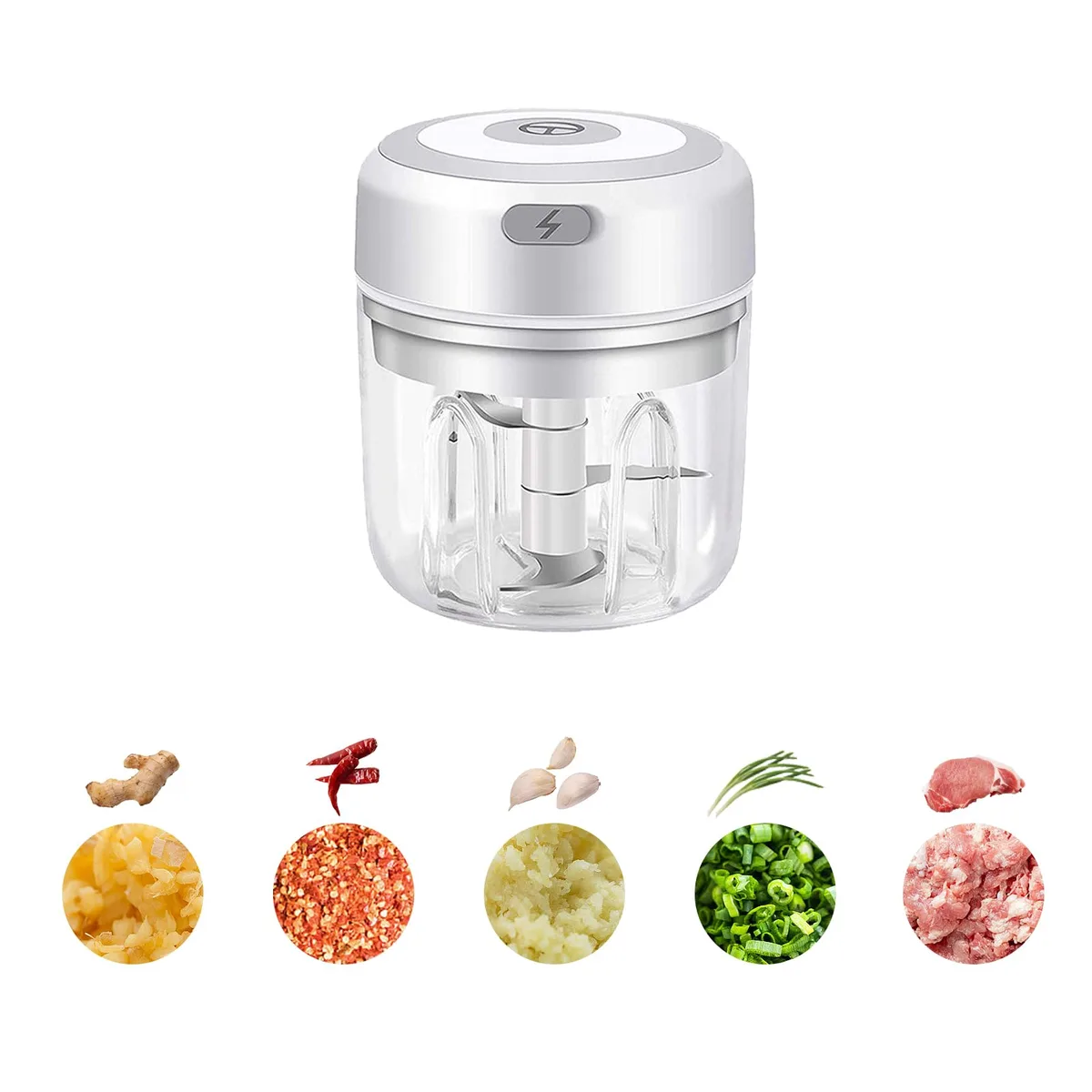
Image source: Bing (Web (fair-use with source credit))
When to consider one: If you live alone or with one other person and your primary needs are dicing onions, chopping spices, or making small, single-serving portions of dips or sauces, a mini chopper could be your best bet.
Mid-Size Food Processors: Everyday All-Stars
This is the sweet spot for most home cooks, offering a great balance of size, power, and versatility. Mid-size processors are built to handle a wide array of common kitchen tasks efficiently.
- What they're good for: These are your workhorses for everyday meal preparation. They excel at slicing vegetables for salads or stir-fries, shredding cheese for tacos or pasta, pureeing soups and sauces, chopping nuts for baking, and even making doughs for pies or pizza. They can handle larger quantities than mini choppers, making them suitable for families.
- Think of it like: A reliable multi-tool for your kitchen counter, ready for most daily challenges.
- Capacity: Most fall into the 7 to 12 cup range. A 9-cup or 11-cup model is a popular choice for many households.
- Pros:
- Versatile enough for the majority of home cooking requirements.
- Offer a good compromise between countertop footprint and processing ability.
- Typically include essential blade attachments like an S-blade for chopping and mixing, a slicing disk, and a shredding disk.
- Capable of handling larger batches than their mini counterparts.
- Cons:
- Require more storage space than mini choppers, often needing dedicated cabinet space.
- May struggle with extremely large or very dense batches that larger, more powerful machines handle with ease.
When to consider one: If you regularly cook for a family of 2-4, enjoy making homemade dips, sauces, or baked goods, and want a machine that can tackle most common food prep tasks without being overly cumbersome, a mid-size food processor is likely your ideal choice.
Full-Size Food Processors: Heavy-Duty Heroes
These are the giants of the food processor world, built for serious culinary endeavors. If you frequently cook for large groups, entertain often, or have demanding kitchen projects, a full-size model is designed to meet those needs.
- What they're good for: These machines are powerhouses, capable of handling massive quantities of ingredients. They are ideal for making large batches of bread dough, processing pounds of vegetables for canning or freezing, creating substantial amounts of hummus or nut butters, and tackling the toughest ingredients with significant ease.
- Think of it like: A commercial-grade appliance designed for your home kitchen.
- Capacity: They typically start at 12 cups and can go up to 20 cups or even more.
- Pros:
- Equipped with the most powerful motors, ensuring they can process dense or large quantities of food without strain.
- Save considerable time by processing very large volumes in a single go.
- Often come with a wider array of specialized attachments for advanced culinary applications.
- Exceptional for demanding tasks like kneading heavy bread dough or making smooth, thick nut butters.
- Cons:
- They are quite large and require substantial counter space or significant storage.
- Generally come with a higher price tag compared to smaller models.
- Cleaning can be more time-consuming due to their size.
- May be overkill if your typical cooking involves only small to medium batches.
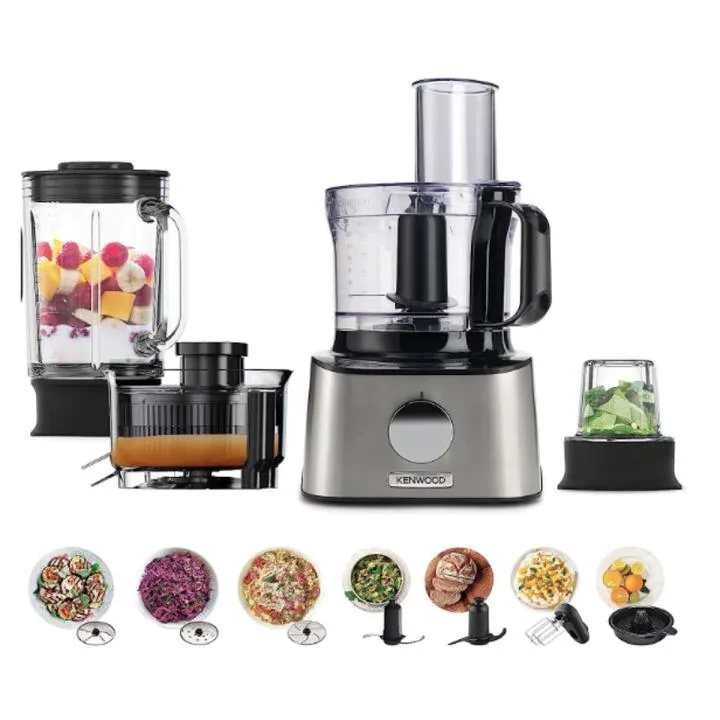
Image source: Bing (Web (fair-use with source credit))
When to consider one: If you often cook for large families or entertain guests regularly, do a significant amount of baking that involves heavy doughs, or simply want a machine with ultimate power that can handle absolutely any task without hesitation, a full-size food processor is the way to go.
Key Features and What They Mean for You
Beyond just the size of the bowl, several key features determine a food processor's performance and suitability for your kitchen. Understanding these attributes helps you look past marketing hype and focus on what truly matters for your needs.
Capacity: How Much Can It Handle?
The capacity, usually measured in cups, indicates the maximum volume of ingredients the bowl can hold for processing. Manufacturer specifications often refer to the dry capacity of the bowl. For instance, a 7-cup food processor might have a usable capacity of around 5-6 cups for liquids or softer ingredients to prevent overflow.
When you're looking at 7 Best Food Processor for Family 2026, capacity will be a top consideration.
- Mini Choppers: 1-5 cups
- Mid-Size Processors: 7-12 cups
- Full-Size Processors: 12+ cups
Choosing the right capacity ensures you're not constantly running the machine for large tasks or struggling with a unit that's too big for your needs.
Motor Power: The Engine Behind the Blades
Motor power, typically measured in watts, is a crucial indicator of how effectively a food processor can handle tough ingredients and large volumes. A higher wattage generally means a more powerful motor, capable of consistent performance without overheating or stalling.
- Lower Wattage (e.g., 200-400 watts): Adequate for basic chopping and mincing of softer ingredients. Found in most mini choppers.
- Medium Wattage (e.g., 500-750 watts): Good for most everyday tasks, including slicing, shredding, and processing moderately dense foods. Common in mid-size models.
- High Wattage (e.g., 800-1200+ watts): Necessary for heavy-duty jobs like kneading dough, processing nuts into butter, or chopping large quantities of firm vegetables. Usually found in full-size, professional-style models.
Aggregate reviews often highlight that underpowered motors lead to frustration, especially when attempting tasks beyond simple chopping.
Blade Attachments: Your Versatile Toolkit
The blades are what do the actual work, and different attachments allow your food processor to perform a variety of functions. Most processors come standard with a few essential blades:
- S-Blade (or Chopping Blade): This is the workhorse, used for chopping, mincing, pureeing, and mixing. It's typically made of stainless steel and sits at the bottom of the bowl.
- Slicing Disk: A reversible disk that creates uniform slices of vegetables, fruits, or cheese. One side is usually for thinner slices, the other for thicker ones.
- Shredding Disk: Similar to the slicing disk, this is used for shredding cheese, vegetables like carrots or zucchini, or even chocolate. It often has medium-sized holes.
Some higher-end models or full-size processors may include additional attachments like:
- Dough Blade: Often a blunt, plastic blade designed to knead dough without overworking it.
- Whipping or Emulsifying Disk: For making whipped cream or emulsifying dressings.
- Fine Shredding or Julienne Disks: For more specific cuts.
The type and number of included blades will significantly impact the processor's versatility and can mean the difference between a basic chopper and a true kitchen assistant.
Who Needs Which Food Processor? Real-World Use Cases
Choosing the right food processor isn't just about specs; it's about fitting the appliance to your life and how you use your kitchen. Thinking about your typical cooking habits will steer you toward the most suitable type.
The Solo Cook or Small Family
If you're cooking primarily for yourself or one other person, a mini chopper or a smaller mid-size food processor (around 4-7 cups) is often more than enough. You might find yourself needing to chop herbs for a garnish, make a small portion of hummus for a snack, or quickly process ingredients for a single-serving meal. Running a large processor for just a handful of ingredients can be inefficient and requires more storage space.
For example, if you're looking for the 7 Best Air Fryer for One Person 2026, you know that compact appliances are key.
- Ideal for: Quick chopping, small batch dips, mincing garlic/herbs.
- Consider: Mini choppers (1-4 cups) or compact mid-size units (4-7 cups).
The Enthusiastic Home Chef
For those who love to cook, bake, and experiment in the kitchen regularly, a mid-size food processor (7-12 cups) is usually the best investment. This size handles common tasks like shredding cheese for a family-sized lasagna, slicing vegetables for weeknight stir-fries, pureeing soups for a crowd of four, or making dough for a batch of cookies or a pie crust. It strikes a balance between having enough capacity for most recipes and remaining manageable on the countertop and in storage.
If you're interested in general kitchen appliances, you might also check out 7 Best Toaster 2026.
- Ideal for: Slicing, shredding, pureeing, making dough, general meal prep for 2-4 people.
- Consider: Mid-size processors (7-12 cups).
The Entertainer or Crowd-Pleaser
If your kitchen is the hub for frequent gatherings, or you cook large batches for meal prepping or freezing, a full-size food processor (12+ cups) is almost essential. This is the machine that can handle processing several pounds of vegetables for canning, making large quantities of pesto for a party, or kneading enough dough for multiple loaves of bread. These models offer the power and capacity to save you significant time when preparing for larger groups.
For context on larger kitchen appliances, you might look into 7 Best Large Air Fryer 2026.
- Ideal for: Large batch processing, heavy doughs, catering to large groups.
- Consider: Full-size processors (12+ cups) with high-wattage motors.
Food Processors vs. Other Kitchen Tools
It's easy to get food processors confused with other kitchen gadgets, but they each serve distinct purposes. Understanding these differences ensures you choose the right tool for the job and don't end up disappointed.
When an Immersion Blender Just Won't Cut It
An immersion blender, also known as a stick blender, is fantastic for pureeing soups directly in the pot or making a quick smoothie. It’s handheld and easy to store. However, it lacks the cutting disks and the powerful motor action needed for tasks like uniform slicing, shredding cheese, or kneading dough.
While it can chop in a pinch, the results are often uneven, unlike the consistent cuts from a food processor's blades and disks. For true chopping, slicing, and shredding, a food processor is superior.
Why a Food Processor Isn't a Stand Mixer
A stand mixer is designed primarily for baking tasks, specifically for its ability to mix, knead, and whip ingredients with attachments like dough hooks, whisks, and flat beaters. It excels at incorporating air into batters and developing gluten in doughs. A food processor, on the other hand, is built for cutting and chopping.
While some food processors can knead dough, they typically do so with a large S-blade and are not as efficient or refined as a stand mixer for this specific task. You wouldn't use a stand mixer to slice vegetables, and you generally wouldn't use a food processor for achieving perfectly whipped meringue.
Common Food Processor Pitfalls to Avoid
Even with the right appliance, improper use can lead to less-than-ideal results or even damage your machine. Knowing these common mistakes can help you get the most out of your food processor.
Overloading the Bowl
This is one of the most frequent errors. If you pack the bowl too full, the motor has to work harder, leading to uneven processing or overheating. It can also cause ingredients to get stuck above the blades.
Always process in batches if needed, ensuring there's enough space for ingredients to move freely around the blade. For instance, when processing a lot of vegetables for a large meal, it's often better to do two smaller batches than one overly stuffed one.
Improper Assembly
Ensure all parts, especially the blade and the bowl lid, are correctly locked into place before starting. Many food processors have safety interlocks that prevent them from turning on if not assembled properly. This is a crucial safety feature designed to prevent accidents with the sharp blades.
Always consult your user manual if you're unsure about the assembly sequence.
Forgetting Cleanup
Food processors have multiple parts, and dried-on food can be a nightmare to clean. It's best to rinse or wash components immediately after use. Most bowls, lids, and some blades are top-rack dishwasher safe, but always check your manufacturer's instructions.
Prompt cleaning prevents residue buildup and keeps your appliance hygienic and ready for its next use. As of 2026, manufacturers continue to emphasize ease of cleaning in their designs.
Food Processor Costs and What to Expect
The price of a food processor can vary quite a bit, depending mainly on its size, motor power, and the number of attachments included. As of 2026, you can expect to see a range of pricing.
- Mini Choppers: These are generally the most budget-friendly, often falling between $20 and $50. They offer basic functionality for small tasks without a significant investment.
- Mid-Size Food Processors: This is where most people find their perfect fit, with prices typically ranging from $70 to $200. Higher-end models in this category might boast more powerful motors or additional blades.
- Full-Size Food Processors: These heavy-duty units can range from $150 to $400 or more, especially for professional-grade models. The higher cost reflects their increased power, larger capacity, and more durable construction.
When budgeting, consider the frequency of use and the types of tasks you'll perform. Investing a bit more in a mid-size or full-size processor with adequate power can save you frustration in the long run.
Frequently Asked Questions About Food Processors
What's the difference between a food processor and a blender?
A food processor is designed for chopping, slicing, shredding, and mixing ingredients in a bowl. A blender, particularly a countertop one, is better suited for pureeing liquids and making smooth beverages or sauces due to its taller, narrower jar and blade design.
Can I knead dough in a food processor?
Yes, many mid-size and full-size food processors can knead dough, especially those with a dough blade attachment or a powerful motor. However, a stand mixer is generally considered more effective and efficient for this specific task, especially for large quantities or stiff doughs.
How do I clean my food processor?
Most food processor bowls, lids, and blades are top-rack dishwasher safe. Always check your manufacturer's instructions first. For hand washing, use warm, soapy water and a brush to clean around the blades safely.
The motor base should only be wiped clean with a damp cloth and never submerged in water.
What kind of food processor is best for chopping onions?
For chopping onions, even a mini chopper will work fine if you're doing just one or two. For larger quantities or more uniform results, a mid-size food processor with an S-blade is ideal. Just be sure to pulse rather than letting it run continuously to avoid turning your onions into mush.


One Comment