How to Clean a Spin Bike
Knowing how to clean a spin bike properly is the difference between a machine that lasts a decade and one that squeaks, rusts, and fails within a few years. Sweat is relentless. A single session coats your bike in moisture that slowly eats away at metal, electronics, and moving parts.
Get the routine wrong, and you'll do more harm than good.
Research shows that a typical 30-minute indoor cycling session produces up to two cups of sweat. That moisture drips straight onto your frame, flywheel, and pedals. Over a week of regular rides, it's enough to corrode exposed metal.
The good news? With the right steps, you can prevent nearly all of it.
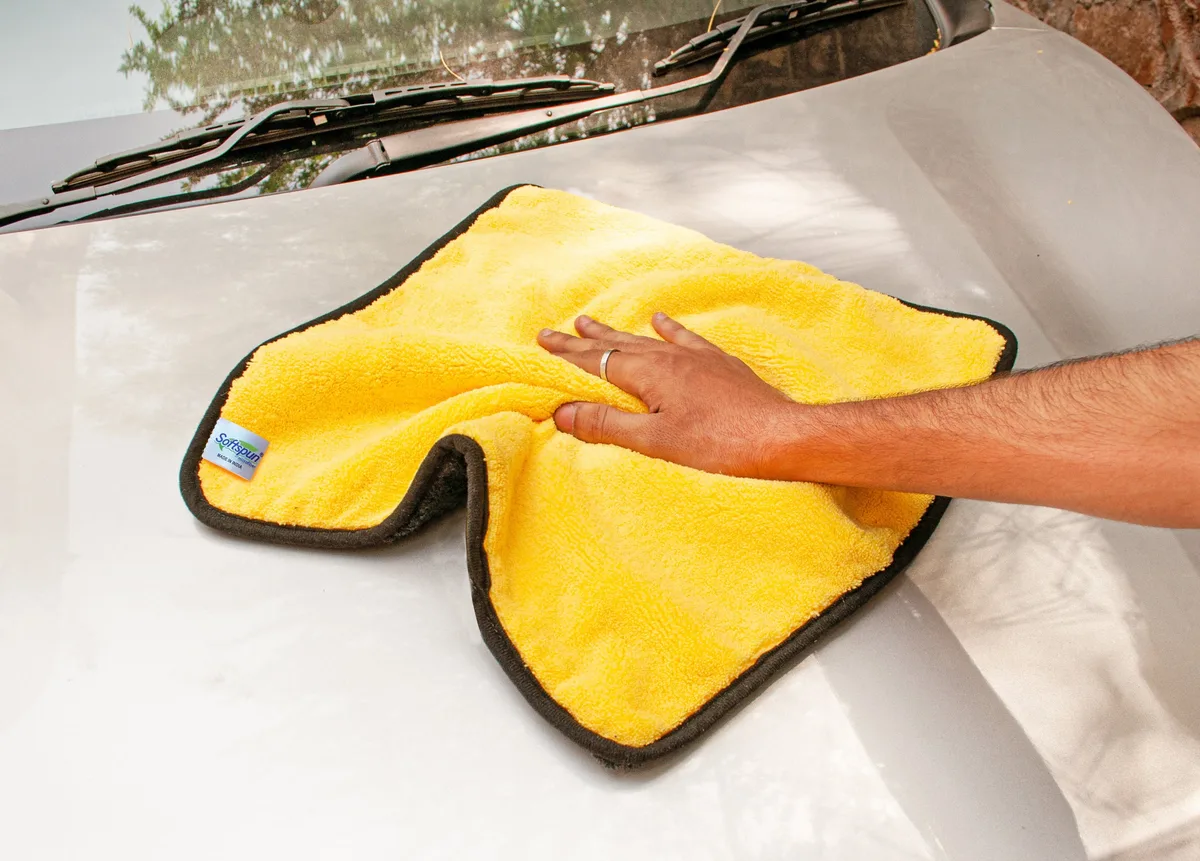
Image source: Bing (Web (fair-use with source credit))
The Sweat Factor: Why Your Spin Bike Needs a Dedicated Cleaning Routine
Your spin bike doesn't just collect dust. It gets coated in warm, salty moisture from every ride. That combination is brutal for metal, rubber, and electronics.
Ignore it, and you'll notice squeaks, rust, and sticky knobs within months.
Manufacturer specifications indicate that most indoor cycles use sweat-resistant coatings. But those coatings aren't magic. They delay corrosion, not stop it.
Once the coating wears thin from friction or improper cleaning, rust starts eating the frame and bolts.
The same goes for the drivetrain. A dry chain gets noisy and stiff. A wet one collects grime like a magnet.
Aggregate reviews report that the most common complaint among spin bike owners isn't comfort or noise. It's premature part failure.
The fix starts with the right tools and a simple routine. You don't need specialist gear. Just a few basics you probably own already.
Stick with it, and your bike will run smooth for years. Skipping it is why most home gym equipment ends up as a clothes rack.
Know Your Bike: Belt vs. Chain and Felt vs. Magnetic Resistance
Before you pick up a cloth, stop and figure out what you're working with. Not all spin bikes clean the same way. The two big differences are the drivetrain and the resistance system.
Getting these wrong can cost you parts.
Belt drive: Most modern spin bikes use a poly-v belt. It's quiet, low-maintenance, and doesn't need lubrication. Cleaning is simple.
Wipe the belt with a dry cloth and check the tension. Never degrease the belt or apply any oily dressing. If you do, you'll cause slipping and premature wear.
Chain drive: Spin bikes with chains are more like outdoor bikes. Chains collect sweat, dust, and grime. They need periodic degreasing and re-lubrication.
Use a dry-wax lube, not oil, because oil flings off and makes a mess. A chain-driven bike that gets an hour of riding daily should get attention every two weeks.
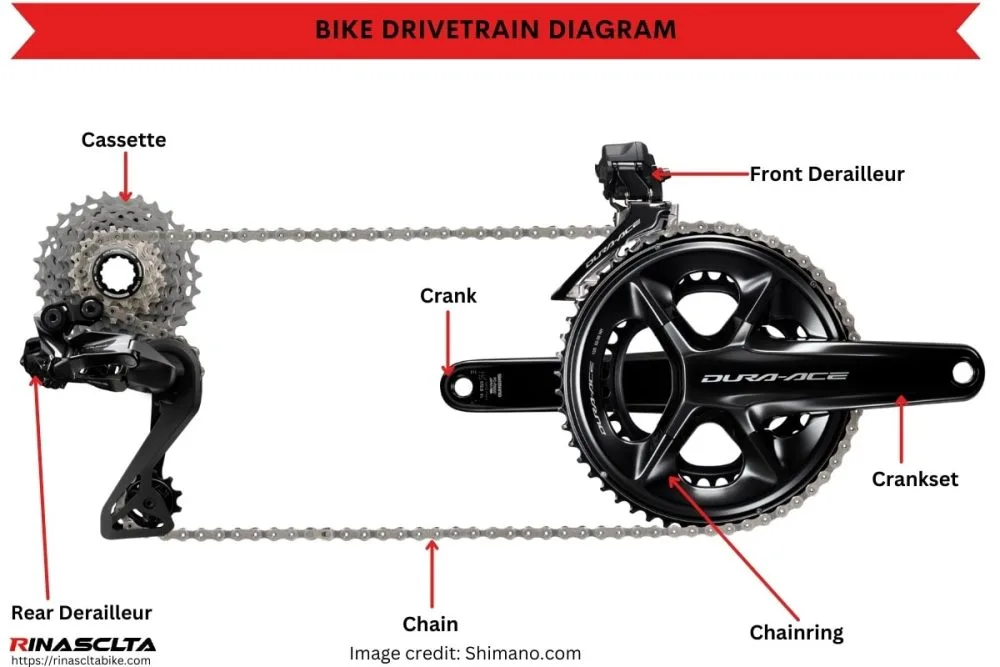
Image source: Bing (Web (fair-use with source credit))
Felt pad resistance: Older and budget-friendly bikes use a felt pad pressed against the flywheel. That pad wears down and can glaze over, creating squeals. Don't clean the flywheel with abrasive scrubbers.
It damages the surface and ruins the mating action. Instead, check the pad for grooves and replace it when it wears flat.
Magnetic resistance: Magnetic systems have no friction materials to wear out. The flywheel uses magnets to create resistance. There's nothing to clean beyond the housing.
That makes them practically maintenance-free. Your only job is keeping dust and sweat off the frame and console.
If your bike has a chain, treat cleaning differently: degrease, lube, wipe. If it has a belt, wipe and forget.
The Two-Minute Wipe-Down: The Post-Ride Routine That Protects Your Frame
The best way to keep your spin bike in top shape is a quick wipe immediately after you cool down. Sweat is most corrosive when it's fresh. A two-minute pass with a microfiber cloth stops the problem before it starts.
- Shut it down. Unplug the bike if it has a powered console.
- Wipe the frame. Hit the top tube, down tube, and handlebars.
- Dry the seat. If you let it soak, you'll dry out the cover material.
- Blot the flywheel cover. Don't spray water into the vents. Use a damp cloth on the outside.
- Clean the pedals. Your shoes touch them every ride. Grime builds fast.
Do this every time. Skipping it turns your solid investment into a rusty toy. You wouldn't leave a road bike muddy after a wet ride.
Same logic.
The Monthly Deep Clean: De-Greasing the Chain, Crank Arms, and Flywheel
Weekly cleaning handles sweat. Monthly cleaning handles buildup. This is where you go deeper and touch the moving parts.
Set aside 20 minutes with the bike unplugged.
Step 1: Clean the drivetrain.
Chain bike: Apply a citrus degreaser to a lint-free cloth, then wipe the chain thoroughly. Let it dry completely before applying a drop of dry-wax lubricant to each link. Let it sit for 10 minutes, then wipe off the excess. Re-lube after 50 to 100 riding hours.
Belt bike: Skip degreasing. Wipe the belt with a clean, dry cloth and inspect for cracks.
Step 2: Tackle the cranks and pedals. These collect deep grime. Remove the pedals if you can, or scrub with a soft brush and warm, soapy water. Rinse with a damp cloth.
Don't submerge the bottom bracket area.
Step 3: Hit the flywheel. If you have magnetic resistance, wipe the housing lightly. If you have felt resistance, inspect where the pad presses against the metal. Use compressed air to blow out dust, but never aim water near the flywheel axle.
Water gets into the bearing and ruins it over time.
Step 4: Check the frame and bolts. Look for rust, loose bolts, or worn foam grips. Tighten any loose hardware, but don't over-torque. Spin bikes vibrate; bolts loosen naturally.
A little lube on the seat post and handlebar clamps goes a long way.
The Pressure Washer Myth: Cleaning Mistakes That Ruin Bearings and Brakes
If you've seen someone blast a spin bike with a pressure washer on social media, don't copy that. It's the fastest way to destroy bearings and electronics. Pressurized water forces itself into seals.
Once inside, grease washes out, rust forms, and the flywheel starts grinding.
The other common error is using harsh solvent cleaners on everything. Bleach, ammonia, or acetone will strip paint and melt rubber grips. Stick with mild dish soap and water or a purpose-made bike cleaner.
| Mistake | Why it hurts | What to do instead |
|---|---|---|
| Pressure washing | Water gets into bearings and consoles | Damp cloth and gentle wipe |
| Spraying cleaner directly on the chain | It dissolves lubrication and drips into sealed areas | Apply cleaner to a cloth first |
| Using WD-40 on the frame | Leaves a residue that attracts grime | Use a no-residue cleaner |
| Over-lubricating the chain | Lube flings off and turns into black sludge | One drop per link, then wipe excess |
| Ignoring the seat post | Sweat pools below the saddle and welds it in place | Wipe and apply light grease once a year |
Here's your decision rule. If a cleaner is strong enough to remove paint, it's strong enough to remove your bike's protective coating. If a brush feels aggressive, it's too aggressive for the flywheel.
When in doubt, a dry microfiber cloth and warm water are never the wrong choice.
Lubrication and Felt Pads: Pro-Level Care for the High-Wear Zones
This is where the real difference between a smooth, quiet bike and a squeaky mess lies. Lubrication is precision work, not a quick spray. Using the wrong product or too much of it can cause buildup and attract dust.
Felt pad care is just as critical if your bike uses friction resistance.
For chain-driven bikes, choose your lubricant wisely. Heavy oil attracts dust and grit, creating a grinding paste that wears out the chain. A dry-wax lubricant is the standard for indoor use.
It bonds to the chain's rollers, repels sweat, and doesn't fling off. Apply one drop to each link, let it penetrate for 10 minutes, then wipe the entire chain with a clean cloth.
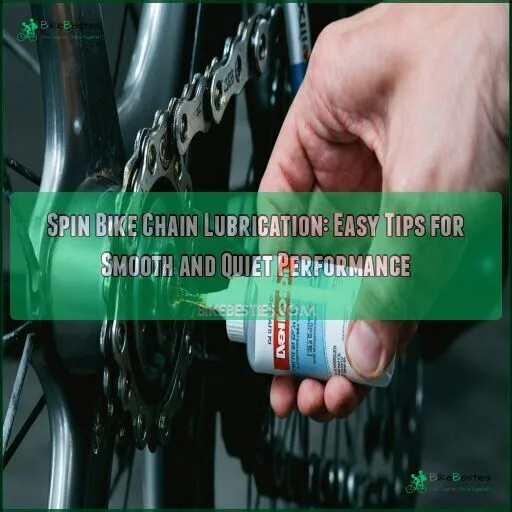
Image source: Bing (Web (fair-use with source credit))
If your bike has a felt brake pad, you're managing a wear item. The pad presses against the flywheel for resistance. Over time, it develops grooves or glazes over.
A glazed pad squeals loudly. You can revive it by lightly sanding the contact surface with 120-grit sandpaper. If the pad is deeply grooved or compressed to less than ¼-inch thickness, replace it.
Never lubricate a felt pad or the flywheel surface it contacts.
For magnetic bikes, keep the housing free of dust and debris that could interfere with the magnetic gap. A quick wipe-down is enough. The same care principles apply to any equipment with moving parts, like the resistance mechanisms covered in our guide on adjusting a rowing machine.
Spin Bike Cleaning FAQs: Squeaky Pedals, Rust Spots, and Console Care
How do I stop my spin bike from squeaking?
The squeak almost always comes from one of three places: the brake pad, the bottom bracket, or the pedal bearings. Start with the easiest fix. If you have a felt pad, check for glazing and sand it lightly.
If the squeak persists, it might be the bottom bracket. That requires a specific tool and is often a job for a professional. Pedal bearings can sometimes be serviced, but on most budget models, the entire pedal is a sealed unit meant to be replaced.
What should I do if I see rust on the frame or bolts?
Surface rust on bolts can be removed with a wire brush or a dab of penetrating oil. For rust on the painted frame, gently scrub with a paste made from baking soda and water, then rinse and dry thoroughly. The real goal is to stop it from coming back.
That means more consistent post-ride wiping and considering a protective wax coating.
How do I clean the electronic console or touchscreen?
Never spray cleaner directly onto the screen. Lightly dampen a microfiber cloth with a 50/50 mix of water and isopropyl alcohol, then wipe gently. For button consoles, use a dry cotton swab to clear dust from around the buttons.
Ensure the bike is unplugged before you start.
My bike feels like the belt is slipping. What's wrong?
A slipping belt usually means the tension is too loose or the belt is contaminated. First, check for any oil or cleaner on the belt. Wipe it thoroughly with isopropyl alcohol on a cloth.
If the issue is tension, most bikes have an adjustment bolt behind the guard. Follow your manual's instructions, as over-tightening can damage the bearings.
Can I use a steam cleaner on my spin bike?
No. Steam forces pressurized, hot moisture into every seam, bearing, and electronic port. It's a fast track to internal corrosion and shorted circuits.
Stick to damp cloths and spray bottles used sparingly on a rag.
Pick Your Path: Match the Cleaning Plan to Your Riding Frequency
Not everyone rides the same amount, so your cleaning schedule shouldn't be one-size-fits-all. Match your routine to your usage to prevent both neglect and overkill.
If you ride 1-2 times per week:
Your main job is the post-ride wipe-down. A quick pass with a dry microfiber cloth after each session handles most sweat. Once a month, do a deeper clean.
Check the chain or belt tension, wipe the frame thoroughly, and inspect the resistance mechanism.
If you ride 3-5 times per week:
The post-ride wipe-down is non-negotiable. Add a weekly quick-clean where you wipe the frame, pedals, and handlebars with a slightly damp cloth. Monthly, perform the full deep clean including drivetrain degreasing and a check of all bolts and moving parts.
If you ride daily or train intensely:
Treat your spin bike like serious machinery. Wipe it down immediately after every ride. Consider placing a towel on the frame to catch sweat before it drips.
Perform a detailed clean every week. This means degreasing the chain if applicable, checking pad wear, and tightening loose hardware. A yearly professional tune-up is a wise investment.
Here's a quick reference for your maintenance schedule:
| Riding Frequency | Post-Ride | Weekly | Monthly | Yearly |
|---|---|---|---|---|
| 1-2 rides/week | Wipe frame | — | Deep clean & inspect | — |
| 3-5 rides/week | Wipe frame | Quick clean | Deep clean & inspect | Check bolts |
| Daily/Intense | Wipe & towel | Detailed clean | Deep clean & adjust | Pro tune-up |
Consistent upkeep is the cornerstone of making any home gym equipment last, a principle we've covered in our guide on maintaining a rowing machine. The core idea is the same. Match the effort to the use, and your equipment will reward you with years of reliable service.
Compare that to what happens when you skip the care, as outlined in our breakdown of whether rowing machines are worth the investment. The same rules apply across the board.