Does the Jeep Wagoneer Have Four-Wheel Drive?
You're eyeing a Jeep Wagoneer, a vehicle that conjures images of capability and comfort. A big part of that capability often comes down to its drivetrain, and the crucial question is: Does the Jeep Wagoneer have four-wheel drive? For many buyers, this is a deal-breaker, influencing everything from on-road handling to off-road adventure potential.
Our research confirms that four-wheel drive is indeed available on the Jeep Wagoneer, but its presence isn't universal across all models. Manufacturer specifications indicate that the availability of 4WD is dependent on the specific trim level and optional packages chosen for the vehicle.
Wagoneer 4WD Availability
The direct answer is yes, a Jeep Wagoneer can have four-wheel drive. However, this capability is a feature that varies by trim and configuration. Not every Wagoneer rolls off the assembly line with 4WD as standard equipment.
Wagoneer Drivetrain Options: Understanding the Choices
When you're looking at a Jeep Wagoneer, understanding its drivetrain options is key to matching it with your needs. The primary distinction for capability often lies between rear-wheel drive (RWD) and four-wheel drive (4WD). For 2026 models, manufacturers clearly outline these differences to help consumers make informed decisions.
Rear-Wheel Drive (RWD) vs. Four-Wheel Drive (4WD)
Rear-wheel drive is the default for many vehicles, sending power only to the back wheels. It's efficient for everyday driving on dry, paved roads. Four-wheel drive, on the other hand, can send power to all four wheels, providing enhanced traction.
This is crucial when conditions get slick, whether from snow, rain, or off-road terrain.
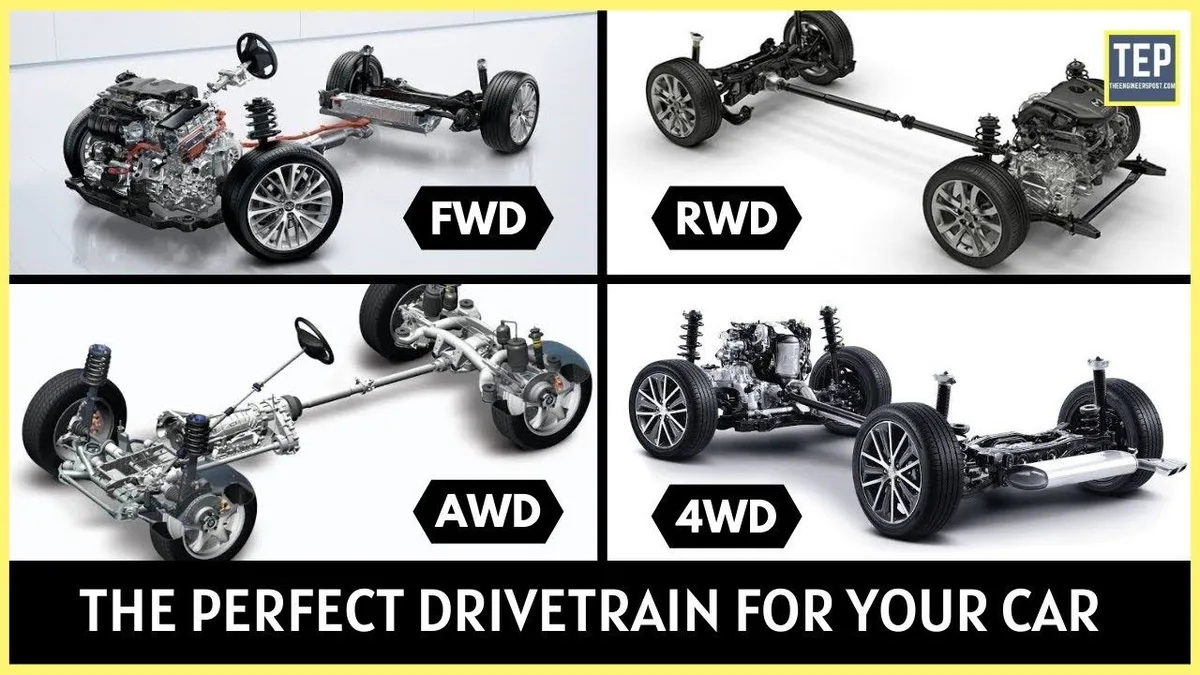
Image source: Web (Bing) / pinterest.com (Web image (fair-use with source credit))
Jeep's 4×4 Systems Explained
Jeep's approach to four-wheel drive is typically robust, often referred to as 4×4 systems. These aren't just simple engagements; they are sophisticated setups designed for both on-road refinement and off-road prowess. Manufacturer specifications for the Wagoneer highlight advanced systems that can automatically adjust power distribution.
This means the vehicle is constantly working to give you the best grip possible without you needing to constantly intervene. For more details on vehicle drivetrain technologies, you can consult official Jeep documentation or automotive engineering standards bodies.

Image source: Web (Bing) / beedspeed.com (Web image (fair-use with source credit))
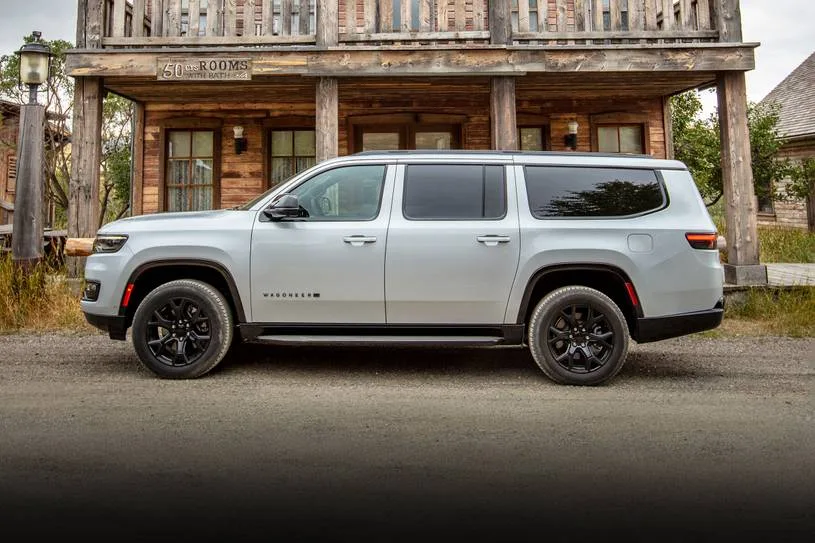
Image source: Bing (Web (fair-use with source credit))
Which Wagoneer Trims Offer 4WD?
The availability of four-wheel drive on the Jeep Wagoneer is directly linked to its specific trim level. Jeep structures its vehicle offerings so that certain configurations come standard with 4WD, while others make it an optional upgrade. This allows buyers to tailor the vehicle's capabilities to their intended use and budget.
Standard vs. Optional 4WD Across Trims
In our research of the 2026 Wagoneer lineup, we found that base models often feature a rear-wheel-drive system as standard. This is common for vehicles where the primary focus is on comfortable on-road commuting. As you ascend to higher trim levels like the Series II or Series III, four-wheel drive typically becomes either a standard feature or a readily available option.
This makes the higher trims more appealing for those who anticipate challenging driving conditions.
Key Features of Wagoneer 4WD Systems
When a Wagoneer is equipped with 4WD, it often comes with advanced features that enhance its versatility. Many systems include selectable drive modes, allowing drivers to optimize performance for specific conditions such as snow, sand, mud, or rock crawling. Some configurations also offer low-range gearing, which provides increased torque for tackling steep inclines or navigating technical off-road obstacles.
These systems work in conjunction with advanced traction control to ensure stability and grip. For more technical details on vehicle traction systems, you can refer to specifications from standards bodies like the International Organization for Standardization (ISO).
When Do You Actually Need 4WD in a Wagoneer?
Deciding whether you truly need four-wheel drive on your Jeep Wagoneer boils down to your typical driving environment and planned adventures. While a rear-wheel-drive setup is perfectly adequate for many daily commutes, 4WD offers significant advantages in specific situations. It’s about matching the vehicle's capabilities to your lifestyle.
Real-World Scenarios for 4WD Use
Four-wheel drive truly shines when you encounter low-traction surfaces. This includes driving on slippery roads during winter weather, navigating unpaved or gravel driveways, or venturing onto off-road trails for camping or recreation. The ability to distribute power to all four wheels significantly improves acceleration, handling, and the ability to maintain forward momentum in conditions where RWD might struggle.
For instance, if you frequently drive in areas that experience heavy snowfall or have unmaintained rural roads, the added grip from 4WD is invaluable. If your daily commute involves navigating an icy city or a winding mountain road, 4WD is a significant safety upgrade.
Who is the Wagoneer with 4WD For?
The Jeep Wagoneer with four-wheel drive is ideally suited for individuals and families who demand more from their vehicle. This includes drivers who live in regions with unpredictable weather, those who enjoy outdoor activities like hiking or skiing that might take them off the beaten path, or anyone who simply wants the added confidence that comes with enhanced traction. If your driving often includes surfaces beyond smooth asphalt, a 4WD Wagoneer offers a significant upgrade in capability.
For families, it provides peace of mind, especially when carrying passengers or towing. This capability also aligns with users who might look into how to troubleshoot other vehicle electronics, such as those found with Rand McNally TND 85 Troubleshooting: Easy Fixes.
Mistakes to Avoid When Choosing a Wagoneer Drivetrain
When selecting a Jeep Wagoneer, making the wrong choice about its drivetrain can lead to either unnecessary expense or unmet expectations. One common mistake is opting for four-wheel drive when you rarely, if ever, encounter conditions that require it. This means you might be paying for advanced capability that goes unused, adding to the initial purchase price and potentially impacting fuel economy.
Conversely, choosing rear-wheel drive for a lifestyle that frequently involves adverse weather or light off-roading can leave you feeling underprepared and less confident. It's crucial to honestly assess your typical driving habits and planned usage before committing to a purchase.
How to Verify 4WD on a Specific Wagoneer
Confirming whether a particular Jeep Wagoneer is equipped with four-wheel drive is a straightforward process. The most reliable place to start is by examining the vehicle's original window sticker, often referred to as the Monroney label. This document clearly lists all factory-installed options and standard features, including the specific drivetrain.
If you don't have access to the window sticker, checking the vehicle's trim level documentation is also effective. Manufacturer websites provide detailed specifications for each trim, outlining whether 4WD is standard, optional, or unavailable. For instance, a Wagoneer Series III might list a specific Jeep 4×4 system as standard.
This careful verification process ensures you get the capability you expect, avoiding the missteps common when relying on assumptions.
Frequently Asked Questions About Wagoneer 4WD
Does the base model Jeep Wagoneer come with 4WD?
No, typically the base model Jeep Wagoneer comes standard with rear-wheel drive. Four-wheel drive is usually an optional upgrade or standard on higher trim levels.
Is 4WD better for fuel economy in a Wagoneer?
Generally, rear-wheel drive offers better fuel economy than four-wheel drive because it has less mechanical drag. However, the difference may be minor on modern SUVs, especially when comparing systems like those found in the Wagoneer.
Can I add 4WD to a Wagoneer that didn't come with it?
Aftermarket installation of a factory-equivalent 4WD system is typically not feasible or cost-effective for the Jeep Wagoneer. It's best to select a trim level that includes the desired drivetrain from the factory.
How does the Wagoneer's 4WD system differ from AWD?
Four-wheel drive (4WD) systems, especially Jeep's, are often designed for more demanding off-road conditions with features like low-range gearing. All-wheel drive (AWD) systems are typically more focused on on-road performance and all-weather traction, often operating automatically without driver input for specific modes.
What is the towing capacity of a Wagoneer with 4WD?
Towing capacity can vary slightly between RWD and 4WD configurations of the Wagoneer. Always consult the official Jeep specifications for the exact towing limits for the specific model year and drivetrain.