How To Use A Tire Inflator: Easy Step-By-Step Guide
A tire inflator helps you add air fast, safely, and with the right pressure every time.
If you have ever watched a low tire warning pop up and wondered what to do next, you are in the right place. Learning how to use a tire inflator is one of those small car skills that saves time, money, and stress. I have used portable inflators and shop-grade air tools in real-world situations, and the biggest lesson is simple: the job is easy when you follow the right steps and check the tire pressure the right way.
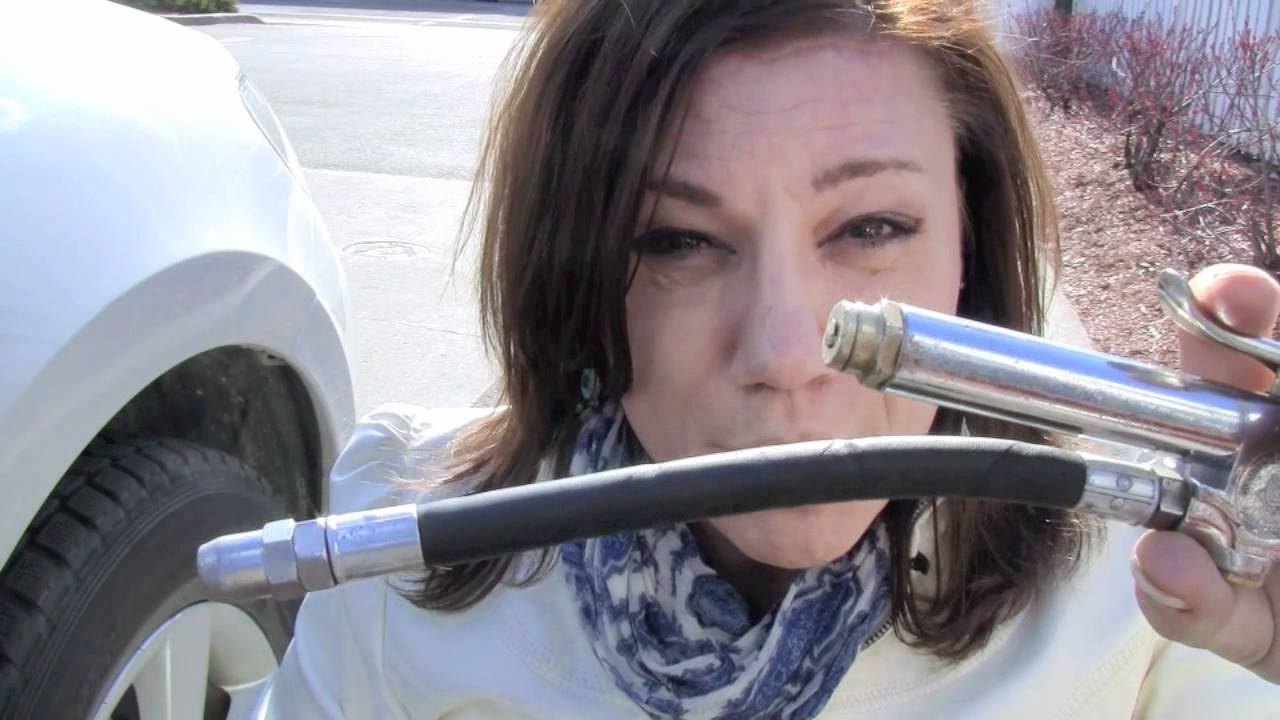
What a tire inflator does and why it matters
A tire inflator is a tool that pushes air into a tire until it reaches the correct pressure. Some models plug into a 12V outlet in your car, while others use a rechargeable battery or an air compressor. The goal is not just to fill the tire, but to bring it to the exact PSI your vehicle needs.
Correct tire pressure matters more than many drivers think. Low pressure can hurt fuel economy, reduce handling, and wear tires faster. It can also make braking less predictable, which is why using a tire inflator the right way is such a useful skill.
Before you use a tire inflator
Before you start, check the recommended tire pressure for your vehicle. You can usually find it on the driver’s door jamb sticker, in the owner’s manual, or sometimes near the fuel door. Do not use the number printed on the tire sidewall as your daily target; that number is the tire’s maximum limit, not the recommended pressure for your car.
You will also want a good tire pressure gauge if your inflator does not show a very accurate reading. In my experience, having a separate gauge is worth it because it gives you a second check. I have seen inflator displays drift a little, especially on cheaper models or after long use.
Here is a simple prep checklist:
- Park on a flat surface
- Turn off the engine unless your inflator needs power from the car
- Make sure the tire valve stem is easy to reach
- Check the recommended PSI for each tire
- Inspect the tire for damage, nails, or bulges before adding air
How to use a tire inflator step by step
Using a tire inflator is straightforward, but doing it carefully makes a big difference. Think of it like topping off a bottle of water. If you rush, you spill. If you go slow, you get it right.
1. Remove the valve cap
Unscrew the small cap from the tire valve stem and keep it in a safe place. This cap helps protect the valve from dirt and moisture, so do not lose it.
2. Attach the inflator nozzle
Press the inflator chuck firmly onto the valve stem. If your model has a lever, lock it down. You should hear a short air sound at first, which is normal.
If air keeps hissing after attachment, the connection may not be tight enough. Reseat it before you begin inflating.
3. Turn on the inflator
Power on the unit and set the target pressure if your inflator has a digital setting. Some models allow you to preset the PSI and shut off automatically when they reach it. That feature is very helpful because it reduces overinflation risk.
4. Inflate in short intervals if needed
Watch the pressure reading as air goes in. If the tire is very low, you may need to add air for a longer stretch. For small adjustments, use short bursts so you can stop close to the target.
A mistake I see often is people trying to guess by sound or feel. Tires are not like balloons. The only reliable method is checking the PSI.
5. Stop at the recommended pressure
When the tire reaches the recommended PSI, turn off the inflator and remove the chuck quickly. Recheck the pressure if needed. A tiny amount of air loss can happen during removal, so it is smart to confirm the final number.
6. Replace the valve cap
Put the cap back on securely. This is a small step, but it helps keep the valve clean and protected.
7. Repeat for each tire
If one tire was low, check the others too. Many drivers forget that all four tires should usually be close to the same recommended pressure, unless the vehicle maker specifies different front and rear PSI.
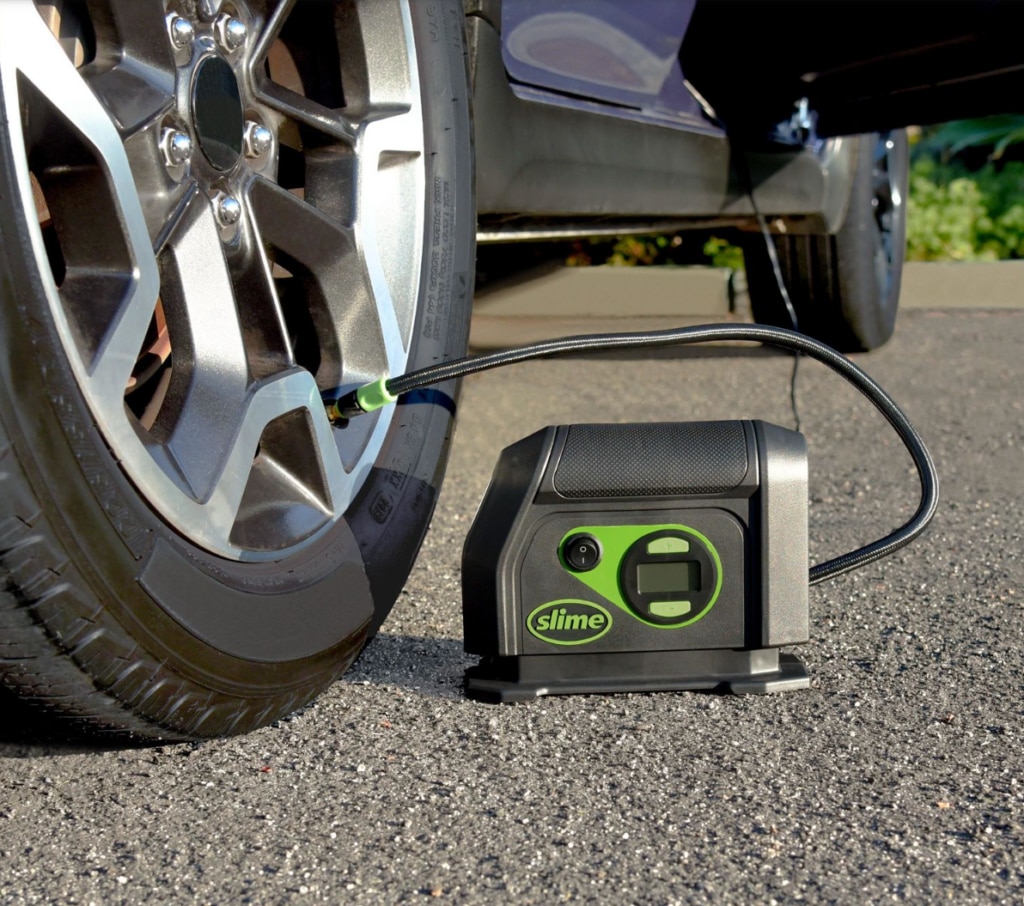
Different types of tire inflators
Not every tire inflator works the same way. Knowing the type you have helps you use it better and avoid frustration.
Portable 12V inflators
These plug into your car’s 12V power outlet. They are popular because they are easy to keep in the trunk and useful in emergencies. They work well for regular passenger cars, but they may inflate slowly.
Cordless battery inflators
These run on rechargeable batteries. They are convenient and easy to move around, especially if you do not want to keep the car running. Their main limit is battery life, so they are best for topping off tires or handling one or two low tires.
Shop-style air compressors
These are larger and stronger. You will see them at gas stations, repair shops, and garages. They are good for fast inflation, but they are not as portable as handheld inflators.
Digital inflators
These show PSI on a screen and often let you set the pressure you want. Many shut off automatically when they reach that number. For most drivers, this is the easiest and most beginner-friendly type.
How to read tire pressure correctly
Knowing how to use a tire inflator is only half the job. You also need to read pressure the right way. Tire pressure is measured in PSI, which stands for pounds per square inch.
Check pressure when tires are cold if possible. That means the car has been parked for a while and not driven much. Heat from driving can raise the reading, which may make the tire seem fuller than it really is.
A few practical tips:
- Use the vehicle’s recommended PSI, not the tire’s maximum PSI
- Check pressure before long trips and when weather changes a lot
- Recheck after a few minutes if the tire was very low
- Do not trust the dashboard warning light alone for exact PSI
Cold weather can lower tire pressure, and that is one reason drivers sometimes need a tire inflator more often in winter. Even a drop of 1 PSI can matter a little over time.
Common mistakes to avoid
I have seen a lot of people get tripped up by the same small mistakes. Most of them are easy to avoid once you know what to look for.
- Overinflating the tire: Too much air can hurt grip and ride comfort.
- Using the wrong PSI target: Always follow the vehicle sticker or manual.
- Not checking for leaks: If a tire keeps losing air, inflation is only a temporary fix.
- Forcing the chuck on crooked: A bad seal wastes time and air.
- Ignoring tire damage: If the sidewall is cut or the tire has a bulge, do not keep driving on it.
One lesson I learned the hard way is that an inflator is not a cure-all. If a tire keeps going flat, there may be a puncture, bad valve stem, or rim issue. In that case, a professional inspection is the safest move.
Safety tips when using a tire inflator
A tire inflator is safe when used correctly, but there are still smart habits to follow. Tires hold a lot of pressure, and that pressure deserves respect.
- Keep hands and face away from the valve while inflating
- Do not leave the inflator running unattended
- Use the inflator in a ventilated area if the engine is running
- Let the unit cool if it starts feeling hot
- Stop immediately if you hear a loud leak or see visible tire damage
If you are inflating a tire that is nearly flat, take your time. A tire that has been driven very low may have internal damage, even if the outside looks fine. When in doubt, have it inspected.
When a tire inflator is enough and when it is not
A tire inflator is great for normal low-pressure corrections, but it has limits. It works best when the tire is only a little under the recommended PSI or when you need a quick roadside top-off. It is also useful for seasonal pressure changes and routine maintenance.
It is not enough if:
- The tire has a large puncture
- The sidewall is damaged
- The bead is separated from the rim
- The tire loses air again within a day or two
- The tire is completely flat and will not hold air
In those cases, adding air may help you get to a repair shop, but it should not be treated as a full fix.
How often you should check tire pressure
Most drivers should check tire pressure at least once a month. It is also a good idea to check before long road trips and during big temperature shifts. Tires naturally lose a little air over time, even when they do not have a puncture.
A tire inflator makes this routine much easier. Instead of waiting until the tire looks low, you can stay ahead of the problem. That habit can improve safety, save fuel, and help your tires last longer.
Benefits of using a tire inflator at home
Having your own tire inflator is like keeping a small emergency kit for your car. It gives you control, especially when you do not want to wait in line at a gas station air pump.
Some of the biggest benefits include:
- Saves time during busy mornings
- Helps you handle slow leaks or seasonal pressure drops
- Reduces trips to the gas station
- Can improve tire life with regular checks
- Gives peace of mind on road trips
For me, the biggest benefit is confidence. When you know how to use a tire inflator, a low tire does not feel like a crisis anymore.
Frequently Asked Questions of How to use a tire inflator
How do I know when to stop inflating a tire?
Stop when the pressure reaches the PSI listed on your vehicle’s tire placard or owner’s manual. If your inflator has an auto shut-off, you can set the target pressure and let it stop on its own.
Can I use a tire inflator with the car off?
Yes, many battery-powered inflators work with the car off. If your inflator plugs into the 12V outlet, check whether that outlet stays powered when the ignition is off.
How long does it take to inflate a tire?
It depends on the inflator, the tire size, and how low the tire is. A small portable inflator may take several minutes per tire, while a larger compressor is much faster.
Is it safe to overinflate a tire a little?
No, it is better to stay as close as possible to the recommended pressure. Overinflation can reduce traction, make the ride harsher, and wear the center of the tire faster.
Why does my tire pressure keep dropping?
Slow pressure loss can happen from temperature changes, a small puncture, a bad valve stem, or a rim leak. If you keep needing to use a tire inflator often, have the tire checked by a professional.
Can a tire inflator fix a flat tire?
A tire inflator can add air, but it does not repair the damage causing the leak. If the tire is flat from a puncture or sidewall issue, it needs proper repair or replacement.
Conclusion
Using a tire inflator is one of the easiest ways to stay on top of car maintenance, and it pays off fast. Once you know how to check PSI, attach the nozzle, and stop at the right pressure, the whole process becomes simple and routine. A little care here can mean better safety, better fuel use, and fewer roadside headaches.
If you have not checked your tires lately, take five minutes today and do it. Grab your inflator, confirm the recommended pressure, and make it part of your regular car care habit. If this guide helped, explore more car maintenance tips and share your own tire inflator experience in the comments.