Why Is My OBD2 Scanner Showing No Codes: 2026 Guide
Your OBD2 scanner usually shows no codes when the vehicle has no stored fault, no power, or the scanner cannot read the car correctly.
If you’ve plugged in a scanner and expected a clear answer, only to see “No Codes,” I know how frustrating that feels. I’ve seen this happen on everything from older daily drivers to newer cars with picky network systems, and the reason is often simpler than people think. In this guide, I’ll walk you through the real causes of why your OBD2 scanner is showing no codes, how to check each one, and what to do next so you can stop guessing and start fixing the right problem.

What “No Codes” Really Means
When an OBD2 scanner shows no codes, it usually means the car’s computer is not reporting any active or stored diagnostic trouble codes, also called DTCs. That does not always mean the car is healthy. It can also mean the scanner is not communicating well, the issue is not OBD2-related, or the fault has not been triggered enough to set a code.
A code-free scan can happen for a few common reasons:
- There is no current fault in the engine control module
- The problem is in a system the basic OBD2 scanner cannot read
- The battery was disconnected and codes were cleared
- The scanner is not getting full communication
- The vehicle is not OBD2 compatible in the way you expect
In my own testing, this is the part that trips people up most. They assume “no codes” means “no problem,” but a car can still run rough, misfire lightly, or have a failing sensor without setting a visible code right away.

Common Reasons Your OBD2 Scanner Is Showing No Codes
1. There really are no active or pending codes
This is the simplest answer, and sometimes it is the correct one. If the problem is minor, intermittent, or already fixed, the powertrain control module may not store a code.
Modern vehicles are designed to wait until a fault happens enough times before turning on the check engine light. That means a brief stumble, loose gas cap, or one-time electrical hiccup may not be enough to trigger a DTC.
2. The issue is outside the engine and emissions system
A basic OBD2 scanner mainly reads engine and emissions-related data. It may not show faults in systems like:
- ABS
- Airbag
- Transmission on some vehicles
- Body control module
- Steering or climate modules
This is a big reason people think their scanner is broken. The car can absolutely have a real issue, but if it is in a separate module, a basic code reader may show nothing.
3. The scanner is not powered or connected properly
If the scanner is not getting full power from the OBD2 port, it may turn on but still fail to read codes. The port should usually have power, ground, and communication links.
Common connection issues include:
- Loose plug fit
- Dirt or corrosion in the port
- A blown fuse for the diagnostic connector
- Bent pins in the OBD2 port
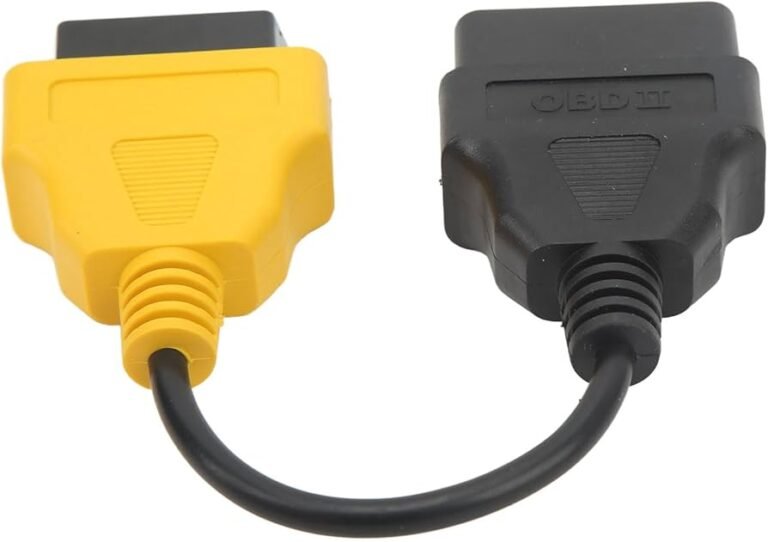
- A damaged scan tool cable
I once spent way too long chasing a “no codes” problem that turned out to be a simple blown cigarette lighter fuse shared by the OBD2 port. It was a good reminder: always check the basics first.
4. The vehicle has not completed a drive cycle
Some faults only show after the car goes through a proper drive cycle. If the battery was recently disconnected, or the codes were cleared, the monitor status may still be resetting.
That means the scanner can show no codes even though the car is still in the process of testing itself. Emissions monitors need time, temperature, speed changes, and load changes before they can confirm a problem.
5. The check engine light is off because the fault is pending
A pending code is an early warning. It means the computer noticed something odd, but not enough times yet to turn it into a stored code.
Some scanners only show confirmed codes by default. If your tool is basic or old, it may hide pending faults unless you look in a separate menu.
6. Your scanner is low quality or not compatible enough
Not all OBD2 scanners are equal. Cheap readers may not support newer protocols, may struggle with some brands, or may fail to pull data correctly from certain vehicles.
This happens more often than people expect with:
- European vehicles
- Some hybrid and electric vehicles
- Newer models with more complex communication networks
- Older vehicles near the OBD1 to OBD2 transition years
A better scan tool often reveals what the cheaper one missed.
7. The battery was disconnected or the codes were erased
If the battery was replaced, jumped, or disconnected, the ECU may lose stored codes. The same thing happens if someone used a scan tool to clear them.
That can leave you with a car that still has symptoms but no visible codes. In my experience, this is one of the most common reasons a scan comes back clean right after a repair attempt.
8. The fault is intermittent and not active at the moment
Some problems come and go. Heat, vibration, moisture, or engine load may trigger them only under certain conditions.
If the failure is not happening during the scan, the vehicle may appear normal. This is why a test drive and repeat scan often help more than one parked scan in the driveway.

Step-by-Step Checks When Your OBD2 Scanner Shows No Codes
Check the scanner connection first
Start with the easy stuff. Make sure the scanner is fully seated in the OBD2 port and the ignition is in the correct position, usually ON or RUN.
Look for these signs:
- The scanner powers up normally
- The display stays on and does not reset
- The connector fits tightly
- The port is clean and undamaged
If the scanner will not power properly, the issue may be the vehicle side, not the tool.
Verify the OBD2 port has power
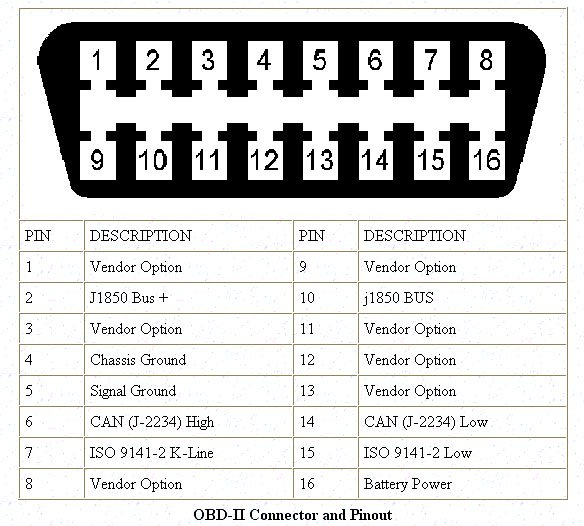
The OBD2 port should usually have power on pin 16 and ground on pins 4 and 5. If your scan tool will not communicate, a fuse problem is worth checking.
Things to inspect:
- Fuse for the OBD2 port
- Fuse for the cigarette lighter or accessory outlet
- Visible corrosion
- Loose wiring under the dash
This is a smart check before buying a new scanner.
Try a different scanner if possible
If one tool shows no codes but another tool shows them, the first scanner may be the problem. This is especially true with low-cost readers that only read generic powertrain data.
A better scanner may show:
- Pending codes
- Freeze frame data
- Manufacturer-specific codes
- Readiness monitors
- Live sensor data
That extra detail can make diagnosis much easier.
Look for pending codes and live data
Some issues do not set a full code yet, but live data can still reveal the problem. Watch for strange readings such as:
- Misfire counts
- Unstable oxygen sensor values
- Abnormal coolant temperature
- Throttle position glitches
- Fuel trim numbers that are far off
If the scanner shows no codes but the live data looks wrong, you likely still have a real fault.
Check for recent battery work or code clearing
Ask yourself a few simple questions:
- Was the battery replaced recently?
- Did someone jump-start the car?
- Was the battery disconnected for repairs?
- Did anyone clear codes before your scan?
If yes, the car may simply need time to relearn and retest before the fault returns.
Inspect related fuses and grounds
Modern cars depend on clean electrical power and solid grounds. A weak ground can cause strange symptoms without always setting a code right away.
Focus on:
- Battery terminals
- Main grounds
- ECM and ignition-related fuses
- Fuse box corrosion
- Loose connectors near the engine
A bad ground can act like a ghost in the machine.
Why a Car Can Have Problems Without Showing OBD2 Codes
A code is not the same thing as a problem. The computer only sets a code when the fault meets certain rules. That means a car can still run poorly without crossing the threshold.
Some common examples include:
- Slight vacuum leaks
- Early ignition coil weakness
- Marginal fuel pressure
- Dirty throttle body
- Weak battery voltage
- Sensor drift that is still inside allowed limits
Think of it like a smoke alarm that only goes off when the smoke gets thick enough. A small issue may be real, but it may not be enough to trigger the alarm yet.
This is where data helps more than guesswork. A scan tool with live data, not just code reading, gives you a much clearer picture.
How to Tell Whether the Scanner or the Car Is the Problem
A good way to narrow it down is to compare the scanner behavior with the car’s symptoms.
Signs the scanner may be the issue
- The tool does not power up correctly
- It cannot communicate with any vehicle
- It shows “link error” or “no connection”
- Another scanner reads the same car just fine
Signs the car may be the issue
- The scanner works on other cars
- The OBD2 port has power
- The vehicle has symptoms but no codes
- Live data looks abnormal even with no codes
In the shop, the fastest diagnostic win often comes from verifying scanner function on a known good vehicle. That removes a lot of doubt.
When You Need a More Advanced Scan Tool
A basic code reader is fine for simple check engine light issues. But if your OBD2 scanner is showing no codes and the car still has a problem, you may need a more advanced tool.
You should consider upgrading if you need:
- ABS codes
- Airbag codes
- Transmission data
- Manufacturer-specific diagnostics
- Bidirectional controls
- Freeze frame and enhanced live data
This does not mean every driver needs a pro-level scan tool. But it does mean the cheapest reader can have real limits.
Best Practices to Avoid Misreading a No-Code Scan
A clean scan can be misleading if you do not check the whole picture. These habits help a lot:
- Scan with the ignition in the correct position
- Check pending codes, not just stored ones
- Review readiness monitors
- Look at live data during the problem
- Confirm the OBD2 port has power
- Test with another scanner if possible
- Re-scan after a short drive
I have learned that patience pays off here. A car often tells the truth, but not always on the first try.
Frequently Asked Questions of Why is my OBD2 scanner showing no codes?
Why does my car have symptoms but no codes?
A car can have a real problem without meeting the conditions needed to store a code. Minor misfires, small vacuum leaks, and sensor drift often cause symptoms before a code appears.
Can a bad OBD2 port cause no codes?
Yes, a bad port or blown fuse can stop the scanner from communicating properly. If the tool powers up but cannot read the car, the port, wiring, or fuse should be checked.
Will disconnecting the battery erase OBD2 codes?
It can erase some stored codes and reset many learned settings. That is why a scan right after battery work may show no codes even if the original issue is still present.
Why does my scanner say no codes but the check engine light is on?
That can happen if the scanner is not reading the right system, if communication is incomplete, or if the tool is too basic. A better scanner may reveal pending or manufacturer-specific codes.
Can a cheap scanner miss codes?
Yes, low-cost scanners can miss pending codes, enhanced codes, or codes from other modules. They may also struggle with some vehicle brands or newer communication systems.
Should I drive the car if the scanner shows no codes?
If the car drives normally and there are no warning signs, short trips are usually fine. But if you notice rough running, overheating, smoke, or strong fuel smell, get it checked soon.
Conclusion
When your OBD2 scanner is showing no codes, the answer is not always “everything is fine.” It may be a real no-fault situation, but it could also mean the scan tool is limited, the OBD2 port has a power issue, or the car has a problem that has not crossed the code-setting threshold yet.
The smartest approach is to check the basics first, then look at pending codes, live data, battery history, and scanner compatibility. If you take it step by step, you can avoid wasted time and expensive guesswork. If this guide helped, bookmark it, try the diagnostic steps on your own vehicle, and share your experience or questions in the comments.