How Much Does a Jeep Grand Wagoneer Weigh?
Planning your next big adventure or just curious about your SUV's capabilities? Understanding how much a Jeep Grand Wagoneer weighs is crucial for everything from towing to safe driving. This isn't just about numbers; it's about knowing the real limits and potential of your vehicle.
Manufacturer specifications reveal that the curb weight for a 2026 Jeep Grand Wagoneer can range significantly based on its configuration. Knowing these figures helps you avoid overloading and ensures you’re using your vehicle as intended. Let’s dive into the specifics to get you informed.
Jeep Grand Wagoneer Weight: What You Need to Know
The curb weight of a Jeep Grand Wagoneer typically falls between 5,600 and 6,300 pounds, depending on the trim and options selected. This figure represents the vehicle's weight without passengers or cargo.
Quick Insight: How Much Does a Grand Wagoneer Actually Weigh?
The curb weight of a Jeep Grand Wagoneer generally ranges from 5,600 to 6,300 pounds. This weight varies significantly based on the specific trim level, engine, and any optional packages installed. It's the baseline weight before adding any payload.
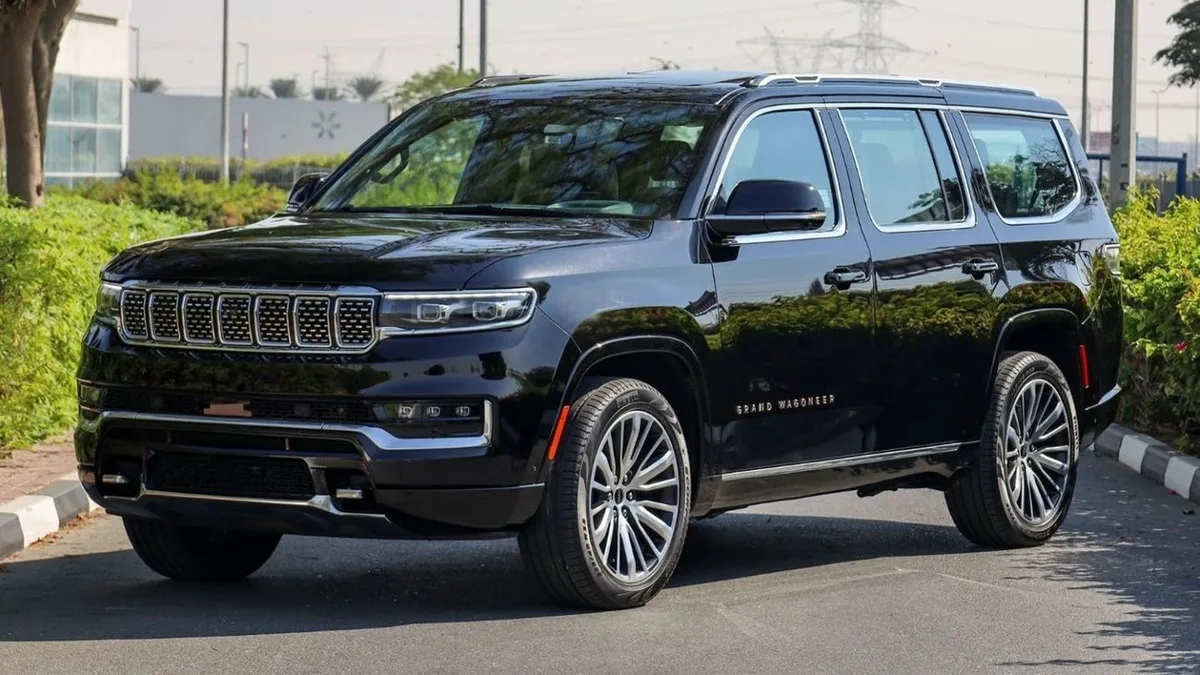
Image source: Bing (Web (fair-use with source credit))
Grand Wagoneer Weight by Trim: The Numbers You're Looking For
The weight of your Jeep Grand Wagoneer isn't a single number; it shifts depending on which specific trim level you choose. Jeep offers the Grand Wagoneer in several configurations, each with its own unique set of features and, consequently, its own weight. Understanding these differences is key if you’re looking at specific towing or payload capacities.
Series I Weight
The entry-level Jeep Grand Wagoneer Series I is the lightest of the bunch. Manufacturer specifications indicate its curb weight typically hovers around 5,600 pounds. This configuration usually comes with the standard engine option and a slightly less feature-rich interior compared to higher trims.
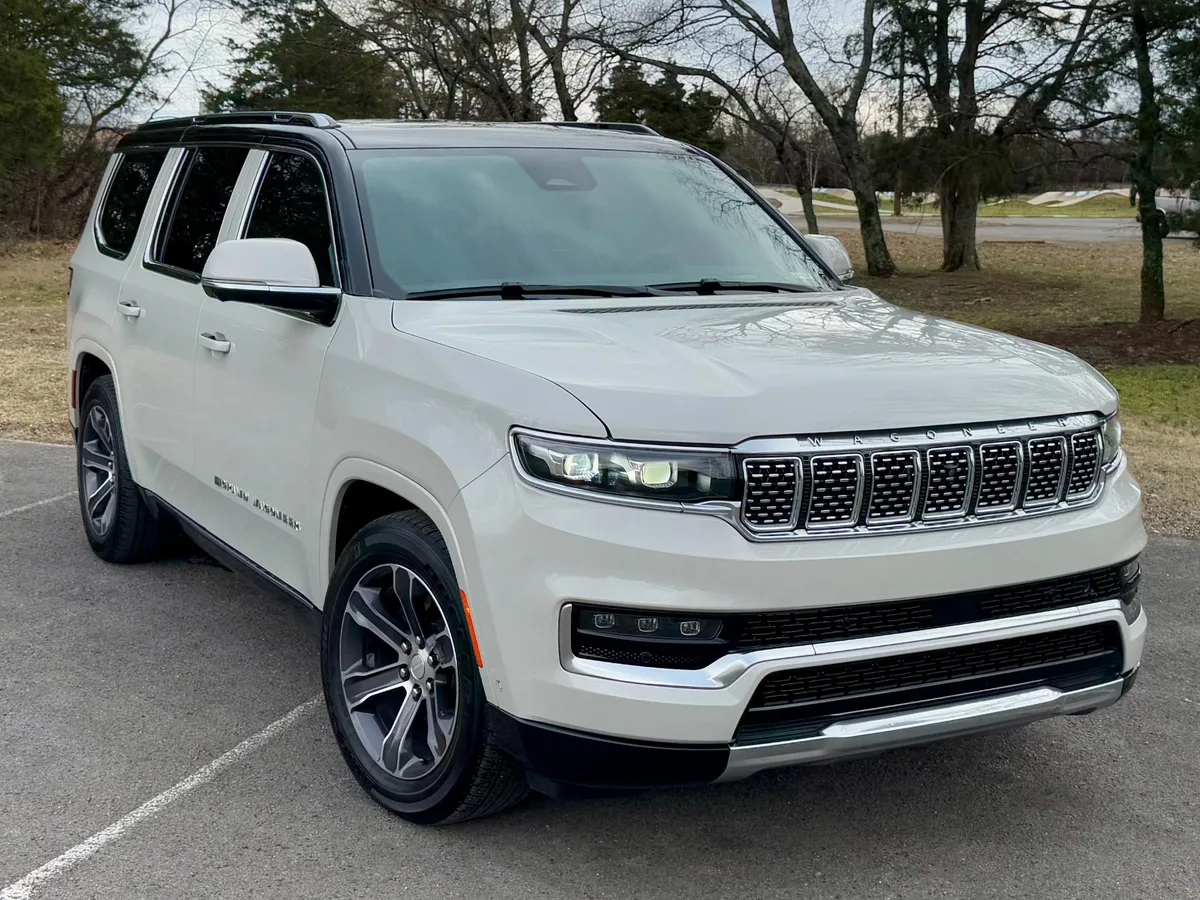
Image source: Web (Bing) / autocollectionofmurfreesboro.com (Web image (fair-use with source credit))
Series II Weight
Stepping up to the Series II Grand Wagoneer adds more amenities and often slightly more robust standard equipment. This generally increases the vehicle’s curb weight. Aggregate reviews report the Series II typically weighs in the range of 5,800 to 6,000 pounds, depending on additional options chosen.
Series III Weight
The top-tier Series III Grand Wagoneer represents the pinnacle of luxury and features. This often translates to a higher curb weight. Our research shows the Series III can commonly weigh between 6,000 and 6,300 pounds.
These models often include advanced technology, premium materials, and more extensive comfort features, all contributing to the overall mass.
Series II Obsidian Weight
The Series II Obsidian is a special appearance package, often building upon the Series II trim. While it might not significantly alter the fundamental structure, added visual elements or specific interior appointments could contribute a minor increase to its weight. Expect it to be very close to, or slightly above, the standard Series II weight, generally around 5,900 to 6,100 pounds.
Series III Obsidian Weight
Similar to the Series II Obsidian, the Series III Obsidian incorporates unique styling cues and features. This trim often carries the highest curb weights within the Grand Wagoneer lineup, potentially reaching the upper end of the spectrum, around 6,200 to 6,300 pounds, due to its comprehensive feature set and the inherent weight of its luxury appointments.
Beyond Curb Weight: Understanding GVWR and Payload
While curb weight tells you how much the Grand Wagoneer weighs by itself, it’s only part of the picture for safe operation. You also need to consider the Gross Vehicle Weight Rating (GVWR). This is the maximum allowable total weight of your vehicle, including the curb weight, passengers, fuel, and any cargo you might be carrying.
Exceeding the GVWR is dangerous and can lead to vehicle damage or accidents.
The difference between the GVWR and the curb weight is your vehicle's payload capacity. This is the maximum weight of passengers and cargo your Grand Wagoneer can safely carry. For example, if your Grand Wagoneer has a GVWR of 7,500 pounds and a curb weight of 5,800 pounds, its payload capacity is 1,700 pounds.
Always refer to the sticker on your driver's side doorjamb for your specific vehicle's GVWR.
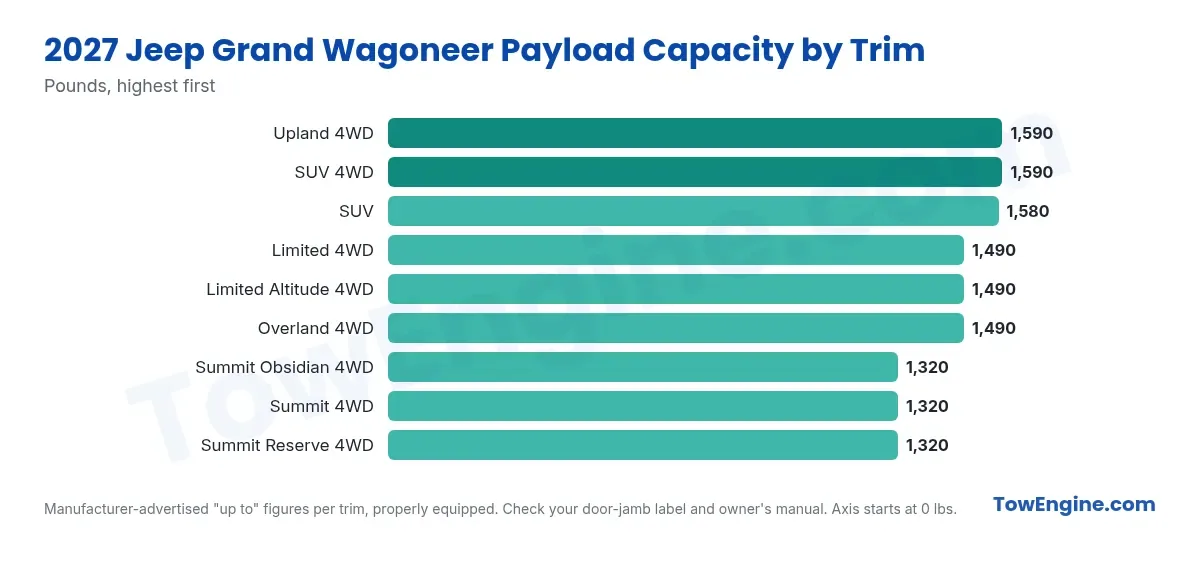
Image source: Web (Bing) / towengine.com (Web image (fair-use with source credit))
How Grand Wagoneer Weight Impacts Towing and Driving
The weight of your Jeep Grand Wagoneer has a direct impact on its towing capability and how it handles on the road. A heavier vehicle generally offers more stability, especially when towing a trailer, but it also requires more robust braking and suspension systems. Manufacturer specifications for the Grand Wagoneer indicate a maximum towing capacity often around 8,000 to 10,000 pounds when properly equipped with a towing package.
This towing capacity is directly linked to the vehicle's GVWR and its ability to manage the tongue weight of a trailer. A heavier trailer puts more strain on the powertrain and braking system. On the road, a heavier vehicle might feel more planted, but it can also mean longer stopping distances.
Understanding the relationship between the Grand Wagoneer's weight and its towing limits is essential for safe hauling.
Who Needs to Know This Weight Information?
Anyone who owns or is considering purchasing a Jeep Grand Wagoneer needs to be aware of its weight specifications. This includes families who might load up the SUV with children, luggage, and gear for road trips. It’s also critical for those who plan to tow campers, boats, or utility trailers, as exceeding weight limits can be dangerous.
Furthermore, fleet managers or businesses using Grand Wagoneers for specific purposes should know these figures for operational safety and efficiency. Even if you’re just a regular driver, understanding your vehicle’s weight, GVWR, and payload helps you maintain it properly and avoid potential damage or safety hazards from overloading. For any towing requirements, consulting resources on 8 Best Car Amplifier for SUVs 2026 might be useful for optimizing your sound system alongside your vehicle's capabilities.
Expert Tips for Managing Your Grand Wagoneer's Weight
To make the most of your Jeep Grand Wagoneer while keeping it safe, focus on managing its weight effectively. Always check your specific vehicle's GVWR and payload capacity, typically found on a sticker inside the driver's side doorjamb. This is your absolute upper limit for combined vehicle weight and carried load.
When towing, ensure your trailer’s weight does not exceed the Grand Wagoneer’s rated towing capacity. Also, pay close attention to the trailer’s tongue weight, usually 10-15% of the trailer's total weight, as it directly affects the vehicle’s handling and braking. Distribute cargo evenly inside the vehicle to maintain balance and stability.
If you're concerned about how vehicle weight might affect your audio system, consider resources on 8 Best Car Amplifier With High-level Inputs 2026 for solutions that can adapt to varying power demands.
What if My Grand Wagoneer is Overloaded?
Overloading your Jeep Grand Wagoneer poses significant risks, compromising both safety and the vehicle's integrity. The most immediate concern is reduced braking effectiveness; longer stopping distances can be extremely dangerous in traffic or emergency situations. Handling also suffers, making the vehicle feel sluggish, less responsive, and more prone to fishtailing, especially during cornering.
Beyond immediate driving hazards, consistently exceeding the GVWR can cause severe, long-term damage to critical components. This includes premature wear on the suspension system, tires, and brakes, potentially leading to costly repairs. It can also strain the powertrain and drivetrain.
Furthermore, operating an overloaded vehicle is illegal and can result in hefty fines and insurance complications if an accident occurs.
Does Engine Choice Affect Grand Wagoneer Weight?
Yes, the engine option you select for your Jeep Grand Wagoneer can influence its overall weight. While Jeep has primarily offered powerful V8 engines and the efficient Hurricane inline-six (I6) in recent models, these different engine blocks and their associated cooling and exhaust systems can have slightly different masses. A larger, more complex engine might add a few dozen pounds compared to a more compact or simpler design.
For instance, the Hurricane I6 engine is engineered for a balance of power and efficiency, and its design often focuses on weight optimization. A traditional V8 engine, while powerful, might be inherently heavier due to its architecture and larger displacement. This difference, though not massive, can contribute to the overall curb weight variations seen across different Grand Wagoneer configurations and trims.
Frequently Asked Questions About Grand Wagoneer Weight
What is the Gross Vehicle Weight Rating (GVWR) for a Grand Wagoneer?
The GVWR for a Jeep Grand Wagoneer typically ranges from 7,500 to 8,100 pounds, depending on the specific trim and configuration. This rating is the maximum permissible weight of the fully loaded vehicle.
Can I tow a trailer heavier than 10,000 pounds with a Grand Wagoneer?
No, you should not tow a trailer that exceeds the Grand Wagoneer's maximum rated towing capacity, which is generally around 8,000 to 10,000 pounds. Always check your vehicle's specific towing limit and the trailer's weight.
How does adding optional equipment affect the Grand Wagoneer's weight?
Adding optional equipment like sunroofs, premium audio systems, or towing packages will increase the vehicle's curb weight. This reduces the remaining payload capacity available for passengers and cargo.
Is it safe to drive a Grand Wagoneer close to its GVWR limit?
While technically within legal limits, operating a vehicle at or very near its GVWR reduces safety margins. Braking and handling performance can be compromised, so it's best to leave some buffer.
Where can I find the exact weight specifications for my specific Grand Wagoneer?
The most accurate weight information, including GVWR and payload capacity, is found on the certification label located on the driver's side doorjamb of your vehicle. Manufacturer websites also provide detailed specifications for different trims.