How To Use A Battery Blanket: Easy Step-By-Step Guide
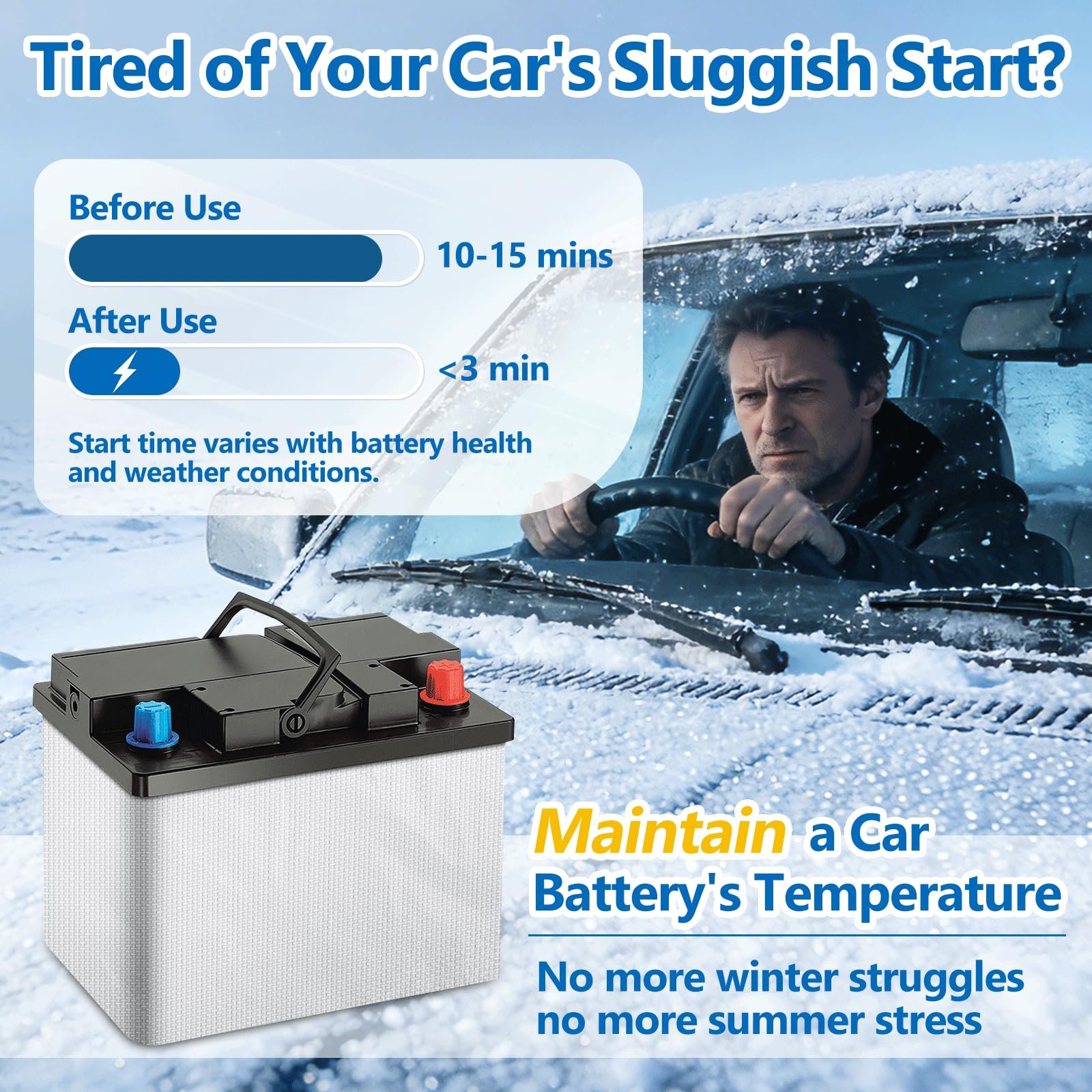
A battery blanket keeps a battery warm, helps it hold charge, and improves cold-weather starting.
If you live where winter bites hard, learning how to use a battery blanket can save you a lot of stress. I’ve seen plenty of batteries fail on mornings that felt perfectly ordinary until the engine would not turn over. Used the right way, a battery blanket can protect battery life, support better performance, and make cold starts much easier.

What a battery blanket does
A battery blanket is an insulated wrap that helps keep a car battery warmer in low temperatures. Cold weather slows the chemical reaction inside the battery, which reduces power output. A blanket helps reduce that heat loss so the battery works better when you need it most.
I like to think of it like a winter coat for your battery. It does not create power on its own, but it helps the battery keep the power it already has. That matters a lot when temperatures drop below freezing.
A battery blanket is most useful for:
• Cars and trucks parked outside in winter
• Diesel engines that need strong starting power
• Older batteries that struggle in the cold
• Equipment used in cold garages, farms, or job sites
How to use a battery blanket step by step
Using a battery blanket is simple, but the details matter. A loose setup or unsafe connection can reduce its value. Here is the process I recommend based on real-world use and what battery makers generally advise.
-
Check the battery type and size
Make sure the battery blanket fits your battery case. A blanket that is too small will not cover well, and one that is too large may not sit properly. -
Inspect the battery first
Look for cracks, leaks, corrosion, or swollen sides. If the battery is damaged, do not wrap it until it is checked by a professional. -
Turn the vehicle off
Shut off the engine and remove the key. If needed, disconnect the battery only if the vehicle manual says to do so. -
Wrap the blanket around the battery
Place the blanket snugly around the battery case. Keep it centered and smooth. Do not cover terminals in a way that blocks access or creates a bad fit. -
Secure the blanket
Use the built-in straps, ties, or fastening system. It should stay in place without being so tight that it distorts the battery or cables. -
Plug it in if it is a heated model
Some battery blankets are passive insulation, while others have a heating element. If yours plugs in, route the cord safely away from moving parts, hot surfaces, and sharp edges. -
Test the setup
Check that the battery blanket warms evenly and does not shift. If the blanket has a thermostat or built-in control, verify it is working as expected. -
Remove or unplug when weather improves
You do not need to keep using it in warm weather. In fact, leaving a heater on all season can waste energy and may add wear.
From experience, the biggest mistake people make is treating a battery blanket like a magic fix. It helps a weak situation, but it cannot rescue a battery that is already near failure. If your battery is old, test it before winter gets serious.
When you should use a battery blanket
A battery blanket is not needed for every driver. It becomes most helpful when cold weather regularly affects starting power or battery performance.
Use one if:
• Temperatures often fall below 32°F
• You park outside overnight
• You notice slow cranking in winter
• Your vehicle sits unused for long periods
• You use a truck, RV, diesel, or work vehicle in cold conditions
You may not need one if:
• You live in a warm climate year-round
• Your car is kept in a heated garage
• Your battery is new and climate conditions are mild
One practical tip: if you have ever walked outside on a freezing morning and heard the engine crank like it was dragging a sled uphill, that is a strong sign you should think about a battery blanket.
Benefits of using a battery blanket
A battery blanket offers a few clear benefits, especially in winter. These benefits are simple, but they can make a big difference on a cold morning.
• Better cold-weather starts
Warm batteries usually deliver power more reliably than cold ones.
• Less strain on the battery
Cold batteries work harder to do the same job, which can wear them down faster.
• Improved battery life in winter
Reducing extreme cold stress may help the battery stay healthier longer.
• Helpful for parked vehicles
If a vehicle sits for days, the battery blanket can help preserve readiness.
• Extra peace of mind
It is easier to leave home when you know the vehicle has a better shot at starting.
Battery blankets are not a cure-all, but they are a smart part of cold-weather battery care. In my own experience, they are most valuable when paired with a battery in good condition and a vehicle that is already maintained well.
Limitations and safety concerns
It is important to be honest about what a battery blanket cannot do. Trustworthy advice means knowing the limits, not just the benefits.
• It will not fix a bad battery
If the battery is near the end of its life, replacement is the real solution.
• It must be used correctly
Poor placement or damaged cords can create safety problems.
• Heated models need careful wiring
Keep cords away from belts, fans, exhaust parts, and sharp metal.
• Not all blankets are the same
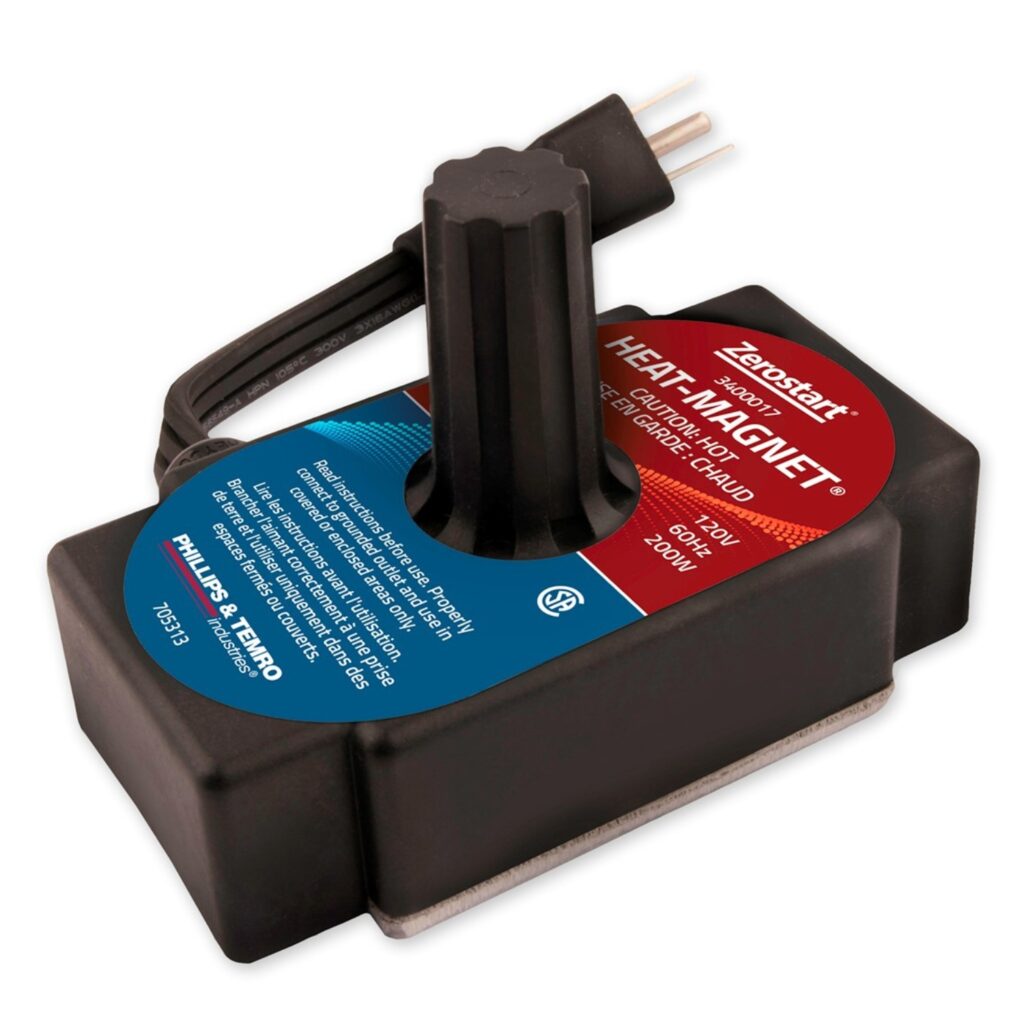
Some are simple insulation sleeves, while others use electric heat. Read the instructions before use.
• It may not be needed in mild weather
Using it all year is usually unnecessary.
I have seen people wrap a battery too tightly or route the cord carelessly across the engine bay. That is the kind of shortcut that causes trouble later. Slow, careful setup is always worth it.
Choosing the right battery blanket
Choosing the right battery blanket starts with knowing your battery and your climate. A good fit matters more than fancy extras.
Look for these features:
• Correct size for your battery case
• Weather-resistant material
• Easy fastening system
• Clear safety instructions
• Thermostat or temperature control on heated models
• Cord length that works with your parking setup
If you are shopping for one, also check your vehicle manual and battery manufacturer guidance. Some batteries and vehicle setups have special needs, especially in modern cars with tight engine bays.
A simple rule helps here: buy the blanket that fits your battery and your weather, not the one with the most marketing claims.
Battery blanket installation tips from real use
Installing a battery blanket is usually easy, but a few small habits improve the result.
• Clean the battery area first
Dust, corrosion, and grime can make the setup messier and harder to inspect.
• Keep the blanket snug but not forced
It should sit like a fitted jacket, not like something stuffed into place.
• Leave access to the terminals
You may still need to inspect or service the battery later.
• Check the cord path twice
Make sure it cannot rub against moving engine parts.
• Recheck after the first drive
Heat, vibration, and movement can shift the blanket slightly.
One lesson I learned early: if the blanket looks “mostly okay,” it is worth fixing it anyway. Small gaps and loose corners are often what lead to poor performance or wear over time.

Battery blanket vs battery warmer vs engine block heater
People often confuse these cold-weather tools. They all help in winter, but they work in different ways.
• Battery blanket
Wraps the battery and helps it stay warm.
• Battery warmer
A broader term that may include a heated wrap or insulated system for the battery.
• Engine block heater
Heats the engine coolant or block, not the battery itself, and helps the engine start more easily.
If your main issue is battery weakness, a battery blanket is the direct answer. If your engine is the bigger problem, an engine block heater may be more useful. In very cold regions, many drivers use both.
Maintenance tips for a battery blanket
A battery blanket needs simple care to stay safe and useful. Do a quick check at the start of winter and every so often during the season.
• Inspect the blanket for cracks or frayed edges
• Check power cords for damage
• Clean off dirt and moisture
• Make sure the blanket still fits securely
• Replace it if the insulation breaks down or the wiring looks unsafe
If the blanket is heated, unplug it before any inspection. Moisture and damage are the two things to watch closely. That kind of routine check takes only a minute, but it can prevent a much bigger headache.
Frequently Asked Questions of How to use a battery blanket
How long should I leave a battery blanket on?
You can leave it on during cold weather as long as it is designed for that use and installed safely. If it is a heated model, follow the manufacturer’s instructions and unplug it when temperatures rise.
Can a battery blanket charge my battery?
No, a battery blanket does not charge the battery. It only helps the battery stay warmer so it can perform better in the cold.
Is a battery blanket safe to use overnight?
Yes, if it is made for continuous use and installed correctly. Make sure cords are protected, the blanket is not damaged, and the setup follows the product instructions.
Will a battery blanket work on any car battery?
Most battery blankets work with common automotive batteries, but size and fit matter. Always check compatibility with your battery type and vehicle before buying.
Do I need a battery blanket in a garage?
If your garage stays warm enough, probably not. If the garage gets close to outdoor temperatures in winter, a battery blanket can still help.
Conclusion
A battery blanket is a simple tool, but it can make winter driving much less stressful. When used correctly, it helps protect battery performance, supports cold starts, and reduces the strain that freezing temperatures put on your vehicle.
The key is to choose the right fit, install it safely, and know its limits. If you deal with cold mornings often, taking a few minutes to set up a battery blanket now can save you from a no-start surprise later. If this guide helped, take a look at your vehicle’s winter setup today and share your experience or questions in the comments.