How To Use Wheel Chocks: Safe Step-By-Step Guide
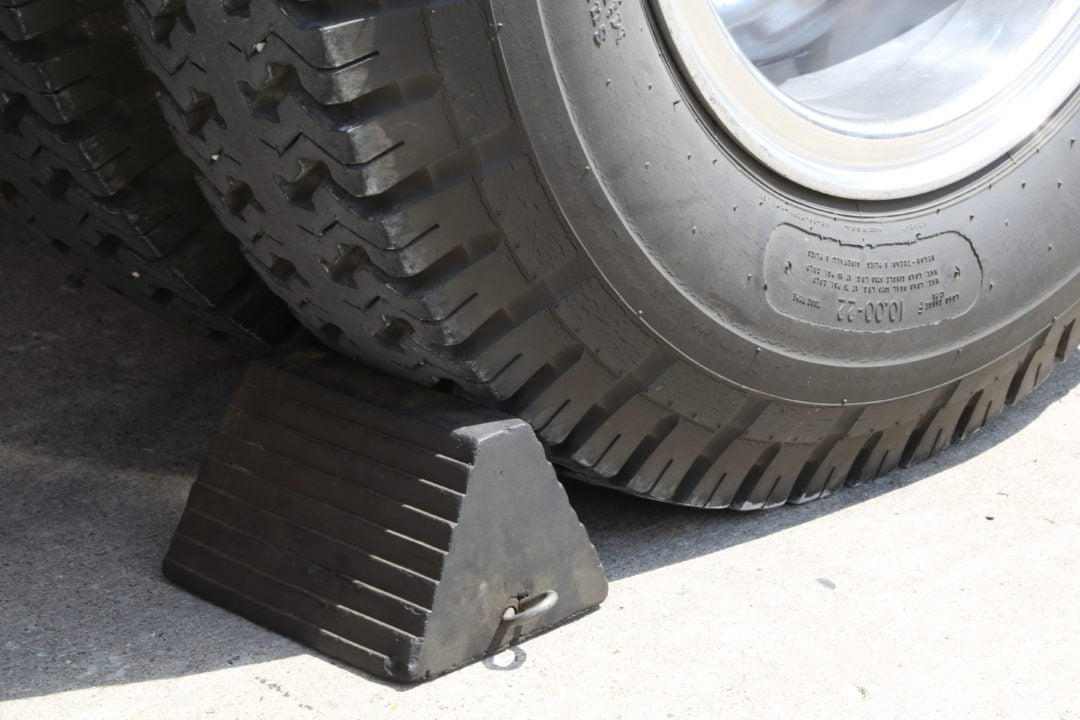
Use wheel chocks by placing them snugly against the tire’s downhill side to stop rolling.
Knowing how to use wheel chocks is one of those simple safety skills that can make a huge difference. I’ve seen how a good chock setup can keep a parked trailer, truck, or heavy machine steady on a slope, soft ground, or busy job site. In this guide, I’ll walk you through how to use wheel chocks the right way, why placement matters, and the mistakes that people often make when they rush the job.

What Wheel Chocks Are and Why They Matter
Wheel chocks are blocks placed against a wheel to keep a vehicle from moving. They are used with cars, trucks, trailers, RVs, boats, forklifts, and heavy equipment. The goal is simple: create a physical barrier that helps stop rolling.
If you have ever parked on a slope and felt the vehicle shift a little, you already understand the risk. Wheel chocks help reduce that risk by adding a second layer of safety beyond the parking brake. In my experience, they are especially useful when loading, unloading, or working around a vehicle for a long time.
Wheel chocks matter because gravity never takes a break. Even a small slope, wet surface, or soft gravel can let a parked vehicle creep. That slow movement can lead to damage, injuries, or worse.
How to Use Wheel Chocks Correctly
Using wheel chocks is not complicated, but the details matter. The right placement and setup make them far more effective. Think of them like doorstops for heavy wheels; if they are in the wrong place, they won’t hold much at all.
Follow these steps:
-
Park the vehicle on the flattest surface available
Choose level ground whenever you can. If that is not possible, park with the wheels turned and the vehicle positioned to reduce rolling risk. -
Set the parking brake
Always apply the parking brake before placing the chocks. For manual vehicles, also put the transmission in gear. For automatic vehicles, shift into park. -
Place the chocks tight against the wheel
Put the chocks snugly against the tire on the downhill side if parked on a slope. For flat ground, place them on both sides of one wheel when extra security is needed. -
Use the right number of chocks
One wheel pair often needs two chocks, one in front and one behind the wheel, especially on slopes or when the vehicle is heavy. -
Test the setup gently
After placing the chocks, gently try to move the vehicle if safe to do so. This helps confirm that the chocks are seated properly and not slipping. -
Remove them only when the vehicle is ready to move
Do not pull chocks away until the path is clear and the vehicle is fully prepared to roll.
A mistake I have seen more than once is placing a chock too far from the tire. That leaves room for movement before the chock engages, which defeats the purpose. Tight contact is the key.

How to Use Wheel Chocks on Slopes
Slopes call for extra care. Gravity pulls harder on an incline, so the chocks must be placed with that force in mind. If the vehicle is facing uphill, the wheel can still roll backward. If it is facing downhill, it can roll forward.
For uphill parking, place chocks behind the rear wheels if the vehicle could roll back. For downhill parking, place them in front of the front wheels if the vehicle could roll forward. When in doubt, block both sides of the wheel for added safety.
A few practical tips help here:
- Use chocks sized for the vehicle weight
- Make sure the surface under the chock is firm
- Avoid loose dirt, ice, mud, or gravel if possible
- Inspect the chocks before use for cracks or wear
I once watched a trailer settle a few inches on wet grass because the chock sank slightly into the ground. Since then, I always check the surface first. A great chock on bad ground is like a good lock on a weak door frame.
Choosing the Right Wheel Chocks
Not all wheel chocks are made for the same job. The best one depends on vehicle size, tire size, and surface conditions. A small rubber chock might work for a passenger car, but it may not be enough for a loaded truck or equipment trailer.
Common types include:
-
Rubber wheel chocks
Durable, grippy, and good for many vehicles -
Plastic wheel chocks
Lightweight and easy to carry, often used for smaller vehicles or temporary setups -
Metal wheel chocks
Strong and long-lasting, often used in industrial or rail settings -
Heavy-duty truck chocks
Built for large commercial vehicles and tough job sites
When choosing wheel chocks, look for:
- Load rating
- Surface grip
- Wheel size fit
- Weather resistance
- Handle or rope for easy removal
If a chock is too light, it may slide. If it is too small, it may not sit properly against the tire. The right fit is more important than just buying the biggest one.
Best Practices for Safe Use
Good habits make wheel chocks work better. The setup should be part of a full parking safety routine, not a stand-alone fix. Parking brake, engine off, gear selected, and wheels chocked all work together.
Use these best practices:
- Chock wheels whenever the vehicle is on a slope
- Use two chocks for better protection when needed
- Keep chocks clean and free of oil or mud
- Store them where they are easy to reach
- Train anyone who uses the vehicle on proper placement
For trailers, chocking is especially important during loading and unloading. A trailer can shift weight fast, and that change can move the center of gravity. That is why many commercial safety programs treat wheel chocks as essential equipment, not optional gear.
Industry safety guidance from transportation and workplace safety groups consistently supports using wheel chocks as part of vehicle restraint. The exact setup depends on the vehicle, load, and site rules, but the principle stays the same: stop movement before it starts.
Common Mistakes to Avoid
A lot of wheel chock problems come from small mistakes. The good news is that most are easy to fix once you know what to watch for. I have made one or two of these myself early on, and that is how you learn the hard way.
Avoid these mistakes:
- Using the wrong size chock
- Placing the chock too far from the tire
- Forgetting the parking brake
- Using damaged or worn chocks
- Setting chocks on loose, slippery, or soft ground
- Assuming one chock is always enough
Another common issue is using wheel chocks on a tire that is already under pressure from a load shift. If the vehicle is not stable before you chock it, the chock may not solve the real problem. Always make the vehicle as secure as possible first.
Wheel Chocks for Different Vehicles
The way you use wheel chocks can change depending on the vehicle. A passenger car and a semi-trailer do not need the same setup. Matching the chock to the vehicle is part of using it correctly.
For common vehicle types:
-
Cars and SUVs
Use smaller chocks, usually on one or two wheels when parked on slopes or for repair work -
Trailers and RVs
Use heavier chocks, often on both sides of at least one wheel set -
Pickup trucks
Use chocks when parked on uneven ground, during maintenance, or when towing -
Forklifts
Use chocks when required by site rules, especially during service or parking on ramps -
Heavy equipment
Use industrial-grade chocks made for high loads and rough conditions
For trailers, many people also use leveling tools and stabilizers. Those help with comfort and balance, but they do not replace wheel chocks. Chocks are the first line of defense against rolling.
Maintenance and Storage Tips
Wheel chocks last longer when you care for them. That also helps them work better when you need them most. A cracked or dirty chock is not something you want to trust with a parked vehicle.
Keep them in good shape by:
- Cleaning off mud, oil, and road salt
- Checking for cracks, chips, or deformation
- Storing them in a dry place
- Replacing worn chocks before they fail
- Keeping a rope or handle in good condition if included
I like to think of wheel chocks like seat belts for parked vehicles. They are simple, but only if they are ready when it matters. A few seconds of inspection can prevent a long, expensive problem.
Frequently Asked Questions of How to use wheel chocks
Where should wheel chocks be placed?
Place wheel chocks tight against the tire, ideally on the downhill side if the vehicle is on a slope. On flat ground, use them where they best prevent movement, often in front of and behind the wheel.
Do you need wheel chocks on flat ground?
Yes, in some cases. Flat ground is safer, but vehicles can still roll during maintenance, loading, or if the surface is slick or uneven.
How many wheel chocks should I use?
It depends on the vehicle and the situation. For better security, many setups use two chocks on one wheel, one in front and one behind, especially on slopes or with heavier vehicles.
Can I use rocks or wood instead of wheel chocks?
You should not rely on rocks or random wood blocks. Proper wheel chocks are designed for grip, shape, and load support, while makeshift items can slip, break, or move.
How do I know if my wheel chocks are the right size?
Check the tire size and the chock’s load rating. The chock should sit firmly against the tire without tipping, sliding, or being too small to block movement.
Are wheel chocks required by law?
In many workplaces, commercial fleets, and industrial settings, safety rules or company policies require them. The exact requirement depends on the vehicle type, location, and applicable safety standards.
Conclusion
Learning how to use wheel chocks is a small skill with a big safety payoff. When you place them correctly, choose the right type, and avoid common mistakes, you make parked vehicles much safer and more stable. It is one of those simple habits that can prevent costly damage and protect people around the vehicle.
If you work around cars, trailers, trucks, or equipment, make wheel chocks part of your regular routine. Review your setup, check your gear, and use them every time the situation calls for extra security. If you found this guide helpful, explore more vehicle safety tips and share your own experience in the comments.