How To Use A Heated Seat Cushion: Easy Comfort Guide
A heated seat cushion works best when placed correctly, powered safely, and used at low-to-medium heat.
If you’ve ever sat on a cold chair and felt your whole body tense up, you already know why a heated seat cushion can feel like a small luxury. Used the right way, it can add comfort, ease stiffness, and make long workdays, road trips, or chilly mornings much more pleasant. Here’s the full guide to using a heated seat cushion safely, comfortably, and effectively, with practical tips that come from real-world use.
What a heated seat cushion is and how it works
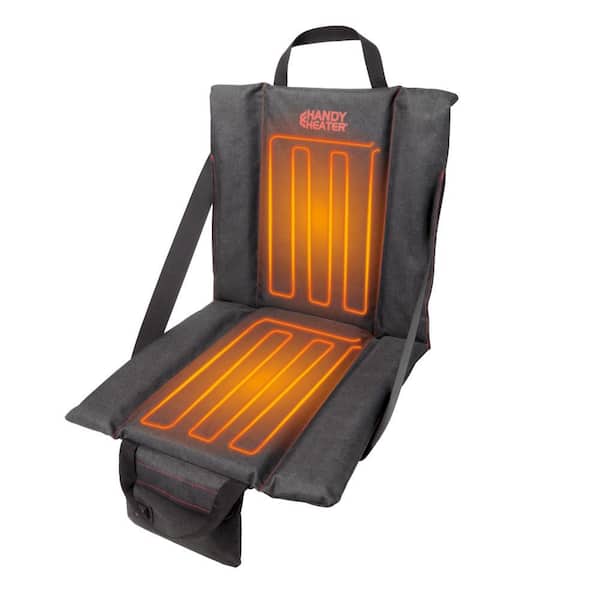
A heated seat cushion is a padded seat cover or portable cushion that warms up using built-in heating elements. Most models plug into a wall outlet, a car adapter, or a USB power source. Some also include temperature settings, timers, and auto shutoff features for safety.
The basic idea is simple. The cushion turns electrical energy into gentle heat, then spreads that warmth across your lower back, hips, or thighs. That steady heat can help you stay comfortable in cold rooms, on long drives, or while sitting for extended periods.
How to use a heated seat cushion step by step
Using a heated seat cushion is usually easy, but the right setup matters. I’ve seen people plug one in and expect instant comfort, only to realize the cushion was slipping, overheating, or warming unevenly. A few small habits make a big difference.
Follow these steps:
-
Read the product instructions first
Every heated seat cushion is a little different. Check the manual for voltage, heat levels, cleaning rules, and safety warnings. -
Place the cushion on a stable seat
Put it on a chair, office seat, recliner, or car seat with the heating side facing your body. Make sure it lies flat and does not bunch up. -
Secure the cushion if straps are included
Many cushions have straps or grips. Use them so the cushion does not slide when you sit down. -
Plug it into the correct power source
Use only the adapter or cable made for that model. If it is a car heated seat cushion, connect it to the vehicle outlet as directed. -
Choose a low setting first
Start on the lowest heat level. In my experience, that is often enough once the cushion warms up. You can increase the setting later if needed. -
Sit down and check comfort
After a few minutes, test how it feels. The warmth should feel soothing, not hot or sharp. -
Use the timer or auto shutoff if available
These features help prevent overheating and are worth using every time. -
Turn it off when you’re done
Unplug the cushion and let it cool before storing it.
A heated seat cushion should feel like a warm hug, not a furnace. If it feels too hot, stop using it right away.

Best ways to use a heated seat cushion at home, work, and in the car
A heated seat cushion is useful in more places than people expect. It can support comfort in different daily settings, and each one needs a slightly different approach.
At home:
- Use it on a desk chair while working
- Place it on a dining chair during cold mornings
- Sit on it while reading or watching TV
At work:
- Keep it on an office chair if your workspace feels chilly
- Use a model with auto shutoff if you sit for long hours
- Pick a slim design so it stays discreet and comfortable
In the car:
- Choose a cushion made for automotive use
- Make sure the cord does not interfere with pedals or movement
- Never use a household-only model in a vehicle unless the maker says it is safe
I’ve found that the best heated seat cushion is the one that fits your routine, not just the one with the most features. For example, a simple low-heat cushion can be perfect for desk work, while a portable car version is better for winter commuting.
Safety tips you should never ignore
A heated seat cushion is safe when used correctly, but heat products need respect. That is especially true if you have sensitive skin, poor circulation, diabetes, neuropathy, or any condition that affects heat sensation.
Important safety tips:
- Do not use the cushion if the fabric is torn or the wiring is exposed
- Do not fold or bunch it while it is turned on
- Do not sit on it for too long at the highest setting
- Do not use it while sleeping unless the manufacturer specifically allows it
- Keep it away from water and wet surfaces
- Unplug it when not in use
- Watch children and older adults closely when they use one
Heat can be helpful, but it can also cause burns if a person cannot feel discomfort early. The U.S. Consumer Product Safety Commission and similar safety authorities regularly warn consumers to use heated products with care, especially around prolonged contact and damaged cords.
Benefits of using a heated seat cushion
A heated seat cushion is not just about feeling cozy. It can support everyday comfort in a few real ways.
Common benefits include:
- Better comfort in cold weather
- Gentle warmth for stiff muscles
- A more pleasant sitting experience during long tasks
- Portable heat without warming the whole room
- Less need to crank up the thermostat
Many people use a heated seat cushion for mild muscle tightness in the lower back, hips, or thighs. Heat can help relax tense tissue and improve comfort, though it is not a cure for pain or injury. If pain lasts or gets worse, it is wise to check with a healthcare professional.
How long to use a heated seat cushion
A good rule is to use a heated seat cushion in short or moderate sessions, especially at first. Ten to 30 minutes is often enough for many people, depending on the model and heat level. Some cushions are designed for longer use, but that does not mean you should ignore the timer or safety shutoff.
In my own experience, the sweet spot is usually lower heat for longer comfort rather than max heat for a short burst. That approach feels gentler on the body and lowers the risk of skin irritation. If you ever feel redness, numbness, or too much warmth, stop and let the area cool.
Common mistakes to avoid
A lot of people use a heated seat cushion in a rushed way and then wonder why it does not feel right. The mistakes are usually small, but they matter.
Avoid these common errors:
- Starting on the highest setting right away
- Using the cushion on a wet seat or damp clothing
- Folding the cushion tightly during use
- Ignoring the cable position in a car
- Leaving it on for hours without checking it
- Using the wrong adapter or power source
One mistake I’ve seen more than once is people using a cushion as if more heat always means more benefit. That is not true. Slow, steady warmth is usually more comfortable and safer.
How to clean and store a heated seat cushion
Cleaning and storage help a heated seat cushion last longer. Always check the care label before washing, because not all models are machine washable.
Basic care tips:
- Unplug the cushion before cleaning
- Wipe the surface with a soft cloth if the cover is not removable
- If the cover is removable, wash it only as directed
- Let it dry fully before plugging it back in
- Store it flat or loosely rolled, not tightly folded
- Keep it in a dry place away from sharp objects
A little care goes a long way. Treat the heating wires gently, and the cushion will usually keep working better over time.
Who should be careful with a heated seat cushion
Most adults can use a heated seat cushion safely if they follow the instructions. Still, some people need extra caution.
Be careful if you:
- Have diabetes or poor circulation
- Have nerve damage or reduced feeling in the skin
- Are pregnant and unsure about heat use
- Use pain medicine or sleep medicine that may reduce awareness
- Are helping a child or older adult use one
For anyone with a medical condition, it is smart to ask a healthcare professional before using heat regularly. The key is not fear, but awareness. Heat should soothe, not surprise.
Frequently Asked Questions
How do you use a heated seat cushion safely?
Place it on a stable chair, plug it into the proper power source, and start on the lowest heat setting. Use any built-in timer or auto shutoff feature, and stop if the cushion feels too hot or uncomfortable.
Can you sit on a heated seat cushion all day?
You can use one for long periods if the product is designed for that and you take breaks. Still, it is better to use moderate heat and avoid sitting on the highest setting for hours at a time.
Is a heated seat cushion good for back pain?
It may help ease mild muscle tightness and make sitting more comfortable. It is not a treatment for serious back pain, and lasting pain should be checked by a healthcare professional.
Can you use a heated seat cushion in a car?
Yes, if the model is made for car use and the cord does not interfere with driving. Always follow the vehicle and product instructions so the cushion stays safe and secure.
How hot should a heated seat cushion get?
It should feel warm and soothing, not burning or sharp. Start low, then increase only if needed, because too much heat can cause discomfort or skin irritation.
Do heated seat cushions use a lot of electricity?
Most do not use much power compared with space heaters. They are usually a small, efficient way to add warmth to one seat instead of heating an entire room.
Conclusion
A heated seat cushion is one of the simplest ways to add comfort to a cold chair, long drive, or chilly workday. The key is to use it with care: place it correctly, start with low heat, watch for safety features, and avoid the common mistakes that can make it less effective.
If you use a heated seat cushion the right way, it can become a small daily comfort that makes a big difference. Try the safety tips, test the heat settings, and see what works best for your routine. If you found this guide helpful, explore more practical comfort tips and share your own experience in the comments.