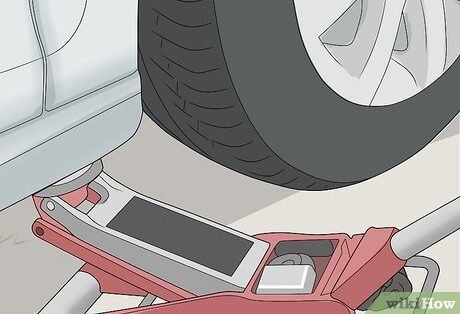
How To Use Jack Stands: Safe Step-By-Step Guide
Jack stands keep a lifted vehicle secure so you can work underneath safely.
If you want to know how to use jack stands the right way, you’re already thinking like a careful mechanic. I’ve spent enough time under cars to know that the lift is only half the job; the real safety comes from stable support, smart setup, and checking every step before your hands go anywhere near the underside.
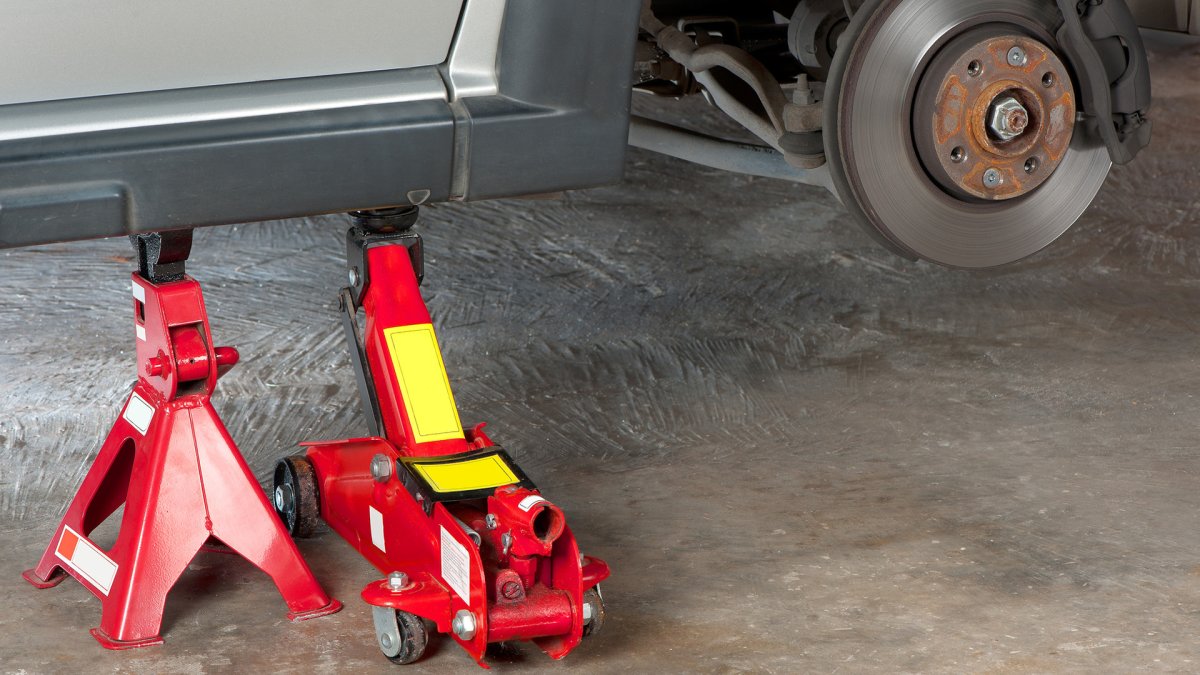
What Jack Stands Do and Why They Matter
Jack stands are metal supports that hold a vehicle after it has been raised with a jack. A floor jack lifts the car, but it is not meant to hold the weight for long. Jack stands take over that job and give you a much safer base to work from.
I always think of it like this: a jack is a hand lifting a table, while jack stands are the legs that keep it from falling. That simple difference can protect you from serious injury. Using jack stands correctly is not optional if you plan to crawl under a car, change suspension parts, or inspect the exhaust.
Jack stands matter because a hydraulic jack can fail, leak down, or slip. Even a small movement can be dangerous when a few thousand pounds are overhead. Good setup and proper use reduce that risk a lot.

Source: wikihow.com
Tools and Supplies You Need Before You Start
Before learning how to use jack stands, gather everything you need first. A rushed setup is one of the biggest reasons people make mistakes in the garage.
You will usually need:
• Floor jack that is rated for your vehicle’s weight
• Pair of jack stands with the correct weight capacity
• Wheel chocks
• Gloves
• Safety glasses
• Flat, solid surface like concrete
• Owner’s manual for jack point locations
If possible, keep a flashlight nearby too. The more you can see, the easier it is to place the stands in the right spot. I learned early on that a good setup saves time and keeps you from redoing the job later.

Source: wikihow.com
How to Use Jack Stands Step by Step
Using jack stands is not hard, but each step matters. Take your time and do not skip the small checks.
1. Park on a flat surface
Start on level ground. Concrete is best because it is firm and stable, while soft asphalt can shift in hot weather. Never use jack stands on dirt, gravel, or a sloped driveway unless you have proper support boards and know exactly what you are doing.
Put the vehicle in park if it is automatic. If it is manual, leave it in gear. Set the parking brake tightly.
2. Chock the wheels
Place wheel chocks on the wheels that will stay on the ground. If you are lifting the front, chock the rear wheels. If you are lifting the rear, chock the front wheels.
This step may seem small, but it is one of the most important parts of how to use jack stands safely. Chocks help stop rolling, even if the car shifts a little while lifting.
3. Find the correct jack points
Use the owner’s manual to find the approved lift points and stand points. Different vehicles have different frame rails, pinch welds, and subframe locations. Do not guess if you are unsure.
Using the wrong spot can damage the car or let the stand slip. I have seen people try to save time by placing stands under random suspension parts, and that usually ends with wasted effort or a dangerous setup.
4. Lift the vehicle with the floor jack
Position the jack under the proper lift point and raise the vehicle slowly. Lift only as high as needed for your work. The higher the car goes, the more careful you need to be.
Keep watching the vehicle as you lift. If it tilts, creaks, or shifts in a strange way, stop and reset. A smooth lift is what you want.
5. Place the jack stands under strong support points
Once the vehicle is high enough, slide the jack stands into position. Put them under the approved support points, not under plastic, exhaust parts, or weak sheet metal. Make sure both stands are set to the same height when possible.
The stands should sit straight and flat on the ground. If the base is uneven, do not use it. The best jack stand in the world cannot work well on bad footing.
6. Lower the vehicle onto the stands
Slowly lower the jack until the vehicle rests fully on the stands. Keep a hand on the release control and watch the car as it settles. Once the weight is on the stands, the jack should no longer be carrying the load.
Leave the jack in place as a backup if there is room. I often do this as an extra safety habit. It is not a substitute for jack stands, but it adds peace of mind.
7. Test stability before going under
Gently shake the vehicle from the side. It should feel solid, with only very slight movement. If it rocks too much, raise it again and check the stand placement.
Never crawl underneath until you are sure the car is secure. That extra 30 seconds can make all the difference. Safe habits are boring, but boring is good when heavy vehicles are involved.

Source: cherokeehighnews.com
How to Choose the Right Jack Stands
Not all jack stands are the same. Weight rating, build quality, height range, and base design all matter.
Here is what to look for:
• Weight capacity that exceeds the weight on each corner of the vehicle
• Wide base for better stability
• Strong locking mechanism
• Adjustable height that fits your car
• Reputable brand with clear safety standards
A pair of 3-ton stands may be enough for many passenger cars, but always check the actual vehicle weight and corner load. Bigger is not always better if the stands do not fit under your car at the needed height. The right fit matters as much as the rating.
I also prefer stands with a secure locking pin or pawl design that feels solid when adjusted. Cheap, sloppy stands can wiggle more than they should. If a stand looks bent, rusty, or damaged, replace it.

Source: wikihow.com
Common Mistakes to Avoid
A lot of jack stand problems come from shortcuts. Most of them are easy to avoid once you know what to watch for.
Common mistakes include:
• Using stands on soft or sloped ground
• Trusting a hydraulic jack alone
• Placing stands under weak body panels
• Forgetting wheel chocks
• Using stands with the wrong weight rating
• Working under a car before testing stability
• Mixing different stand heights without reason
One mistake I see too often is people setting up in a hurry because the job looks simple. That is exactly when mistakes happen. Even a basic oil change becomes risky if the car is not properly supported.

Source: reddit.com
Safety Tips That Make a Big Difference
Good safety habits are part of how to use jack stands the right way. They are simple, but they matter.
Keep these tips in mind:
• Use stands on level, hard ground
• Keep your body clear while lowering the car
• Never work under a vehicle supported only by a jack
• Wear eye protection when working underneath
• Keep children and pets away from the work area
• Do not exceed the stand’s rated capacity
• Inspect the stands before every use
I also recommend keeping your tools close before lifting the car. That way, you are not moving around under a raised vehicle trying to find a wrench. The less time you spend under there, the better.
For added trust, many vehicle safety groups and automotive training programs stress the same rule: support the vehicle on rated stands and never depend on the jack alone. That advice is simple, but it is based on real risk, not theory.

Source: wikihow.com
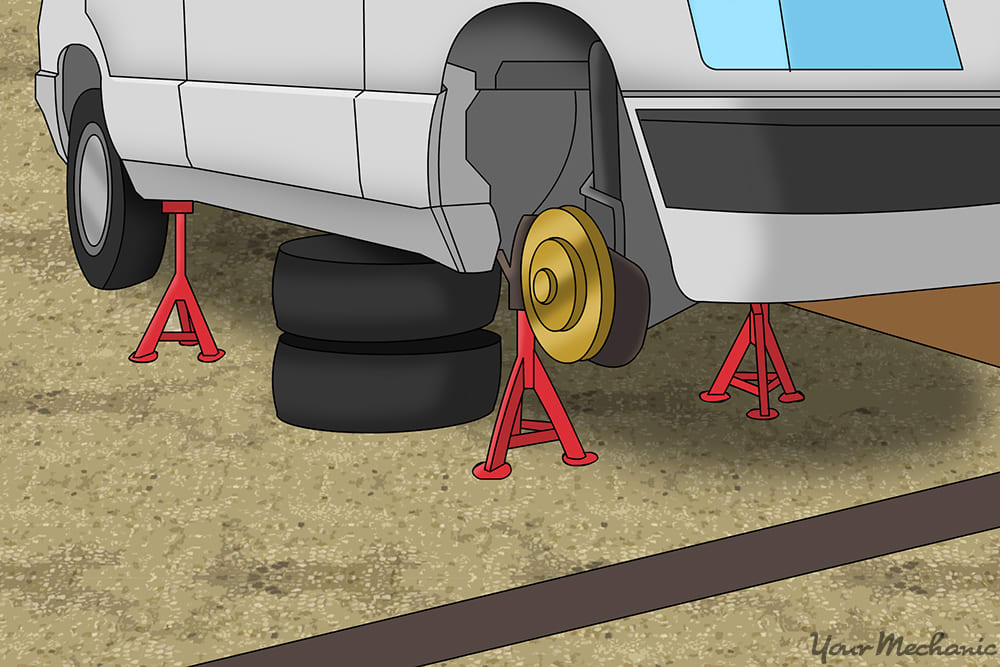
Using Jack Stands on Different Vehicles
Different vehicles need different approaches. A compact sedan is not the same as an SUV, truck, or lowered sports car.
For cars with low ground clearance, a low-profile floor jack and low-profile stands may be necessary. For trucks and SUVs, you may need taller stands with more lift range. Always make sure the jack stands can reach the proper height without being extended too far.
If you are working on one corner only, the car may lean more than expected. In that case, lift and support the vehicle in a way that keeps it balanced. On some jobs, lifting both front corners or both rear corners is safer and gives better access.
Source: yourmechanic.com
How to Check If the Vehicle Is Secure
Before you start repairs, do a quick safety check. This takes very little time and helps catch problems early.
Use this checklist:
• Confirm the stands are on the correct support points
• Make sure both stands are at the same setting if needed
• Check that the bases sit flat on the floor
• Shake the vehicle lightly to test stability
• Look for any bending, slipping, or uneven load
• Keep the floor jack nearby as backup
If anything feels off, stop and fix it. A secure vehicle should feel steady, not wobbly. When in doubt, reset the setup instead of hoping it is fine.
When to Replace Jack Stands
Jack stands do not last forever. Like any tool, they wear down over time.
Replace them if you notice:
• Bent legs or frames
• Cracked welds
• Rust that weakens the structure
• Damaged ratchet teeth or locking parts
• Sticky or failing adjustment mechanisms
• Missing labels or unreadable weight ratings
I do a quick inspection every time I pull mine out. That habit has saved me from using a stand with a damaged locking feature more than once. If a stand looks questionable, it is not worth the risk.
Frequently Asked Questions
Can you work under a car with only a jack?
No, you should never work under a car supported only by a jack. A jack can slip, lose pressure, or fail without warning. Jack stands are the safer and proper support method.
How high should jack stands be set?
Set them only as high as needed to do the job safely. The vehicle should be high enough for your work, but the stands should not be extended more than necessary. Keeping the car lower usually improves stability.
Can jack stands go under the frame?
Yes, if the frame is an approved support point for your vehicle. Some cars use pinch welds or subframes instead, so always check the owner’s manual first. The wrong placement can damage the vehicle or create a slip risk.
Do jack stands work on asphalt?
They can, but asphalt is not ideal, especially in hot weather because it can soften and shift. A solid concrete surface is much safer. If you must use asphalt, use proper base plates or support boards rated for the task.
How do I know if my jack stands are safe?
Inspect them for bends, cracks, rust, and damaged locking parts before every use. They should adjust smoothly and sit flat on the ground. If anything looks off, replace them instead of taking a chance.
Should I leave the floor jack under the car too?
Yes, if space allows, it is a good extra backup. The jack should not carry the vehicle’s weight, but it can add another layer of protection. Think of it as insurance, not the main support.
Conclusion
Learning how to use jack stands is really about building safe habits, not just lifting a car. Once you know the right points, choose the proper stands, and test the setup before going underneath, the whole job becomes much safer and calmer.
The biggest lesson is simple: never rush a lift. Take a few extra minutes to chock the wheels, place the stands correctly, and verify stability. That small bit of patience can protect both you and your vehicle.
If you are new to car repair, keep practicing these steps until they feel automatic. Stay safe, work smart, and explore more maintenance guides so every project in your garage starts on solid ground.






3 Comments